Lüshun Museum and a Century of Collecting at the Tip of the Peninsula
Lüshun Museum stands at 42 Lenin Street (Liening Jie) in Lüshunkou District, at the southern tip of the Liaodong Peninsula and about an hour from central Dalian. It was founded in 1915, when this corner of China was a Japanese leased territory, and its main building of 1917 is now a nationally protected site. The collection of more than 60,000 objects ranges from local archaeology to Xinjiang manuscripts and mummies gathered by a Japanese expedition in the early twentieth century. Admission is free with a booking, and it closes on Mondays.
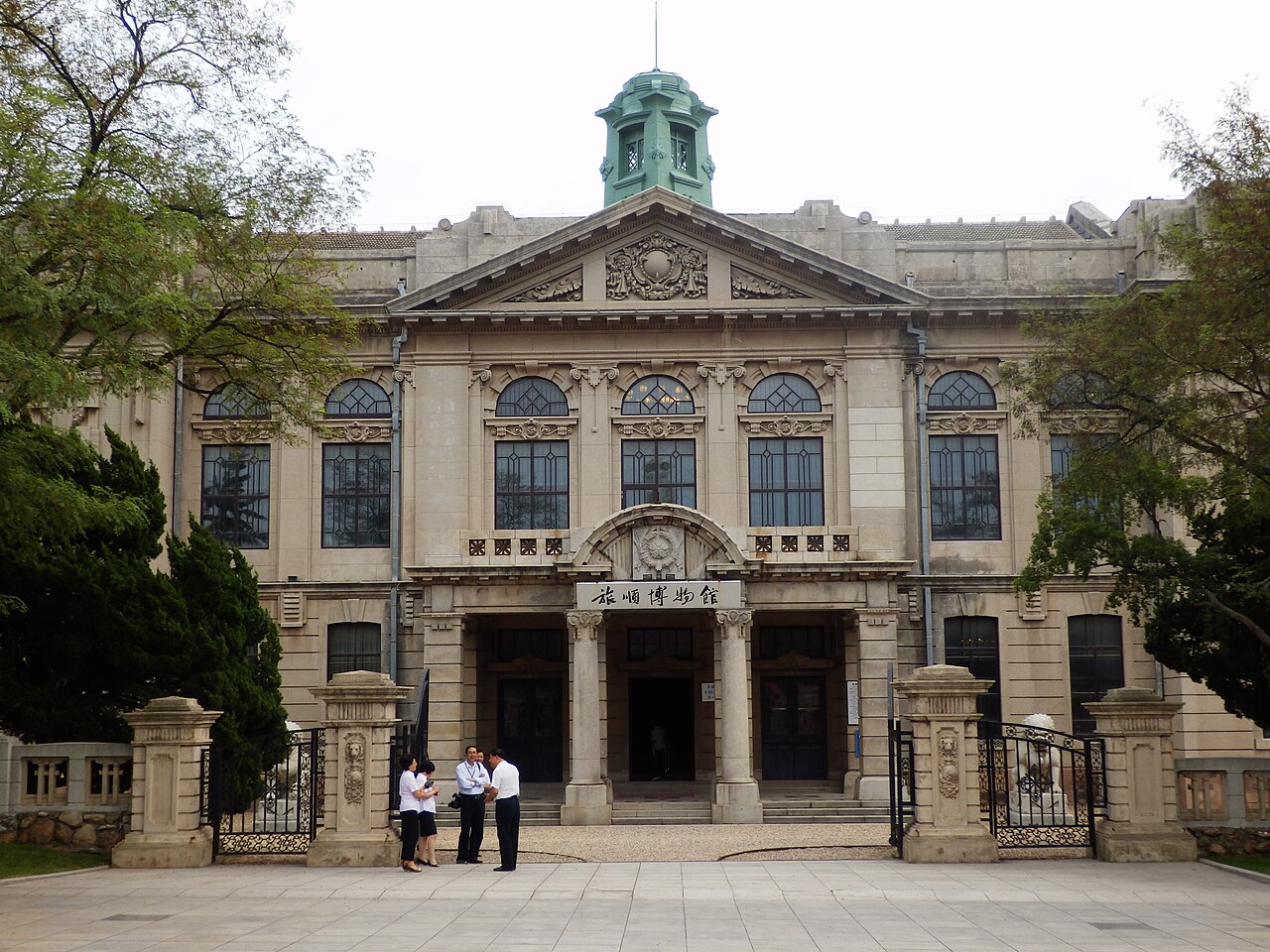
A museum that changed hands
The museum's name has changed almost as often as the flag over Lüshun. Chinese Wikipedia records that it opened on 26 November 1915 as a products exhibition hall for Manchuria and Mongolia, housed in the former Lüshun branch of the Russo-Chinese Bank. It took a new name in 1916 and opened to the public in April 1917. That same year work began on a new building on the foundations of an officers' club that the Russians had planned during their occupation. The building was finished in 1918, and the collection moved in that November. It was renamed the Kwantung Government-General Museum in 1918, the Kwantung Bureau Museum in 1919, and Lüshun Museum on 26 December 1934.
After 1945 Lüshun was under Soviet administration. In the early 1950s the museum was briefly called the Lüshun Oriental Culture Museum and then the Lüshun History and Culture Museum, and on 1 April 1954 it took its present name, with calligraphy by Guo Moruo. Soviet forces withdrew in 1955. The museum closed during the Cultural Revolution and reopened on 1 May 1972. A full renovation began in 1999 and a branch opened in April 2001. In 2007 the former headquarters of the Japanese Kwantung Army nearby was added to its sites, and in 2008 the State Administration of Cultural Heritage named it a first-class national museum.
The building
The main building is in an eclectic style drawing on the European Renaissance, with a columned stone front. In the square outside stands the China-Soviet Friendship Monument, and many cherry trees grow around it.
The collections
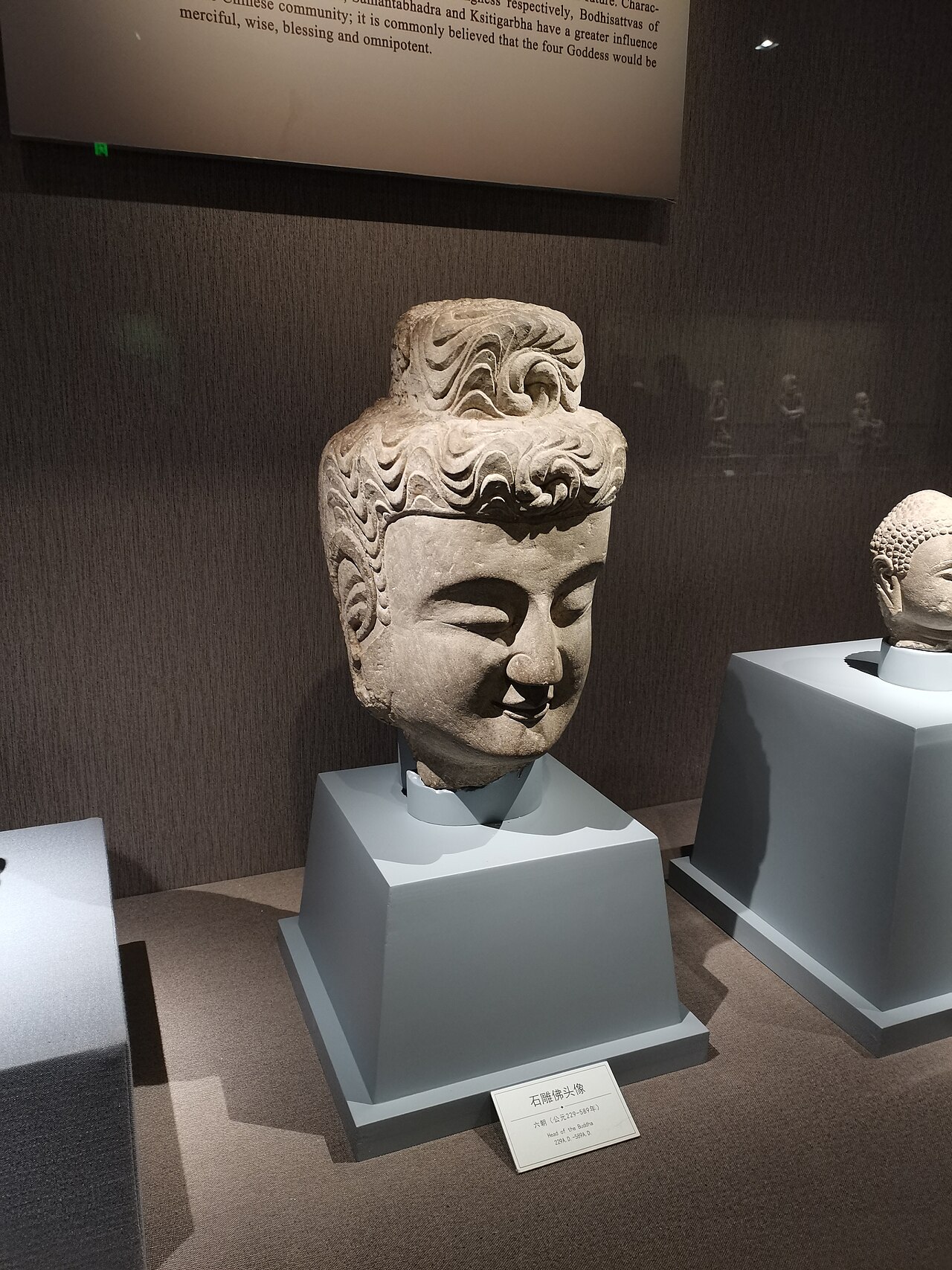
The museum lists its holdings in twenty categories. The galleries have included rooms for snuff bottles, enamel, ancient coins, ceramics, lacquer, Japanese painting and calligraphy, Xinjiang artefacts and mummies. Local archaeology is presented in the branch, which opened with displays on ancient civilisation in Dalian and on foreign cultural relics.
The unusual part is the Xinjiang material. Between 1901 and 1910, the Japanese Buddhist leader Ōtani Kōzui sent expeditions into Central Asia, and part of what they collected came to Lüshun. English Wikipedia notes that the museum is known for the mummies from these expeditions. Since 1988 the museum has published its research and has worked with Ryukoku University in Japan.
Hours and booking
The museum's website lists opening hours of 9:00 to 16:30 from 1 April to 31 October, with last entry at 16:00, and 9:00 to 16:00 from 1 November to 31 March, with last entry at 15:30. It closes all day on Mondays, with separate notices for public holidays. Entry is free. Individual visitors book a free code online two to four days ahead after registering with real-name details, then bring the code and the same ID on the day. The museum also gives a booking phone number on its site. Rules can change, so check the day's notice.
Planning a Lüshun day
Lüshunkou is a full day from downtown. The district holds the old naval port, the hills fought over in the Russo-Japanese War of 1904 and 1905, and the old town below White Jade Hill, as the Dalian guide describes. A sensible order puts the museum in the morning, when you are fresh for the galleries, then the old streets and harbour in the afternoon. Some military sites in the district have restricted access, so follow signs and do not photograph where it is prohibited.
Back in the city, Xinghai Square makes an easy evening walk by the sea after a heavy history day.
Things to confirm before you go
- Your online booking code and the ID you registered with.
- Monday closure and any holiday changes.
- Which galleries are open, since rooms close for changeovers.
- Transport back from Lüshunkou to central Dalian.
Frequently asked questions
Is Lüshun Museum free?
Yes. Individual visitors book a free entry code online and show it with their ID.
What are the opening hours?
The museum lists 9:00 to 16:30 from April to October and 9:00 to 16:00 from November to March, with last entry thirty minutes before closing. It is closed on Mondays.
What is special about the collection?
Beyond local archaeology, it holds Xinjiang manuscripts, artefacts and mummies from the Ōtani expeditions of 1901 to 1910.
How far is it from downtown Dalian?
About an hour by road. Plan a full day for Lüshunkou.
Sources
Facts in this article were checked against the following sources, retrieved 10 October 2026.
- 旅顺博物馆, Chinese Wikipedia
- Lüshun Museum, English Wikipedia
- Lüshun Museum official visitor booking page
Photos are from Wikimedia Commons under the licences shown in each caption.