Baogong Park, Lord Bao Memory at the Heart of Hefei
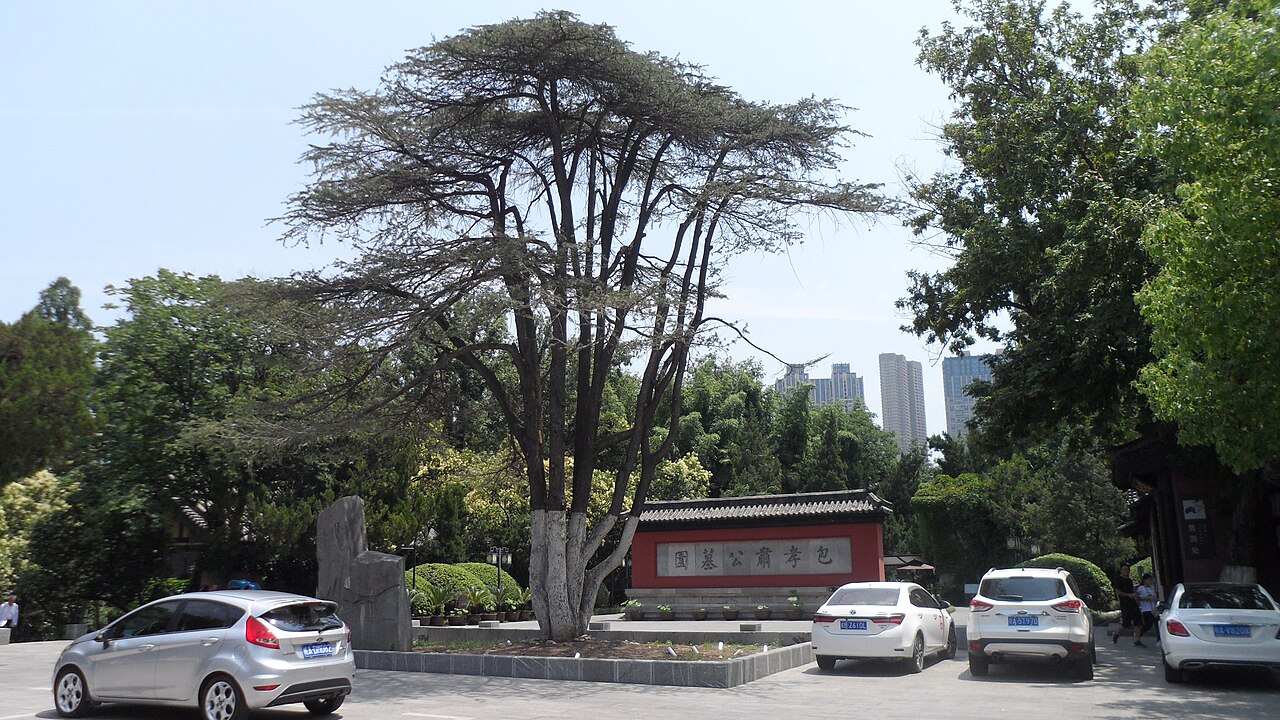
Baogong Park sits in the urban core of Hefei, Anhui, where the civic story of Bao Zheng meets lotus water and a climbable pavilion. Bao Zheng, better known as Bao Gong or Lord Bao, was a Northern Song official whose reputation for upright judgment still fills Chinese opera, television and school textbooks. Hefei claims his birthplace link; the ancestral hall, Bao River (Baohe) gardens and Qingfeng Pavilion package that cult into a half-day walk most capital visitors can finish before lunch. The Hefei guide treats this park as the in-city priority before any dash to Sanhe Ancient Town in Feixi County.
What the park actually contains
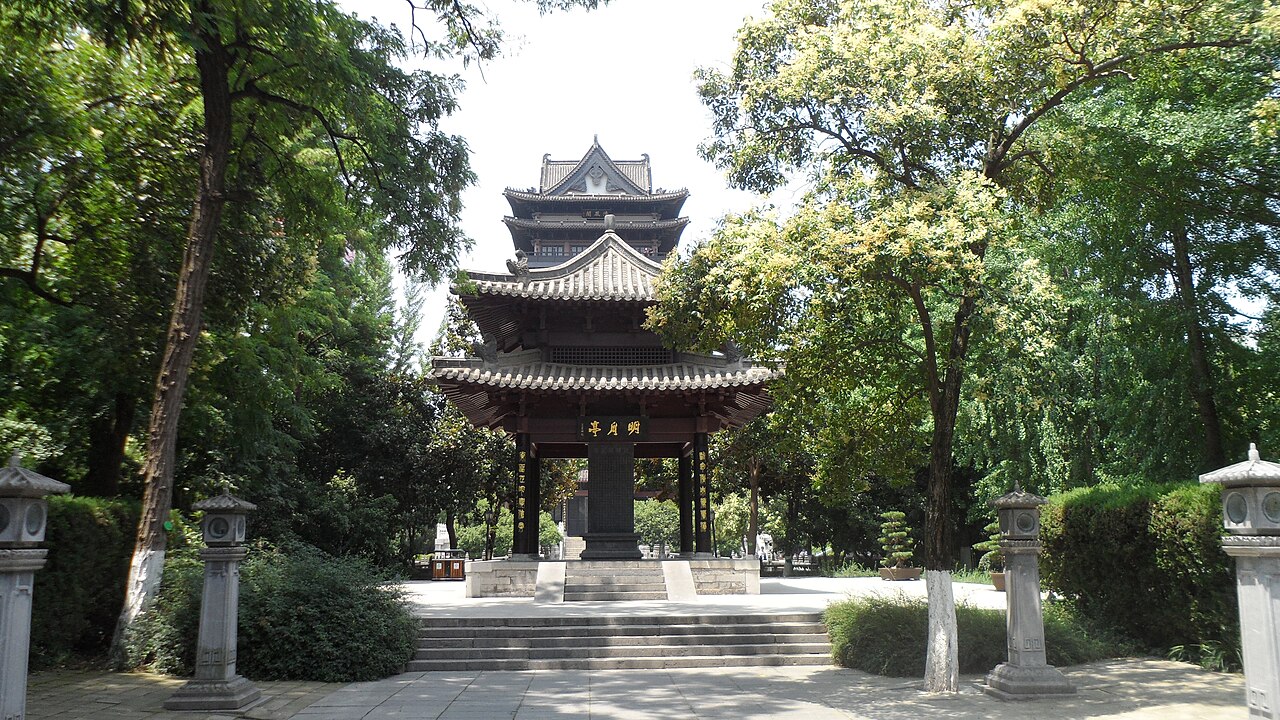
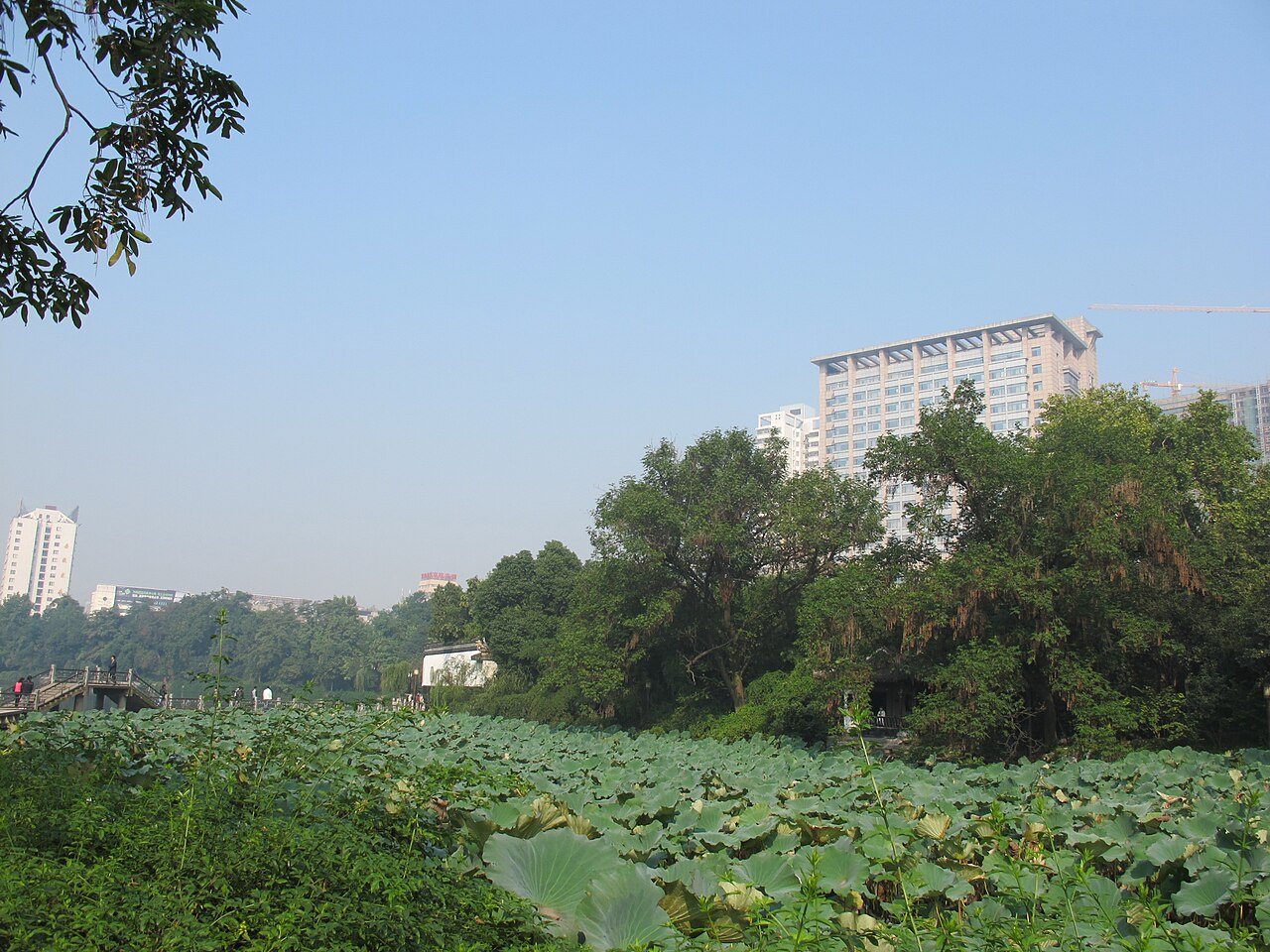
Think of three linked zones rather than one ticket booth. Bao Gong Ci, the ancestral hall complex, holds memorial halls, statues and exhibition rooms that explain Bao Zheng's career and the later folklore that grew around him. Paths along Baohe open onto ponds that fill with lotus in midsummer; the watercourse gives the park its other common name, Baohe Park, in local speech. Qingfeng Pavilion rises above the gardens for a modest city overlook; the climb is short but the view clarifies how green this pocket of the capital still feels among towers and ring roads.
Bao Zheng lived in the eleventh century and served under Emperor Renzong. Historical records describe a stern administrator who refused bribes and took difficult cases; popular culture later turned him into the dark-faced judge of courtroom drama, complete with legendary trials that never appear in Song archives. The park leans into that dual identity. Plaques and halls stress the historical official, while souvenir stalls and tour groups lean toward the opera hero. Reading both layers makes the visit sharper than racing for a single statue photo.
Suggested visit order
Start at the ancestral hall while attention is fresh. Work through the main halls in the order staff or signage suggest, then step out to the lotus ponds for air and photographs. Save Qingfeng Pavilion for late morning or late afternoon light if the sky is clear. Two hours covers the halls and a pond loop; three hours fits slower reading, pavilion photos and a sit by the water. The Hefei guide warns against stacking a full Baohe morning with a rushed Sanhe afternoon unless a car is already waiting; the town sits roughly forty kilometers out in Feixi and needs its own road block.
Tickets, hours and practical hedges
Hall zones and outer parkland can follow different rules. Some paths behave like open urban parkland; memorial halls usually charge or check tickets under the day's official notice. Treat any yuan figure you see on blogs or old screenshots as outdated until you confirm at the window or on the park's published channels. Opening and last-entry times stretch or shrink by season and event. Carry identification if you hope to claim a concession, and ask rather than assume every overseas student card qualifies. Combined tickets with nearby sites appear in some seasons; compare them against a halls-only visit if you already plan Sanhe or the Anhui Museum that week.
Surfaces around ponds stay damp after rain. Flat shoes with grip help more than dress footwear. Summer lotus season is photogenic and muggy; spring and autumn are the comfort windows the city guide prefers for park walking. Winter is grey and better suited to museums than long canal strolls.
Getting there and how long to stay
Metro and city buses reach the Baohe area; exact station names shift with line extensions, so check a live map for "Baogong Park" or "Baohe Park" on the morning you go. Ride-hailing to the park gates is straightforward from Hefei South railway station or the Swan Lake hotel district. Self-driving adds little value once you are inside the ring; parking near popular gates fills early on weekends.
Pair Baogong Park with a nearby lunch, then either rest or continue to Xiaoyaojin Park or the Anhui Museum if rain closes the outdoor plan. Keep Sanhe for a separate day when stone bridges and evening lights matter more than another memorial hall. If modern military history interests you, the Yangtze River Crossing Campaign Memorial Museum sits in Baohe District as an optional twentieth-century chapter; skip it when Song-dynasty Bao Gong lore is the only reason you stopped in the capital.
Season and comfort
April through May and September through October suit walking. July and August bring lotus color and heavy humidity. Plum rains make flagstones slick. Pack sunscreen for open pond edges and a light shell for sudden showers. Evening lights along Baohe can be pleasant after a hot day, yet the ancestral halls themselves are daytime work.
Before you go
- Confirm hall tickets and last entry on the day's official notice.
- Decide early whether Sanhe gets its own day or stays optional.
- Arrive near opening for quieter hall photos on weekends.
- Wear shoes that handle damp stone around the ponds.
- Link the park to the Hefei travel guide itinerary rather than inventing a checklist of every city park.
Frequently asked questions
How long do I need at Baogong Park?
Most travelers spend two to three hours. Rush the main halls in under ninety minutes if the calendar is brutal, then move on.
Is Baogong Park the same as Baohe Park?
Local speech often uses both names for the same civic complex of Lord Bao halls, Bao River gardens and Qingfeng Pavilion. Follow map pins carefully; some apps list one name and show the other.
Can I do Baogong Park and Sanhe in one day?
Only with an early park start and a waiting car. The Sanhe Ancient Town page explains why most visitors give the town its own block.
Do I need to know Chinese opera to enjoy the halls?
No. The historical Bao Zheng story stands on its own. Opera references simply explain why his dark-faced image feels familiar across China.
Sources
Facts in this article were checked against the following sources, retrieved 15 October 2026.
Photos are from Wikimedia Commons under the licences shown in each caption.