Basongcuo, Emerald Water in Nyingchi
Basongcuo, also written Basum Tso or Basong Lake, is the emerald-lake hero for many Nyingchi (Linzhi) itineraries in southeastern Tibet. Forested shores and a small monastery island define the postcard. Elevations commonly sit near 3,500 meters: softer than Namtso headlines, still high enough that rushing from Bayi without a quiet first evening is a bad idea. Foreign travelers need Tibet permits arranged through licensed agencies; invent no DIY independent circuits. The Nyingchi guide protects one lake day and keeps Lulang forest as a separate G318 chapter.
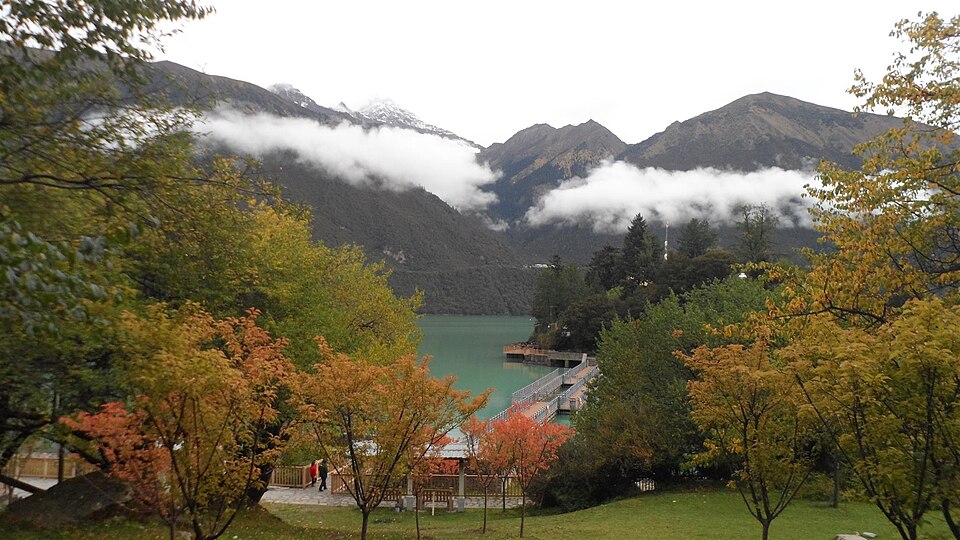
Lake day pacing
Road time from Bayi / Nyingchi city often runs two to three hours depending on stops and weather. Arrive with buffer. Walk shore paths slowly; boat options to the island monastery run only when tickets and conditions allow. One lake day is enough without forcing Yarlung Tsangpo canyon viewpoints the same night. Cloud and rain in July and August can mute the turquoise; clearer autumns are popular for reflection photos. Peach-blossom interest in some Nyingchi valleys is a spring sidebar, not a guarantee at the lake itself.
Tsozong Gongba Monastery on the island is a modest Nyingmapa site in most descriptions; dress respectfully and follow photography rules posted on site. Shore boardwalks and forest edges offer quieter frames when boat queues stretch.
Tickets, boats and hours
Travel listings commonly cite peak-season entrance around 120 yuan with a shuttle add-on around several dozen yuan, and lower off-season entrance figures, sometimes near half. Boat tickets to the island are separate when sold. Treat every yuan amount as a listing snapshot and check the day's official notice before you pay. Opening hours follow scenic-area boards; arrive early enough that altitude and road delays do not push you into a rushed last-entry window.
Permits for foreign visitors are a Tibet-wide requirement handled through agencies, not a ticket you buy at the lake gate alone. Confirm whether your itinerary paperwork already names Basongcuo.
Altitude and pairing with Lulang
Nyingchi marketing sometimes sells "oxygen bar" language. Lower forest cover does not cancel altitude risk. Hydrate, avoid sprinting stairs, and keep a quiet first evening in Bayi before big elevation jumps. Sejila Pass add-ons the same afternoon as a full Basongcuo day are a common headache trigger; keep Lulang for the next day when both are goals.
Yarlung Tsangpo canyon edges are a third logistics layer: spectacular and farther. Cut them on short calendars. Stay in Bayi for hotels unless dawn meadow light at Lulang is the explicit thesis for an overnight move.
Season and comfort
Southeastern Tibet is wetter and greener than the central plateau. Rainy-season cloud hides mountain backdrops; UV remains strong on clear days. Winter is quieter and cold at passes. Bring layers, sun protection and any personal medication you use for altitude after consulting a clinician before the trip. Do not treat over-the-counter advice in this article as medical guidance.
Stone-pot chicken and Tibetan plates appear near popular food stops on the wider Nyingchi loop; confirm set prices at the table. Invent no menu yuan claims here.
Island monastery and shore etiquette
Boats to the monastery island, when operating, are short crossings that still deserve life-jacket and capacity rules posted by the operator. Queues build late morning in peak season; early tickets help if the island is your priority. On shore, stay on boardwalks where restoration fencing protects vegetation. Drone rules in Tibetan scenic areas are often strict; assume ban unless a posted permit says otherwise.
Drivers from Bayi sometimes sell same-day canyon add-ons. Politely decline if your head already aches or clouds have erased the lake color. A second quiet hour on the shore usually beats a fogged canyon viewpoint after dark. Keep emergency contacts from your agency handy; independent hitchhiking is not a substitute for permitted transport in Tibet.
Before you go
- Arrange Tibet travel permits through a licensed agency if you are a foreign visitor.
- Protect a full lake day with road buffers.
- Acclimatize a quiet evening before the lake if you just flew in.
- Keep Lulang and canyon viewpoints off the same exhausted evening.
- Recheck tickets, boat status and weather the morning you go.
Frequently asked questions
How high is Basongcuo?
Commonly cited around 3,480–3,500 m. Pace yourself even if you feel fine at first.
How long from Bayi?
Often about two to three hours by road. Build slack.
Same day as Lulang?
Possible as a long grind, weak for enjoyment. Separate days are the honest plan.
Do foreigners need permits?
Yes for Tibet travel generally, arranged via licensed agencies. Confirm Nyingchi stops on your paperwork.
Sources
Facts in this article were checked against the following sources, retrieved 14 October 2026.
- Basum Tso / Basongcuo tourism summaries (cross-checked)
- Nyingchi travel guide on this site
- Lulang forest sibling page
Photos are from Wikimedia Commons under the licences shown in each caption.