Lhasa Travel Guide: Temples, Palaces and Altitude in Four Days
Lhasa takes four days if you include Namtso Lake and three if you don't, and the first of those days should be spent doing almost nothing. The city sits at 3,663.5 metres, and the visitors who have the worst time are the ones who land and climb the Potala the same afternoon. Spend day one on the flat old town, the Barkhor circuit and a teahouse; give day two to the Potala Palace and Norbulingka; day three to the monasteries of Drepung and Sera; and day four, if you feel well, to the long drive to Namtso. Two sites need advance booking: the Potala (ten days ahead in peak season) and the Jokhang (one day ahead). Foreign visitors also need a Tibet Travel Permit arranged by a licensed agency, and travel with a guide, so book the agency before you book anything else.
Lhasa, "place of the gods" in Tibetan, has been the centre of Tibetan religious and political life since the seventh century, when Songtsen Gampo unified Tibet, moved his capital here and married Princess Bhrikuti of Nepal and Princess Wencheng of Tang China. Both the Jokhang and the first palace on the Potala's hill date from his reign. The city also gets over 3,000 hours of sunshine a year, which is why it is called the City of Sunlight, and why sunglasses and sunscreen are on every packing list.
Getting in and where to stay
By air, Lhasa Gonggar Airport is about an hour's drive southwest of the city, with flights from Chengdu, Chongqing, Beijing, Xi'an and other cities. Flying is fastest but drops you onto the plateau in a few hours.
By train, the Qinghai–Tibet Railway brings Z-series trains from Beijing, Shanghai, Guangzhou, Chongqing, Chengdu and Xining. From Xining the ride takes about twenty-two hours. The slow climb helps some people adjust, but you spend a long time at altitude on the train, and it is no guarantee against altitude sickness.
Permits: foreign visitors need a Tibet Travel Permit, obtained through a licensed Tibetan travel agency, to board a flight or train to Lhasa, plus additional permits for areas outside the city such as Namtso. Your agency also books the Potala and Jokhang with your passport details. Check the current rules when you start planning.
Where to stay: in or near the old town, around the Barkhor and Beijing Middle Road. You can walk to the Jokhang and teahouses, and the Potala is a short taxi ride. Choose a hotel that can supply oxygen in rooms if anyone in your group is worried about the altitude.
When to come
Lhasa's annual average temperature is about 8°C, but the daily swing matters more than the average: warm in the sun, cold the moment it sets.
- May to June: dry, sunny, warming up. Good for the city; Namtso is still thawing until around mid-June.
- July to September: the rainy season, when most of the year's roughly 500 millimetres falls, largely at night. Days are often clear. This is the peak season for visitors and when Potala slots are hardest to get.
- October: clear, crisp and quieter after the National Day holiday. One of the best months.
- November to April: cold and dry, sunny by day. Potala tickets are half price, and the regional "Winter Tour" promotions have in past seasons made some sites free or cheaper. Fewer tourists and more rural pilgrims.
Strong UV is a year-round fact. Bring a hat, sunglasses and high-factor sunscreen whatever the month.
Places worth visiting
Potala Palace
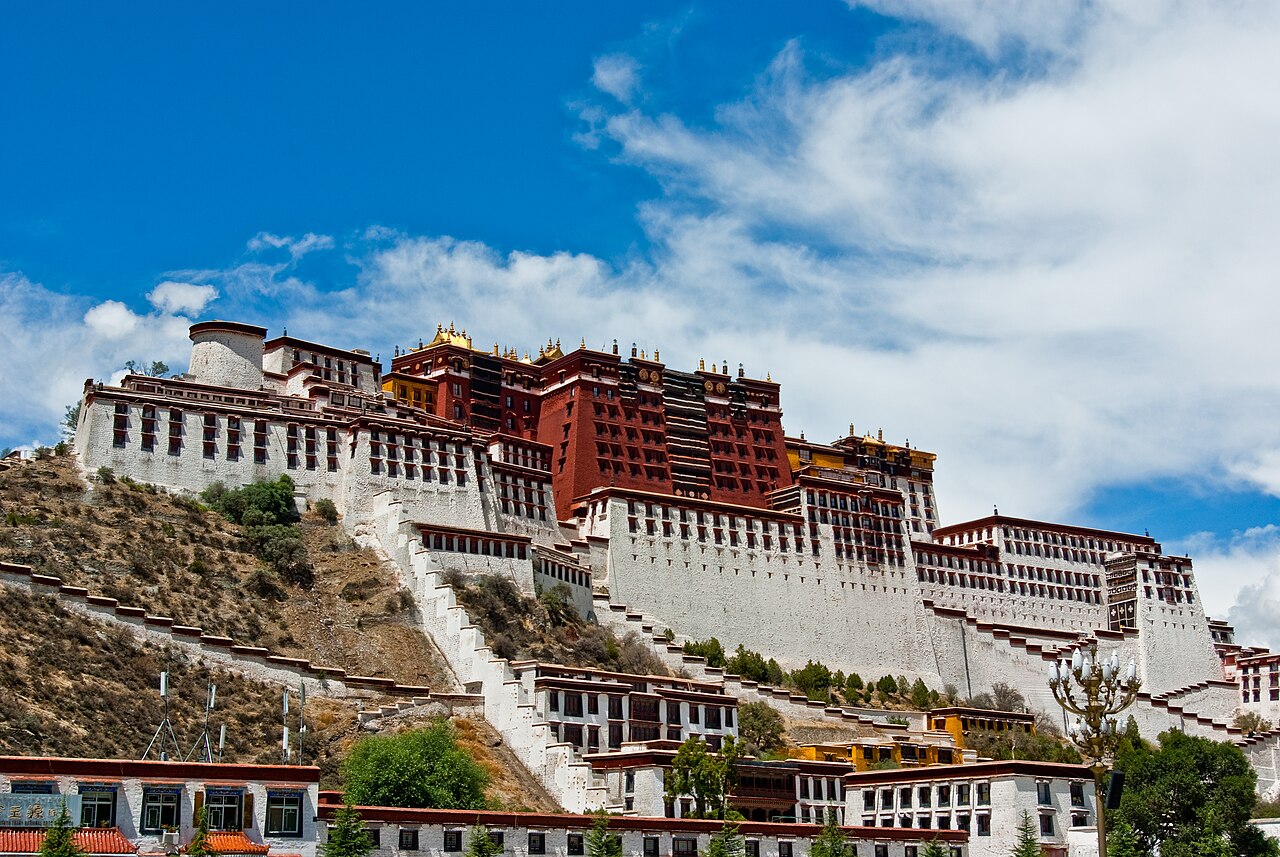
The palace you see on Red Hill is the Fifth Dalai Lama's: he began rebuilding in 1645 on the ruins of Songtsen Gampo's palace, the White Palace was finished in three years, and the Red Palace, which holds his reliquary stupa, was essentially complete by 1693. It is 117.2 metres tall and 360 metres long, nine storeys that look like thirteen, with close to 10,000 rooms. Successive Dalai Lamas used it as their winter palace. It was on China's first list of protected relics in 1961 and became a World Heritage site in 1994.
Booking is the key. In the 2026 peak season (1 May to 31 October), Route 1 cost 200 yuan and Route 2 100 yuan, booked ten days ahead through the official WeChat booking system; from 1 November prices halve and booking opens seven days ahead. A separately ticketed Shol route through the old town at the foot of the palace opened on 20 September 2026. The full booking steps are on the Potala Palace page.
Jokhang Temple
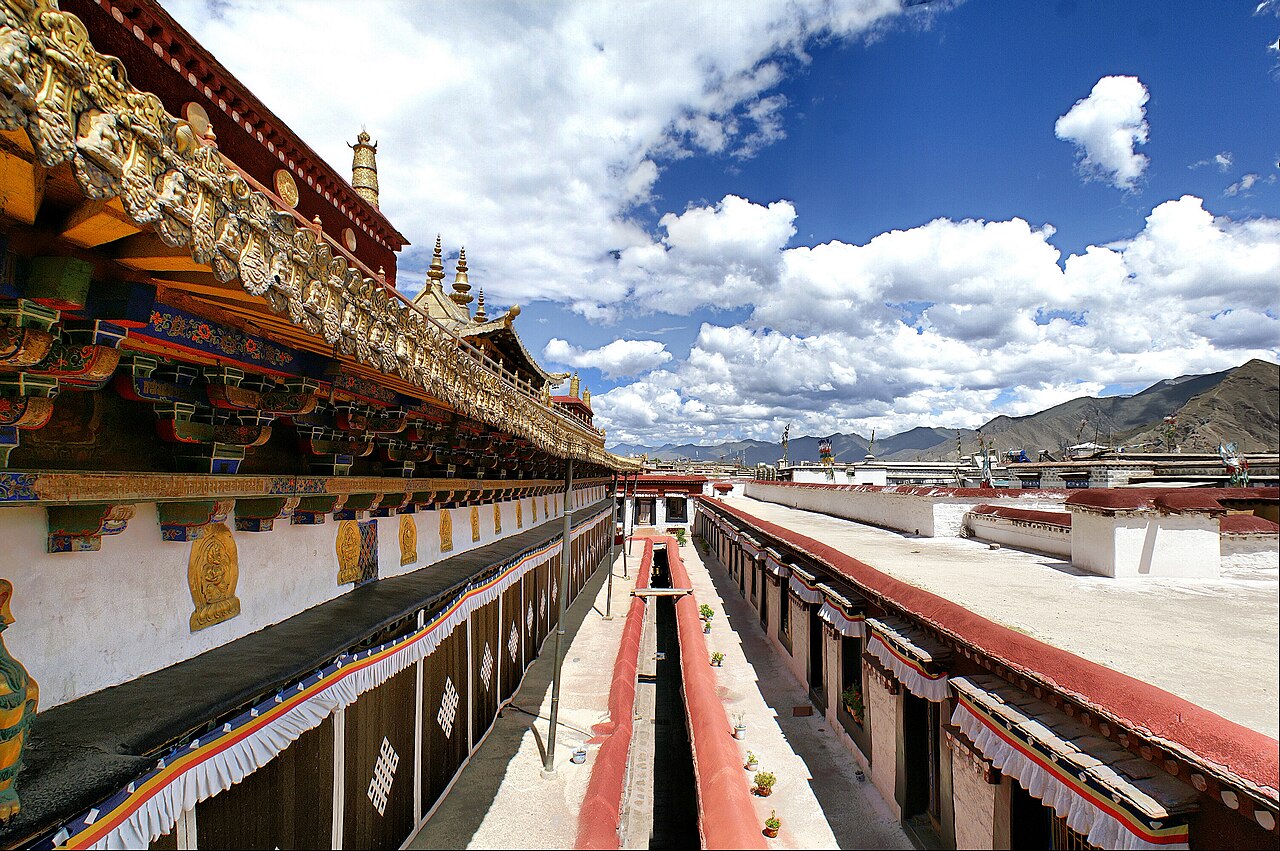
The Jokhang is the holiest temple in Tibet and the reason most pilgrims come to Lhasa. Built in the seventh century, it now houses the Jowo Sakyamuni statue that tradition says Princess Wencheng brought from Tang China. In 1409 Tsongkhapa held the first Great Prayer Festival here. The temple covers more than 25,000 square metres and joined the Potala's World Heritage listing in 2000. Reserve a day ahead through the temple's WeChat mini-program; morning entry is by time slot and you pay at the gate on the day. Go up to the roof for the view toward the Potala. Booking and chapel order are on the Jokhang Temple page.
Barkhor Street
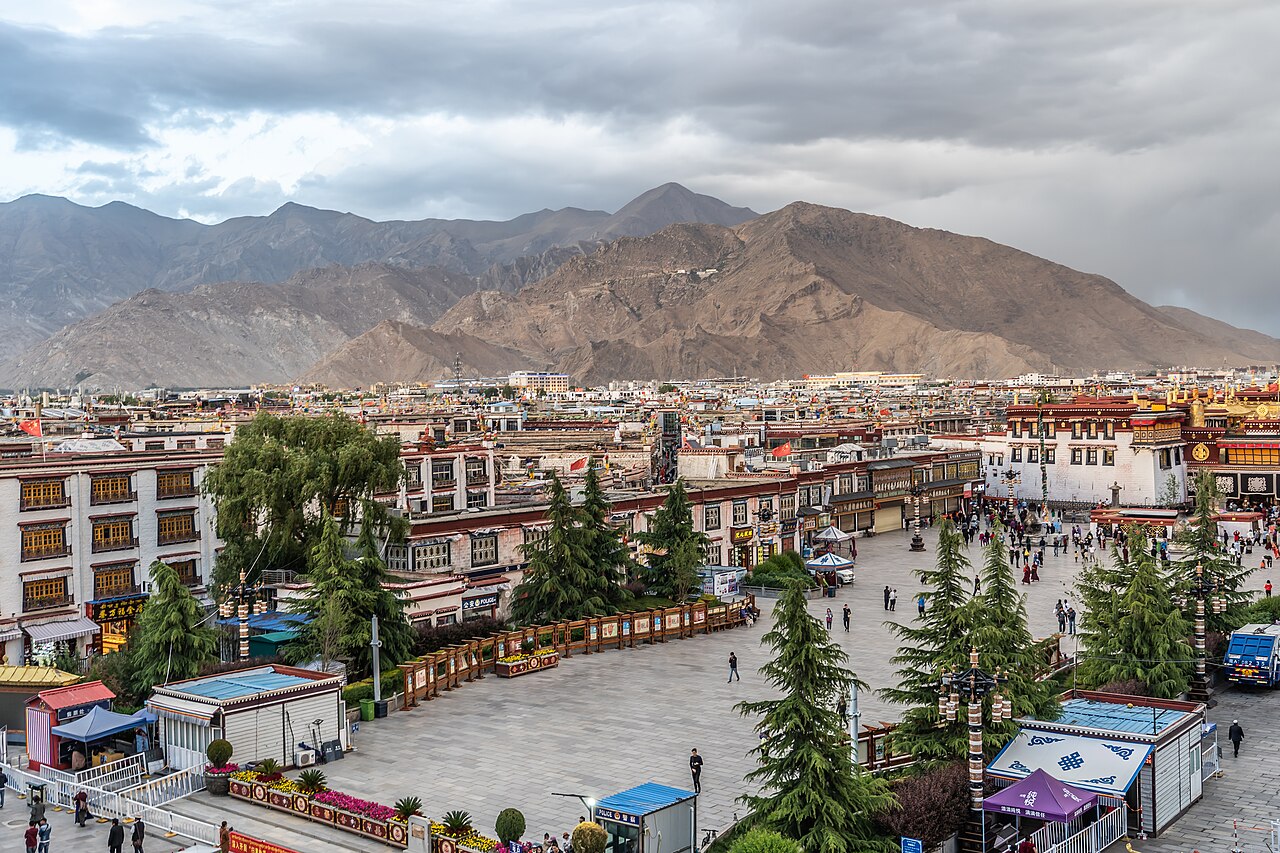
The Barkhor is the pilgrim circuit around the Jokhang, a loop of four streets a little over a kilometre long that formed as people walked around the temple from the seventh century on. It is free and open all the time. Walk clockwise with the pilgrims, early in the morning to see the kora as daily practice, or late afternoon for softer light. The shops sell thangkas, prayer wheels and jewellery of every quality; compare before you buy. Timing, etiquette and teahouses are on the Barkhor Street page.
Norbulingka
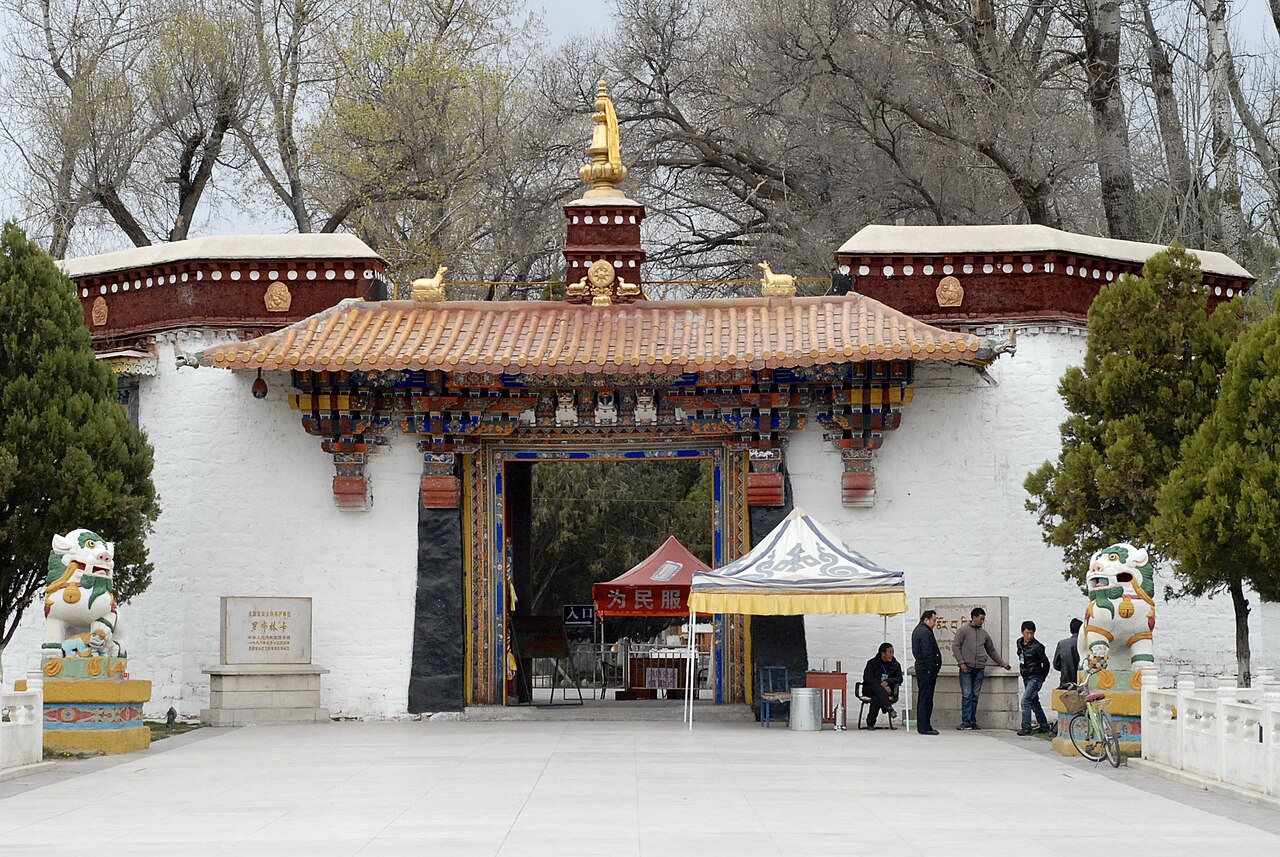
Norbulingka, the "Jewel Park", is the summer palace garden two kilometres west of the Potala. The Seventh Dalai Lama built its first palace in 1751, and later rulers added a lake, the Golden Phodrang (1922) and the New Palace (1954). It covers about 360,000 square metres and is the largest man-made garden in Tibet, part of the World Heritage listing since 2001. It is flat and shaded, which makes it the right afternoon after the Potala's stairs. Tickets were 60 yuan from March 2026. During the Shoton Festival in late summer it fills with Tibetan opera. Details are on the Norbulingka page.
Sera Monastery
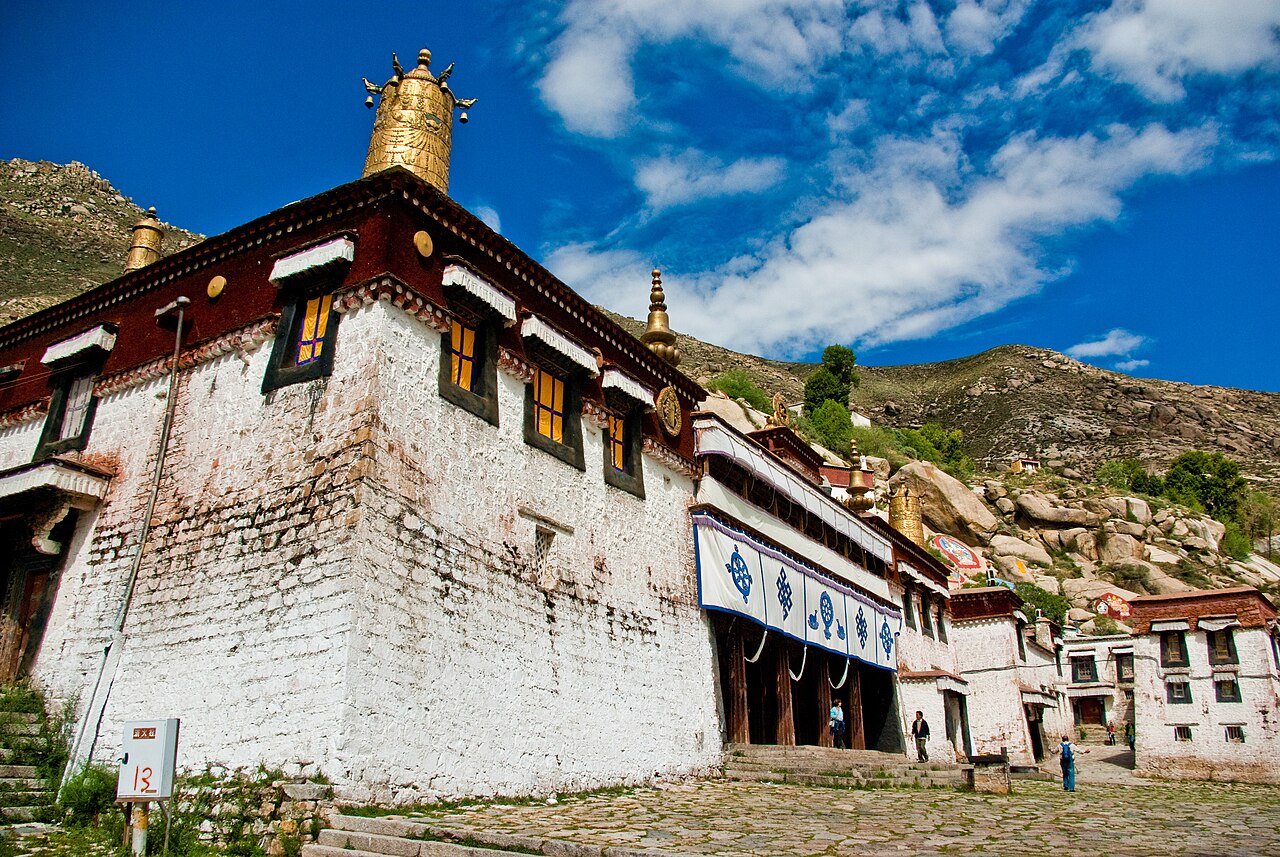
Sera, on the city's northern edge, was founded in 1419 by Jamchen Chöje, a disciple of Tsongkhapa, and once had an allotment of about 5,500 monks. Visitors come for the afternoon debates, held in a tree-shaded courtyard where monks question each other in pairs and punctuate each point with a loud clap. Debate is usually in the afternoon, commonly from around 15:00, but not every day. Tickets are sold at the gate with no booking. How to watch without intruding is on the Sera Monastery page.
Drepung Monastery
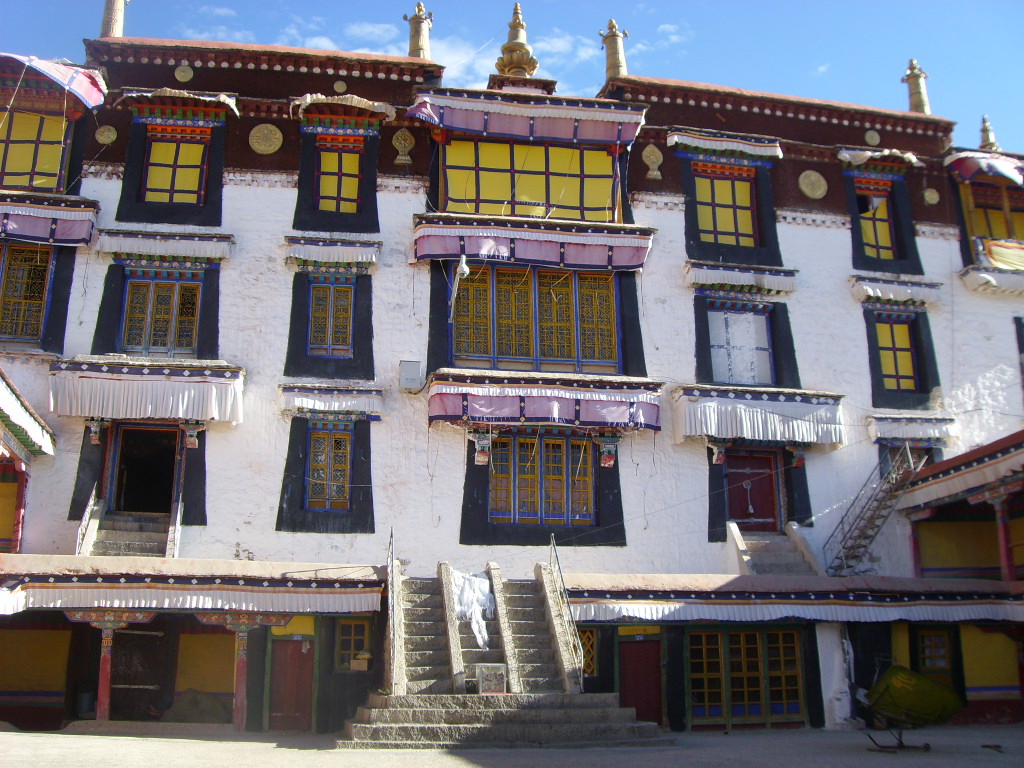
Drepung, five kilometres west of the city, was founded in 1416 and was the largest of Lhasa's three great Gelug monasteries, its white buildings spread up the hillside like a heap of rice, which is what the name means. Its Ganden Phodrang was the residence of the Dalai Lamas before the Potala, and the Tibetan government took its name from it. On the opening morning of the Shoton Festival a giant thangka is unrolled on the hill above. Allow two to three hours and go in the morning. The route through the halls is on the Drepung Monastery page.
Namtso Lake
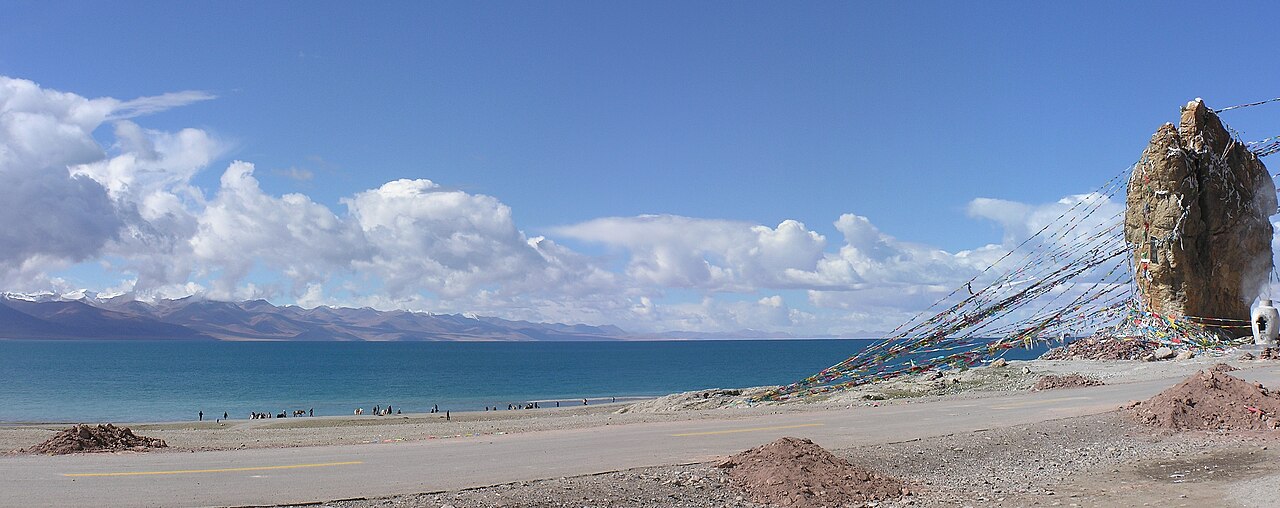
Namtso, the "heavenly lake", lies about 100 kilometres north of Lhasa at 4,718 metres, more than 1,900 square kilometres of water with the snow peaks of the Nyenchen Tanglha range along its south shore. It is one of Tibet's three holy lakes. The day trip takes about four hours each way over the 5,190-metre Nagen La pass. The lake freezes in winter and fully thaws around mid-June; July and August are greenest. Go only after two or three days in Lhasa. Tickets, timing and when to turn back are on the Namtso Lake page.
Altitude: the rules that actually help
Most first-time visitors feel the altitude: a headache, breathlessness on stairs, poor sleep for the first night or two. What helps:
- Rest on arrival day. Walk slowly, don't run for photos, and don't shower in very hot water the first evening.
- Drink plenty of water, eat moderately and skip alcohol for the first two days.
- Put the most strenuous sight, the Potala, on day two or three, and Namtso last.
- If symptoms get worse instead of better, or you feel confused or breathless at rest, see a doctor. Lhasa's hospitals deal with altitude sickness every day.
- Anyone with heart or lung conditions, and pregnant women, should get medical advice before travelling.
Eating in Lhasa
Tibetan noodle soup, firm noodles in yak-bone broth with a few slices of beef, is the everyday lunch, and with a glass of sweet milk tea it makes a full meal for very little. Guangming Teahouse, just off the Barkhor, is the classic place to try both, at long shared benches. Butter tea is the salty, rich version Tibetans drink at home with tsampa, roasted barley flour kneaded into small balls by hand. Yak meat appears dried, in stews, and on rice. Momos, Tibetan dumplings, are another safe order.
Makye Ame, at the southeast corner of the Barkhor, is the well-known Tibetan restaurant with a terrace looking toward the Potala; it is busy and priced for visitors. For something quieter, any small teahouse in the alleys does the same dishes for less. Go easy on rich food and alcohol until you have adjusted.
How to arrange the route
Day one: arrive and rest. Check in, drink water and sleep if you can. In the late afternoon, walk one slow clockwise circuit of the Barkhor and sit in a teahouse. Early dinner, early bed.
Day two: palaces. Potala Palace on your booked morning slot (two to three hours for Route 1), then the classic photograph from Chakpori (Yaowang Hill). Lunch, then a taxi to Norbulingka for a flat afternoon in the gardens.
Day three: monasteries. Drepung in the morning, lunch back in town, Sera in the afternoon in time for the debate.
Day four: Namtso. Leave around 7:00, reach the lake around noon, start back by 15:00 or 16:00 and be in Lhasa before dark.
Fitting in the Jokhang: afternoon entry needs no time slot, so if you feel fine on day one, go in after your Barkhor walk with a reservation made the day before. Otherwise swap it in for Norbulingka on day two.
With three days, drop Namtso. With elderly relatives or young children, add a rest day after arrival and consider skipping Namtso altogether.
What to cut if short on time
Cut in this order: Namtso (a long drive at a much higher altitude), then one of the two monasteries (keep Sera if you want the debate, Drepung for scale), then Norbulingka. Keep the Potala, the Jokhang and the Barkhor; they are the core of any Lhasa trip.
Going further
Beyond Lhasa, Shigatse has Tashilhunpo Monastery and is the base for Everest Base Camp, which is a separate multi-day expedition. Shannan holds the Yarlung Valley, with Yumbulagang and Samye. Nyingchi is lower and greener, with Basongcuo lake. Nagqu covers the northern plateau, Qamdo the eastern Kham region, and Ngari the far west and Mount Kailash. Most overland trips start from Chengdu, Chongqing or Xining, the last being where the Qinghai–Tibet Railway begins its climb.
Confirm before you go
- Permits: foreign visitors need a Tibet Travel Permit through a licensed agency, plus extra permits for Namtso and areas outside Lhasa.
- Potala: book ten days ahead from May to October, seven days ahead from November to April, on the official WeChat system only.
- Jokhang: reserve one day ahead; morning entry is by time slot.
- Sera debate: not held every day. Check with your guide.
- Namtso: acclimatise in Lhasa first; road and weather can close it.
- Winter promotions: between November and March, check which sites are free or discounted under the current "Winter Tour" policy.
- Etiquette: walk clockwise around temples, take your hat off inside, keep your voice down and ask before photographing people.
Frequently asked questions
How many days do I need in Lhasa?
Four days with Namtso, three without. The first day should be spent resting.
When is the best time to visit Lhasa?
May to October for warmth and open roads. October is clear and less crowded than the July and August peak. Winter is sunny, cold and quiet, with half-price Potala tickets.
How do I book the Potala Palace?
Through the official Potala Palace WeChat booking system, ten days ahead in peak season and seven in the low season. Foreign visitors usually book through their agency.
How bad is the altitude in Lhasa?
At 3,663.5 metres, most people feel some headache or breathlessness for a day or two. Rest on arrival, drink water, avoid alcohol and see a doctor if symptoms worsen.
Is Namtso worth the drive?
For most people with a fourth day, yes. It is a long day for a few hours at a lake 4,718 metres high, so go only once you have adjusted in Lhasa.
How do I get to Lhasa?
Fly into Gonggar Airport, an hour from the city, or take the Qinghai–Tibet Railway from Xining (about twenty-two hours) or from other major cities.
Sources
The history and figures in this guide were checked against the following Chinese Wikipedia entries, retrieved August 27, 2026. Ticket and booking rules come from the official notices listed, checked October 13, 2026.
- Lhasa (city) https://zh.wikipedia.org/wiki/拉萨市
- Potala Palace https://zh.wikipedia.org/wiki/布达拉宫
- Jokhang Temple https://zh.wikipedia.org/wiki/大昭寺
- Barkhor Street https://zh.wikipedia.org/wiki/八廓街
- Norbulingka https://zh.wikipedia.org/wiki/罗布林卡
- Sera Monastery https://zh.wikipedia.org/wiki/色拉寺
- Drepung Monastery https://zh.wikipedia.org/wiki/哲蚌寺
- Namtso Lake https://zh.wikipedia.org/wiki/纳木错
- Potala Palace Administration, 2026 peak-season notice: https://wlt.xizang.gov.cn/xwzx_69/tzgg/202604/t20260424_536658.html
- Potala Palace Administration, Shol route notice, September 2026: http://wlt.xizang.gov.cn/xccx/lytg/202609/t20260916_559291.html
- Tibet Department of Culture and Tourism, summer booking guide for Lhasa sites, July 2026: https://wlt.xizang.gov.cn/xccx/lytg/202607/t20260720_550689.html
- Norbulingka ticket notice, March 2026: https://wlt.xizang.gov.cn/xccx/lytg/202603/t20260313_529254.html
All photos are from Wikimedia Commons, used under CC licenses; re-use requires attribution.
- lhasa-potala.jpg from File Potala palace23.jpg, by Antoine Taveneaux, taken August 2009, CC BY-SA 3.0
- lhasa-jokhang.jpg from File Jokhang Temple August 6.jpg, by search255, taken August 6, 2009, CC BY 3.0
- lhasa-barkhor.jpg from File Barkhor Square - 48039603157.jpg, by Stan Adam, taken May 28, 2019, Public domain
- lhasa-norbulingka.jpg from File Entrance to Norbulingka in 2012.jpg, by Charlie fong, taken April 10, 2012, CC BY-SA 4.0
- lhasa-sera.jpg from File Sera Monastery4.jpg, by Antoine Taveneaux, taken 2009, CC BY-SA 3.0
- lhasa-drepung.jpg from File Ganden Phodrang.JPG, by Inhorw, taken May 29, 2009, CC BY-SA 3.0
- lhasa-namtso.jpg from File Namtso-and-holy-rock.jpg, by Peter Vigier, taken September 24, 2005, CC BY 2.5