Baotou Travel Guide: Wudangzhao Monastery, City Grassland and a Steel-City Base
Baotou is Inner Mongolia's second-largest city by urban population, a Yellow River steel and rare-earth hub with long industrial avenues. The reason most leisure travellers stop is Wudangzhao (Guangjue Temple), a major Tibetan Buddhist monastery complex in the Yinshan foothills of Shiguai District. Saihantala, the in-city grassland, is a short green walk for an arrival evening — not a substitute for open steppe farther out. Give the monastery its own half to full day.
Monastery quiet versus city scale
Wudangzhao's white halls climb a valley without a single Chinese-style central axis. Allow road time from downtown and walking time between halls. Photography rules inside chapels follow the site notice. Saihantala is useful with children or after a late train; it will not feel like Xilamuren prairie. Distant dune parks such as Xiangshawan and open prairie at Xilamuren sit on different calendars — leave them for another itinerary after a late monastery return.
West along the Yellow River, Wuhai offers rock art and overlooks; farther into the Hetao plain, Bayannur centres on Wuliangsuhai wetlands. Rail and air also link Hohhot and the Ordos corridor.
When to come to Baotou
The climate is continental: cold winters, warm summers, large day-night swings. May–June and September suit monastery walking. Winter is harsh for hill paths; summer UV on grassland is strong. Pack layers even in July, and a wind shell for the valley at Wudangzhao.
Getting in and where to stay
Baotou has airports and railway stations serving western Inner Mongolia. Read station names (east/west) on tickets carefully. Confirm bus or taxi timing to Wudangzhao in Shiguai District the night before; the road is not a short urban hop.
Stay in central Baotou for dining and onward transport. Monastery-area lodging only makes sense if you want dawn halls and have confirmed returns.
Places worth visiting
Wudangzhao
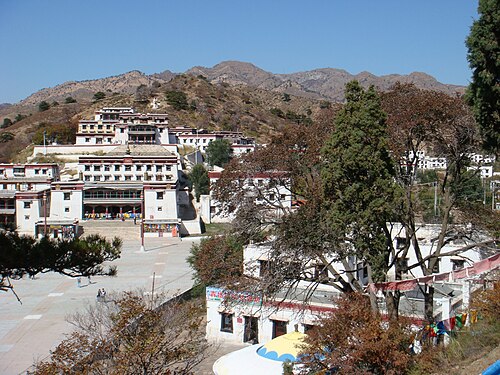
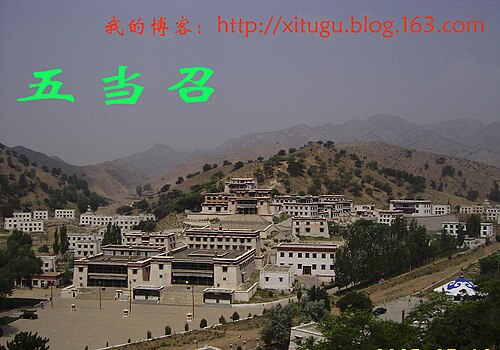
Walk from the lower approach paths up through the main assembly halls, then quieter side chapels if they are open. The complex is often compared to a smaller Potala-style silhouette on the hills. Tickets and chapel access follow the official notice for the day; dress for wind. Half a day covers the main halls; a full day is better if you like monastery architecture.
Saihantala and the city
Saihantala is a 1–2 hour urban park experience — keep it for arrival evening or a soft morning. City museums work as rainy-day or winter substitutes when modern Baotou history is the thread. Skip industrial showcase tours if monastery and grassland already fill two days.
Yellow River edge
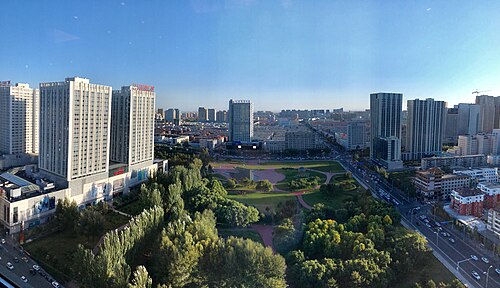
Short dusk viewpoints along the Yellow River edge repay a clean-light evening. They are not a full day's outing.
Eating in Baotou
Mongolian and northern Chinese tables dominate: lamb shaomai, offal soups, roasted meats and milk tea. Portions run large; share dishes. Busy local shaomai shops beat empty hotel banquet halls.
How to arrange the route
- Day one: arrive; Saihantala walk; evening lamb dinner.
- Day two: Wudangzhao full visit.
- Day three: museum or Yellow River edge, or rail toward Hohhot / Ordos.
With one day only, go straight to Wudangzhao.
What to cut if short on time
Cut industrial showcase tours first. Cut distant desert or prairie add-ons unless that is the whole trip. Keep Wudangzhao; add Saihantala only if you have a spare evening.
Things to confirm before you go
- Wudangzhao hours and chapel photo rules on the official notice.
- Transport time from your hotel to Shiguai.
- Wind layers and sunscreen.
- Winter road ice on monastery approaches.
- Correct railway station names on tickets.
Frequently asked questions
How many days for Baotou?
One full day for Wudangzhao; two if you add grassland and museums.
Wudangzhao or Hohhot temples?
Wudangzhao is Baotou's signature monastery trip; Hohhot has its own temple cluster. Choose by where you sleep.
What should you eat?
Lamb shaomai once and a bowl of milk tea; stop before banquet fatigue.
Sources
The facts in this article were checked against the following Wikipedia and encyclopedia entries, retrieved September 17, 2026, and rechecked on October 15, 2026.
- Baotou https://en.wikipedia.org/wiki/Baotou
- Wudangzhao https://en.wikipedia.org/wiki/Wudangzhao
- Baotou (Chinese) https://zh.wikipedia.org/wiki/包头市
Entry fees change; check the current notice before you travel.
All photos are from Wikimedia Commons, used under CC licenses; re-use requires attribution.
- baotou-wudangzhao.jpg from File:鸟瞰五当召.JPG, by 霧島聖, CC BY-SA 4.0
- baotou-wudangzhao-view.jpg from File:五当召 - panoramio.jpg, by 天王星, CC BY-SA 3.0
- baotou-city.jpg from File:Baotou, Inner Mongolia.jpg, by Nickm57, CC BY-SA 4.0