Chaozhou Travel Guide: Guangji Bridge, Kaiyuan Temple and Paifang Street
Chaozhou (Teochew) is a prefecture-level city in east Guangdong on the Han River, bordering Shantou. Appetite versus architecture is the real planning choice: Teochew food can fill every hour, while Guangji Bridge, Kaiyuan Temple and Paifang Street need daylight walking time. Protect one bridge morning and one temple block. Stay in the old-town belt for evening snack loops.
Bridge, temple and snack streets
Guangji Bridge is the river hero — pontoon history and city views need unhurried looking; opening segments follow official notice. Kaiyuan Temple is the Buddhist architecture half-day. Paifang Street is for memorial arches and continuous snacking, not a race. Thin museum add-ons are optional rain fillers.
When to come to Chaozhou
East Guangdong subtropical climate: hot humid summers, mild winters, typhoon risk in season. October–April is the most comfortable walking stretch. Summer midday heat on open bridges is fierce.
Getting in and where to stay
High-speed rail serves the Chaoshan region; confirm whether your ticket ends at Chaozhou, Chaoshan or Shantou stations. Local buses and taxis cover the old town. Stay near Paifang / Kaiyuan for walkable evenings.
Places worth visiting
Guangji Bridge
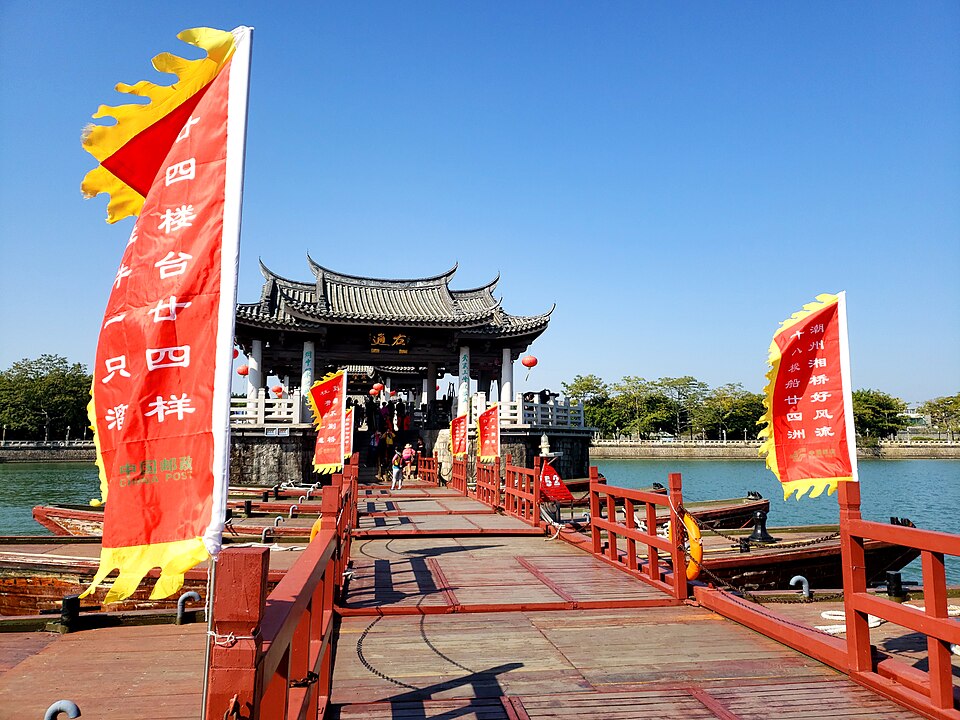
Walk the open segments in softer morning or late light. Tickets and which pontoon sections are open follow the day’s notice.
Kaiyuan Temple
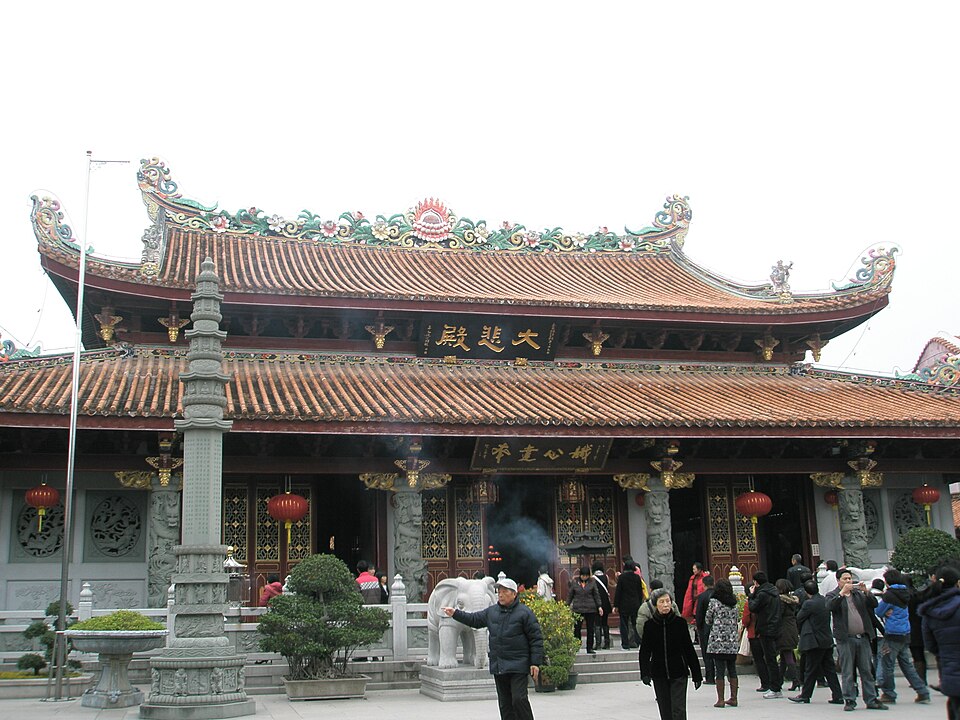
Give halls time; dress respectfully. Pair with Paifang Street the same afternoon if energy holds.
Paifang Street and food
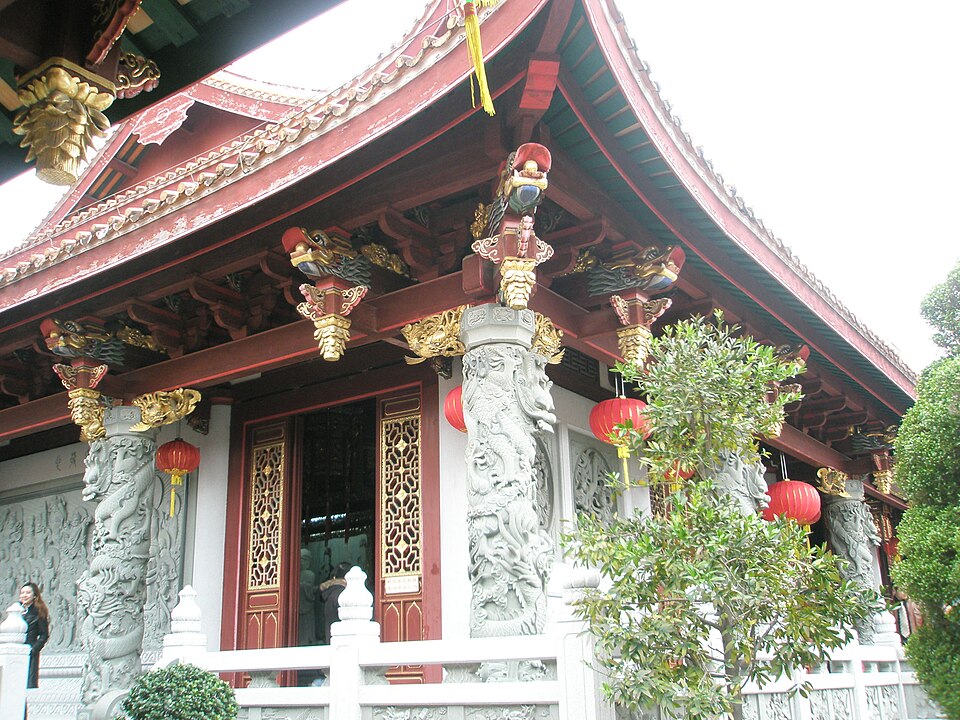
Snack continuously rather than booking a separate “food tour” hour. Skip a thin museum if bridge and temple already filled the day.
Eating in Chaozhou
Teochew beef hotpot, oyster omelettes, rice rolls, sweet desserts and Chaozhou kung fu tea. Follow packed rooms; agree hotpot set prices before ordering large tables.
How to arrange the route
- Day one: Guangji Bridge; Kaiyuan Temple; Paifang Street evening.
- Day two: slower food loop or a second old-town walk; rail toward Shantou if continuing.
What to cut if short on time
Cut secondary museums first. Cut a second snack street if Paifang already filled the evening. Keep bridge plus temple as the culture core.
Things to confirm before you go
- Bridge opening segments on the official notice.
- Correct Chaoshan-area station on your ticket.
- Heat and typhoon forecasts in summer.
Frequently asked questions
How many days for Chaozhou?
Two days covers bridge, temple and serious eating; three if you slow down.
Bridge or temple if only one morning?
Guangji Bridge for the river icon; Kaiyuan for temple architecture.
What must you eat?
One beef hotpot meal and a Paifang Street snack loop; stop before banquet fatigue.
Sources
The facts in this article were checked against the following Wikipedia and encyclopedia entries, retrieved September 17, 2026, and rechecked on October 15, 2026.
- Chaozhou https://en.wikipedia.org/wiki/Chaozhou
- Guangji Bridge https://en.wikipedia.org/wiki/Guangji_Bridge
- Kaiyuan Temple (Chaozhou) https://zh.wikipedia.org/wiki/开元寺_(潮州)
Tickets change; this article does not invent yuan amounts.
All photos are from Wikimedia Commons, used under CC licenses; re-use requires attribution.
- chaozhou-guangji-bridge.jpg from File:Chaozhou Guangji Bridge 20191211.jpg, by Akira CA, CC BY-SA 3.0
- chaozhou-kaiyuan.jpg from File:Kaiyuan Temple of Chaozhou 2010.jpg, by Polar1, CC BY 3.0
- chaozhou-kaiyuan-corner.jpg from File:Corner in the Kaiyuan Temple of Chaozhou.jpg, by Polar1, CC BY 3.0
- chaozhou-paifang.jpg from File:Arch street of Chaozhou1.jpg, by Polar1, CC BY 3.0