Haikou Qilou Streets, Arcades of the Island Capital
Haikou's qilou streets are the reason to give the Hainan capital its own half-day before any train south to Sanya. Qilou means arcade shophouses: upper floors project over the sidewalk so rain and sun stay off walkers while ground floors stay open for trade. The densest restored lanes sit around Zhongshan Road, Bo'ai Road, Deshengsha, Xinhua and nearby Changdi edges. Overseas Hainanese returning from Southeast Asia shaped much of the early twentieth-century look, mixing Chinese, Western and Nanyang details on facades that still carry stucco flourishes. In 2009 the district entered China's first list of Famous Historical and Cultural Streets. The Haikou guide treats these arcades as the in-city personality check: food, shade and street texture, not a resort clone.
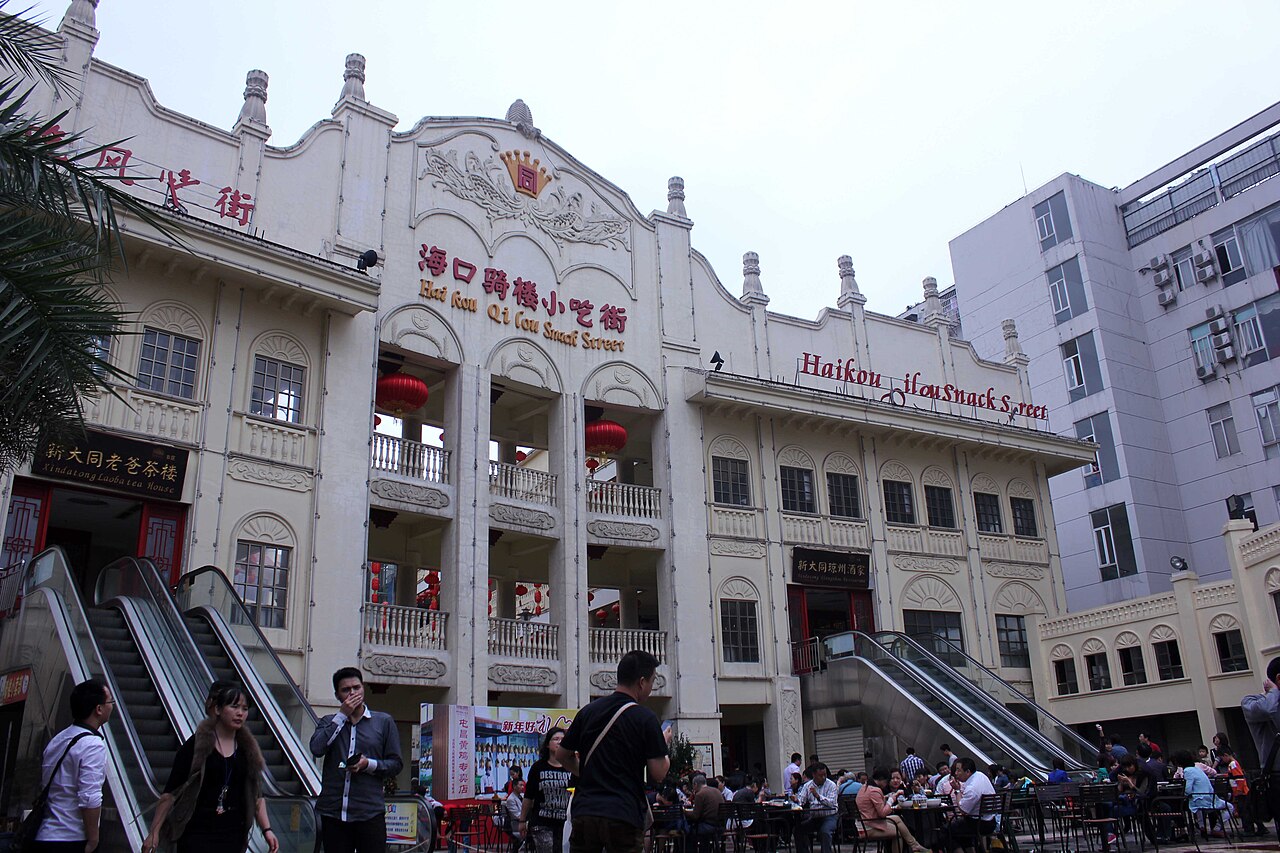
How to walk the lanes
Start in the Bo'ai historic arcade zone, then drift into Zhongshan restorations without turning lunch into a checklist. Look up: upper cornices and window frames are the exhibit. Look down: snack stalls, herbal dessert shops, coffee counters and small museums rotate through renovated ground floors. Tianhou Palace and intangible-heritage craft spaces appear on some blocks when open. The riverside clock tower is a short walk for a harbor-edge photo once you finish the densest lanes.
Street walking itself is free and effectively always open as public roads. Individual shops, museums and tea rooms keep their own hours. Morning breakfast sets and evening snack crowds are the two liveliest windows; midday heat pushes people under the arcades, which is exactly what the architecture was built for. One to two hours covers a highlight loop; three hours fits a proper meal, slow photography and a second pass after dark when signboards light up.
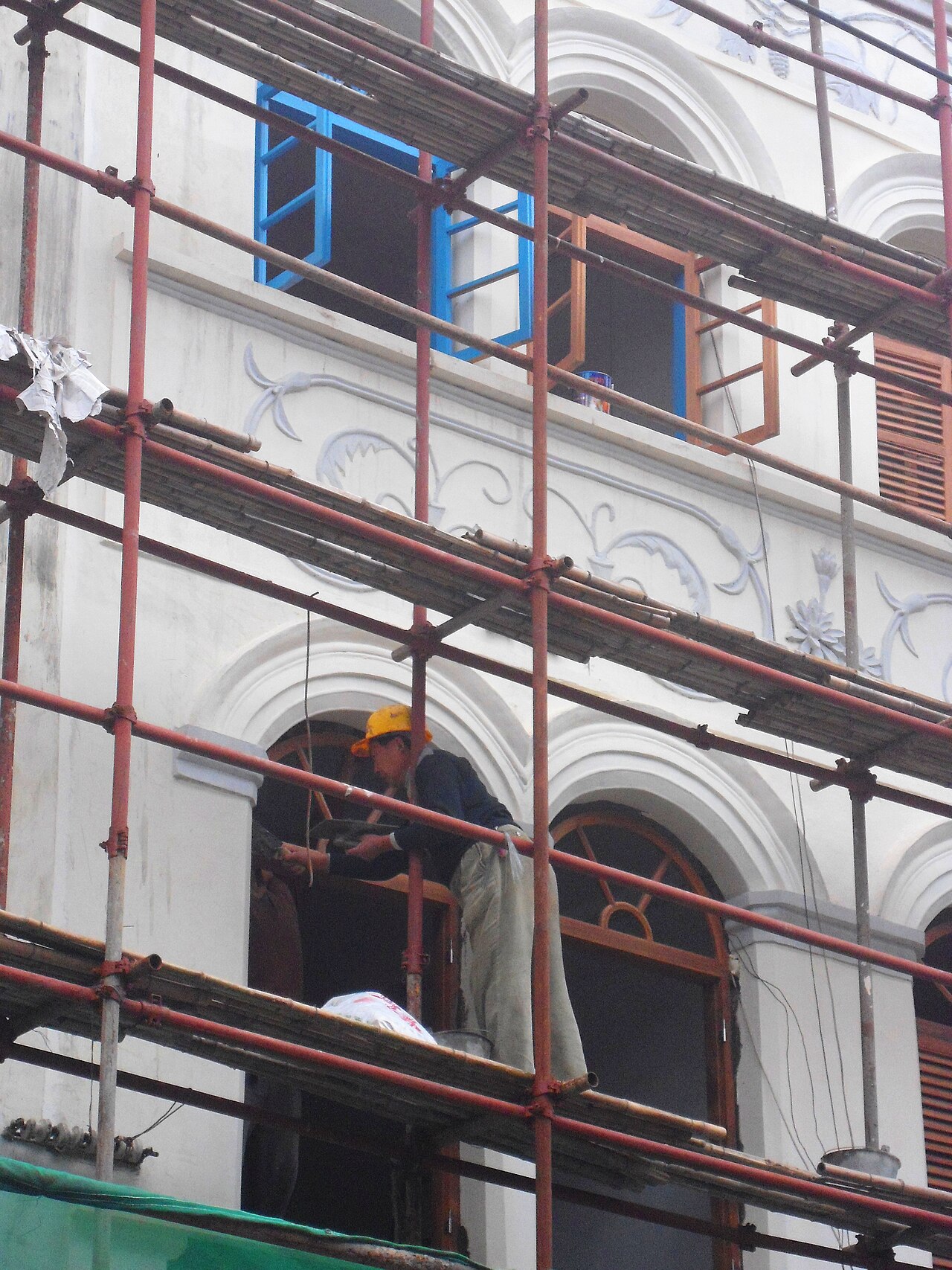
Tickets and practical notes
There is no scenic-area gate ticket for the main qilou walking streets. Haikou tourism materials list Historic Qilou Culture Streets as free entry. Paid extras only appear if you enter a museum, rent a costume or book a guided tour. Invent no yuan totals for "the old street experience"; pay per shop as you go. Mobile payment dominates; keep a little cash for the smallest stalls that still prefer it.
Typhoon season can close outdoor seating and flood low corners. Summer heat and humidity are real; the arcade roof helps, yet hydration still matters. Winter is the comfortable mainland-escape season for long walks.
Pairing with Holiday Beach and Century Bridge
Keep Holiday Beach as a separate half-day or late-afternoon swim and sunset if you want sand after the lanes. Century Bridge is a view stop from Haidian Island edges, useful at dusk, weak as a standalone morning. The city guide's cut list is clear: if Sanya beaches are imminent, you can shorten Holiday Beach and still keep qilou; if you only have one Haikou block, keep the arcades and one seafood or Hainan chicken meal.
Stay near downtown qilou if food walking is the thesis. West-coast beach hotels make sense only when swimming outranks night snack loops.
Eating while you walk
Hainan noodles, herbal sweet soups, Wenchang chicken influence plates and tropical fruit stalls line the busiest blocks. Morning tea style breakfasts appear in local shops. Busy stalls with local queues are usually safer bets than empty tourist fronts. The Haikou guide puts snack hygiene on the confirm list for good reason: follow turnover.
Reading facades and neighborhoods
Restoration work over the last decade cleaned many facades and filled empty shops, which means some blocks feel polished while side alleys still show weathered plaster and local laundry lines. Both layers are real Haikou. Spend a few minutes on quieter parallel streets if the main Zhongshan photogenic stretch is shoulder-to-shoulder with tour groups. Small museums and heritage houses open and close on their own calendars; if a doorway looks promising, ask the attendant for today's hours instead of trusting an old blog map.
Rain is frequent in the warmer months. The arcade overhang is genuine climate design, so a sudden shower is a reason to duck into a tea shop rather than abandon the walk. After dark, neon and warm shop light make the same cornices photograph differently; many travelers do a short night return even after a full daytime loop.
Before you go
- Wear breathable clothes and shoes for uneven old paving.
- Come hungry; the streets are a food route as much as an architecture route.
- Bring sun protection even under arcades; UV in Hainan stays strong.
- Save Holiday Beach for another block if both matter.
- Check typhoon notices in season before planning evening outdoor meals.
Frequently asked questions
How long for Haikou qilou?
One to two hours for a photo and snack loop; half a day with a proper meal and night return.
Is there an entrance fee?
No gate ticket for the main public streets. Shops and small museums charge separately when they charge at all.
Worth it if I know Southeast Asian arcades?
Yes. The typology is familiar; the Hainan capital layer, snack culture and clock-tower harbor edge are specific.
Same day as Holiday Beach?
Yes if you start lanes in the morning and move west for late-afternoon beach light.
Sources
Facts in this article were checked against the following sources, retrieved 14 October 2026.
- Haikou government tourism notes on Qilou streets
- Hainan government English feature on Qilou Old Street
- Haikou travel guide on this site
- Holiday Beach sibling page
Photos are from Wikimedia Commons under the licences shown in each caption.