Bayi Square, Nanchang's Civic Memory of 1927
Bayi Square occupies central Nanchang as the open civic plaza tied to the 1 August 1927 Nanchang Uprising, a founding episode in People's Liberation Army memory. The name Bayi literally marks August First. Surrounding memorial museums and monument spaces turn a morning walk into a modern-history block that balances the literary mood of Tengwang Pavilion on the river. The Nanchang guide keeps Bayi for daylight and Qiushui Square for after dark; reversing that order wastes both.
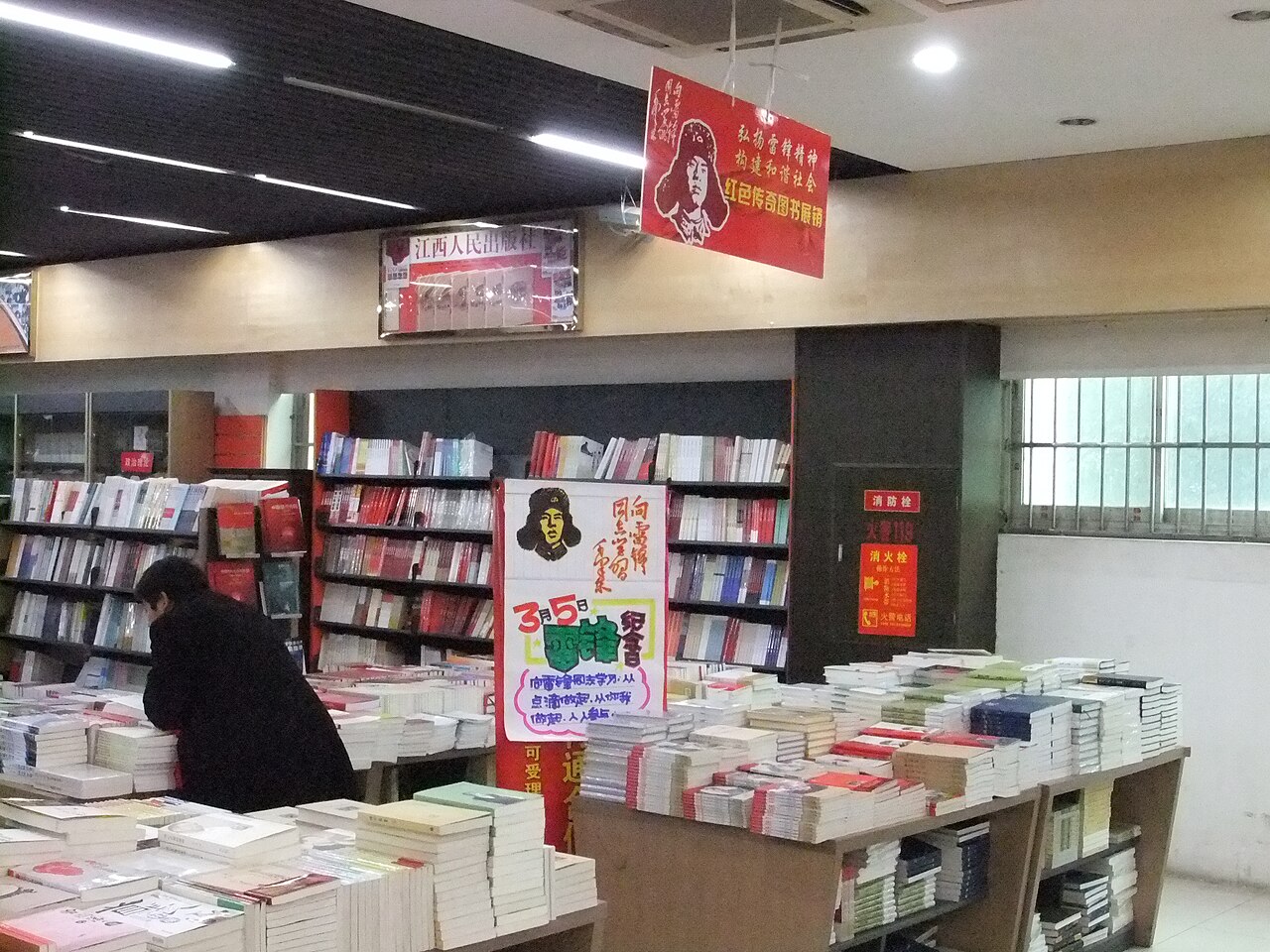
What to see around the square
Start with the open plaza itself: flagpoles, monument axes and the sense of a planned civic center rather than a commercial square. Memorial museums near the square document the uprising, related revolutionary history and later commemorations. Exhibition density varies by building; some halls are free under identification rules, others follow ticket notices that change with season and renovation. Read door signs on the morning you go instead of trusting a year-old blog list.
Give yourself ninety minutes for plaza photographs and one focused museum, or two to three hours if you want multiple halls. Tour groups arrive in waves; early weekday entry helps. Photography rules inside memorial halls can be strict; follow staff guidance.
Practical tickets and ID notes
Many uprising-related memorial spaces in Chinese cities operate free or low-cost with real-name checks. Bring a passport. Student or senior concessions, when offered, follow posted rules. Opening hours often cluster in daytime only; Monday closures appear on some museum calendars. Treat every schedule as provisional until confirmed on official notices or at the door.
The square itself functions as public open space. Sitting, walking and exterior photos are the easy layer; museum interiors are the deeper layer. If modern history is a light interest, the plaza photo may be enough and the deep dive can wait.
Getting there and pairing the day
Metro Line 1 and central bus corridors serve the Bayi area; check a live map for the exit closest to the memorial cluster you want. Hotels near the square suit history-first itineraries; river hotels suit pavilion-first plans. A clean day splits Tengwang Pavilion and Wanshou snacks in one block and Bayi museums in another, then crosses to Qiushui for night fountains and skyline.
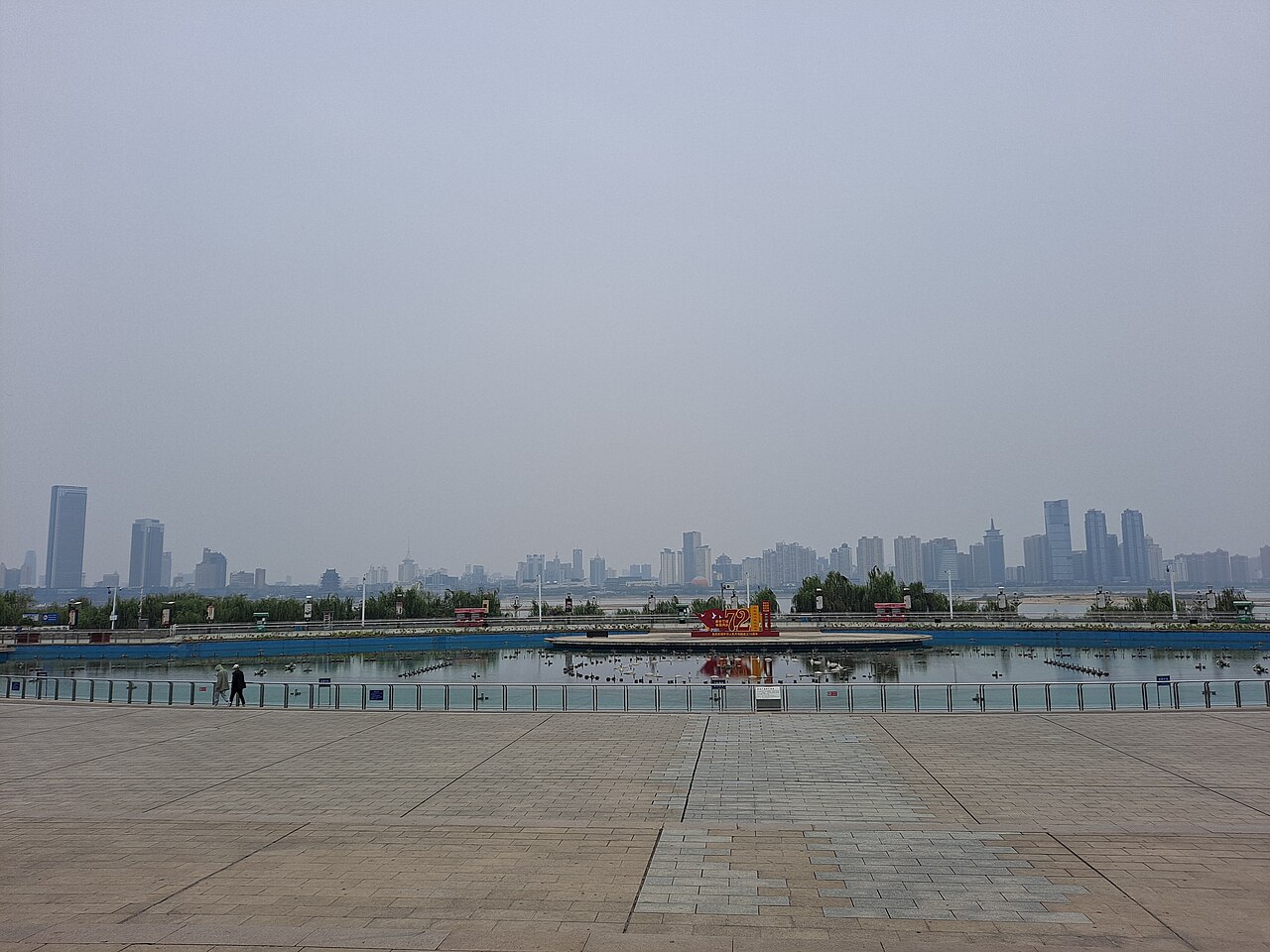
Skip stacking a Jingdezhen porcelain day on the same calendar if Bayi plus Tengwang already fill your only full Nanchang day. The high-speed hop to porcelain country is easy but still eats hours the city guide would rather spend on river evening light.
Context without overclaiming
The 1927 uprising is taught across China as a key early armed action. Memorial narrative on site is official and dense; visitors who want academic debate should read outside sources before or after, not expect a seminar in the galleries. For travelers, the practical point is simpler: this is where Nanchang stages twentieth-century memory in the city center, just as Tengwang stages Tang literary memory on the river.
Walking a simple circuit
Begin at the open plaza for orientation photos while the light is still soft. Note the monument axis and how avenues feed the square, then choose one memorial museum based on English or bilingual support available that day. If a second hall interests you after the first, take a short outdoor break between them so the narrative density does not blur. Finish with a slow lap of the plaza perimeter to see how office towers and older civic buildings frame the space. This circuit keeps the visit concrete even when you skip a deep reading of every panel.
Food streets and rebuilt lanes around Wanshou Palace sit a short hop away if you want a spicy Jiangxi lunch after the halls. Nanchang stir-fried rice noodles are the easy order. Packed rooms beat empty hotel buffets. Tea helps after chili oil. Keep the river evening free so Qiushui still feels like a different chapter rather than another obligation on the same sore feet.
Season and comfort
Outdoor plaza time is best in spring and autumn. Summer midday on open stone is harsh; museum halls become the comfortable choice. Winter damp argues for indoor galleries too. National Day and Party-related commemorative dates can bring ceremonies and tighter crowd control; check local notices if your dates coincide.
Before you go
- Confirm museum open days and ID rules before you leave the hotel.
- Keep Bayi in daylight; save Qiushui for night.
- Pair with Tengwang Pavilion rather than replacing it.
- Budget two hours if you want more than a plaza snapshot.
- Use the Nanchang travel guide cut list when the calendar shrinks.
Frequently asked questions
Is Bayi Square free?
The plaza is public open space. Individual memorial museums set their own free or ticketed rules; check doors and official notices.
How long do I need?
Ninety minutes to three hours depending on how many halls you enter.
Is it suitable if I skip modern history elsewhere?
A short plaza stop still explains Nanchang's civic center. Deep museum time is optional when literary and river sights are your priority.
What is the best pairing?
Tengwang by day, Bayi halls by morning or afternoon, Qiushui after dark.
Sources
Facts in this article were checked against the following sources, retrieved 15 October 2026.
Photos are from Wikimedia Commons under the licences shown in each caption.