Tengwang Pavilion, Nanchang's Literary Landmark on the Gan
Tengwang Pavilion stands on the east bank of the Gan River in Nanchang, Jiangxi, as the city's signature tower. Tang prince Teng's pavilion became famous through Wang Bo's preface, a piece of prose Chinese students still meet in anthologies. The structure you climb today is a modern rebuilding after centuries of fire and collapse; the literary memory is older than any single timber frame. Travelers come for river views, exhibition floors and the sense of standing inside a Jiangxi textbook illustration. The Nanchang guide pairs a daytime pavilion visit with Wanshou lanes and a Bayi Square history block, then sends evenings across the water to Qiushui.
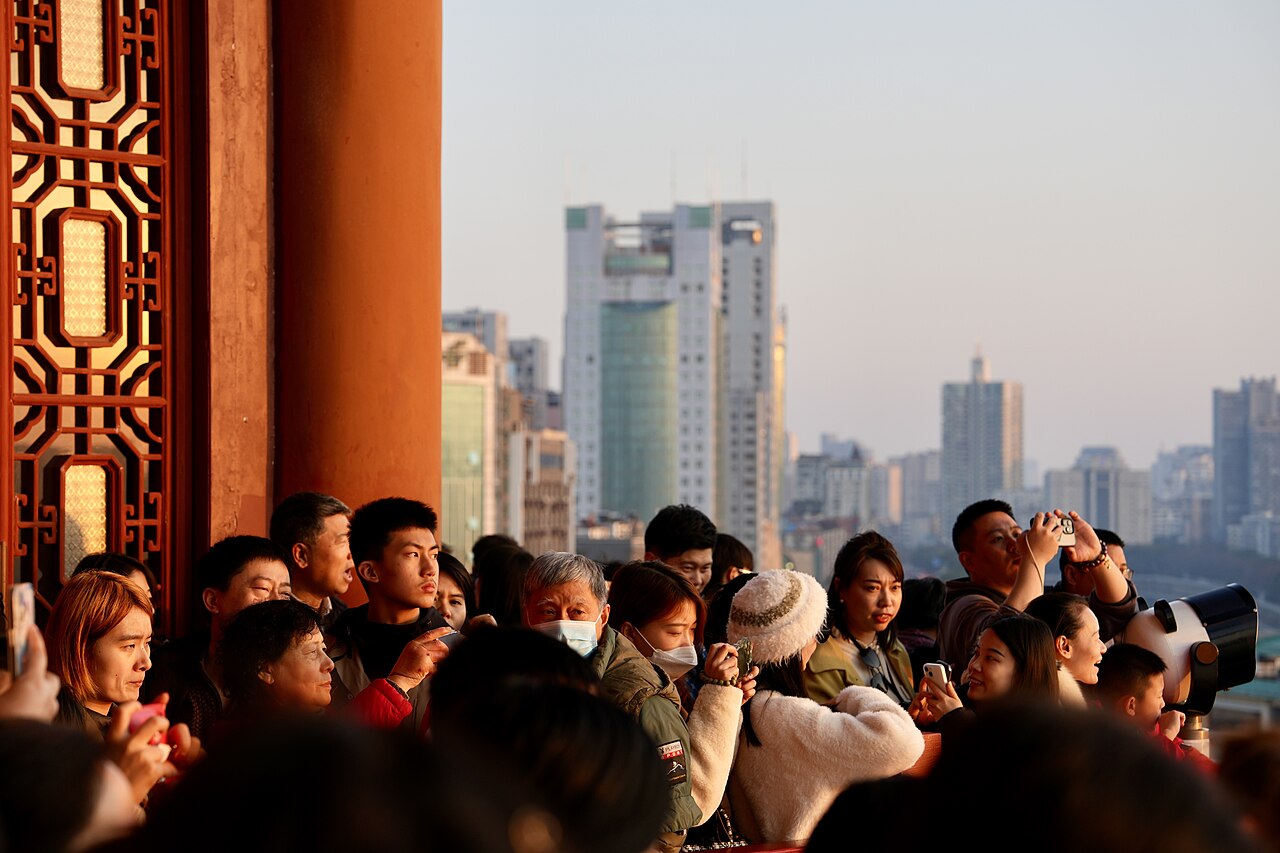
What you see inside and out
The pavilion rises through multiple stories of halls, stairs and viewing galleries above garden approaches. Exhibits rotate among local history, calligraphy related to Wang Bo's text and panoramic explanations of the Gan River waterfront. Climb high enough for open city and river sightlines when haze allows. Timed entry and floor controls appear in busy seasons; follow staff routes rather than forcing a reverse flow against the crowd.
Outside, the river embankment and plaza give the classic elevation shot of roofs against water and sky. Sunset is the photograph most visitors want; arrive with enough buffer to clear security and stairs before the light drops. After dark, lighting on the tower and the opposite bank changes the mood again. Daytime ticketing and any evening performance programs are separate questions on many calendars, so read the official notice instead of assuming one ticket covers both.
Tickets and hours hedges
Pavilion admission, possible timed slots and night programs follow the day's official channels. Blog yuan figures go stale quickly after holiday adjustments. Carry identification for posted student or senior rules. Last entry often closes before the advertised shutdown; ask at the window how late you can still climb. Combined tickets with nearby attractions appear in some seasons; compare them against a pavilion-only visit if Qiushui and Bayi are free public spaces that week.
Summer heat builds on stone plazas; winter damp sinks into shaded halls. Neither stops a determined visit, yet both change how long you want to linger outdoors for photos.
Getting there and how long to stay
Metro to Tengwangge Station puts you close; confirm the exit toward the pavilion on a live map. Ride-hailing to the gate works from Nanchang West or downtown hotels. Two hours covers climb, exhibits and plaza photos for most travelers. Three hours fits slower reading and a second light pass at dusk if your ticket and hours allow returning to the embankment.
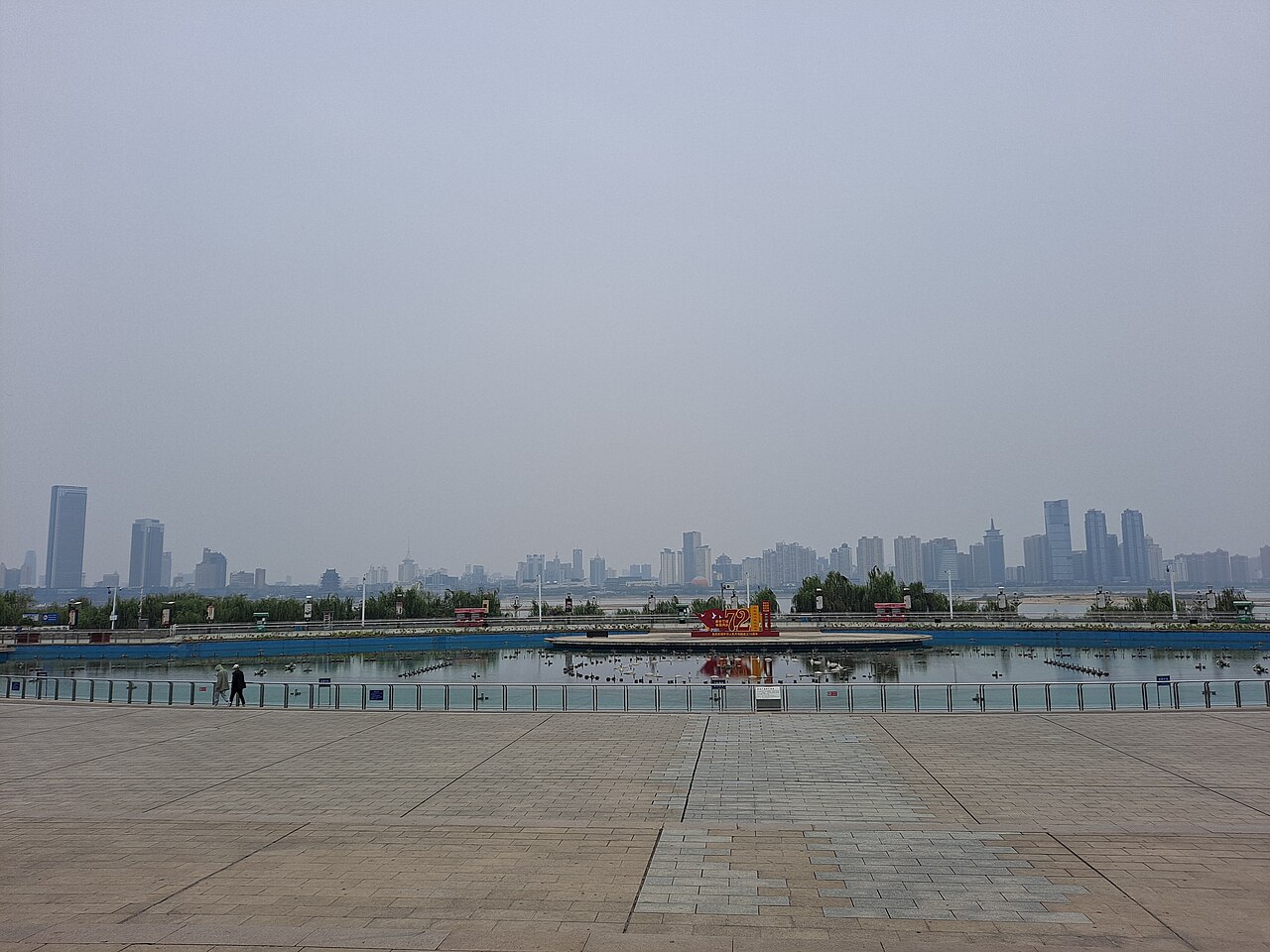
Pair the pavilion with snacks in the Wanshou Palace historic district, then decide whether Bayi memorial halls belong to the same afternoon or the next morning. Cross to Qiushui Square after dark when you want mirrored skyline and fountain schedules rather than another indoor gallery.
Literary context without the lecture tone
Wang Bo's preface turned a regional prince's tower into a national literary landmark. Rebuilding after disasters kept the name alive even when physical continuity broke. Visitors who read a translation of a few famous lines before climbing tend to enjoy the plaques more; visitors who skip the text still get a strong river tower experience. Either approach beats treating the site as only a checkbox skyline.
Season and crowds
April through May and September through November suit outdoor plaza time. Summer is hot and popular; arrive early. National holidays pack stairwells. Weekday mornings feel calmer for exhibit reading. Fountain shows at Qiushui vary by season; check the night you care about rather than assuming a fixed schedule.
Before you go
- Separate day climb tickets from any evening program on the official notice.
- Use Tengwangge Metro and clear time for sunset if photos matter.
- Keep Bayi Square history for daylight and Qiushui for night.
- Skip same-day Jingdezhen dashes when this tower already owns the calendar.
- Follow the Nanchang travel guide minimum pair of pavilion plus Qiushui evening when short on time.
Frequently asked questions
How long do I need at Tengwang Pavilion?
About two hours for the climb and plaza. Add more if you wait for sunset light.
Is the current pavilion ancient?
The literary site is ancient; the standing tower is a modern reconstruction after repeated destruction. Enjoy both facts at once.
Can I visit at night?
Lighting and possible night programs depend on the day's notice. Confirm before you assume after-dark entry to upper floors.
What should I pair with the pavilion?
Wanshou lanes by day, Qiushui by night, and Bayi Square memorials on a history morning.
Sources
Facts in this article were checked against the following sources, retrieved 15 October 2026.
- Nanchang travel guide on this site
- Tengwang Pavilion, encyclopedic overview
- Bayi Square sibling page
Photos are from Wikimedia Commons under the licences shown in each caption.