Shijiazhuang Travel Guide: Zhengding, the Zhaozhou Bridge and the Hebei Museum
Shijiazhuang itself is a young railway city, but within an hour of it sit some of the oldest buildings and structures in northern China: Longxing Temple and the pagodas of Zhengding 15 km north, the Sui-dynasty Zhaozhou Bridge in Zhao County to the southeast, the Ming murals of Pilu Temple, and the Hebei Museum's Han jade suits downtown. Give it three days: one for the museum and Pilu Temple, one for Zhengding, and one for either the bridge or the revolutionary village of Xibaipo in the Taihang foothills.
The city grew up after the Beijing–Hankou and Zhengtai railways met at a village of Huolu County in the late Qing, which is why Chinese guides call it "a city brought by the train". Don't look for an old quarter downtown; Zhengding is the old town.
Getting in and where to stay
High-speed trains on the Beijing–Guangzhou line stop at Shijiazhuang Station, roughly an hour to an hour and a half from Beijing West. Shijiazhuang Zhengding International Airport has its own rail station, north of Zhengding; don't confuse it with the old county town.
For Zhengding, take Metro Line 1 to Yuanboyuan, leave by exit C and catch bus 177 to Zhengding South Gate (Zhengding Nanmen). Bus 164 from Shijiazhuang North Station runs through the middle of the old town to Changshan Park, a short walk from Longxing Temple, and bus 130 runs from the Hebei Museum to Guanghui Temple at the south end. A taxi from the centre takes about 30–40 minutes.
Stay near a Line 1 station downtown if you want the museum and transport, or in Zhengding itself if the old town is your main reason to come; the South Gate and the lit walls are best after dark.
Neighbouring guides: the Taihang passes in Yangquan, canyons in Xingtai, Hengshui Lake in Hengshui and the Iron Lion of Cangzhou.
Places worth visiting
Longxing Temple, Zhengding
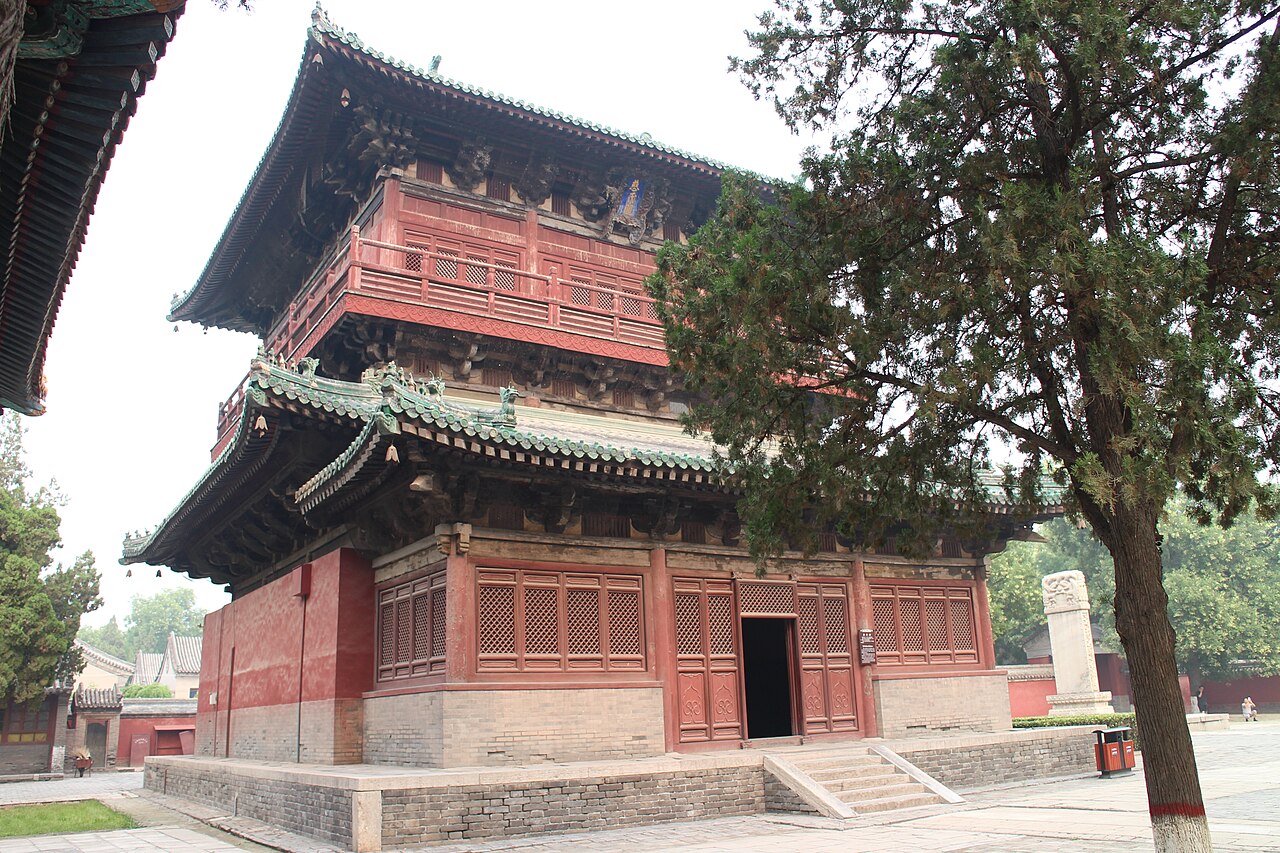
Longxing Temple, the "Big Buddha Temple" to locals, was founded in 586 under the Sui on the site of a Later Yan ruler's garden and got its current name under the Kangxi emperor. It covers 82,500 m², keeps a Song-dynasty layout and was in China's first batch of protected monuments in 1961.
Two buildings justify the trip. The Moni (Manichaean) Hall of 1052 has a porch projecting from each side, a cross-shaped plan that survives nowhere else from the Song; Liang Sicheng surveyed it in 1933 and wrote about it with real excitement. At the north end, the three-storey Dabei Pavilion, rebuilt around 1940 and about 33 m tall, houses a Song bronze Guanyin with many arms, 21.3 m high. The Pilu Hall moved here from Chongyin Temple in 1959 adds a third reason to walk the full axis. Allow two to three hours. Third-party listings in 2026 give 08:30–17:00 with last entry at 16:30; check the posted notice on the day.
Zhengding old town
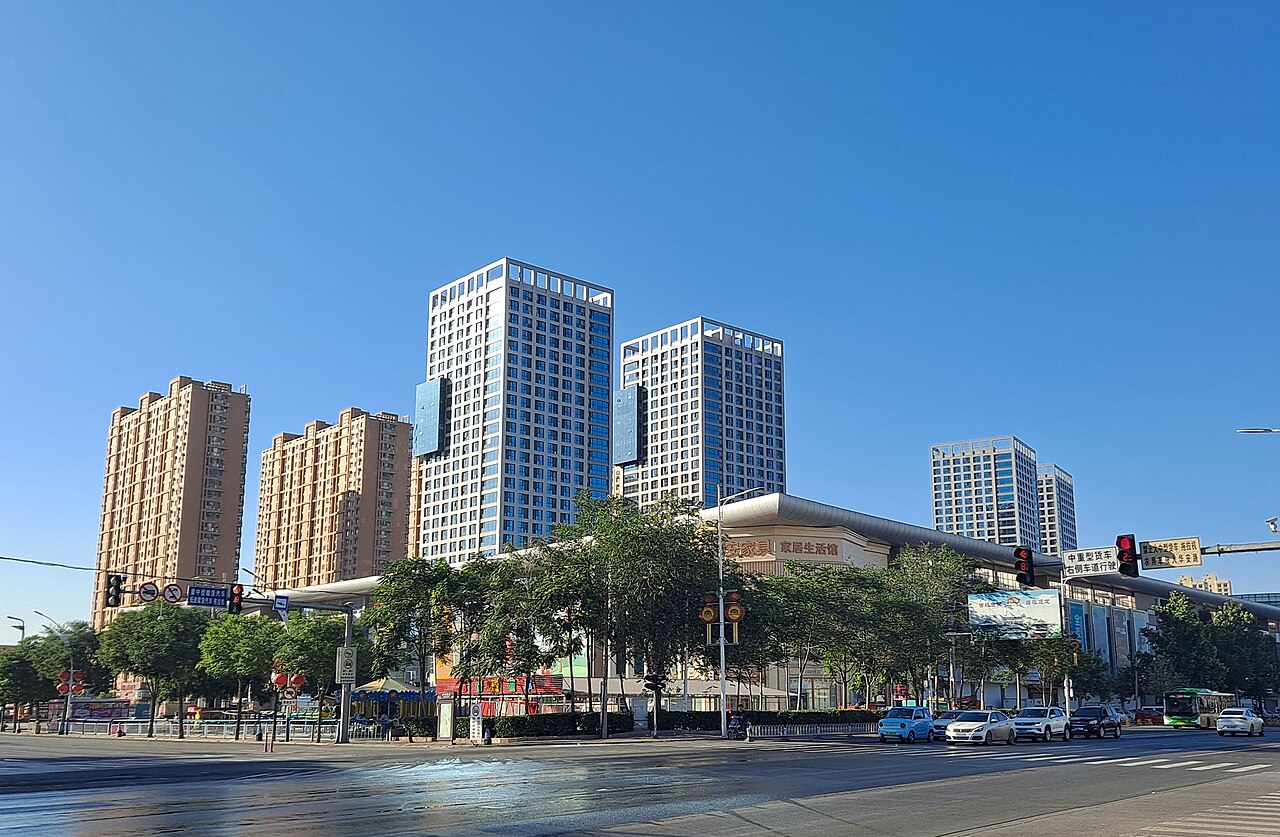
The county keeps ten nationally protected sites, a high count for a place this size. The old saying lists "nine towers, four pagodas, eight great temples". The four pagodas are worth seeing as a set: the Lingxiao Pagoda with its timber upper storeys, the Hua Pagoda with its odd sculpted top, the square Xumi Pagoda, and the slender Chengling Pagoda at Linji Temple. Linji Temple is where the master Yixuan founded the Linji school of Chan in 854, and Japanese Rinzai Zen groups still come to it. Zhengding is also the home county of the Three Kingdoms general Zhao Yun, which explains the Zhao Yun Temple.
The Rongguo Mansion was built in 1987 as a set for the TV series Dream of the Red Chamber. It is a film set, so skip it unless the novel matters to you. Walking the streets and the walls is free; the temples charge separately.
Hebei Museum
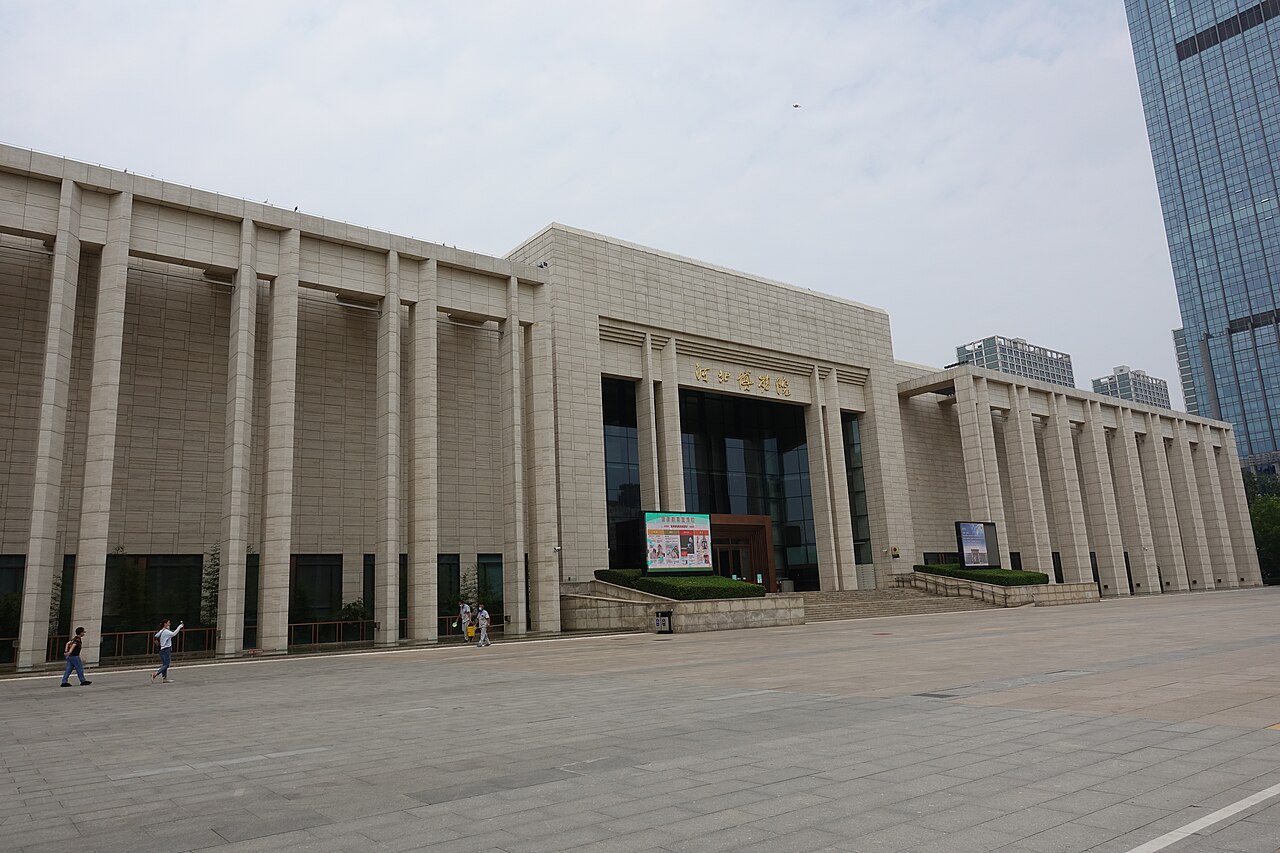
The Hebei Museum holds about 240,000 objects, more than 360 of them first-grade national relics. Go for the Mancheng Han tombs: the jade suits of Liu Sheng, Prince of Zhongshan, and his consort Dou Wan, sewn from thousands of jade plates with gold wire, and the Changxin Palace Lamp, a kneeling servant whose sleeve carries the smoke away. The Warring States Zhongshan kingdom hall, with its mountain-shaped bronzes, is the other highlight.
Entry is free but booked by real name up to seven days ahead on the museum website or WeChat account. Hours are 09:00–17:00 (last entry 16:30), closed Mondays. From 22 October 2026 the north gate on Zhongshan Road is closed for painting work, expected until early November, so enter from the south gate on Fanxi Road.
Zhaozhou Bridge
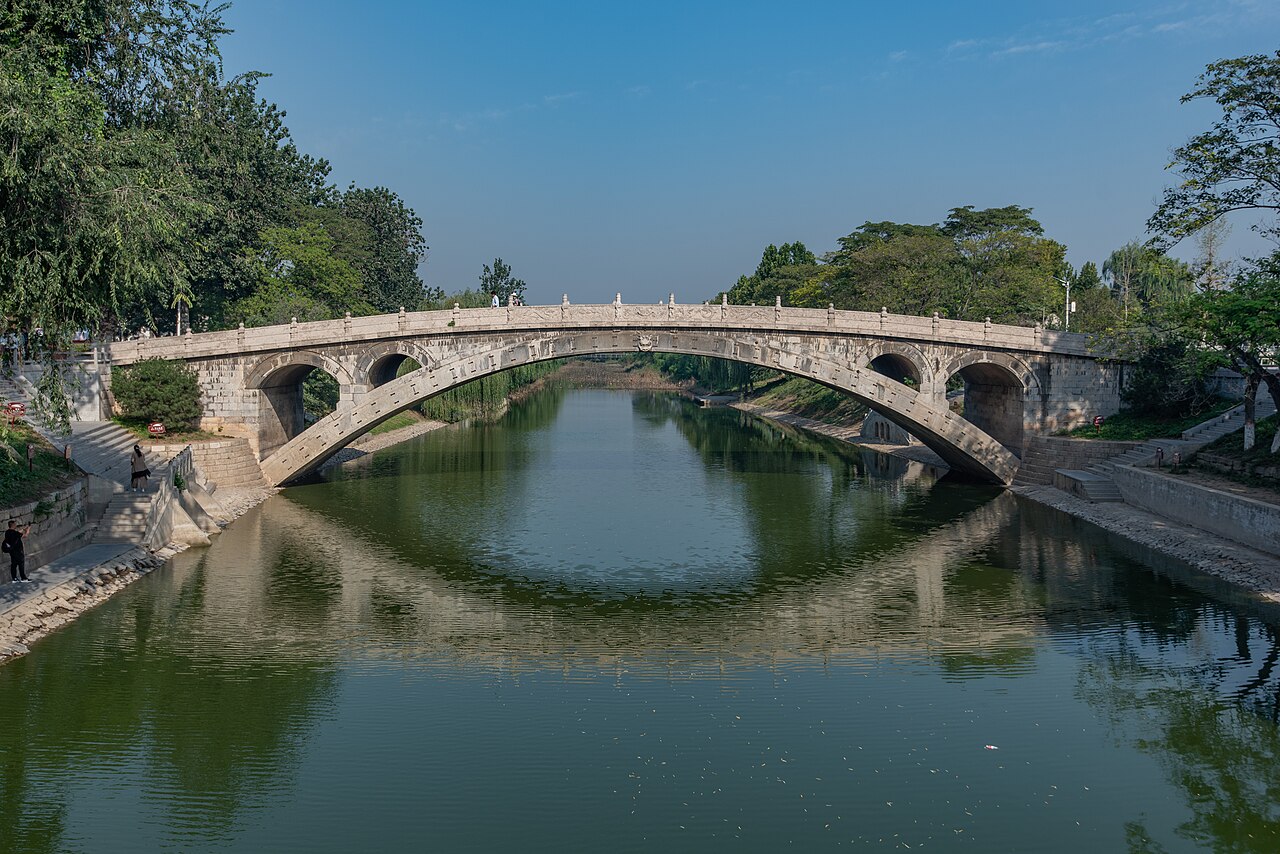
The Zhaozhou Bridge, properly the Anji Bridge, crosses the Xiao River in Zhao County. The Sui mason Li Chun built it, and it is the oldest surviving open-spandrel stone arch bridge in the world: 50.82 m long and 9 m wide, the main arch made of 28 parallel stone rings, with two small arches in each shoulder that cut the weight and let floodwater through. Folk song and legend give the credit to Lu Ban, with the immortal Zhang Guolao's donkey leaving the marks still pointed out on the deck.
The visit itself takes an hour or two; getting there takes longer, so hire a car or taxi and combine it with nothing else that day except perhaps Bailin Temple in Zhao County. Food near the bridge is limited.
Pilu Temple murals
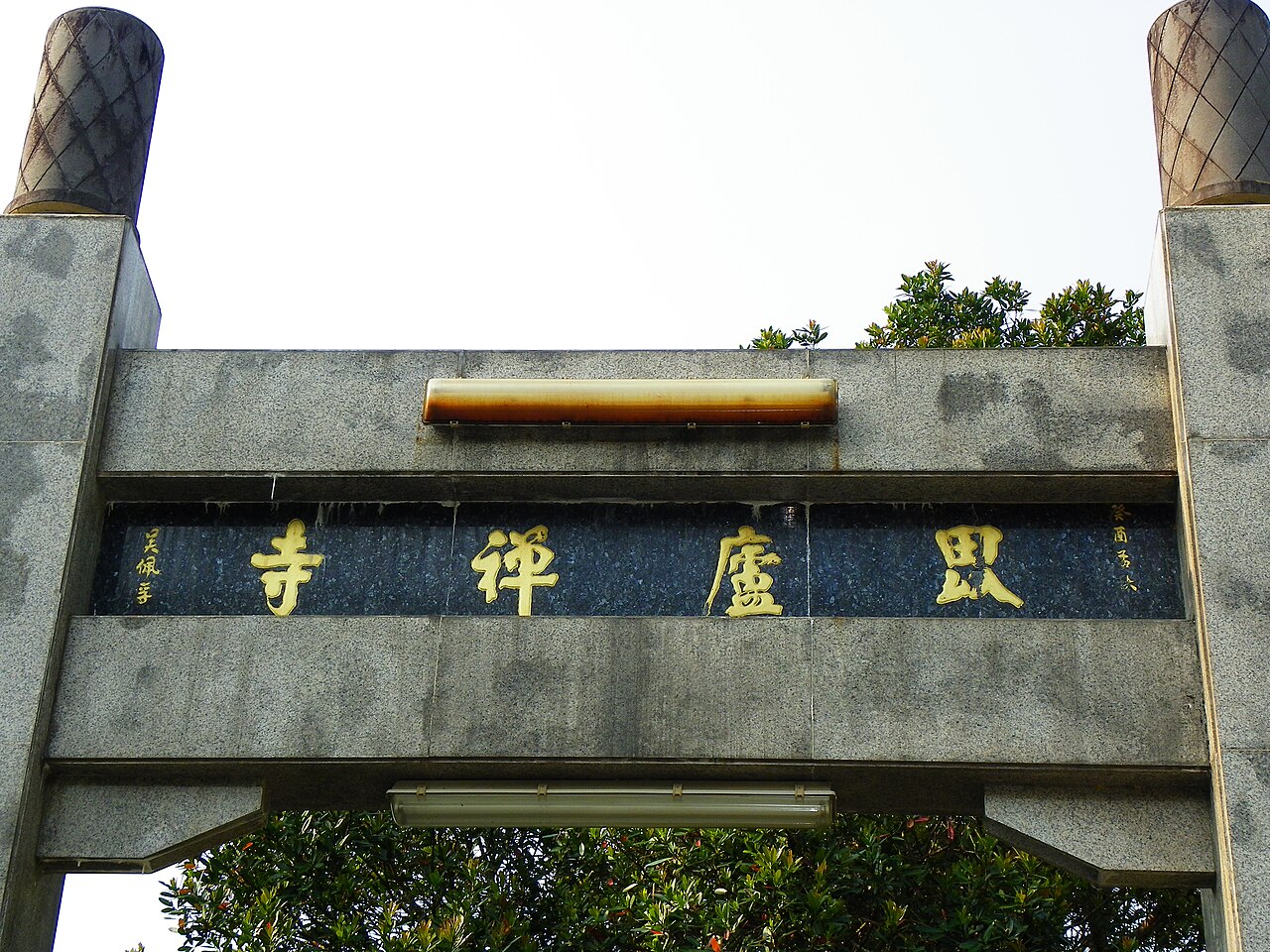
Pilu Temple, in Shangjing village on the northwest edge of the city, is small and easy to miss. It was founded in the Tianbao era (742–756) and listed nationally in 1996. Its main hall has about 120 m² of Ming water-and-land murals: 122 groups and 508 figures, each labelled, from Buddhas down to butchers and barbers. They are often compared with the Ming murals of Fahai Temple in Beijing. The hall is dim and flash is banned, so go before mid-afternoon and give yourself half an hour inside.
Xibaipo
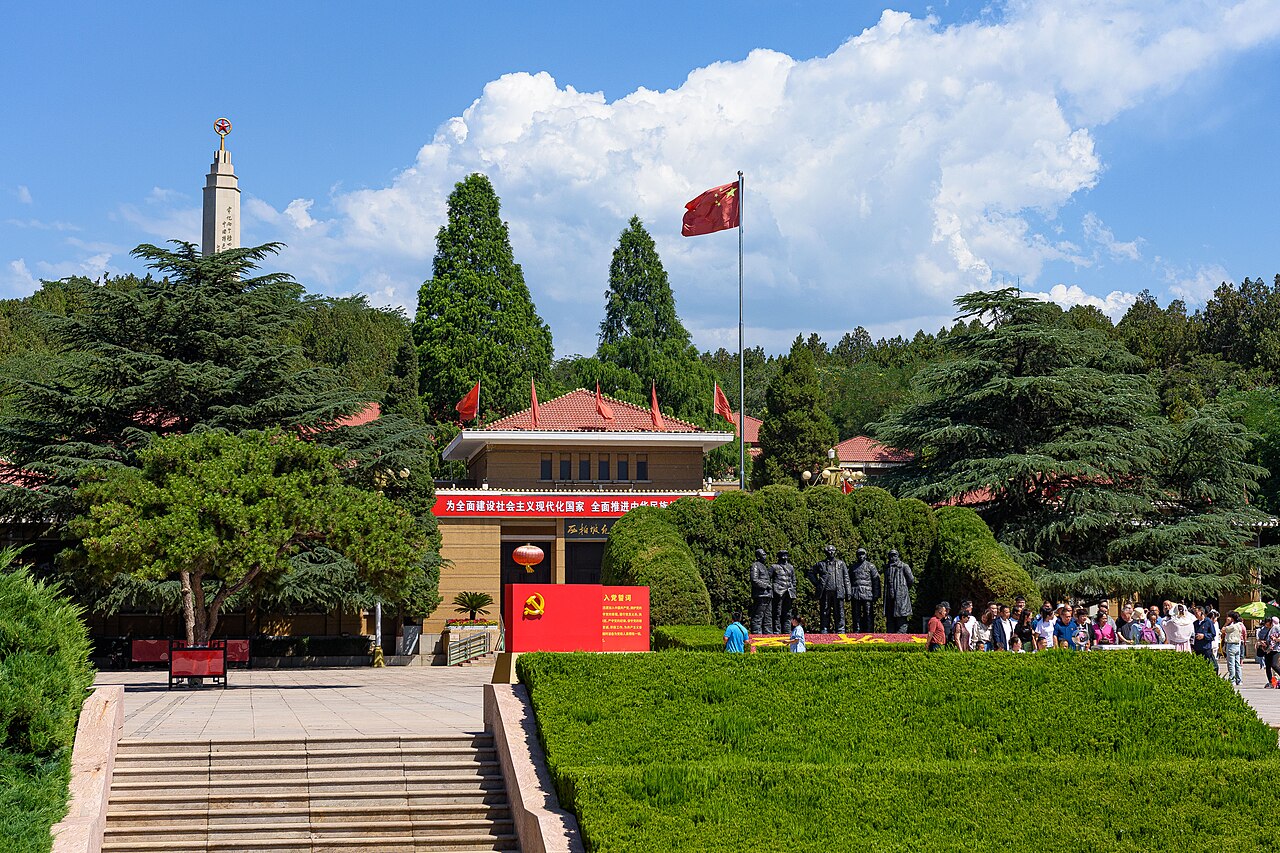
Xibaipo, a village on the Hutuo River in Pingshan County about 70 km west, was the Communist headquarters from May 1948 until 23 March 1949. The Liaoshen, Huaihai and Pingjin campaigns were directed from here, and the Second Plenum of the Seventh Central Committee met here before the leadership left for Beijing. The restored mud-brick compounds and the memorial hall (opened 1978) fill half a day. Tour groups arrive in waves from mid-morning, so start early. The drive is about an hour and a half.
When to come
Spring and autumn are best for walking Zhengding and standing on the bridge. Summer is hot and humid; winter is dry and windy, which is fine for the museum but cold on the walls. Avoid Zhengding on national holidays if you can.
Eating in Shijiazhuang
Zhengding's "eight big bowls" (four meat, four vegetable, steamed and served together) are the banquet dish; restaurants in the old town do them. Look for Jinfeng braised chicken, Gaocheng gongmian (very fine "tribute" noodles) and jar-baked Ganglu shaobing eaten with lamb offal soup at breakfast. Zhengding's south gate food street is easy for a quick lunch between temples.
How to arrange the route
- Day 1, downtown: Hebei Museum at 09:00 (booked), lunch, Pilu Temple in the early afternoon.
- Day 2, Zhengding: Longxing Temple at opening, the four pagodas and Linji Temple after lunch, the South Gate and walls at dusk.
- Day 3, pick one: the Zhaozhou Bridge to the southeast or Xibaipo to the west. Doing both in one day means four or more hours in a car.
Mondays suit Zhengding or the bridge, since the museum is closed.
What to cut if short on time
With one day, do Zhengding only. With two, add the museum. The Rongguo Mansion and downtown parks are the first things to drop; after them, choose between the bridge and Xibaipo rather than squeezing both.
Things to confirm before you go
- Hebei Museum booking and the south-gate entrance while the north gate is closed.
- Longxing Temple and Zhengding ticket prices on the day; the old town streets are free, temples are not.
- Xibaipo booking and opening notice.
- Bus 177/164 times (they finish around 20:00).
Frequently asked questions
How many days do I need in Shijiazhuang?
Three days covers everything above without rushing. Two days is enough for the museum and Zhengding.
Is Zhengding worth staying overnight?
If you like old buildings, yes. The pagodas and temples fill a day, and the walls and South Gate are lit in the evening.
How do I get to Xibaipo without a tour?
Hire a car or taxi for the half day; it is about 70 km and an hour and a half each way. Tourist buses run too, but check current departures.
Sources
The facts in this article were checked against the following sources, retrieved September 4, 2026, and rechecked on October 21, 2026.
- Shijiazhuang (city) https://zh.wikipedia.org/wiki/石家庄市
- Longxing Temple https://zh.wikipedia.org/wiki/隆兴寺
- Zhaozhou Bridge https://zh.wikipedia.org/wiki/赵州桥
- Zhengding county https://zh.wikipedia.org/wiki/正定县
- Linji Temple https://zh.wikipedia.org/wiki/临济寺
- Hebei Museum https://zh.wikipedia.org/wiki/河北博物院
- Xibaipo https://zh.wikipedia.org/wiki/西柏坡
- Hebei Museum opening hours notice (Changcheng Net, March 2026) https://sjz.hebccw.cn/system/2026/03/13/102161802.shtml
- Hebei Museum north gate closure from 22 October 2026 (museum notice via ifeng) https://feng.ifeng.com/c/8xOrGxpiGHk
- Zhengding transport guide (Shijiazhuang Bendibao) https://sjz.bendibao.com/xiuxian/2024103/79194.shtm
The Chinese Wikipedia entry for Pilu Temple is a stub; its founding era, mural area and figure counts were verified against the Hebei Provincial Department of Culture and Tourism and the World Buddhist Art Dictionary. Ticket prices change, so this article does not quote them.
All photos are from Wikimedia Commons, used under CC licenses; re-use requires attribution.
- shijiazhuang-city.jpg from File Shijiazhuang city centre.jpg, by khalidshou, CC BY 3.0
- shijiazhuang-longxing.jpg from File Longxingsi cishige.JPG, by Halazhang, CC BY-SA 4.0
- shijiazhuang-zhaozhou.jpg from File Anji Bridge, Zhao County, 2020-09-06 05.jpg, by Siyuwj, CC BY-SA 4.0
- shijiazhuang-zhengding.jpg from File Zhengding County, Shijiazhuang.jpg, by E2568, CC0
- shijiazhuang-linji.jpg from File Linji monastery02.JPG, by Photo by and (c)2007 David Che, CC BY 3.0
- shijiazhuang-bowuguan.jpg from File 河北博物院南门.jpg, by Suginami, CC BY-SA 4.0
- shijiazhuang-pilu.jpg from File Paifang Brand of Pilu Temple.jpg, by 玄史生, public domain
- shijiazhuang-xibaipo.jpg from File Xibaipo Memorial Hall (20240609100945).jpg, by N509FZ, CC BY-SA 4.0