Xuzhou Museum, Han Memory Indoors
Xuzhou Museum gathers the archaeology that explains why this northern Jiangsu hub matters beyond trains and Yunlong Lake. The city, historically Pengcheng, sat in a strategic corridor where Han princely courts left tombs, jade, pottery and metalwork now interpreted in museum galleries. Travelers who care about early imperial China should keep two to three indoor hours on the calendar; travelers who only want water and parks can cut this stop without guilt. The Xuzhou guide frames the choice as lake light versus museum depth.
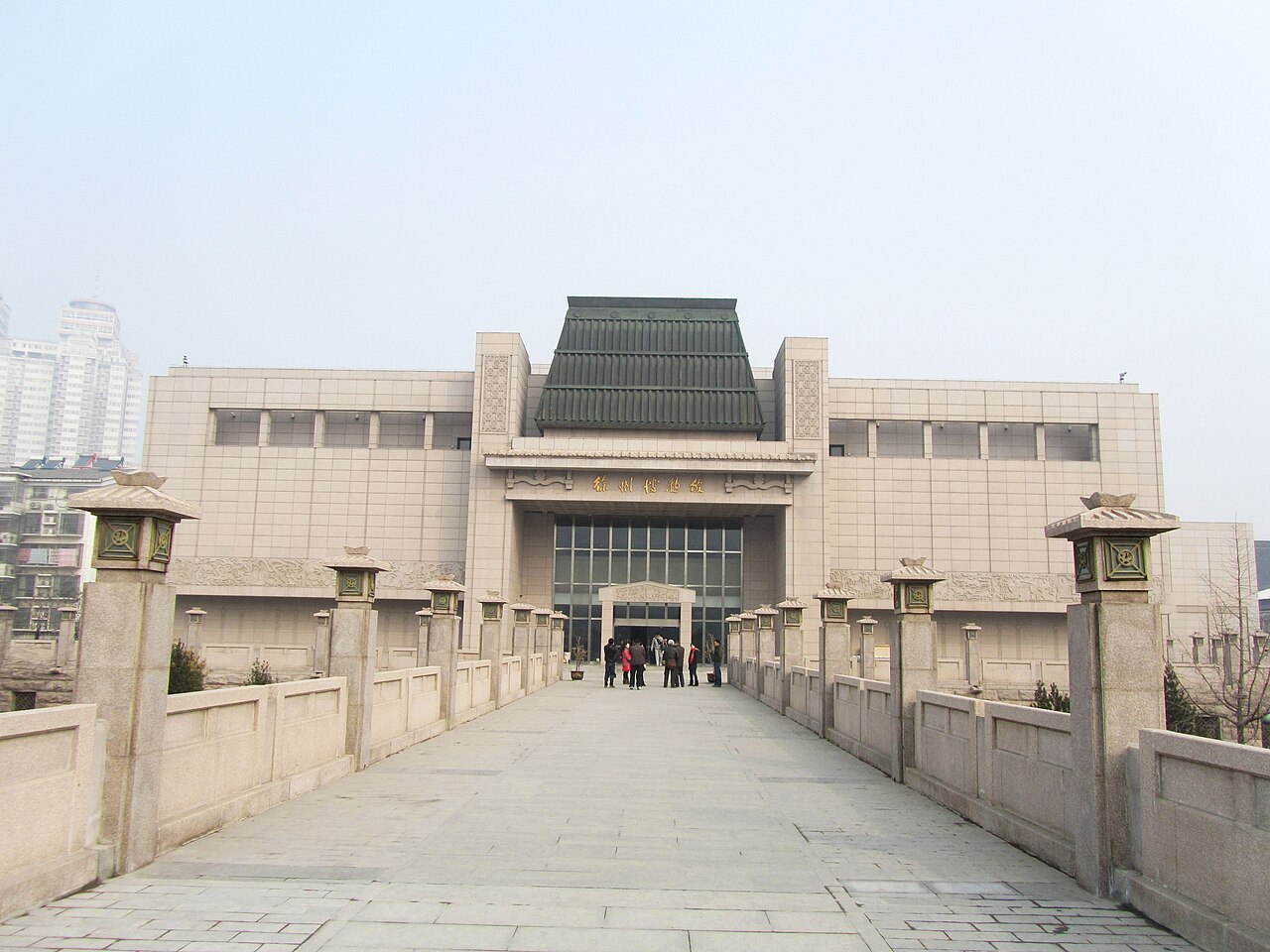
What the galleries emphasize
Expect Han-period highlights tied to local excavations: jade work, burial ceramics, bronze pieces and interpretive displays that place Xuzhou inside Western Han political geography. Labels explain princely tombs and craft traditions more than modern industrial history. Permanent routes usually matter more than temporary shows for first-time visitors, yet special exhibitions can be the reason locals return; check the board for what is open on your date.
Two hours covers a focused permanent highlight path. Three hours fits slower readers and any special galleries. Monday closures are common for Chinese museums; verify before you plan a museum-only morning between trains.
Tickets, reservations and hedges
Many major Chinese museums use free timed reservation systems with identification checks, while special exhibitions may ticket separately. Xuzhou's exact rule set for your date belongs to the official notice or booking channel, not to a blog copied last spring. Carry a passport. Arrive inside your reserved window when one exists; late arrivals can lose the slot. Photography rules differ by room; follow signs near sensitive jade and textile cases.
Bag storage and security checks add time at the door. Travel light. Large luggage is a poor companion if you came straight from the station; use station lockers when possible before riding to the museum.
Getting there and pairing with the lake
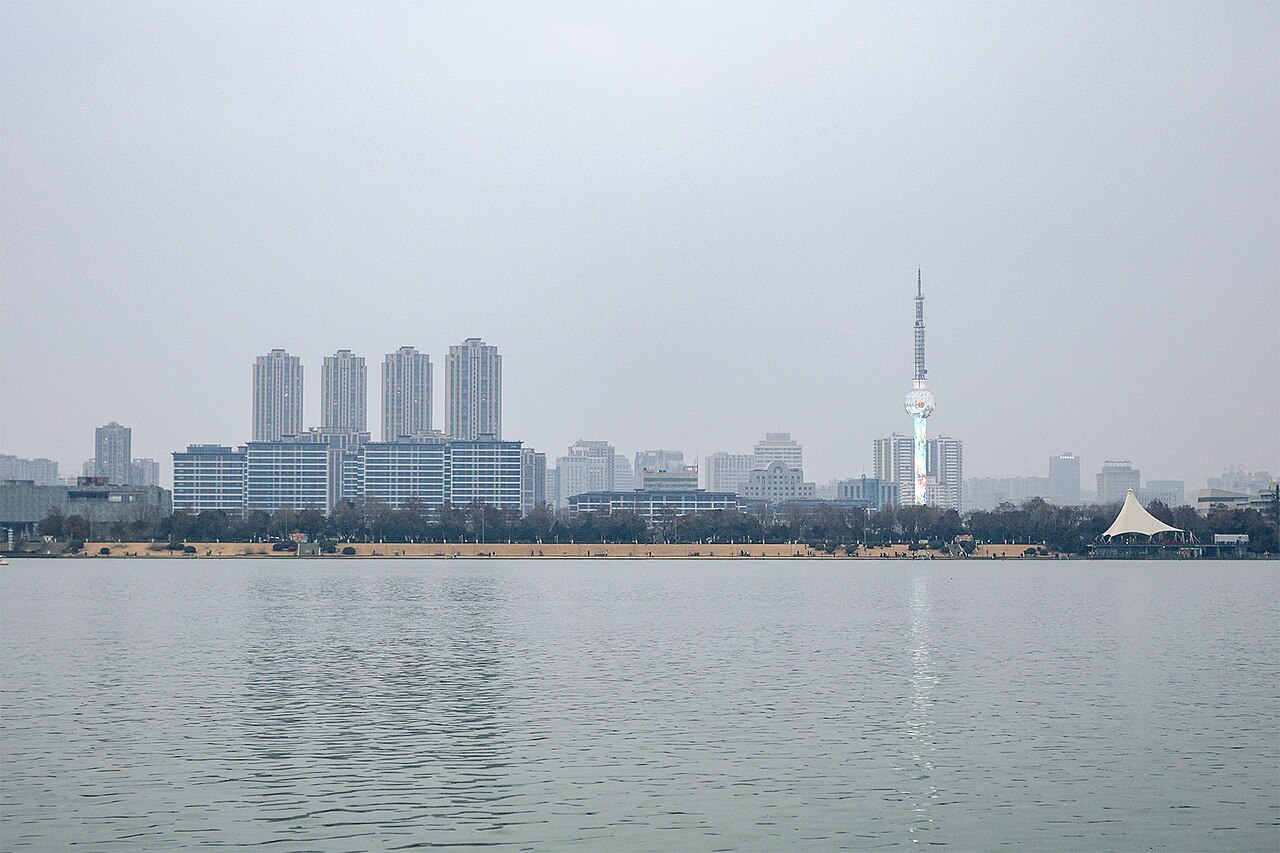
Ride-hailing to Xuzhou Museum is simple once you know which railway station you used. Combine with Yunlong Lake on a one-night stop by giving the lake the evening light and the museum a fresh morning, or reverse that order if weekday museum crowds worry you less than sunset photos. Same-day stacking works when both sites are close enough on the map and you start early; it fails when security lines and boat queues both run long.
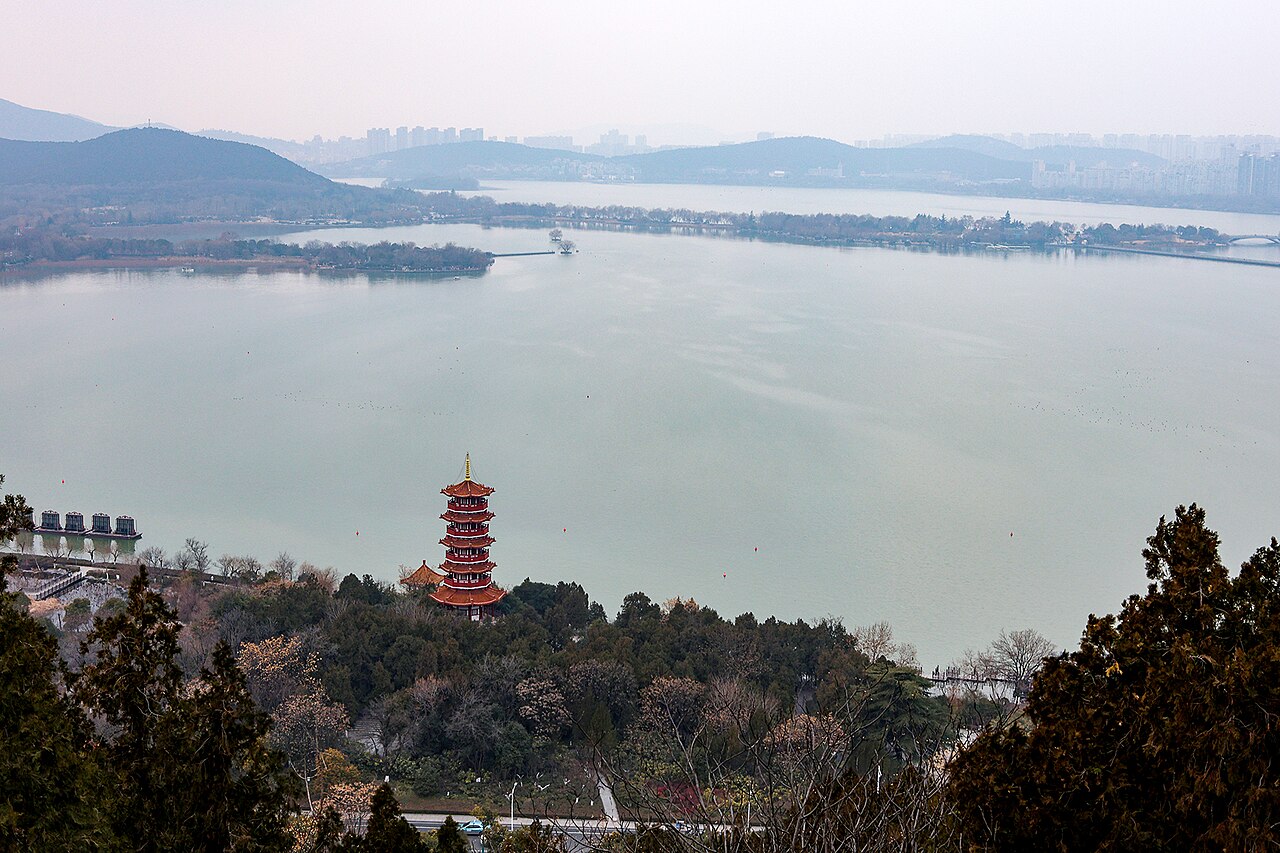
Food after the museum can be downtown or back toward the lake. Northern Jiangsu flavors with wheat staples are the regional baseline; follow packed rooms. One honest local lunch beats a rushed station meal if your onward train allows it.
Who should skip the museum
Skip it on a pure lake evening when connections leave no morning, when archaeology leaves you cold, or when a Monday closure blocks the only free slot. Keep it when Han jade and tomb culture are why Xuzhou sounded interesting beyond a transfer. Mountain climbs around the lake basin remain optional for both museum fans and lake walkers.
How to walk the galleries without fatigue
Start with the signature Han rooms while attention is sharp, then decide whether secondary ceramics and local history floors still reward another hour. Museum fatigue sets in faster after a morning of trains; a short outdoor break between wings can reset focus. If English captions are thin in a room that interests you, photograph the object labels for later translation rather than standing frozen in the aisle. Staff may offer audio or pamphlet options on some days; ask at information desks instead of assuming none exist.
Parents with children often do better selecting one spectacular jade or bronze case as the anchor memory rather than demanding a complete permanent-route finish. Pure archaeology enthusiasts can reverse that advice and slow down. Either way, leave buffer before any onward train so security exit lines do not become a sprint.
Season and comfort
Indoor galleries work year-round. Summer makes the museum the cool midday choice after a morning lake walk. Winter pairs well with heated halls when wind on the water feels harsh. Holiday weeks bring school groups; early entry helps.
Before you go
- Confirm open days, reservation rules and last entry on official channels.
- Decide lake-first or museum-first based on light and train times.
- Travel without large luggage if possible.
- Read enough Han context to recognize jade burial traditions before you enter.
- Use the Xuzhou travel guide two-day outline when you have the night.
Frequently asked questions
How long do I need at Xuzhou Museum?
Two to three hours for permanent highlights. Less if you only want a single famous case.
Is the museum free?
Often Chinese city museums use free reservation entry with ID, sometimes with paid special shows. Confirm the day's official rule.
Can I visit on Monday?
Many museums close Mondays. Check before you arrive.
Is the museum better than the lake?
Different goals. Lake is outdoor city identity; museum is Han archaeology. Ideal trips taste both.
Sources
Facts in this article were checked against the following sources, retrieved 15 October 2026.
Photos are from Wikimedia Commons under the licences shown in each caption.