Nanjing Travel Guide: Six Places to See and a Three-Day Route
Nanjing, capital of Jiangsu and a capital for six dynasties and more, rewards three days. Its main sights fall into three clusters: Purple Mountain east of the old city, with the Sun Yat-sen Mausoleum and the Ming tomb of Ming Xiaoling; the city centre, with the Presidential Palace and Xuanwu Lake; and the old south end, with the Confucius Temple on the Qinhuai River and the lanes of Old South Gate. Give one day to each. Spring and autumn are the best seasons, and the two practical rules are simple: reserve the free Sun Yat-sen Mausoleum slot in advance, and keep Mondays away from the mausoleum and the Presidential Palace, which both close that day for maintenance outside public holidays.
Getting in and where to stay
Nanjing Lukou International Airport is south of the city and linked to the centre by metro. Most high-speed trains use Nanjing South Railway Station, on the Beijing to Shanghai line and others, while Nanjing Railway Station sits on the north side of Xuanwu Lake. The metro reaches every area in this guide.
For a first visit, stay in the centre around Xinjiekou, which is a short ride from all three clusters. The Fuzimiao area is livelier at night and puts the Qinhuai River on your doorstep. Purple Mountain is a day out, not a place to base yourself.
When to come
Nanjing has four distinct seasons, with long hot summers and cold, damp winters. The annual average temperature is 16.4°C; the coldest month averages 3.1°C and the hottest 28.4°C.
- Spring (March to May) brings cherry blossom around Xuanwu Lake and mild walking weather.
- Early summer is the plum rain season, which on average starts around 23 June and ends in mid-July: humid, wet and heavy.
- High summer follows, hot and sunny. Nanjing was once counted among China's "three furnaces" with Chongqing and Wuhan, though hot days have become less extreme.
- Autumn (late September to November) is the best time. The ginkgo and plane trees around Purple Mountain turn gold, and the Ming Xiaoling spirit way is at its finest.
- Winter is quiet and chilly, with the Lantern Fair at the Confucius Temple from Spring Festival to the Lantern Festival.
Places worth visiting
Sun Yat-sen Mausoleum
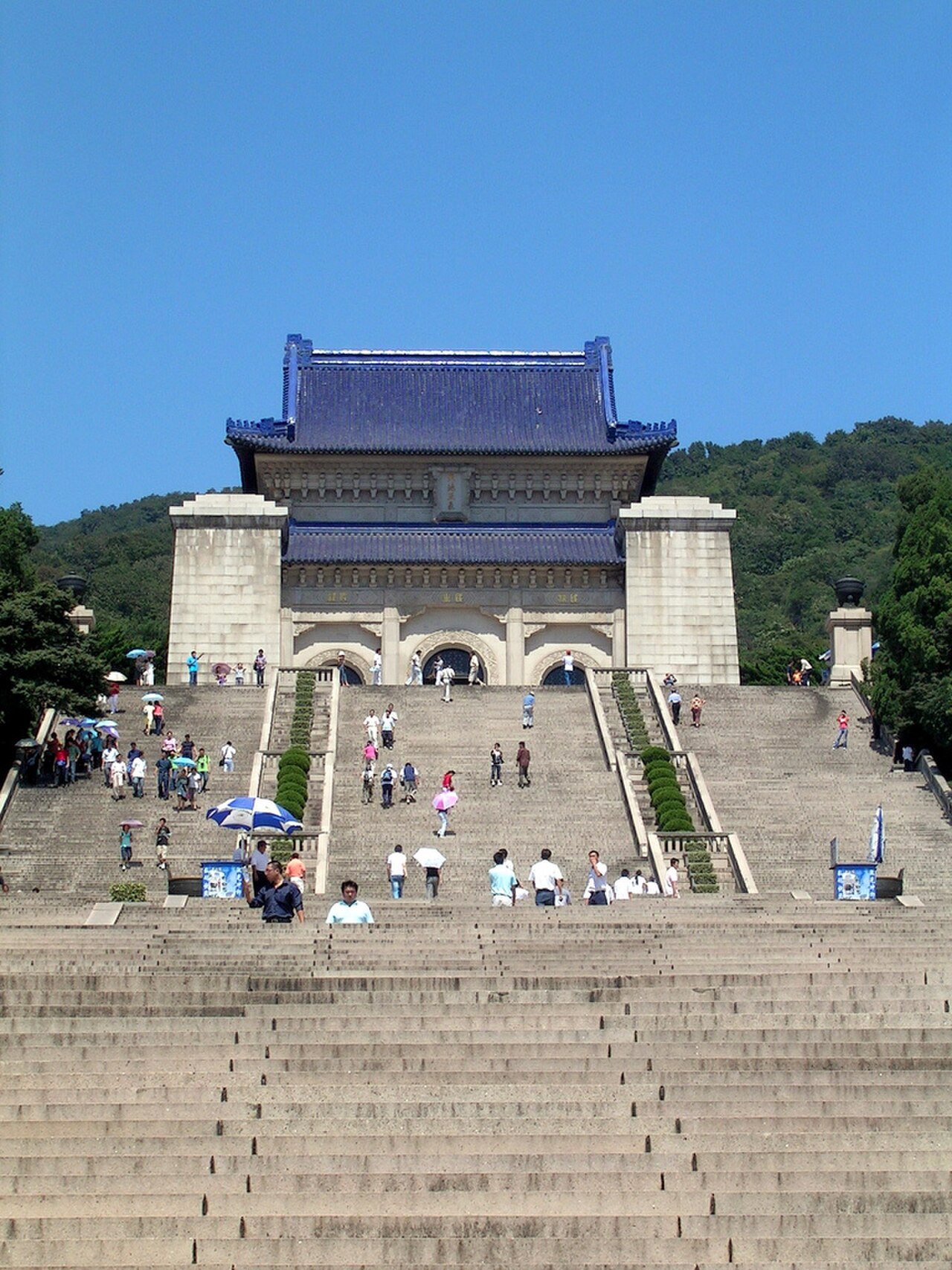
Sun Yat-sen, founder of the Republic of China, died in 1925 and was laid to rest on the southern slope of Purple Mountain on 1 June 1929. The architect Lü Yanzhi designed the site in the shape of a bell when seen from above. From the Bo'ai Archway, inscribed with Sun's "Universal Love", you climb 392 steps over ten platforms to the blue-roofed sacrificial hall. Look back from the top: the steps and platforms fall away below you, with the forest on either side.
Entry has been free since 12 November 2010, but you need a timed real-name reservation. The site closes on Mondays for maintenance, except on public holidays. Go early, before the heat and the tour groups.
Ming Xiaoling
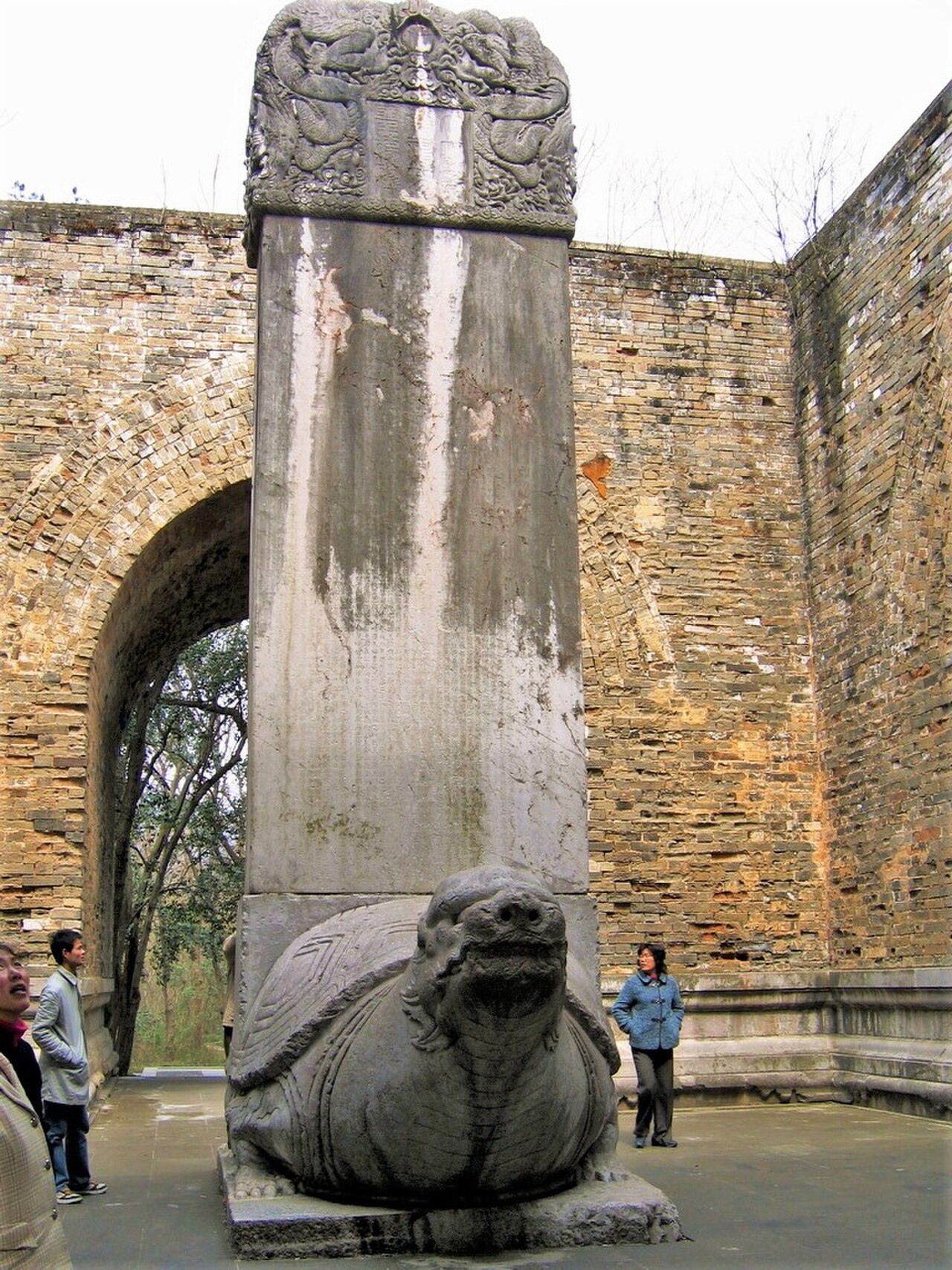
A short ride from the Sun Yat-sen Mausoleum is the tomb of the Hongwu Emperor Zhu Yuanzhang, founder of the Ming dynasty, and Empress Ma. It is one of the largest imperial tombs in China, and in 2003 it was added to UNESCO's Imperial Tombs of the Ming and Qing Dynasties listing. The highlight is the spirit way, where stone elephants, camels, horses and lions stand in pairs along a curving path. Sifangcheng holds a stele more than three metres tall put up by Zhu Di, the Yongle Emperor. The burial mound itself has never been excavated. Allow two to three hours.
Recent guides list the ticket at about 70 yuan, with a four-site combo for around 100 yuan.
Presidential Palace
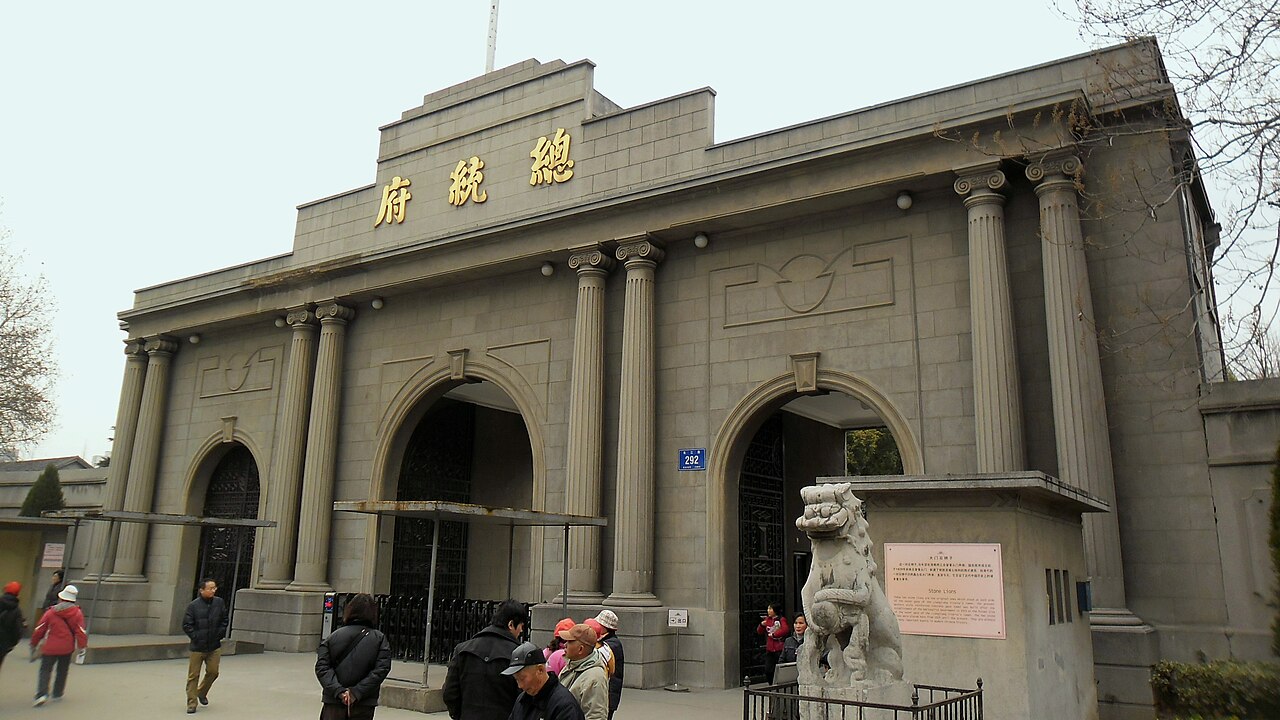
At 292 Changjiang Road, this compound tells five hundred years of history in one walk. It began as a Ming prince's residence, became the Qing office of the Liangjiang Governor-General, where Lin Zexu, Zeng Guofan and Li Hongzhang all served, and was rebuilt as Hong Xiuquan's palace when the Taiping made Nanjing their capital in 1853. Sun Yat-sen took office here as provisional president on 1 January 1912, and from 1927 it housed the Nationalist government. It is now the Nanjing Museum of Modern Chinese History.
The ticket is 35 yuan. The palace is closed on Mondays. Hours are 8:30 to 18:00 from 1 March to 14 October and 8:30 to 17:00 from 15 October to the end of February.
Xuanwu Lake
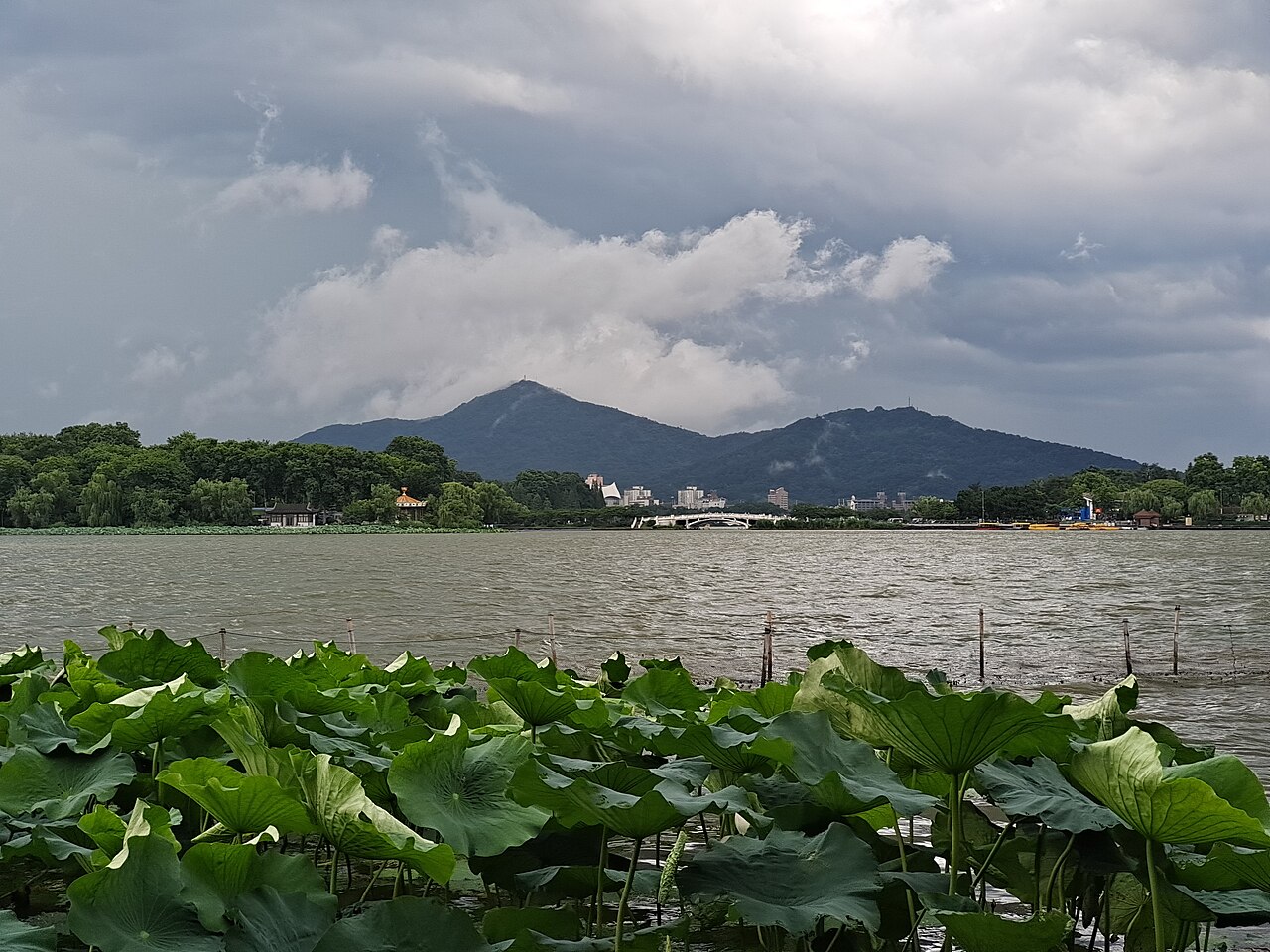
Just north of the palace, against the Ming city wall, lies Nanjing's big downtown lake, once an imperial garden and today the largest park in the centre. Five islets, Huan, Ying, Ling, Liang and Cui, are linked by causeways and bridges, so you can walk a long circuit with Purple Mountain as the backdrop. Cherry blossom on Huanzhou in spring, lotus in summer and golden trees in autumn give it something in every season. Climb the wall at Xuanwu Gate for a view over the water.
The park is free. Boats cost extra.
Confucius Temple and the Qinhuai River
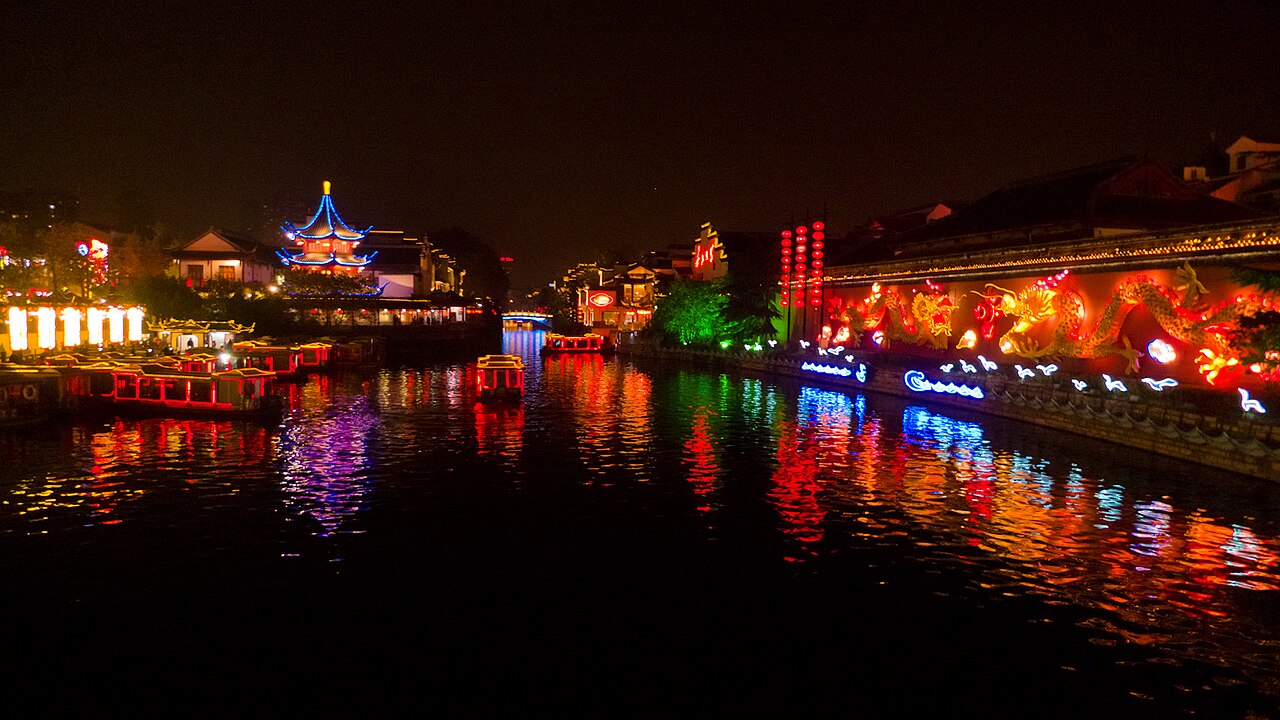
The Confucius Temple, Fuzimiao, stands on the north bank of the Qinhuai River. It was founded in 1034 under the Song, on the site of an older academy. The temple, the academy and the Jiangnan Examination Hall, where candidates sat the Ming and Qing provincial exams, make up the historic core. Across the river is a 110-metre screen wall built in 1575. Around them, the streets are full of snack shops and souvenir stalls.
The streets are free. Recent listings put the temple interior at about 30 yuan, the Examination Hall at about 50 yuan and a combo at about 70 yuan. Qinhuai boats are roughly 80 yuan by day and 100 to 120 yuan at night. Metro Line 3 stops at Fuzimiao. Come back after dark: the lights on the water are the best thing here.
Old South Gate
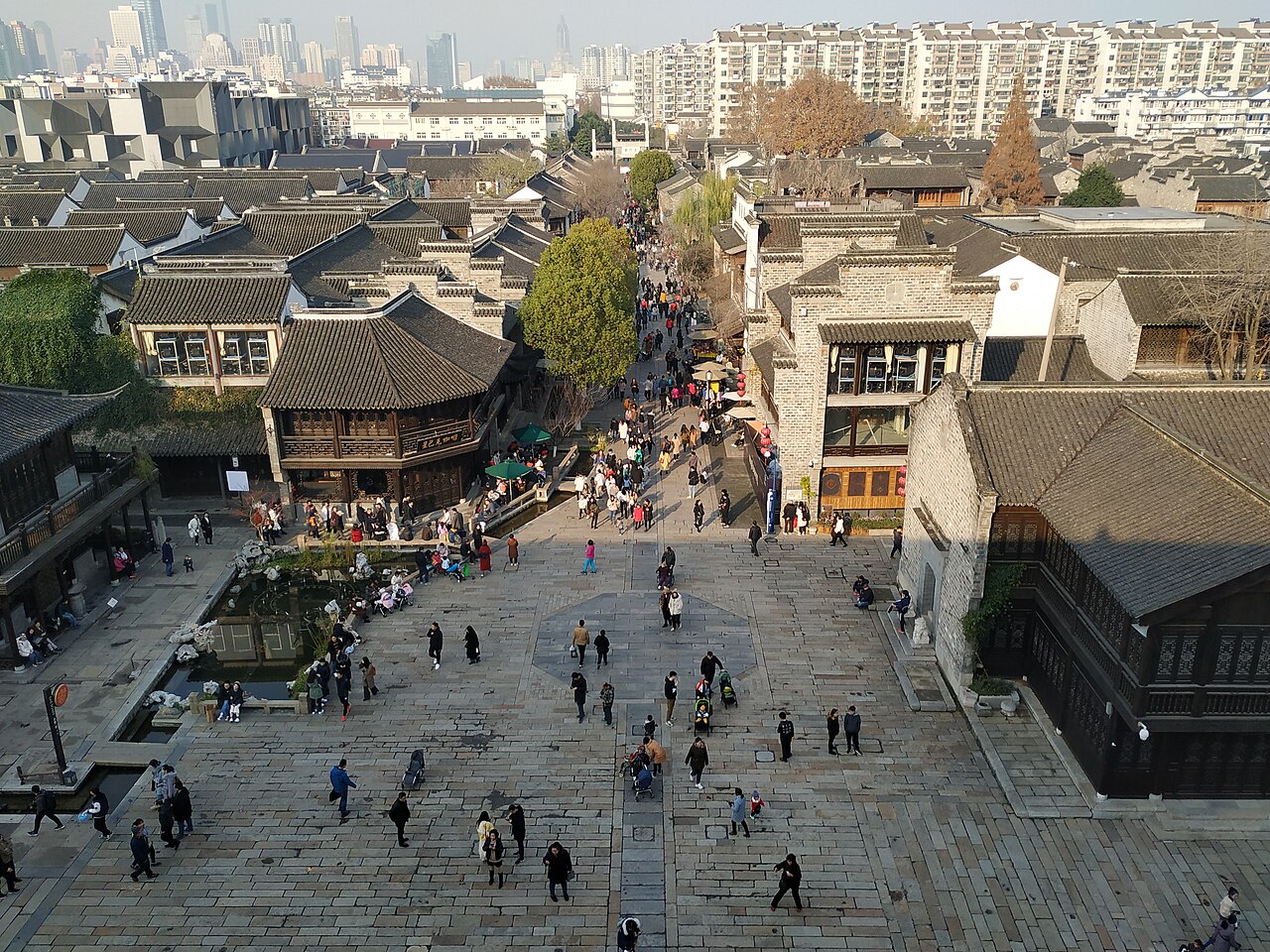
East of Zhonghua Gate, a short walk south of Fuzimiao, Old South Gate (Laomendong) has been a busy neighbourhood since the Southern Tang. The area was rebuilt as a historic quarter, and the first lanes opened in September 2013, with grey brick, horse-head gables and stone-paved alleys. It is full of old-name snack shops and crafts. Compared with Fuzimiao, it is quieter and better for a slow walk, especially in the evening under the city wall.
The lanes are free. The Zhonghua Gate wall sections are ticketed separately.
Eating in Nanjing
Nanjing loves duck. Salted duck, duck-blood vermicelli soup, pressed duck and duck gizzards are everywhere, and Han Fuxing is the classic name for salted duck. The everyday pairing is duck-blood vermicelli soup with a duck-oil flatbread. Other snacks to try: beef pot-stickers, plum-blossom cakes, sweet osmanthus taro and the set of "Eight Qinhuai Snacks" sold around Fuzimiao. For an evening of eating, try Fuzimiao, Shiziqiao, or the lanes of Old South Gate.
How to arrange the route
Day one: Purple Mountain. The Sun Yat-sen Mausoleum on your morning slot, lunch in the scenic area, then Ming Xiaoling's spirit way in the afternoon.
Day two: the centre. The Presidential Palace in the morning, lunch near the 1912 block, then Xuanwu Lake in the afternoon and a walk around it at sunset.
Day three: the south end. The Confucius Temple and the Examination Hall in the morning, snacks for lunch, Old South Gate in the afternoon, and a Qinhuai boat after dark.
If your trip includes a Monday, put the Purple Mountain day or the Presidential Palace on another day, and use Monday for Xuanwu Lake and the south end.
What to cut if short on time
With two days, merge the centre and the south end: Presidential Palace in the morning, Fuzimiao and the night boat later, and drop Xuanwu Lake or Old South Gate. With one day, choose between Purple Mountain and the Qinhuai evening.
Going further
Nanjing is a rail hub for the lower Yangtze. Yangzhou and Zhenjiang are close by. Along the line to Shanghai are Changzhou, Wuxi, Suzhou and Shanghai, and Hangzhou is under two hours away by high-speed train. Over the border in Anhui, Ma'anshan and Chuzhou make easy side trips. Farther afield in Jiangsu are Lianyungang on the coast and Taizhou.
Confirm before you go
- Your Sun Yat-sen Mausoleum reservation and the Monday closure, including holiday exceptions.
- Presidential Palace hours for your date and its Monday closure.
- Current prices at Ming Xiaoling, the Confucius Temple and the Examination Hall.
- Qinhuai boat times and prices.
- Weather during the plum rains and summer heat.
- Crowds at Purple Mountain and Fuzimiao on public holidays; go early.
Frequently asked questions
How many days do I need in Nanjing?
Three days is comfortable: one for Purple Mountain, one for the centre and one for the south end.
Is the Sun Yat-sen Mausoleum free?
Yes, entry has been free since 2010, but you need to reserve a timed slot. It is closed on Mondays except public holidays.
Can I see Ming Xiaoling and the Sun Yat-sen Mausoleum in one day?
Yes. They are close together on Purple Mountain. Do one in the morning and the other in the afternoon.
What is the best season to visit Nanjing?
Autumn, for the golden trees on Purple Mountain, and spring, for the blossom. Avoid the plum rains and high summer if you can.
Sources
The facts in this article were checked against the following Chinese Wikipedia entries, retrieved August 11, 2026, and the linked sight pages' official notices.
- Nanjing (city) https://zh.wikipedia.org/wiki/南京市
- Sun Yat-sen Mausoleum https://zh.wikipedia.org/wiki/中山陵
- Ming Xiaoling https://zh.wikipedia.org/wiki/明孝陵
- Nanjing Confucius Temple https://zh.wikipedia.org/wiki/南京夫子庙
- Nanjing Presidential Palace https://zh.wikipedia.org/wiki/南京总统府
- Xuanwu Lake https://zh.wikipedia.org/wiki/玄武湖
- Old South Gate https://zh.wikipedia.org/wiki/老门东
All photos are from Wikimedia Commons, used under CC licenses; re-use requires attribution.
- nanjing-zhongshanling.jpg from File Hall_of_Sun_Yat-sen_Mausoleum.jpg, by Jiong Sheng, taken September 12, 2007, CC BY-SA 2.0
- nanjing-mingxiaoling.jpg from File Stone_Sifangcheng.jpg, by wang leon, taken March 12, 2006, CC BY-SA 2.0
- nanjing-fuzimiao.jpg from File Qinhuai_River_Night.jpg, by SQFP, taken November 25, 2010, CC BY 2.0
- nanjing-zongtongfu.jpg from File 南京总统府南门.jpg, by 董辰兴, taken February 28, 2012, CC BY-SA 4.0
- nanjing-xuanwuhu.jpg from File Xuanwuhu.jpg, by CL4-LCLC, GFDL and CC BY-SA 4.0
- nanjing-laomendong.jpg from File 南京城墙俯瞰老门东06.jpg, by 西安兵马俑, taken December 23, 2018, CC BY-SA 4.0