Caozhou Peony Garden, the Bloom-Season Heart of Heze
Caozhou Peony Garden is the largest of the peony gardens in Heze, the southwestern Shandong city that calls itself China's peony capital. For about a month each spring its fields carry more than a thousand cultivars of tree peony in bloom, and for the rest of the year the gates may be closed altogether. Timing is the whole game here. The Heze guide builds the trip around one deep garden morning in April, and this page explains how to hit that window.
How the garden grew
Heze, historically called Caozhou, has grown peonies for many centuries, and the garden's own publicity traces the local tradition back to the Sui and Tang. Qunar's listing says the modern Caozhou Peony Garden was founded in 1982 on the basis of more than a dozen older private gardens from the Ming and Qing, including the Zhao family garden and the Sangli garden of the Daoguang era. A Shandong provincial publicity piece from April 2026 adds that in 2002 the garden absorbed historic gardens at Zhaolou and Guiling.
That 2026 piece gives the scale as more than 1,300 tree peony cultivars across nine colour groups and ten flower forms, about 800,000 plants, and more than 600 cultivars of herbaceous peony. Inside the grounds the Guohua Hall, the national flower hall, works as a peony museum and exhibition space.
The bloom calendar
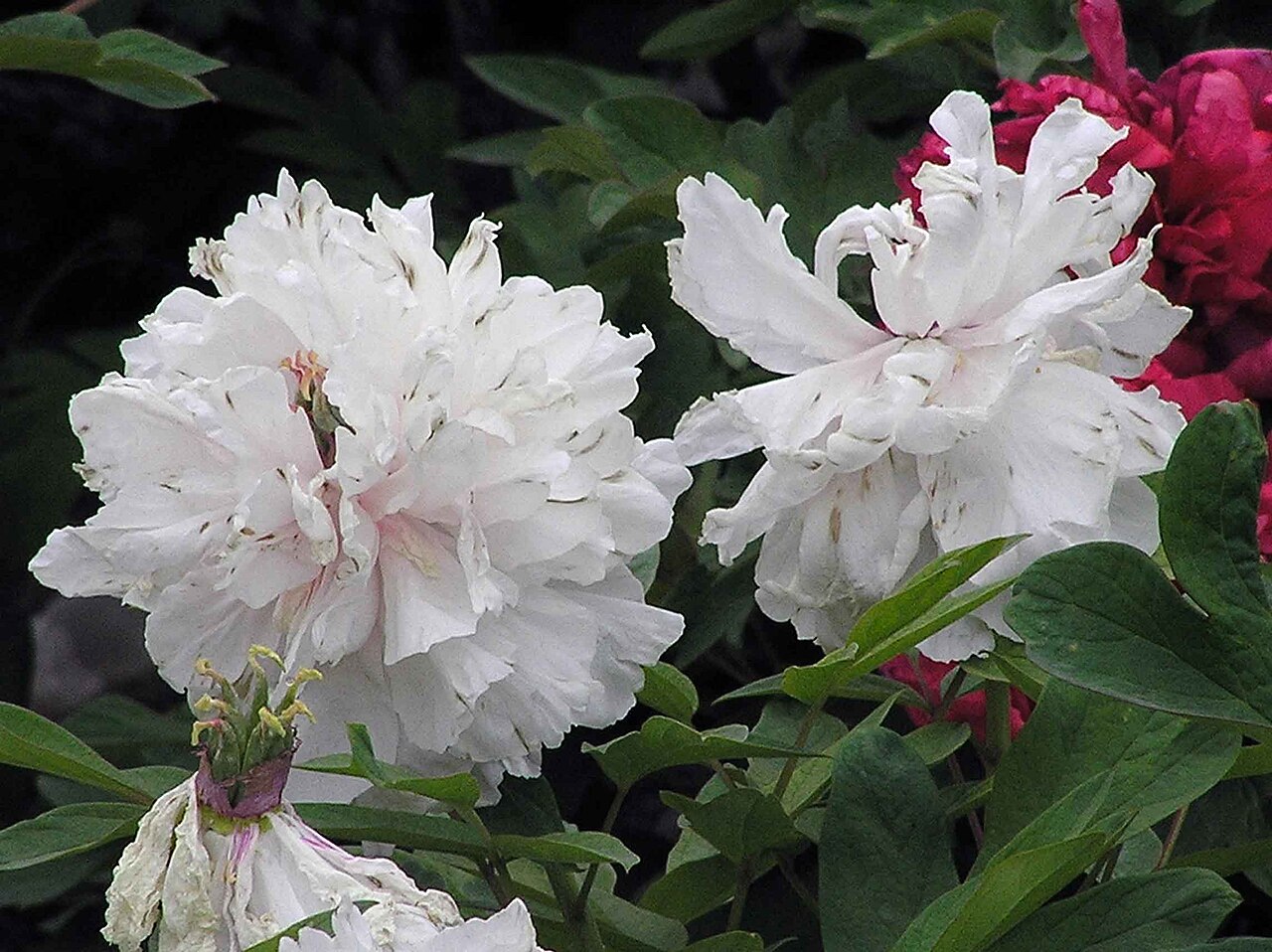
Peonies are fussy about weather, so the garden publishes a flower forecast each spring with the city meteorological bureau. For 2026 it split the season into three phases. The early phase ran from 1 to 3 April, with cultivars such as Jing Yu, the white flower in the photo above, and Guanyin Mian. The peak phase ran from about 4 to 22 April and brought the mass of famous cultivars such as Cao Zhou Hong and Zi Er Qiao. The late phase lasted from about 23 April to 5 May, with late flowers including Hua Wang, the Japanese-bred cultivar known as Kao, and near-black cultivars such as Mo Run Jue Lun.
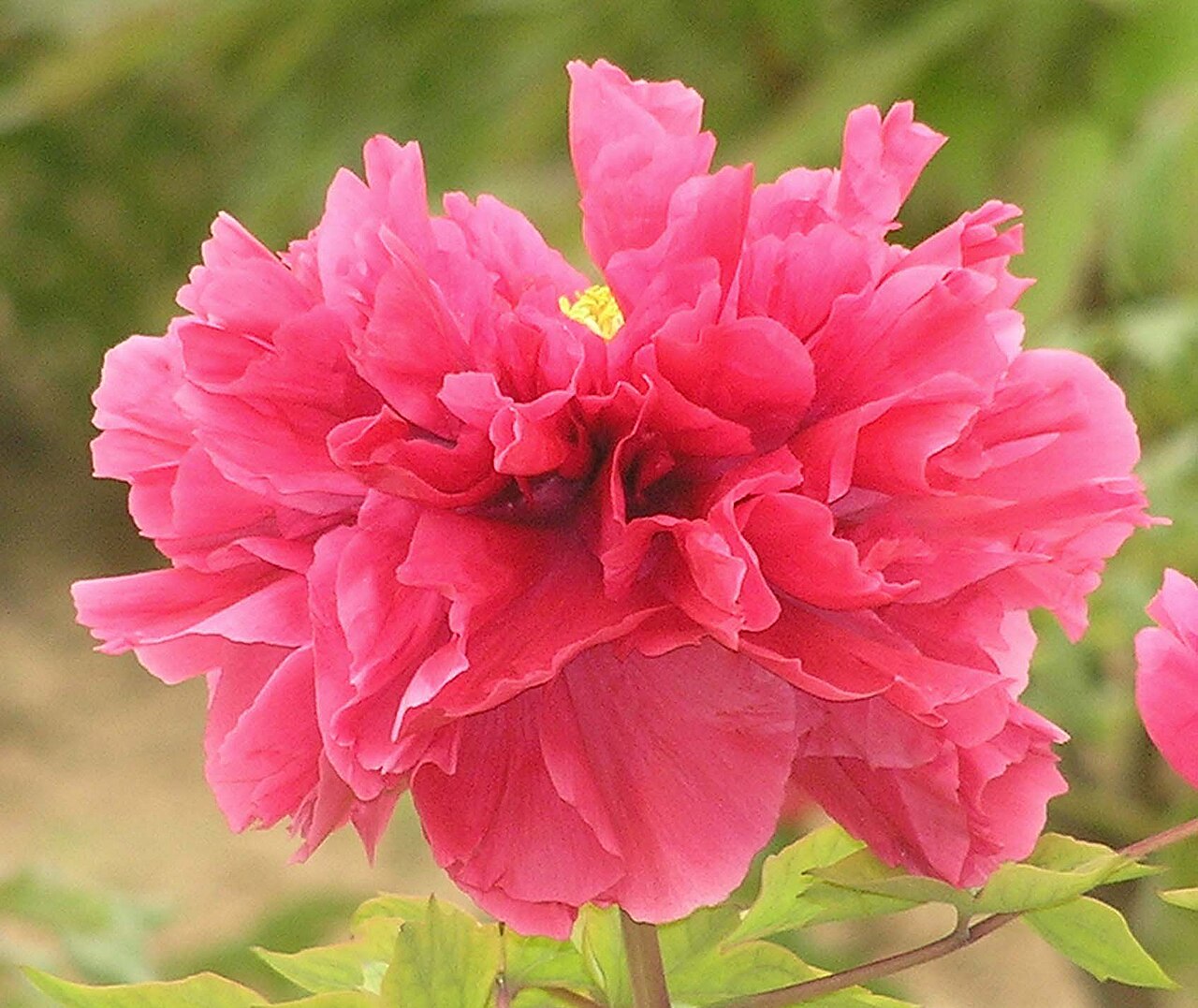
Around 1 May the herbaceous peonies take over, concentrated west of the Guohua Hall near the peony terrace, and they last into mid-May. Each year shifts by a few days with the weather, so watch the official forecast in March. The Heze peony competition, a judged show of cultivated plants, ran from 6 to 12 April in 2026.
Booking and tickets
In 2026 every visitor had to book in advance through the garden's official WeChat account, including people who qualify for free entry, and show the same ID at the gate. The Heze daily paper reported tiered prices of 30 yuan in the early and late phases and 60 yuan in the peak phase, with the garden reserving the right to adjust prices to the actual state of the flowers. Seniors, small children, service members, people with disabilities and holders of several local cards could enter free. Evening shows inside the garden were ticketed separately.
Opening hours in the 2026 season were 8:00 to 18:00 by day, with night openings from 18:30 to 21:00 from 4 April. Expect all of this to be republished each spring.
Visiting outside April
This is the point many overseas travellers miss. Qunar's listing for the garden shows it closed from 21 May to 12 February, with short openings in late winter and March before the main season. If you are reading this in autumn, the garden may be shut. Check the official account or call the visitor line before travelling, and treat Heze's off-season as a city stop with museums and markets.
Visit order on a bloom day
Arrive at opening. The main colour fields along the central avenue fill fastest, so walk them first, then drift into the side beds where named cultivars carry labels. Midday light is flat on petals, so use that time for the Guohua Hall. Return to the fields in late afternoon, or come back for a night opening if you want lit beds without the crush. Three to five hours is the suggestion on Qunar, and the city guide warns against chasing several peony parks in one hot afternoon.
Getting there
Qunar gives the address as 1000 Renmin Road in Mudan District, near National Road 220 on the north side of the city. A taxi from Heze station or Heze East is the easiest way in. During the festival weeks roads near the gates jam, so start early.
Before you go
- Book through the official WeChat account before the day, and carry the same ID.
- Check the spring bloom forecast before booking trains.
- Bring a hat and water, since the fields have little shade.
- Stay one night near the garden in peak week to get an early start.
- See the Heze travel guide for food and city fillers.
Frequently asked questions
When is the best time to see peonies in Heze?
Usually mid April. In 2026 the garden named 4 to 22 April as the best viewing period.
Is Caozhou Peony Garden open all year?
Listings show it closed from late May to mid February. Check before travelling outside spring.
Do I need to book?
In 2026 every visitor had to book through the official WeChat account.
Are there other peony gardens in Heze?
Yes, several, including the Gujin Garden and the Baihua Garden. Most travellers pick one main garden.
Sources
Facts in this article were checked against the following sources, retrieved 17 October 2026.
- Shandong Publicity Network, Caozhou Peony Garden opening and bloom forecast, April 2026
- China Heze Net, 2026 bloom phases and ticket prices
- NetEase, 2026 season tickets and concessions
- Sdnews, 2026 Heze peony competition dates
- Qunar, Caozhou Peony Garden listing with seasonal hours
- Heze travel guide on this site
Photos are from Wikimedia Commons under the licences shown in each caption.