Huainan Travel Guide: Bagongshan, the Birthplace of Tofu, and Shou County
Huainan is a coal and power city on the south bank of the Huai River, an hour or less from Hefei by high-speed train. Visitors come for Bagongshan, a low wooded range on the city's western edge where legend says tofu was invented, and, increasingly, for Shou County, an old Chu capital with intact city walls that has been part of Huainan since 2015. Allow a day for each.
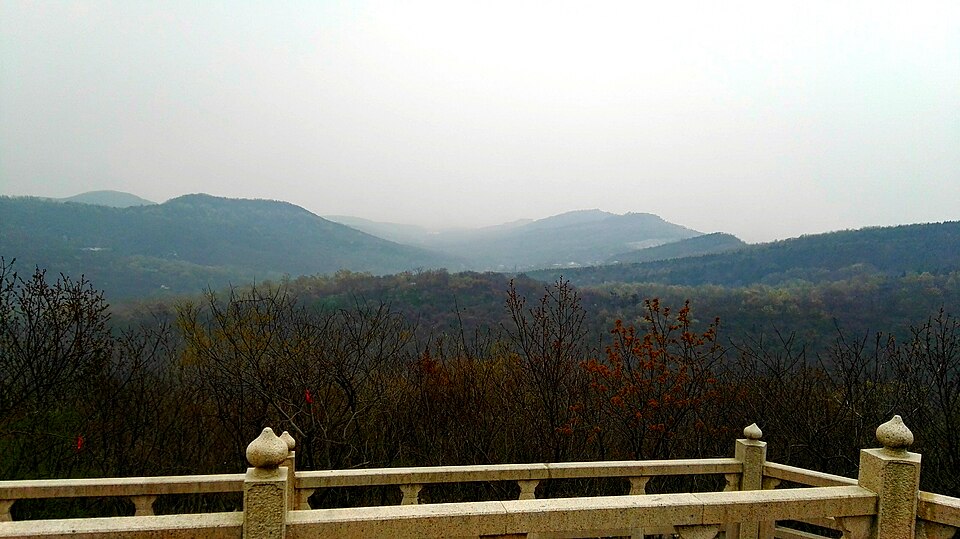
Bagongshan: legends and walks
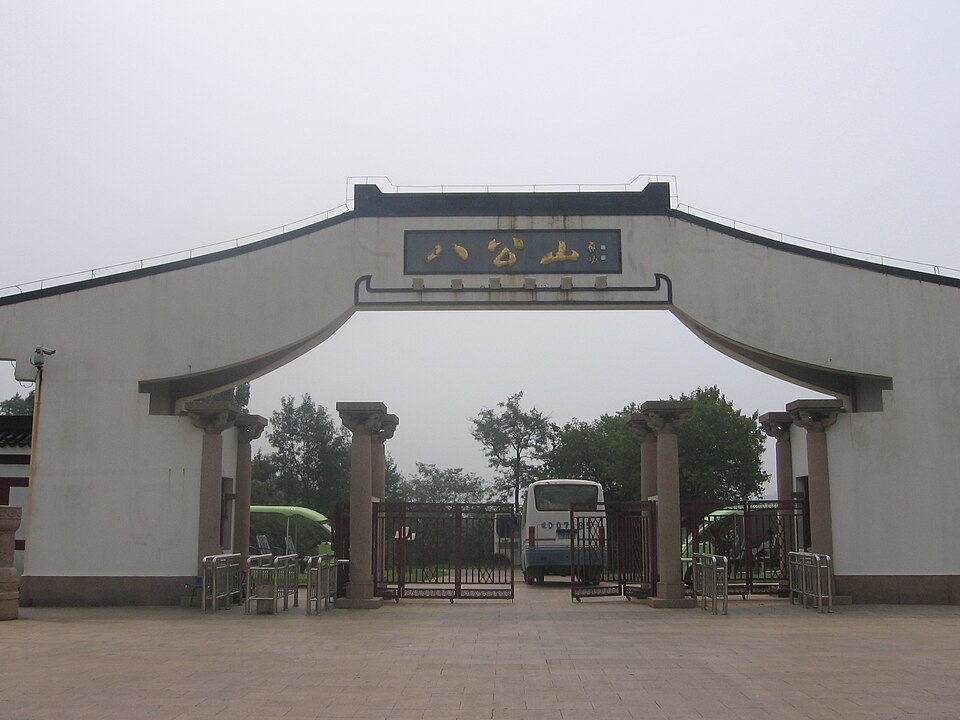
Bagongshan takes its name from the "eight elders" (ba gong), the scholars gathered by Liu An, the Han-dynasty Prince of Huainan. Several stories hang on the mountain:
- Tofu. Liu An and his followers were supposedly trying to make an elixir of immortality when gypsum got into a pot of soy milk and curdled it. That, the legend says, was the first tofu.
- "When one man attains the Way, even his chickens and dogs rise to heaven." The idiom comes from the tale of Liu An ascending as an immortal, with his household animals following after licking the remains of the elixir.
- "Every bush and tree looks like an enemy soldier." This expression comes from the Battle of Fei River in 383, fought near here, when a panicking northern army mistook the trees on Bagongshan for troops.
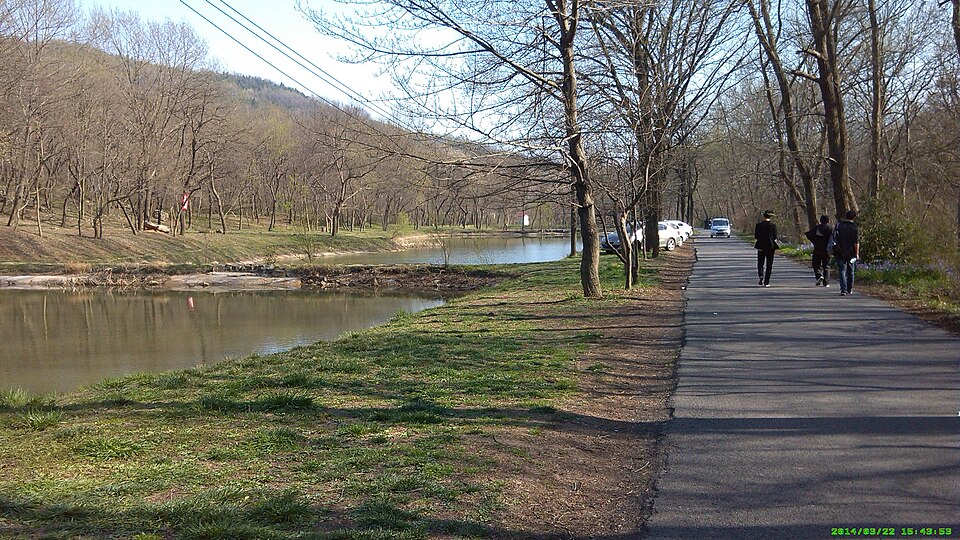
The scenic area is not a dramatic mountain; the hills are modest and wooded. It's a place for a gentle half-day of walking, with valleys such as Wangqing, the rebuilt White Pagoda Temple (originally founded in the Northern Song by a monk from Luoyang's White Horse Temple), and outcrops of very old rock. Fossils of the "Huainan worm", among the oldest known traces of complex life, were found in the area. Check the official notice for 2026 tickets and opening hours.
Shou County
Shou (Shouchun) was the last capital of the state of Chu from 241 BC, before Qin conquered it, and it later grew rich on pottery and trade. Today the county town is enclosed by brick walls, rebuilt in the Song dynasty and among the best-preserved city walls in China, which you can walk along for views over the roofs and moat. Inside are old streets, a Confucian temple and a museum with finds from Chu tombs. Bagongshan lies just across the river from the walls, so the two pair naturally in a single long day if you're quick, or more comfortably over two.
When to come to Huainan
The Huai River marks the boundary between northern and southern climates. Summers are hot and humid; winters cold and damp, with fog. April to June and September to November are best for walking Bagongshan and the walls of Shou. Early summer brings the plum rains.
Getting in and where to stay
Huainan has three stations, so check your ticket:
- Huainan East, on the Hefei–Bengbu high-speed line.
- Huainan South, on the Shangqiu–Hangzhou high-speed line.
- Huainan station, in the city, for conventional trains.
Hefei, the provincial capital, is close enough for a day trip, but an overnight in Huainan makes the trip much more relaxed. Stay near Bagongshan or in the city centre; for Shou, staying inside the walls is the most atmospheric choice. Taxis and buses cover Bagongshan; Shou is a short drive west.
Eating in Huainan
Two foods define Huainan. Tofu comes in countless forms, from silky fresh tofu to fried, pressed and stuffed versions; restaurants serve whole tofu banquets. Huainan beef soup is the breakfast of choice: a rich, spicy beef broth with sliced beef and vermicelli, served with flatbread. You'll find beef soup shops all over the city and beyond. Ask about the price for extra beef, which is often charged separately.
How to arrange the route
Day 1: Arrive by high-speed train, Bagongshan in the afternoon, tofu dinner in the city.
Day 2: Beef soup breakfast, then Shou County: walk the walls, old streets and museum; continue to Hefei or Bengbu.
Huaibei, in the far north of Anhui, has the Sui–Tang canal and Linhuan teahouses.
What to cut if short on time
With one day, choose: Bagongshan for legends and an easy walk, or Shou for the walls and old town. Shou is the stronger sight for history lovers. Skip industrial city sights.
Things to confirm before you go
- Bagongshan scenic area tickets and opening times; none are quoted here.
- Access to the wall walk and museum in Shou.
- Which Huainan station your train uses.
- Road time between Bagongshan and Shou if you're doing both in a day.
Frequently asked questions
How many days do I need in Huainan?
One day for Bagongshan or Shou, two for both.
Was tofu really invented in Huainan?
That's the traditional story, linked to Liu An in the 2nd century BC. Historians debate it, but Huainan has embraced the legend and holds tofu festivals.
Is Bagongshan like Huangshan?
No. It is a low, wooded range with historical legends rather than granite peaks. For dramatic mountains, go to Huangshan.
Sources
The facts in this article were checked against the following Wikipedia and encyclopedia entries, retrieved September 22, 2026, and rechecked on October 17, 2026.
- Huainan https://en.wikipedia.org/wiki/Huainan
- Bagongshan summaries (cross-checked)
- Huainan tofu culture framing (cross-checked)
- Bagong Mountain Scenic Spot https://en.wikipedia.org/wiki/Bagong_Mountain_Scenic_Spot
- Shou County https://en.wikipedia.org/wiki/Shou_County
Tickets change; this article does not invent yuan amounts.
All photos are from Wikimedia Commons, used under CC licenses or public domain; re-use requires attribution.
- huainan-bagong.jpg from File:Bagong Shan.jpg, by Virgil Guo, CC BY-SA 4.0
- huainan-wangqing.jpg from File:八公山忘情谷 - panoramio.jpg, by 李泉, CC BY-SA 3.0
- huainan-bagong-spot.jpg from File:Bagong Mountain Scenic Spot.jpg, by Zhou Guanhuai, CC BY-SA 4.0