Huaibei Travel Guide: A Coal City with Canal History and Teahouses
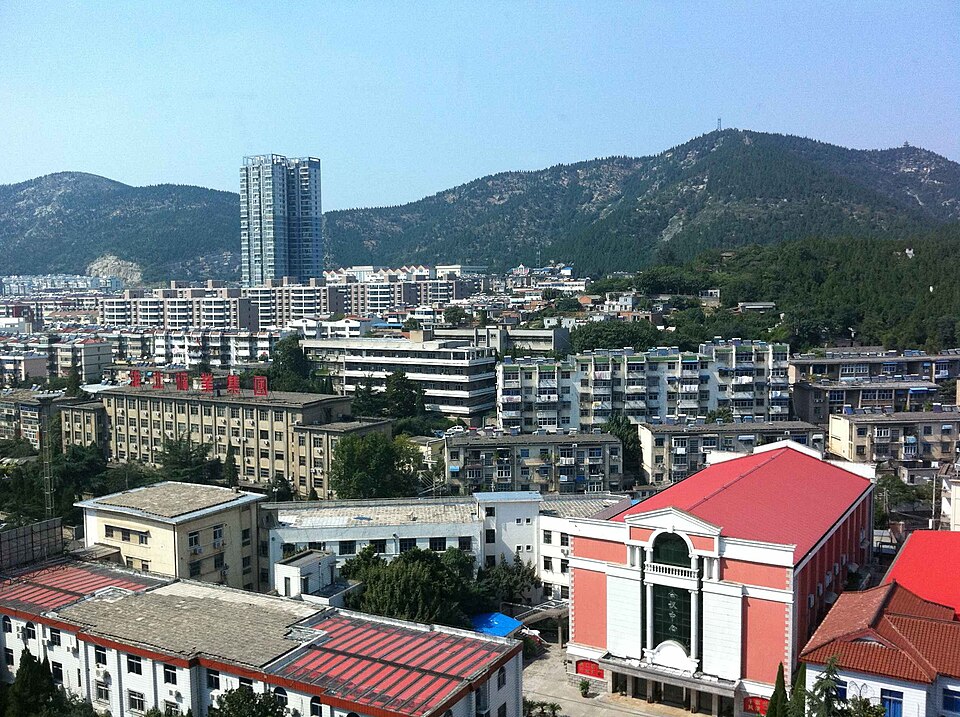
Huaibei is a northern Anhui coal and liquor town near the point where Anhui, Jiangsu and Henan meet. It isn't a headline destination, and one night is enough for most people. Two things justify a stop: the city's role on the Sui–Tang Grand Canal, shown in the canal museum and the Liuzi dock site in Suixi County, and the teahouses of Linhuan old town. Add Xiangshan park for a walk and the Nanhu wetland at dusk and you have a full, easy day.
What to see
The Sui–Tang Grand Canal
Long before the Beijing–Hangzhou canal took its familiar route, the Sui and Tang dynasties ran a canal west to Luoyang, and part of it, the Tongji Canal, crossed this plain. When the Yellow River captured the Huai in the Southern Song, silt buried it. Road builders rediscovered the old embankment at Liuzi village, in Baishan town about 25 km from the Suixi county seat, in 1999. Excavations turned up stone bridge piers, Tang-era sunken boats and huge quantities of ceramics from more than 20 kilns, and Liuzi became one of the component sites of the Grand Canal World Heritage listing in 2014.
Two places tell the story:
- The China Sui–Tang Grand Canal Museum (Huaibei Museum), on Bowuguan Road in Xiangshan District, is a national first-grade museum. More than 70% of its collection comes from Liuzi. It has typically opened Tuesday to Sunday; check current hours and booking rules before you go.
- The Liuzi bridge site museum, opened in May 2025 directly over the excavation, shows the Northern Song bridge piers, the old riverbed and boats in place. It's a car ride out, and combines naturally with Linhuan.
Xiangshan park
Xiangshan, the hill that gives the central district its name, rises right behind the city. Paths climb through woods to pavilions and a temple, and on a clear day the view takes in the whole city and the plain beyond. Allow two hours. Go early in summer, as the paths are exposed by midday.
Nanhu wetland park
South of the centre, Nanhu (South Lake) is a large lake park created on land that subsided after coal mining, now landscaped with boardwalks and reed beds. It's how locals spend summer evenings, and it shows how mining cities in northern China are trying to reinvent themselves.
Linhuan old town
Linhuan, in Suixi County southeast of the city, is an ancient town with remnants of old earthen walls. Its real attraction is its teahouses. Linhuan grows no tea, but its position near the canal brought southern tea north, and a drinking habit that locals date back some six hundred years. The local "stick tea" (bangbang cha) is brewed from the stems of black tea or Guapian leaves: cheap, strong and poured from big kettles while regulars listen to local drum-ballad singing. Linhuan is only about 15 km from Liuzi. Come in the morning when the teahouses are busiest. It needs a car or local bus and half a day.
When to come to Huaibei
The climate is hot and humid in summer, cold and dry in winter. April to June and September to November are the comfortable months for parks and Linhuan's teahouses. Summer is best for evening visits to Nanhu. Winter days are grey and short.
Getting in and where to stay
Huaibei station handles conventional trains on northern Anhui lines, and Suixi station serves the county. For high-speed connections, the big hub at Xuzhou East in Jiangsu is about an hour away by road, linking Beijing, Shanghai and Zhengzhou. Check train times carefully; services at Huaibei itself are limited.
Stay in Xiangshan District, near the park and the centre. It's convenient for both the museum and Nanhu.
Eating in Huaibei
The food is northern Anhui: wheat noodles, flatbreads, mutton soup for breakfast, and freshwater fish. Huaibei's liquor industry is over a thousand years old, and Kouzi baijiu, distilled in the county, is the local drink; you'll see the brand everywhere. Prices in neighbourhood restaurants are low; ask about prices for whole fish, which are usually sold by weight.
How to arrange the route
Day 1: Morning at Xiangshan park, afternoon at the Grand Canal museum, evening at Nanhu.
Day 2 (optional): Linhuan teahouses in the morning, with a stop at the Liuzi canal site, then on to Suzhou (Anhui), Bozhou, Bengbu or Hefei.
What to cut if short on time
Drop Nanhu first, then Xiangshan. If canal history interests you, keep the museum; if you like local life, keep Linhuan.
Things to confirm before you go
- Museum opening days and reservations.
- Transport to Linhuan and the Liuzi site, which are outside the city.
- Onward train times and stations.
- Ticket prices, if any; none are quoted here.
Frequently asked questions
How many days do I need in Huaibei?
One day covers the city. Add a morning for Linhuan's teahouses.
Is Huaibei a major Anhui destination?
No. For headline scenery and Hui villages, go to Huangshan in the south. Huaibei suits travellers interested in canal history or passing through northern Anhui.
Huaibei or Huainan?
Huainan has Bagong Mountain and a claim as the birthplace of tofu; Huaibei has the Sui–Tang canal and Linhuan. Both are short stops. See the Huainan guide.
Sources
The facts in this article were checked against the following Wikipedia and encyclopedia entries, retrieved September 22, 2026, and rechecked on October 17, 2026.
- Huaibei https://en.wikipedia.org/wiki/Huaibei
- Xiangshan / Nanhu park framing (cross-checked)
- Huaibei Municipal Government, Liuzi Canal Site page https://www.huaibei.gov.cn/ljhb/whzl/wwgj/62765841.html
- Xinhua, China Sui-Tang Grand Canal Museum feature (May 2025) https://www.news.cn/local/20250518/f57bd18fb9944649be1d04326f8f1e8d/c.html
- Anhui News, Liuzi bridge site museum and Linhuan tea culture (March 2026) http://wlr.ahnews.com.cn/news/2026/03/12/c_866427.htm
Tickets change; this article does not invent yuan amounts.
All photos are from Wikimedia Commons, used under CC licenses or public domain; re-use requires attribution.