Taoxichuan, a State Porcelain Factory Turned Studio District
Taoxichuan is a creative district in the east of Jingdezhen built inside the former Yuzhou Porcelain Factory, one of the state porcelain works that once made the city's export ware. The brick workshops, kilns, chimneys and water towers were kept, the interiors were rebuilt, and since October 2016 the site has held studios, galleries, cafés, a ceramics museum and one of the busiest craft markets in China. It is where young potters from around the country sell their work, and it shows the twentieth-century chapter of Jingdezhen that the Ancient Kiln park does not cover.
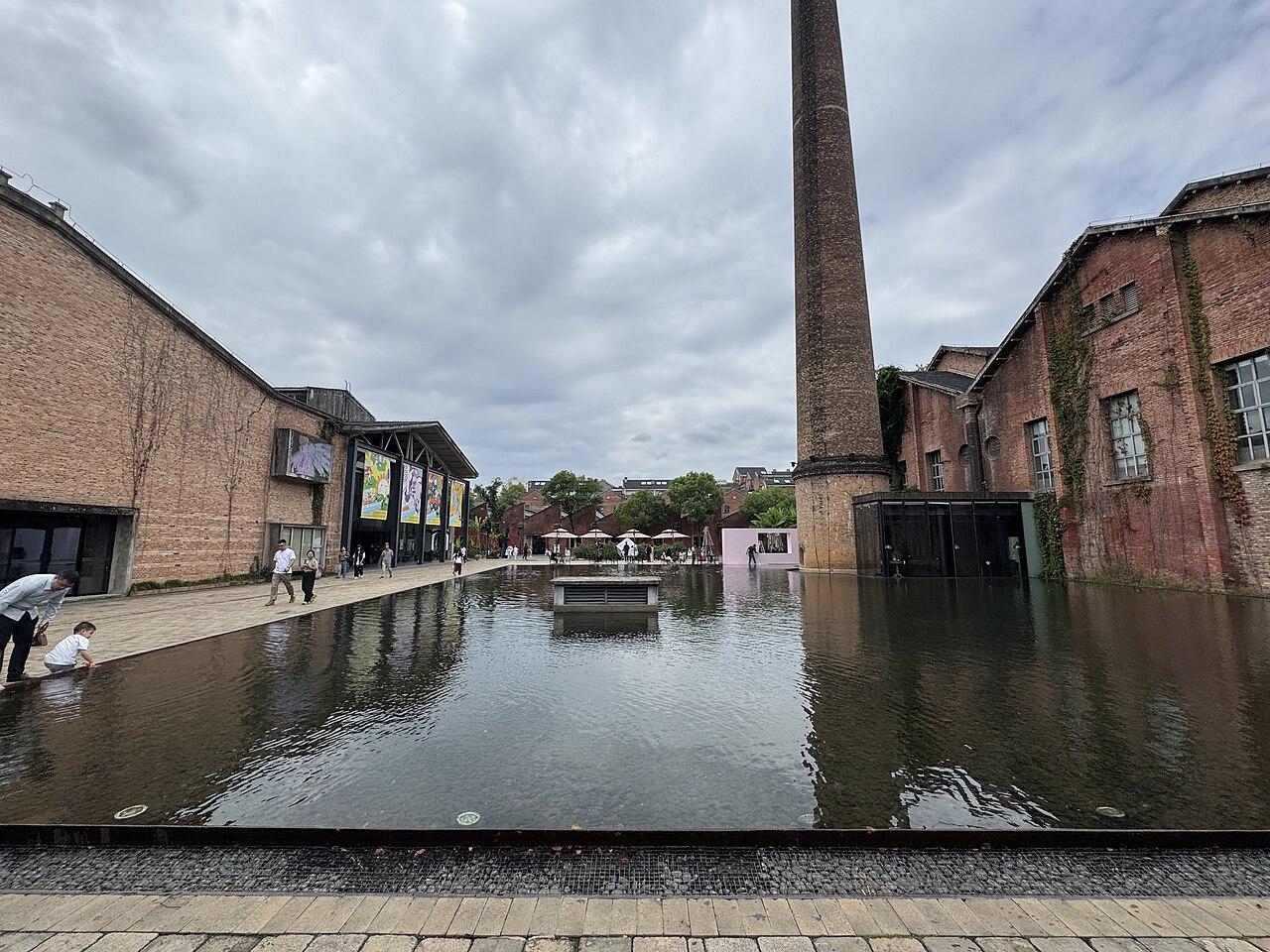
The factory it used to be
The Yuzhou (Universe) Porcelain Factory was founded in 1958. A 2026 Xinhua report describes it as Jingdezhen's first mechanised porcelain enterprise and one of the largest and best-equipped makers of everyday porcelain in China at the time. It was known for American-style tableware for export, and its decorative plate series of the "Twelve Beauties of Jinling" from Dream of the Red Chamber sold in the United States, Canada and Southeast Asia. A 2017 report in Economic Information Daily says foreign buyers called it the royal porcelain factory of Jingdezhen. At their peak, the city's ten state porcelain factories, Yuzhou among them, produced half of China's everyday porcelain and 80 percent of its export porcelain.
In the 1990s, faster industrial producers in other regions undercut Jingdezhen's hand-skilled factories, and Yuzhou stopped production. The buildings stood empty.
How it was rebuilt
In the summer of 2012 the city's Ceramic Culture Tourism Group consulted planners and heritage specialists and decided to keep the old factory and restore it. Work began in 2013, with an overall plan by Tsinghua Tongheng and buildings designed by Chinese, Japanese and Korean architects. Twenty-two old workshops of different periods were saved, along with coal-fired tunnel kilns and round kilns. The district opened on 18 October 2016.
The architecture tells the factory's history. Sawtooth-roofed workshops in a Bauhaus-influenced style date from the 1950s and 1960s, and plain concrete blocks from the 1980s and 1990s. Glass roofs were added to the old sheds to light new studios and galleries. The old chimney still stands in the middle of the main square, and kiln bricks were reused as paving. Painted factory-era slogans survive on some walls.
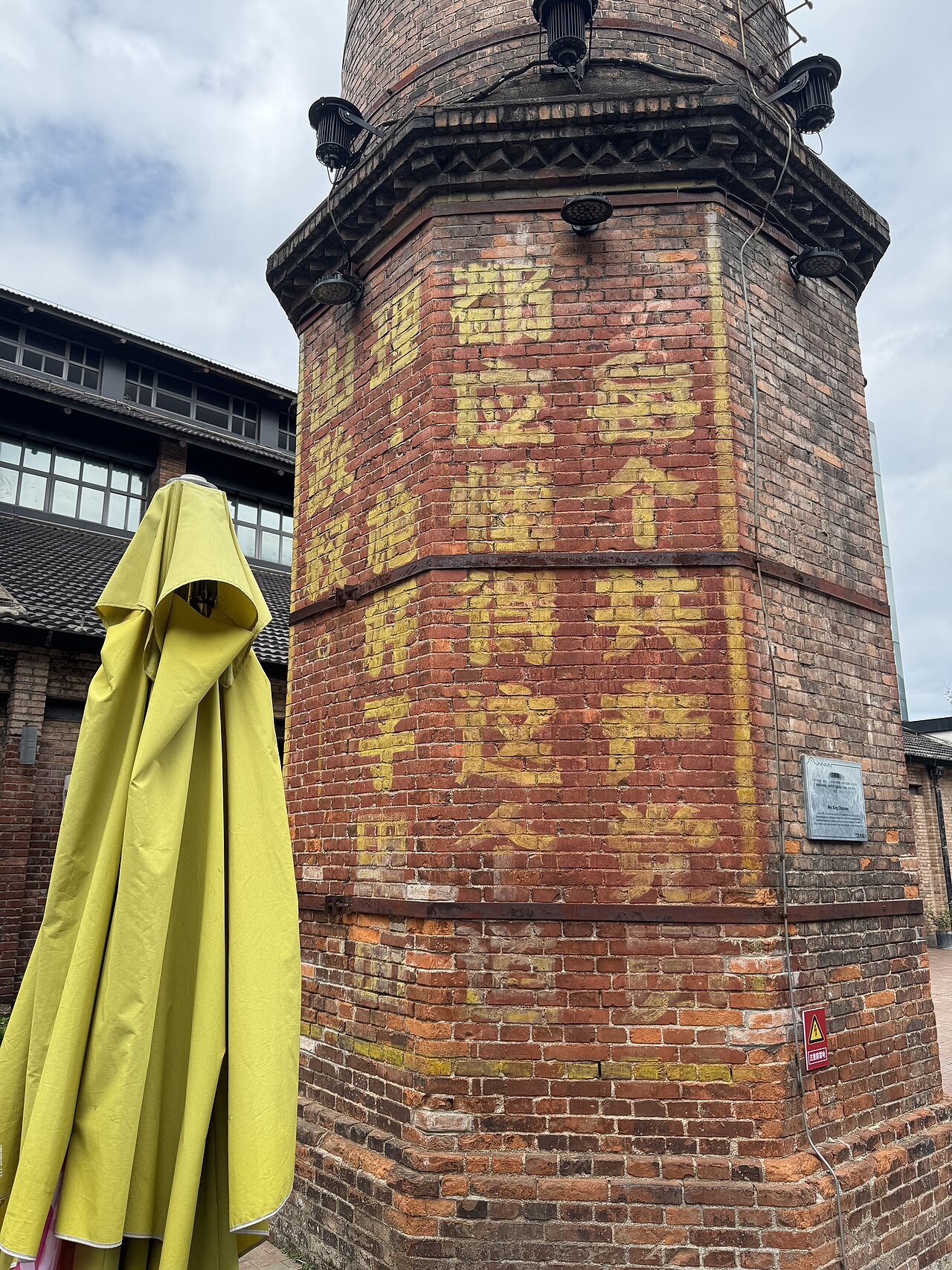
What is inside
The old kiln workshops now house the Jingdezhen Ceramic Industrial Heritage Museum and the Taoxichuan Art Museum. The heritage museum covers the state-factory era, and Xinhua describes a large wall of rotating black-and-white portraits of former porcelain workers. The former raw-materials workshop became a space for hands-on pottery. The Yi Creative Space was first offered to young makers free of charge so they could sell their work. Later phases opened the former Ceramic Machinery Factory and Weimin Porcelain Factory areas, with studios, a theatre, shops and hotels.
The market
The market is what most visitors come for. The main avenue is closed to traffic and given over to stalls. The first market in 2016 had 55 stallholders and little trade. By 2026 Xinhua reported more than 1,200 stalls each weekend, with places hard to get, peak days above 100,000 visitors, and more than 59 weekend and night markets held in 2025 with close to three million visitors.
Travel listings in 2026 put the creative market on Friday, Saturday and Sunday from late afternoon into the evening. Dates and times can change for holidays and festivals, so check the day's notice. A good plan is to walk the factory buildings and museums in daylight, then come back when the stalls open. Jingdezhen has other markets on other days, including a Saturday market at the Sculpture Factory, and the Jingdezhen guide puts Taoxichuan in the evening of its first day.
Buying well
Stalls sell everything from student pieces to work by established studio potters. Prices vary widely. Ask whether a piece is handmade or moulded and how it was fired, and handle cups to feel the weight and the foot. Many sellers can pack or ship pieces, so ask about terms before you pay.
Getting there
Taoxichuan is in the city's east, a short taxi or ride-hailing trip from central hotels and from the Ancient Kiln park. Allow two hours for the buildings and museums and as long as you like for the market.
Things to confirm before you go
- Market days and opening times for the week of your visit.
- Museum opening hours and closing days.
- Payment options at stalls and shipping terms.
- Space in your luggage for fragile purchases.
Frequently asked questions
What was Taoxichuan before?
It was the Yuzhou Porcelain Factory, a state porcelain works founded in 1958 that made export tableware and stopped production in the 1990s.
When does the market run?
Listings in 2026 put it on Friday to Sunday from late afternoon into the evening. Holidays can change the schedule.
Is it worth visiting without the market?
Yes, for the factory buildings and the industrial heritage museum, although the place is much quieter on weekdays.
Is it the same as the Ancient Kiln?
No. The Ancient Kiln park shows Song to Qing handmade production. Taoxichuan is the twentieth-century factory turned into studios.
Sources
Facts in this article were checked against the following sources, retrieved 10 October 2026.
- 瞭望 | 陶溪川, Xinhua, May 2026
- 陶溪川, Economic Information Daily, November 2017
- Taoxichuan in Jingdezhen, Xinhua Silk Road
- About Taoxichuan, Jingdezhen International Studio
- Jingdezhen markets weekly guide, MyChina Guide
Photos are from Wikimedia Commons under the licences shown in each caption.