Lincang Travel Guide: Cangyuan Rock Art, Wa Culture and the Tea Hills
Lincang, in southwest Yunnan on the Myanmar border, is tea country and Wa country. Its two big draws are hours apart by road. In Cangyuan, red ochre rock paintings 2,700 to 3,800 years old cover limestone cliffs, and Wa villages keep their thatched houses and legends. In Shuangjiang, the Mengku tea hills include Bingdao, a village whose leaves are among the most prized in pu'er. Choose one as your main focus, base yourself there, and use Lincang city only as the place you arrive. Three days lets you do both.
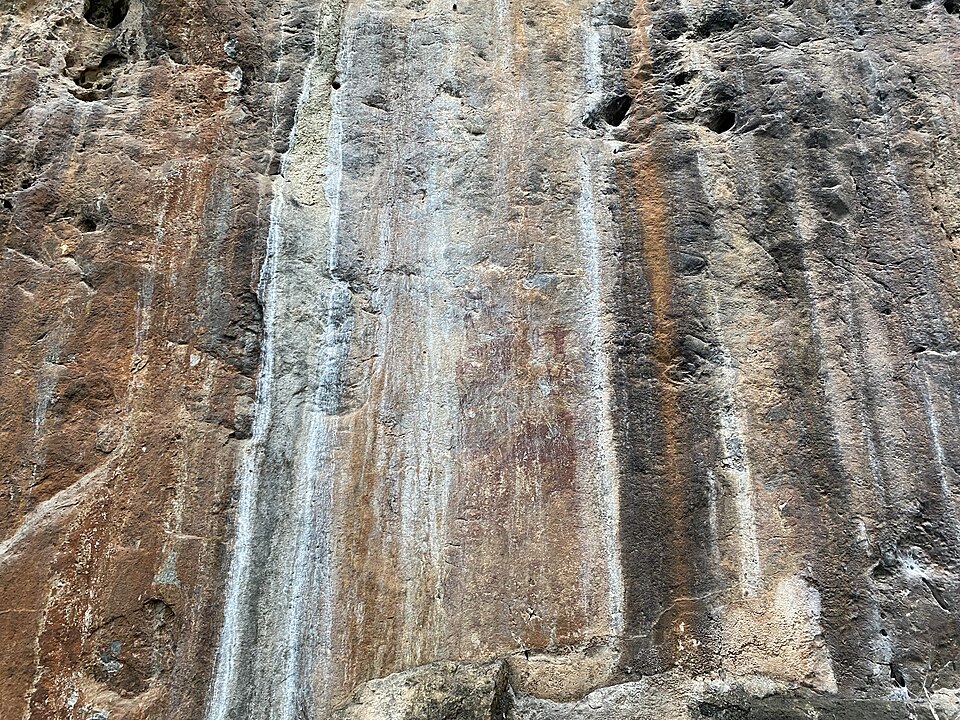
Cangyuan: rock art and the Wa
The Cangyuan rock paintings
Cangyuan Wa Autonomous County has 17 rock painting sites, found in January 1965 by researchers surveying local ethnic groups. The figures are painted in red hematite on smooth limestone cliffs between 1,200 and 2,000 metres up: people hunting, dancing and herding, animals, houses and sun symbols. Uranium-series dating in 2020 put them at roughly 3,800 to 2,700 years old. They have been a national protected site since 2001. Site No. 1, in the photo above, is one of the best known. The paint is faded in places, so go in clear morning light and bring binoculars. Access and tickets follow the county's notices.
Wengding village
Wengding was long billed as the best-preserved traditional Wa village, with thatched stilt houses (people above, animals below) and old sacrificial posts. On 14 February 2021 a fire destroyed almost all of its 105 bamboo-and-thatch buildings. The old village was rebuilt on the same site and reopened on 28 December 2022, and it regained its 4A rating in November 2023. What you see now is a careful reconstruction, still lived in, so be respectful when taking photos.
Sigangli
In Wa legend, people first emerged from a cave called Sigangli. The cave and the canyon around it near Cangyuan have been developed as a scenic area that ties the legend to the landscape. It works well on the same day as the rock paintings.
Shuangjiang: the Mengku tea hills
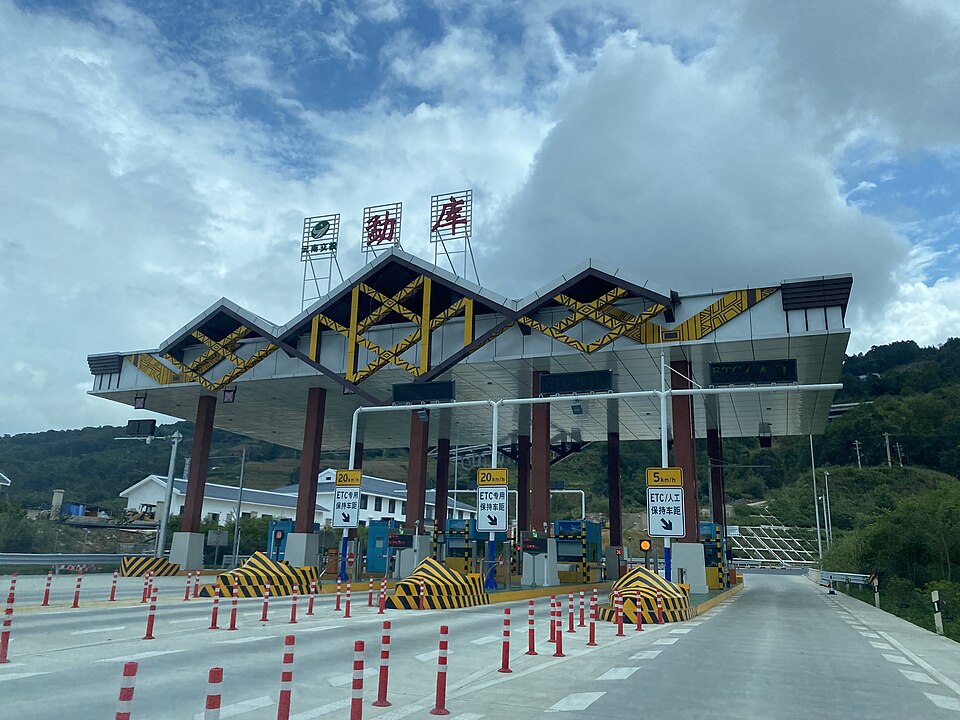
Mengku and Bingdao
Mengku town in Shuangjiang county is the heart of Lincang's big-leaf tea. Its sixteen villages include Bingdao, whose ancient tea trees produce some of the most expensive pu'er in China. Expect old tea gardens on steep slopes, tasting rooms and family processing workshops. Come in spring, when the first picking happens and prices and lodging demand jump. If you plan to buy, taste several teas and be wary of anything sold as "Bingdao" at a bargain price; the famous name is widely borrowed. Arrange garden visits through a guesthouse or tea family rather than turning up unannounced at private plots.
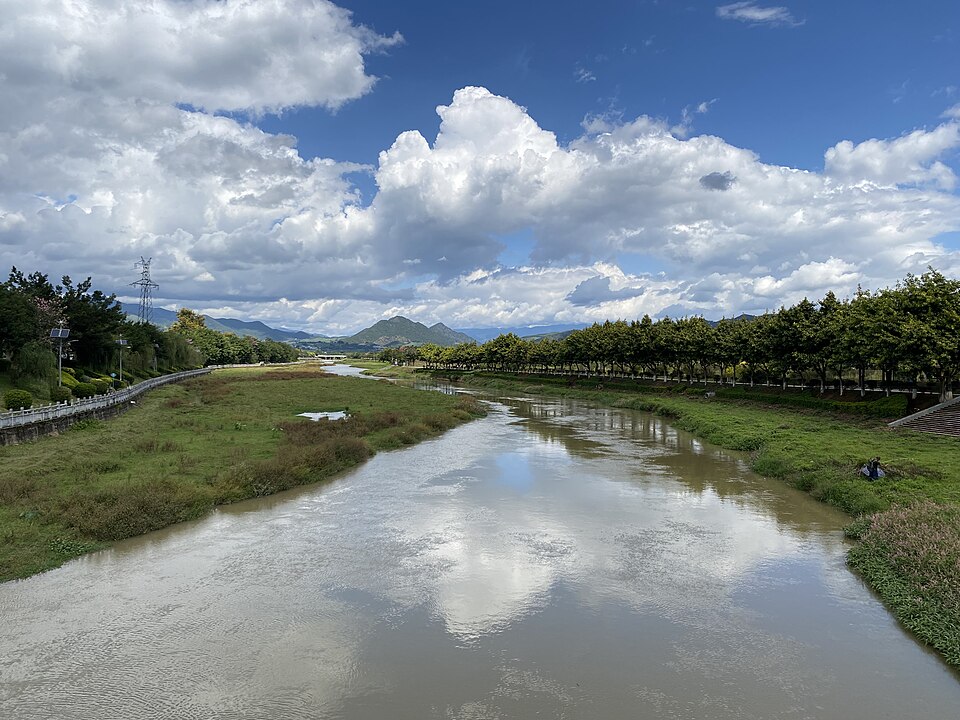
Fengqing
Fengqing, on the railway north of Lincang city, is known as the home of Dianhong, Yunnan black tea. It's worth a stop for tea lovers coming by train from Dali.
When to come to Lincang
October to April is the dry season, with clear skies for the cliffs and dry paths in the tea gardens. March and April bring the spring tea harvest, the busiest and most interesting time in Mengku. The May to September rains make the hills lush, but afternoon storms and mud can disrupt plans. At these altitudes winters are mild.
Getting in and where to stay
- Rail: The Dali–Lincang railway opened on 30 December 2020. The 202 km line runs from Dali station via Fengqing and Yun County to Lincang station in Linxiang district, at up to 160 km/h.
- Air: Lincang Boshang Airport is 22.5 km from the city. Cangyuan Washan Airport, opened in 2016 and 36 km from Cangyuan town, puts the rock art within easy reach.
- Road: The Lincang–Shuangjiang expressway serves Mengku. Hiring a car and driver makes Cangyuan and the tea hills much easier.
Sleep in Lincang city on arrival, then in Mengku or Shuangjiang for tea and in Cangyuan for the rock art and Wa villages.
Eating in Lincang
Expect Yunnan mountain food with Wa, Dai and Lahu touches: sour and spicy chicken, chili-dressed salads, sticky rice, and the Wa chicken-and-rice porridge. In Mengku, meals with tea families often include fresh tea-leaf dishes. Lincang city has the widest choice and night-market barbecue.
How to arrange the route
Day 1: Arrive in Lincang by train or air, then drive to Mengku for an afternoon in the tea gardens and the night there.
Day 2: Bingdao and the old tea gardens in the morning, then drive to Cangyuan.
Day 3: The rock paintings in the morning light, Wengding and Sigangli in the afternoon, and fly out of Cangyuan or return to Lincang.
From Lincang, the railway heads north to Dali. Pu'er and Xishuangbanna lie to the southeast for more tea country.
What to cut if short on time
Pick one theme. Tea lovers should stay in Mengku; history and culture lovers should stay in Cangyuan. Fengqing is the first cut, and a second tea estate the next.
Things to confirm before you go
- Rock painting site access and tickets.
- Wengding opening arrangements.
- Tea-garden visits arranged ahead with a family or guesthouse.
- Rain and landslide warnings in summer.
- Carry your passport; this is a border region with checks.
Frequently asked questions
How old are the Cangyuan rock paintings?
Uranium-series dating in 2020 put them at about 3,800 to 2,700 years old.
Is Wengding still worth visiting after the fire?
It's a reconstruction completed in 2022 and rated 4A again in 2023. It's still a good introduction to Wa architecture, as long as you know it's rebuilt.
Tea hills or rock art if I only have one day?
Mengku if tea is your interest; Cangyuan for prehistoric art and Wa culture. They're too far apart to combine in a day.
Sources
The facts in this article were checked against the following sources, retrieved September 21, 2026, and rechecked on October 18, 2026.
- Lincang https://en.wikipedia.org/wiki/Lincang
- Cangyuan rock paintings (Chinese) https://zh.wikipedia.org/wiki/沧源崖画
- Wengding village (Chinese) https://zh.wikipedia.org/wiki/翁丁村
- Mengku town (Chinese) https://zh.wikipedia.org/wiki/勐库镇
- Dali–Lincang railway (Chinese) https://zh.wikipedia.org/wiki/大临铁路
- Lincang Boshang Airport (Chinese) https://zh.wikipedia.org/wiki/临沧博尚机场
- Cangyuan Washan Airport (Chinese) https://zh.wikipedia.org/wiki/沧源佤山机场
Tickets change; this article does not quote yuan amounts.
All photos are from Wikimedia Commons, used under CC licenses or public domain; re-use requires attribution.
- lincang-cangyuan.jpg from File:沧源崖画1号点 - 2024-10-15 01.jpg, by 瑞丽江的河水, CC BY-SA 4.0
- lincang-mengku.jpg from File:临双高速 - 勐库收费站 - 2024-10-11.jpg, by 瑞丽江的河水, CC BY-SA 4.0
- lincang-river.jpg from File:勐勐河 - 2024-10-10 03.jpg, by 瑞丽江的河水, CC BY-SA 4.0