Dali Travel Guide: Old Town, Erhai and Cangshan in Three Days
Three days is the right length for a first visit to Dali. Spend one day on the walled old town and the Three Pagodas, one on Mount Cang (Cangshan) if the cableways are running, and one going round Erhai Lake, ideally with a night in Shuanglang on the east shore. Most people arrive by high-speed train from Kunming, about two hours, and continue north to Lijiang. Dali sits at 1,976 metres on the Yunnan-Guizhou Plateau, between the long wall of Cangshan to the west and Erhai to the east. For more than five hundred years it was the political and cultural centre of Yunnan, as the capital of first the Nanzhao and then the Dali kingdoms. The seven places below each have their own page with tickets, transport and timing.
Getting in and where to stay
Trains and most buses arrive at Dali station in Xiaguan, the modern city at the south end of the lake. The old town is about 15 kilometres north. Three bus options have run on this route (the times below are from the 2024–2025 timetables, so check locally):
- Route 8, railway station to the old town's north gate bus yard, roughly 06:30 to 21:30.
- Dali Tourist Express, railway station to the old town's South Gate and West Gate and on to the Three Pagodas, flat fare 5 yuan, roughly every 15 minutes in the daytime.
- Route 4, railway station to the Three Pagodas via Cangshan Road.
A taxi or ride-hail takes about half an hour. Sleep inside or just outside the old town walls if you can. Xiaguan is more convenient for an early train but has much less to offer in the evening. Save Shuanglang for a later night on the lake.
When to come
Dali's plateau climate has small seasonal swings: no hard winter, no scorching summer. The traditional "four scenes" sum it up: the wind of Xiaguan, the flowers of Shangguan, the snow of Cangshan and the moon over Erhai. Spring (March to May) brings rhododendrons on Cangshan and the mildest lake weather. July and August are the rainy season, with frequent showers but cool temperatures. Winter is the dry season, with strong sun and the clearest view of snow on the high peaks; it is also when Xiaguan's wind is at its fiercest. In every season the UV is strong at this altitude. Bring a hat, sunglasses and sunscreen even when the air feels cool.
Places worth visiting
Dali Old Town
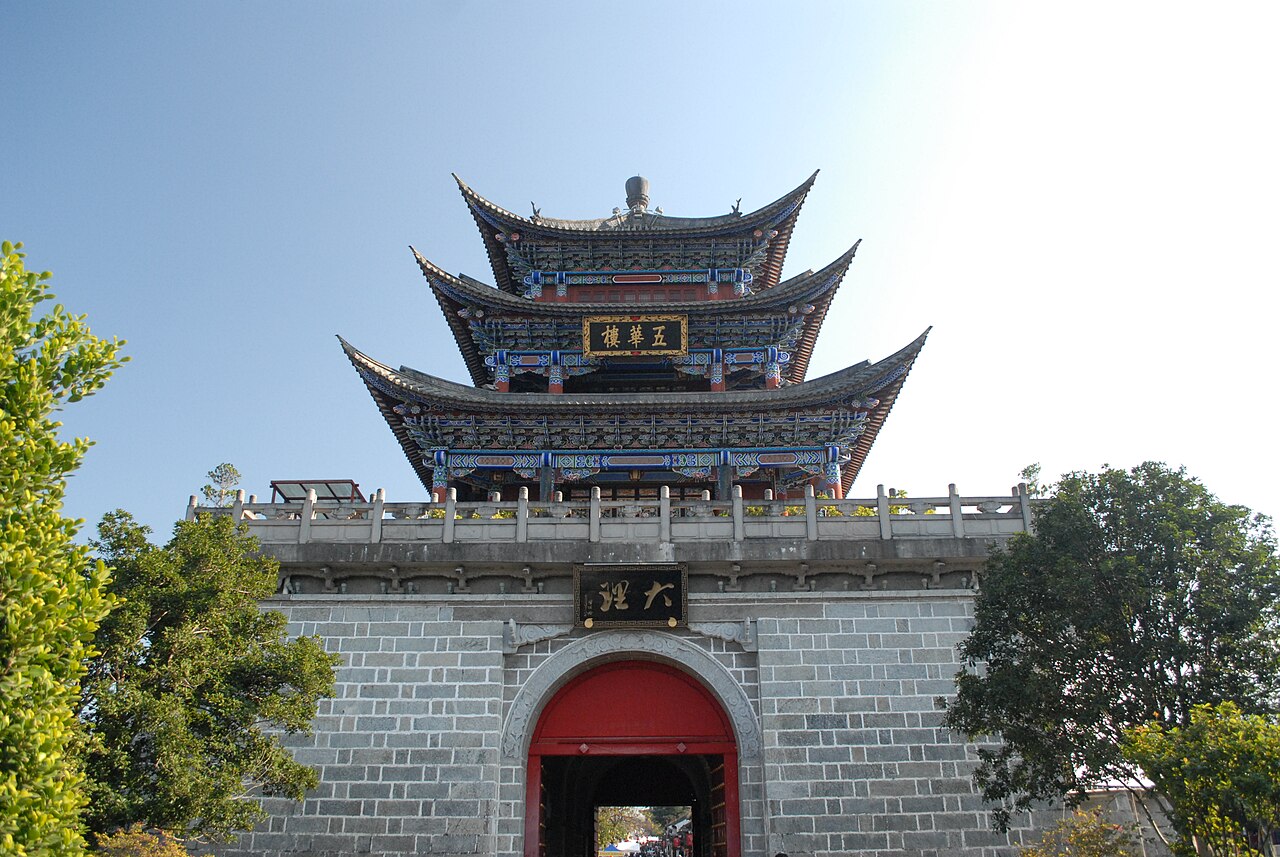
The old town is a Ming prefectural city built just east of the older Yangjuemie city, and it was in the first batch of National Historical and Cultural Cities in 1982. The walls ran about 1,850 metres north to south and 1,500 metres east to west, a circuit of 7,248 metres enclosing roughly three square kilometres. Its four gates are Tonghai (east), Chengen (south), Cangshan (west) and Anyuan (north). Only about 300 metres of original wall survive. The south and north gate towers were rebuilt in 1984, and the west and east ones in 2001 and 2002.
Fuxing Road runs north to south between the gates, passing under Wuhua Tower, the town's drum tower. In the northwest, Huguo Road became Foreigners' Street (Yangren Jie) because the old Dali No. 2 Guesthouse was one of the first places in China where backpackers gathered; it is still the main bar street. Entry to the streets is free. Gate-to-gate walking and where to base yourself are on the Dali Old Town page.
The Three Pagodas of Chongsheng Temple
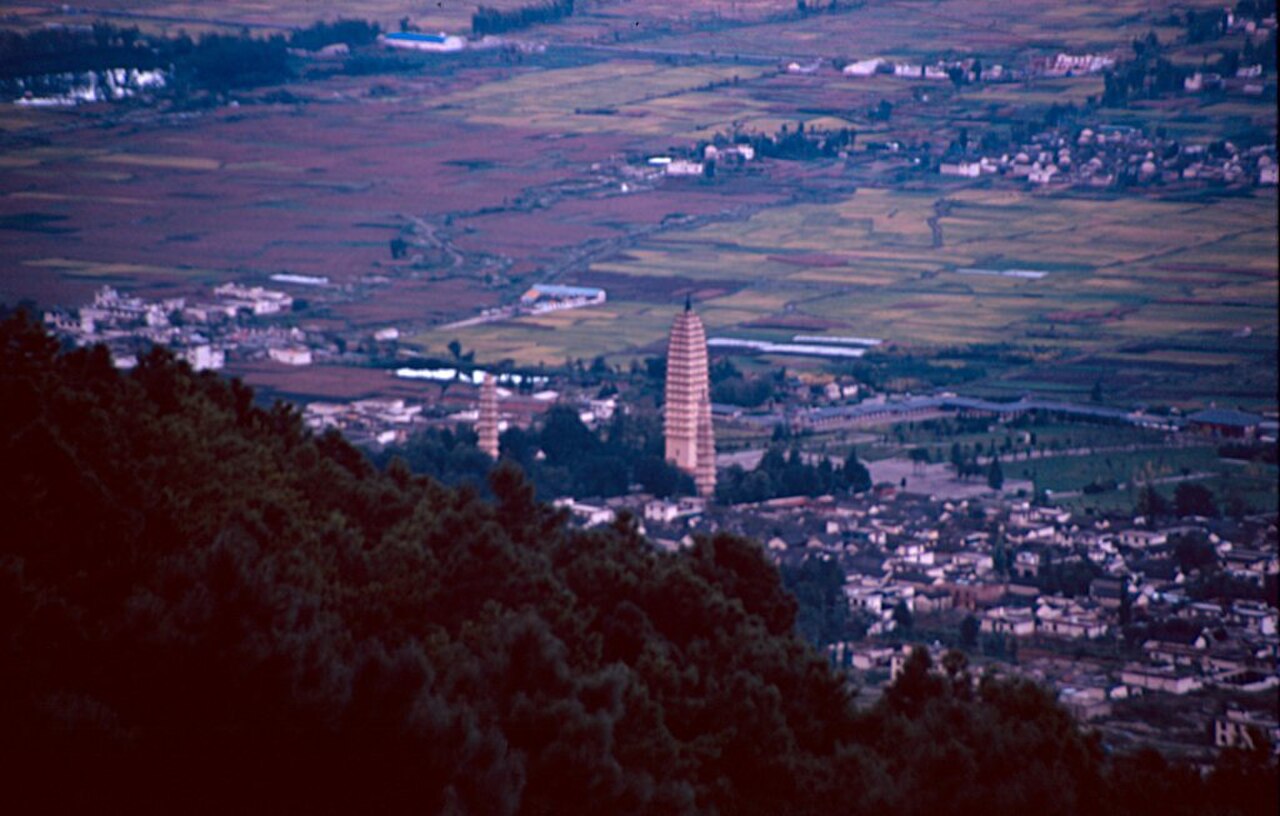
A short ride north of the old town, the brick Qianxun Pagoda rises 69.13 metres in sixteen tiers of eaves. It was built in the late Nanzhao period. The two octagonal pagodas beside it, each 42.19 metres, date from the Dali kingdom. They were repaired many times under the Ming and Qing, then thoroughly restored between 1978 and 1981, when a large cache of relics was found inside. The pagodas were on the first national list of protected monuments in 1961, and the surrounding cultural tourism zone is rated 5A. The classic shot is the three towers reflected in the pool in front. Chongsheng Temple behind them is a rebuilt complex you walk through on the same visit. Tickets, shuttle carts and the reflection-pool timing are on the Three Pagodas page.
Mount Cang (Cangshan)
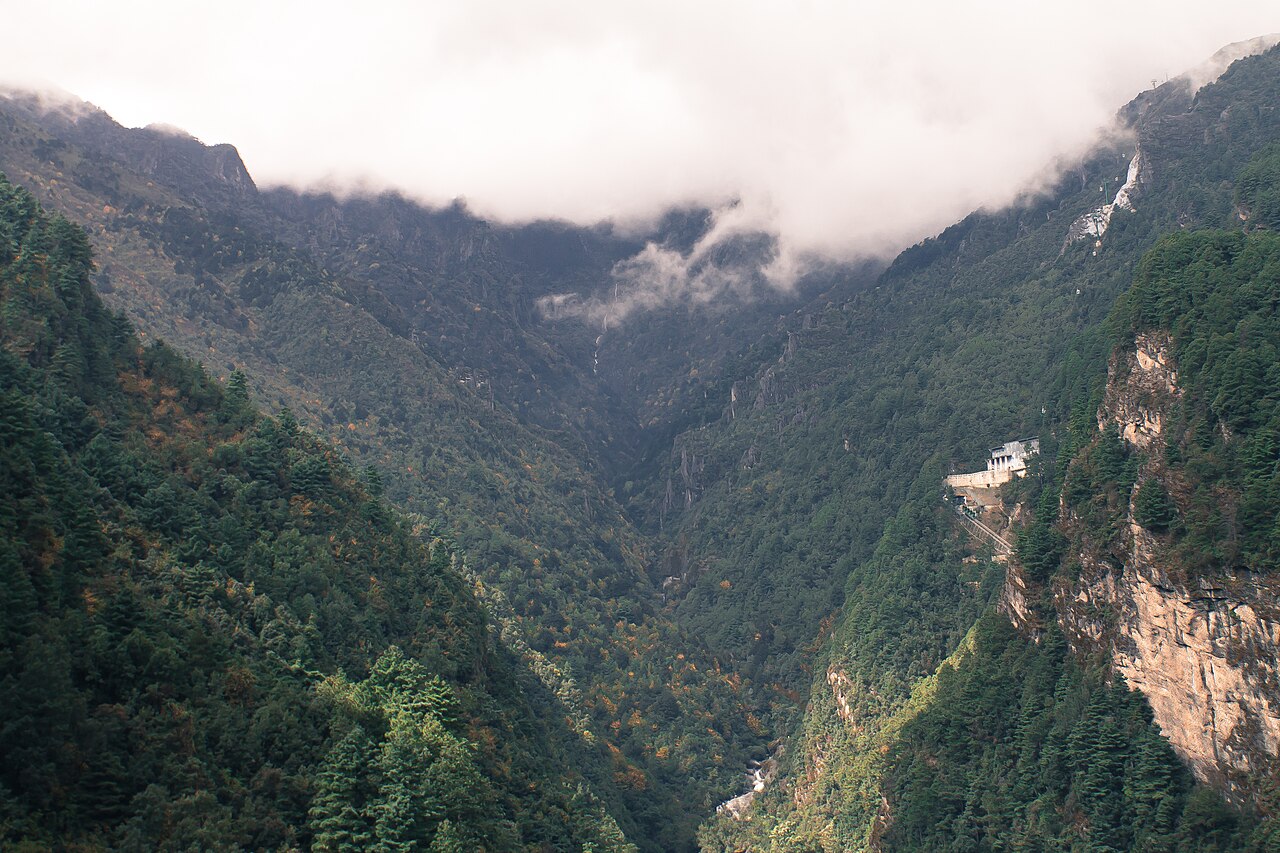
Cangshan, also called Diancang Mountain, is the 50-kilometre ridge on Erhai's west side, about 20 kilometres wide. It has nineteen peaks, with a stream running down between each pair (eighteen in all) into Erhai. The highest, Malong Peak, reaches 4,122 metres, and the snow along its crest is the "Cangshan snow" of the four scenes. The mountain is a National Geopark.
Most visitors go up by cableway. The long Ximatan line climbs from near the old town to the alpine lake of Ximatan at about 3,900 metres. It is the most memorable ride and the one most often closed by wind or ice. The shorter Gantong line is the fallback. The top is far colder than the old town, so take a jacket in any month. Which line to choose, the 2025–2026 fares and wind closures are on the Mount Cang page.
Erhai Lake

Erhai is Yunnan's second-largest freshwater lake, about 250 square kilometres. It is roughly 42.6 kilometres long and up to about 9 kilometres wide, with an average depth of 10.5 metres and a maximum of 20.9. Its "three isles, four shoals, nine bends" are the traditional landmarks, and it drains west through the Xi'er River.
A 129-kilometre ecological corridor now runs around the shore, closed to private cars. The 46-kilometre west-shore section is the popular cycling stretch, with fields and Bai villages between the lake and the mountain. The east shore is steeper and rockier, and that is where Shuanglang and Wase sit. Most people split the circuit over two days or pick one shore. Bike rental, corridor rules and the two shores compared are on the Erhai Lake page.
Xizhou
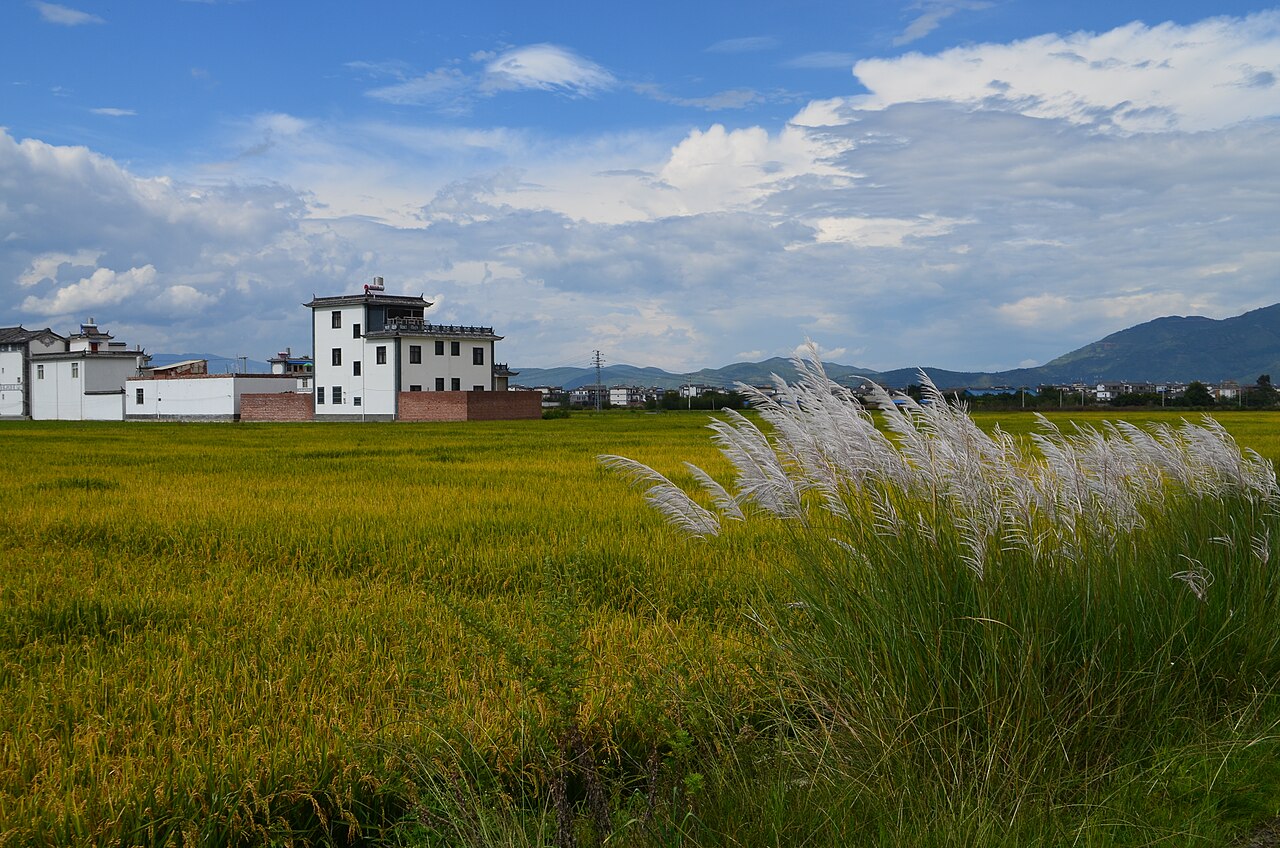
Xizhou, north of the old town, was called Dali City or Shi City under Nanzhao and was one of the kingdom's "ten jian" districts. It has the best-preserved Bai merchant houses near Dali. The Xizhou Bai Old Building Complex is a nationally protected site, with courtyards laid out as "three wings and a screen wall" or "four-sided compound with five courtyards". The Yan Family Grand Courtyard, the Yang Pinxiang Residence and the Hou Family Grand Courtyard mix Bai layouts with Chinese and Western decoration from the town's trading heyday. The paddies come right up to the houses, green in spring and summer and gold in autumn. Eat Xizhou baba, a charcoal-grilled flatbread, savoury or sweet, around Sifang Street. Half a day is enough; courtyard picks are on the Xizhou page.
Shuanglang
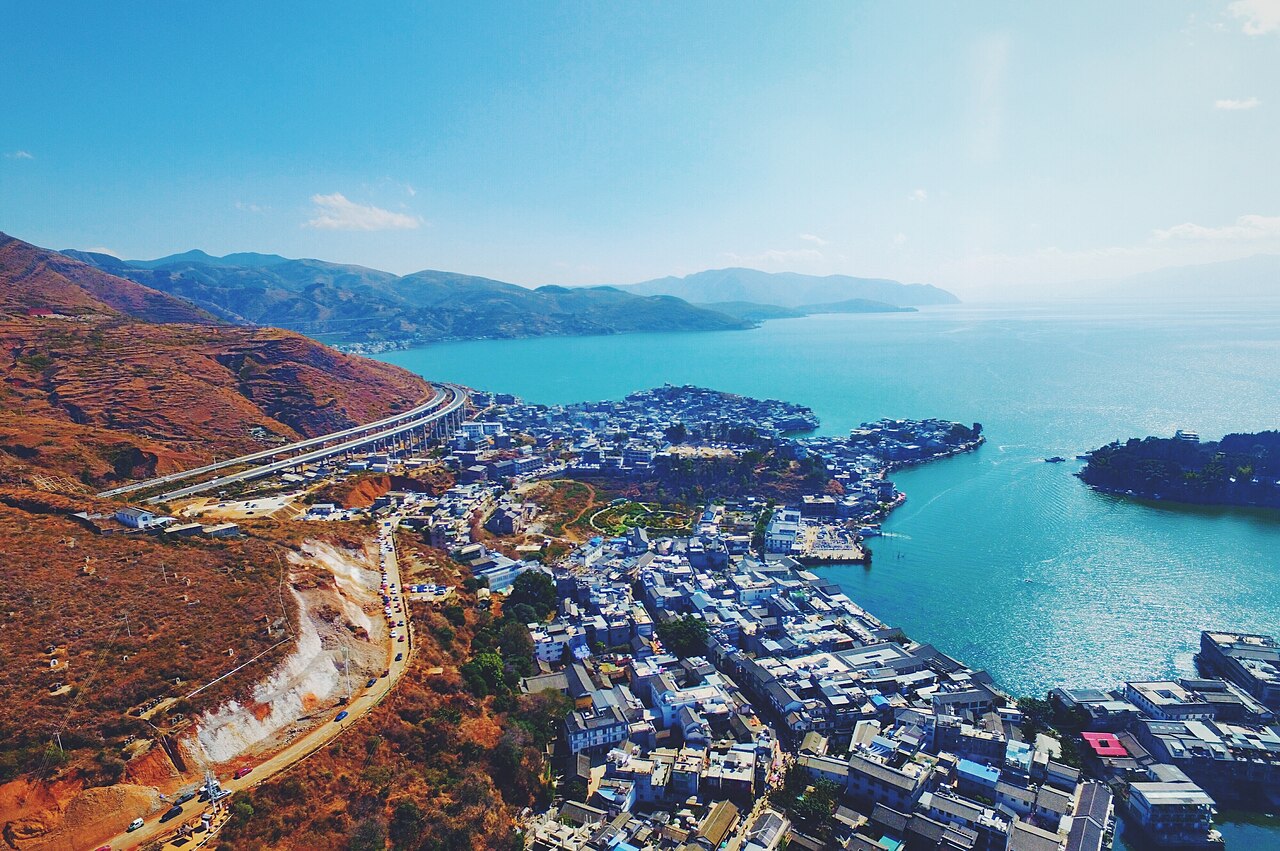
Shuanglang, on the east shore, belonged to Eryuan County until 2002, when it was transferred to Dali. It was named a Chinese Traditional Village in 2013. Nanzhao Isle of Customs and the Shuanglang Art Town zone are both rated 4A. The draw is waking up in a lakeside guesthouse with Erhai under the window and Cangshan across the water. Boats leave the village pier for Nanzhao Isle. It is about an hour's drive from the old town. Lanes are narrow, so park outside and walk in, and book ahead for holiday weekends. Whether to stay the night, and how to choose a room, is on the Shuanglang page.
Butterfly Spring
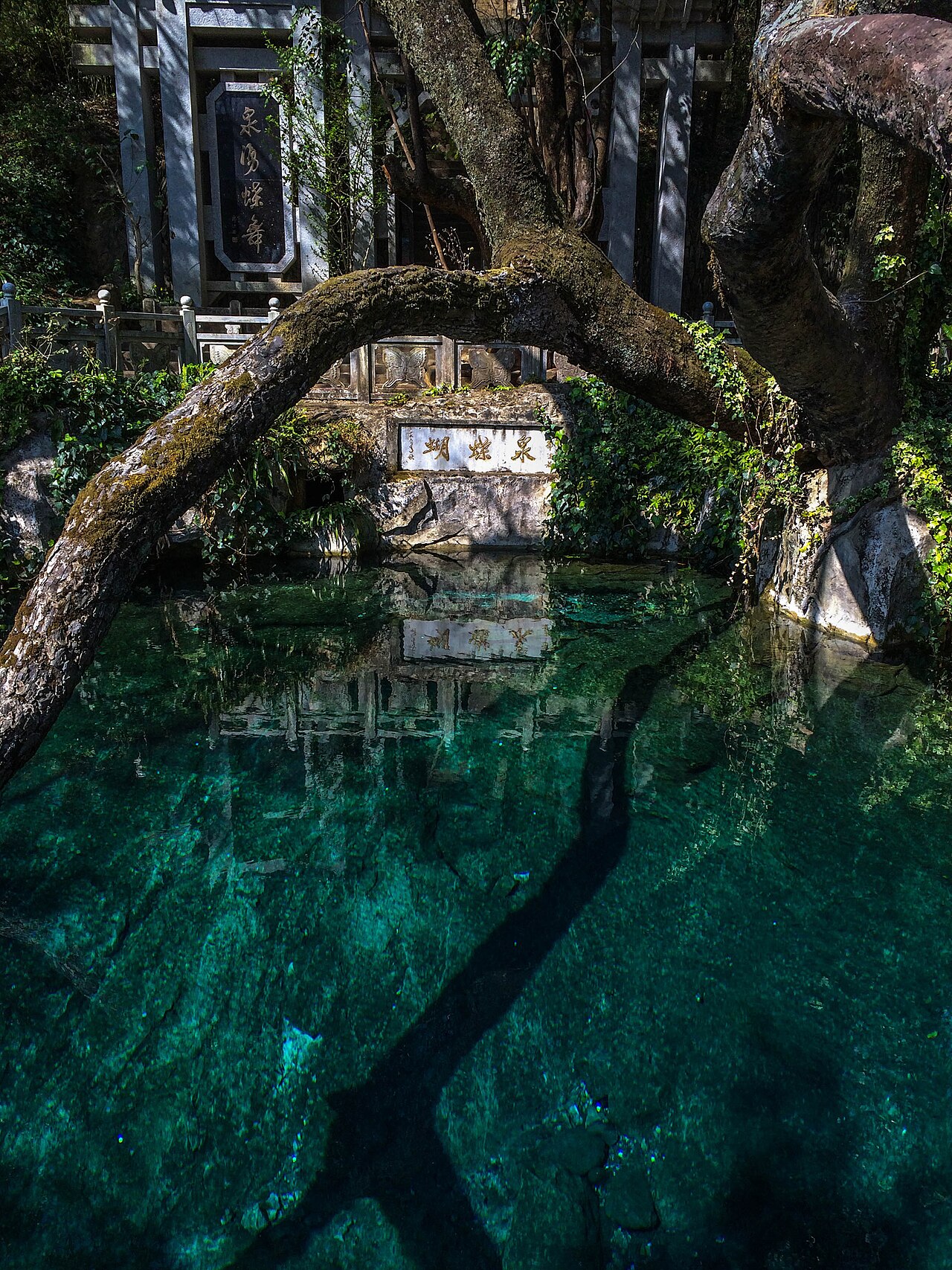
Butterfly Spring lies at the foot of Cangshan about 27 kilometres north of the old town. It is a clear square pool of around fifty square metres. The Ming traveller Xu Xiake described tens of thousands of butterflies hanging in linked chains from the trees down to the water, and in 1961 Guo Moruo wrote of butterflies "by the tens of thousands" at the butterfly tree. Those swarms are rare now. What you see is the pool, the tree, shaded paths and a butterfly specimen museum. It is the easiest Dali stop to cut. It makes sense only if you are already going north to Xizhou; the Butterfly Spring page explains what to expect.
Eating in Dali
Dali cooking is Bai cooking. The snack everyone tries is rushan, "milk fans": thin sheets of cow's-milk cheese, grilled or fried and often brushed with rose jam. Rubing, a fresh milk cake, is fried or grilled the same way. For a sit-down meal, look for clay-pot fish and the "eight bowls" banquet dishes. Two people can order a few dishes from the set rather than the whole spread. Erhai sea-vegetable (a lake water plant) and Haidong snow pears are seasonal local foods. The Bai "three-course tea" (bitter, then sweet, then a lingering aftertaste) is a guest ceremony that visitors now mostly meet at performances. Xiaguan tuocha and Gantong tea are the local teas. Eat Xizhou baba in Xizhou, hot off the grill. Bai tie-dye is the souvenir to buy, sold in the old town, in Xizhou and in Zhoucheng, the tie-dye village near Butterfly Spring.
How to arrange the route
Day one: old town and pagodas. Arrive, walk the old town from the south gate up Fuxing Road to Wuhua Tower and on to the north gate, then go to the Three Pagodas in the afternoon light. Have dinner in the old town, and a drink on Foreigners' Street if you want one.
Day two: Cangshan or the north road. On a clear morning, ride a Cangshan cableway and be back down by mid-afternoon. If the summit line is closed or the cloud is low, go north instead: Xizhou for courtyards, baba and the paddies, then Butterfly Spring.
Day three: Erhai. Cycle part of the west-shore corridor, or drive or hire a car round to the east shore and stay the night in Shuanglang for sunset and sunrise.
With a fourth day, give Cangshan and the north road a day each and ride Erhai more slowly. Most people come from Kunming and leave for Lijiang, so book the onward train for the morning after the lake night.
What to cut if time is short
With two days, drop Butterfly Spring first and do the lake on one shore only. With one day, walk the old town, see the Three Pagodas and ride a short stretch of the west-shore corridor, and leave Cangshan for a return trip. Do not try to put the Ximatan cableway and a full Erhai circuit into the same day.
Confirm before you go
- Cangshan cableways close in wind, ice and lightning. Check that your line is running that morning, and carry a warm layer for the top.
- Strong UV at nearly 2,000 metres: sunscreen, sunglasses and a hat.
- Erhai corridor rules: private cars are barred from the corridor, so rent bikes or e-bikes from marked outlets and check the battery and brakes.
- Shuanglang guesthouses fill up on holidays and clear weekends; book ahead and park outside the village.
- Bus routes and timetables between Xiaguan and the old town change around festivals such as the Third Month Fair in April.
Frequently asked questions
How many days do I need in Dali?
Three days covers the old town, Three Pagodas, Cangshan and Erhai. Add a fourth if you want to cycle the lake slowly or stay a night in Shuanglang without rushing.
When is the best time to visit Dali?
March to May for rhododendrons and mild lake weather, and winter for clear skies and snow on Cangshan. July and August are rainy but cool. Dali is pleasant all year if you protect yourself from the sun.
Can I see the Three Pagodas and Mount Cang on the same day?
It is possible but rushed. The pagodas take two to three hours and Cangshan most of a day, so give them separate days.
What is the best way to see Erhai?
Cycle the west-shore corridor for fields and villages, and go round to the east shore by car for cliffs and Shuanglang. The full ring is long, so split it over two days or choose one shore.
Sources
The background facts in this article were checked against the following Chinese Wikipedia entries, retrieved August 11, 2026. Bus, cableway and corridor details come from Dali city transport notices, the Dali city price approval for the Gantong cableway, and Erhai corridor management notices published in 2024 and 2025.
- Dali (city) https://zh.wikipedia.org/wiki/大理市
- Mount Cang (Dali) https://zh.wikipedia.org/wiki/苍山_(大理)
- Erhai https://zh.wikipedia.org/wiki/洱海
- Three Pagodas of Chongsheng Temple https://zh.wikipedia.org/wiki/崇圣寺三塔
- Dali Old Town https://zh.wikipedia.org/wiki/大理古城
- Xizhou https://zh.wikipedia.org/wiki/喜洲
- Shuanglang Town https://zh.wikipedia.org/wiki/双廊镇
- Butterfly Spring https://zh.wikipedia.org/wiki/蝴蝶泉
All photos are from Wikimedia Commons, used under CC or Pixabay licenses; re-use requires attribution.
- dali-gucheng.jpg from File 大理古城-五华楼.jpg, by Daniel, taken November 10, 2008, CC BY-SA 2.0
- dali-santa.jpg from File Dali-vista-aerea-pagodas-c01.jpg, by Colegota, CC BY-SA 2.5-es
- dali-cangshan.jpg from File 大理苍山 04.jpg, by Martin Moscosa, taken October 29, 2013, CC BY 2.0
- dali-erhai.jpg from File Erhai north Panorama.jpg, by Fong Chen, taken September 30, 2012, CC BY-SA 3.0
- dali-xizhou.jpg from File Rice fields and the town of Xizhou.JPG, by Chris DeLacy, taken September 16, 2015, CC BY-SA 4.0
- dali-shuanglang.jpg from File 大理双廊-2489796.jpg, by Zhouqiyang, Pixabay license
- dali-hudiequan.jpg from File 大理蝴蝶泉-2527903.jpg, by sean1573, Pixabay license