Diqing Travel Guide: Shangri-La Town and Pudacuo
Diqing is altitude plus two different day types. Shangri-La town (Zhongdian) centres on Songzanlin Monastery and plateau streets; Pudacuo (Potatso) National Park is a separate highland lake-and-meadow outing. Sleep and hydrate before stacking both. The tourist label "Shangri-La" is the town you base in; the prefecture frame is Diqing. This is not a low-elevation Dali lake loop.
Stay in Shangri-La town for food and oxygen adjustment. Park-adjacent lodging only if you already know dawn logistics. Diqing Shangri-La Airport and road links from Lijiang serve the prefecture; transfers take time and climb. Confirm whether tickets say Shangri-La / Diqing stations versus other plateau stops. Hire a car or tour for Pudacuo if public options do not match your hours.
When to come to Diqing
Northwest Yunnan highland climate: cool summers, cold winters, strong sun, monsoon cloud in summer. May–October suits outdoor park walking; July–August brings rain and wildflowers with view risk. Autumn often clears for mountain edges. Winter is cold with thinner services and possible ice on boardwalks. Shoulder seasons can swing from bright lake light to whiteout cloud in hours. Pack layers even in July.
Getting in and where to stay
Mild headache days are common on arrival from lowland Yunnan; keep the first afternoon light. Dukezong old town lanes suit evening wandering after monastery hours. Napa Hai and seasonal wetlands are weather-dependent; confirm water levels and access. Prayer-flag viewpoints near town are quick photos, not a substitute for Songzanlin.
Places worth visiting
Songzanlin Monastery
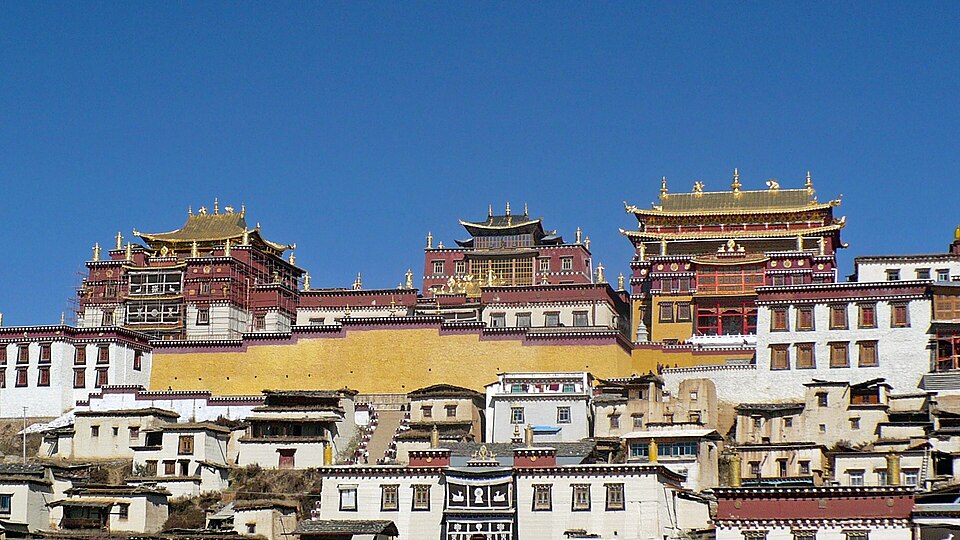
Approach from the main entrance flow, walk courtyards and exterior viewpoints, then decide whether higher halls fit your fitness and altitude. Songzanlin is often compared to a smaller Potala-like silhouette above the plain; the experience is Tibetan Buddhist pilgrimage architecture, not a theme park. Tickets and photography rules follow official notice. Modest clothing and quiet voices inside halls are basic etiquette. Altitude pacing and hall etiquette are on the Songzanlin Monastery page. Allow a half-day.
Pudacuo National Park
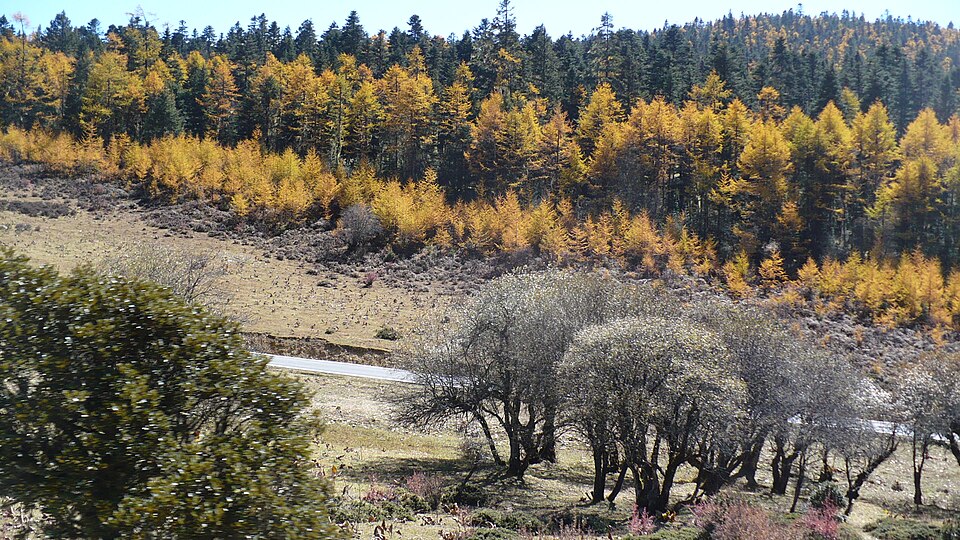
Boardwalks, meadows, and lake edges reward slow pacing. Rushing from Songzanlin the same morning often wastes both. First trip: monastery plus one park day if weather clears. Boardwalk loops and weather buffers are on the Pudacuo National Park page. Rain that seals lake views is a fair reason to postpone.
Tiger Leaping Gorge and short weekends
Skip adding Tiger Leaping Gorge from the Lijiang side into the same short Diqing stay if altitude and road hours already fill your buffer. Keep gorge hiking as a Lijiang-based chapter; keep Diqing for monastery and highland park pacing.
Eating in Diqing
Yunnan highland menus mix Tibetan, Hui, and Han influences: yak meat dishes, butter tea for the curious, noodle bowls, and plateau vegetables. Town restaurants beat park snack density. Mild first meals help if altitude is new. Carry water on boardwalk days; sun dehydrates faster than the cool air suggests.
How to arrange the route
- Day one: arrive, rest, light town walk.
- Day two: Songzanlin morning, town afternoon.
- Day three: Pudacuo full day; evening return.
Three days cover arrival buffer, Songzanlin, and Pudacuo; two nights are tight if weather fails. Diqing is the highland monastery-and-meadow chapter north of Lijiang; it is not a shortcut to Lhasa.
What to cut if short on time
Drop secondary wetlands and flag hills first; keep Songzanlin. Cut Pudacuo if cloud already stole the only park day and trains force exit. One thorough monastery visit is enough. With one day only: Songzanlin plus rest; save Pudacuo for a longer stay.
Things to confirm before you go
- Park and monastery tickets, hours, and shuttle rules follow official notice.
- Altitude medication and travel insurance if you use them.
- Weather for Pudacuo boardwalks.
- Airport or bus transfer times from Lijiang.
- Modest dress inside active halls.
Frequently asked questions
How many days for Diqing / Shangri-La?
Two to three days: one for monastery and town, one for Pudacuo, plus arrival buffer.
Songzanlin or Pudacuo first?
Songzanlin first if you arrive tired; Pudacuo first if a clear-weather window appears only on day one.
Is this the literary Shangri-La?
The county was renamed Shangri-La in the modern tourism era; treat the name as branding layered on Zhongdian / Diqing geography, and plan practical sights accordingly.
What should you eat?
A warm town meal after the monastery; try local highland flavors once without forcing a full yak banquet if appetite is low at altitude.
Sources
The facts in this article were checked against the following Wikipedia and encyclopedia entries, retrieved September 18, 2026, and rechecked on October 16, 2026.
- Diqing Tibetan Autonomous Prefecture https://en.wikipedia.org/wiki/Diqing_Tibetan_Autonomous_Prefecture
- Shangri-La City https://en.wikipedia.org/wiki/Shangri-La_City
- Ganden Sumtseling Monastery https://en.wikipedia.org/wiki/Ganden_Sumtseling_Monastery
- Potatso National Park https://en.wikipedia.org/wiki/Potatso_National_Park
Park tickets change; this article does not invent yuan amounts.
All photos are from Wikimedia Commons, used under stated licenses; re-use requires attribution.
- diqing-songzanlin.jpg from File:Songzanlin Monastery, Shangri-La, China - panoramio.jpg, by Colin W, CC BY-SA 3.0
- diqing-pudacuo.jpg from File:Potatso (Pudacuo) National Park, Diqing - panoramio.jpg, by Colin W, CC BY-SA 3.0
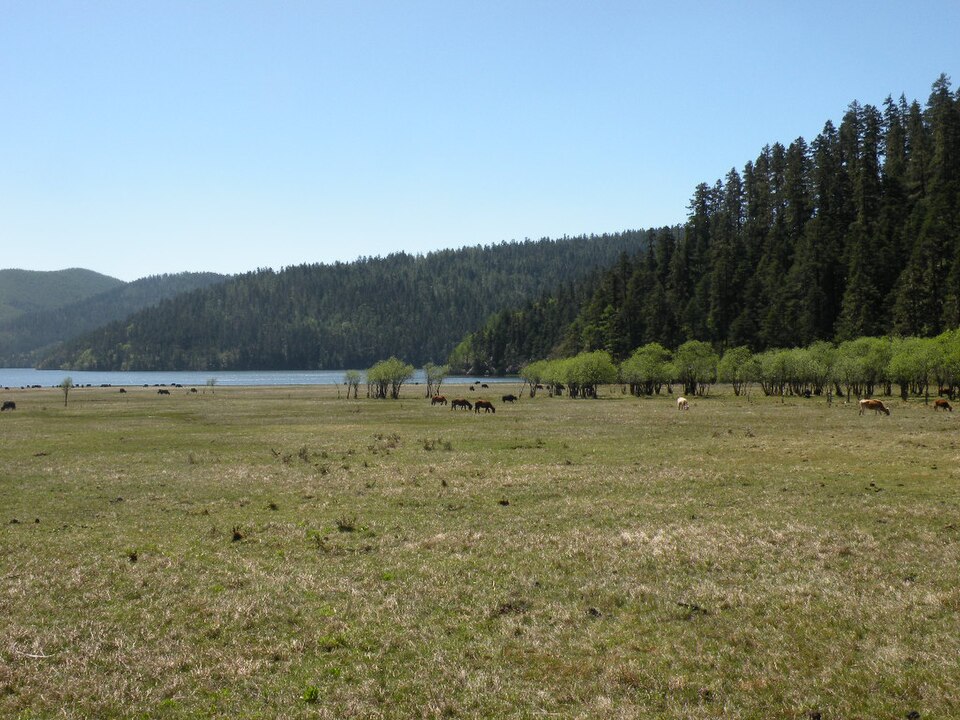
- diqing-pudacuo-meadow.jpg from File:Meadow in Pudacuo.JPG, by Asaikana, CC BY-SA 3.0