Baicheng Travel Guide: The Crane Wetlands of Momoge and Xianghai
Baicheng, in the northwest corner of Jilin, sits on the flat western edge of the Songnen Plain where it meets the Horqin grasslands, a land of shallow lakes, reed marsh and alkaline flats. Two national nature reserves make it one of China's best places to see cranes. Momoge, in Zhenlai County, is the most important migration stopover in the world for the critically endangered Siberian crane, with thousands passing through each spring and autumn. Xianghai, in Tongyu County, protects breeding red-crowned cranes and a large old forest of Mongolian elm. The city itself is mainly a base. Choose the reserve that matches your season, give it a full day, and time the trip to the migration if you can.
When to come to Baicheng
Timing matters more here than almost anywhere else in this guide.
- Spring migration (late March to early May): Siberian cranes stop at Momoge, with numbers peaking in late April. Recent spring counts have reached about 4,000 birds.
- Summer (June to August): the wetlands are green, and red-crowned cranes breed at Xianghai. Expect mosquitoes and heat on the open dykes.
- Autumn migration (late September to early November): Siberian cranes return to Momoge on their way south to Poyang Lake, with more than 2,000 counted in autumn 2025, along with geese and ducks.
- Winter: the marshes freeze and most birds are gone.
The climate is dry and continental, with an average of 4.9°C and about 400 millimetres of rain a year. Spring is very windy, and gales are common in April. Bring a windproof layer even on sunny days.
Getting in and where to stay
Baicheng has rail links to Changchun, about 330 kilometres away, and to Qiqihar and Ulanhot, plus a small airport. Neither reserve is well served by public transport. Hire a car and driver for the day, and agree the route and return time before you go. For Momoge, Zhenlai county town is closer than Baicheng; for Xianghai, base yourself in Tongyu. City hotels are the most comfortable choice if you are visiting both.
Places worth visiting
Momoge National Nature Reserve
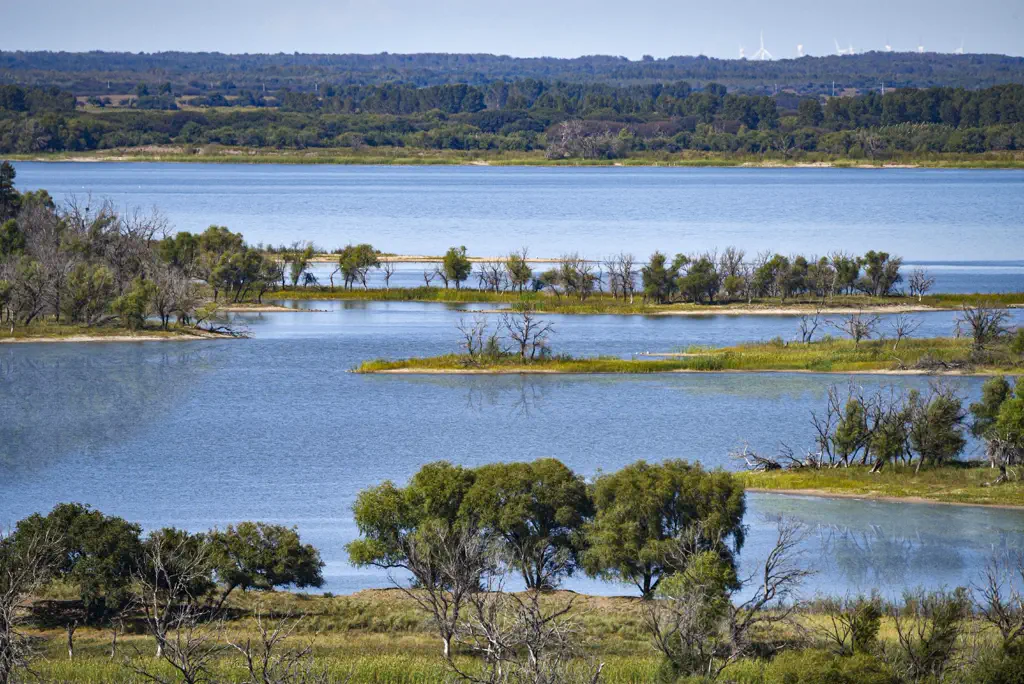
Momoge covers 144,000 hectares where the Nen River meets the Taoer River in Zhenlai County. It is a typical inland saline-alkaline wetland of sedge and reed marsh, sand ridges and meadow grassland. It was set up in 1981 and named a Wetland of International Importance in 2013. The wetland has suffered from drought, and since 2002 water has been pumped in from the Nen River to keep the marshes wet. That work is part of why the Siberian crane numbers have recovered.
The cranes feed in shallow water on the roots of sedges. Watch from the dykes and viewing platforms, keep your distance, and do not try to approach flocks for photos. Binoculars are essential, and a telescope helps; the birds are often far out on open water. Early morning and late afternoon are the best times.
Xianghai National Nature Reserve
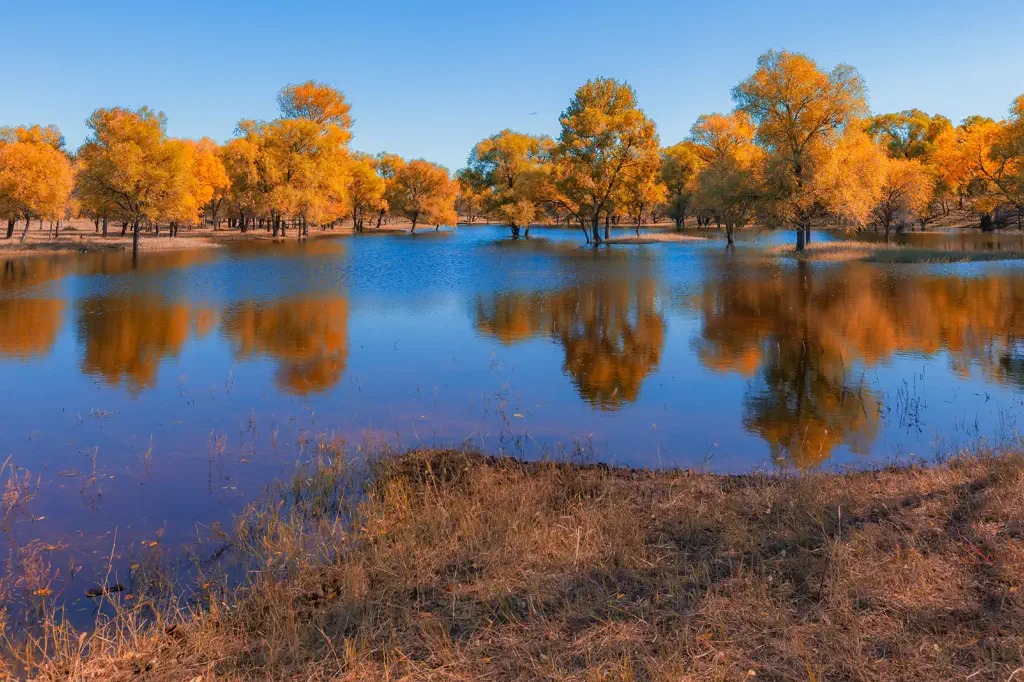
Xianghai, in Tongyu County in the south of the prefecture, was among the first Chinese sites listed under the Ramsar wetlands convention in 1992. Its reed beds are a breeding ground for red-crowned cranes and other rare waterbirds. The reserve also protects some 50 square kilometres of Mongolian yellow elm woodland, a rare dry-forest habitat that makes a change from the marshes. It suits a visit in late spring and summer, when the cranes are nesting. Stay on marked paths, since disturbance during nesting is a serious problem.
Plains and lakes
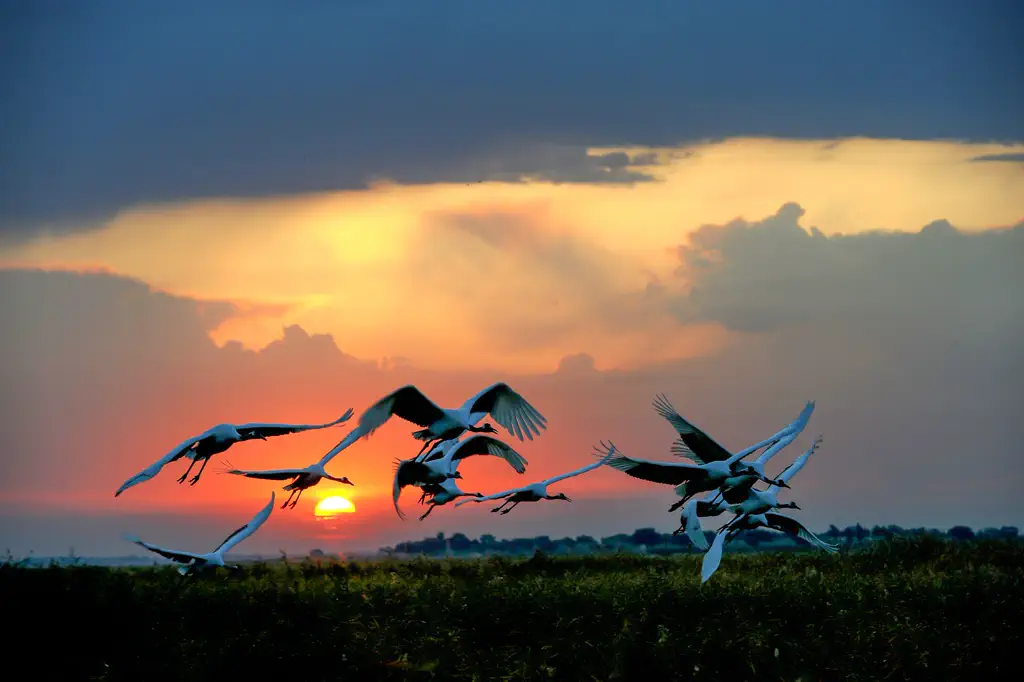
Between the reserves the land is flat and open, dotted with small lakes the locals call paozi. Driving between Zhenlai, Baicheng and Tongyu, you will see waterbirds on roadside ponds in migration season. In the Liao dynasty this was a seasonal centre of power: the emperors' spring camp of Changchunzhou stood at what is now the ruined city of Chengsijiazi, northwest of town.
Eating in Baicheng
The food is northeastern home cooking: dumplings, stews, pickled cabbage and freshwater fish from the lakes, often stewed in a large pot. Baicheng's mung beans and other dryland grains are well known in the region. Eat in the city or the county towns; facilities inside the reserves are basic. Take water and snacks for a long day on the dykes.
How to arrange the route
- Day one: arrive in Baicheng; arrange a driver; early night.
- Day two: dawn start for Momoge, a full day on the reserve, back for dinner.
- Day three (optional): Xianghai in the summer breeding season, or travel on to Songyuan for Chagan Lake.
In peak migration, add a second Momoge morning, since crane numbers and positions change day by day.
What to cut if short on time
Pick one reserve: Momoge for migration in spring or autumn, Xianghai for breeding cranes in summer. Do not try to cover both in a day; they are at opposite ends of the prefecture. Skip the city sights entirely. Leave Chagan Lake for a separate stop rather than adding it to a reserve day.
Things to confirm before you go
- Reserve access rules, open areas and any entry fees, which this guide could not confirm for 2026.
- Current crane counts for your dates; local news reports the migration as it happens.
- Road conditions after rain, which can make dirt tracks impassable.
- A driver who knows the reserve roads and where birds are being seen.
Frequently asked questions
When is the best time to see Siberian cranes at Momoge?
Late April in spring and October in autumn are the peaks, with birds present from late March to early May and late September to early November.
Is Baicheng worth visiting if I am not a birder?
The wide wetlands are striking in migration season, but there is little else to see. Non-birders may prefer Chagan Lake in neighbouring Songyuan.
Momoge or Xianghai?
Momoge for the Siberian crane migration; Xianghai for nesting red-crowned cranes in summer and the elm woodland.
Sources
The facts in this article were checked against the following Wikipedia and encyclopedia entries and official Jilin reports, retrieved September 21, 2026, and rechecked on October 14, 2026.
- Baicheng https://en.wikipedia.org/wiki/Baicheng
- Baicheng (Chinese) https://zh.wikipedia.org/wiki/白城市
- Momoge National Nature Reserve (Chinese) https://zh.wikipedia.org/wiki/莫莫格国家级自然保护区
- Xianghai National Nature Reserve, Jilin provincial government https://www.gojilin.gov.cn/2024/01/10/c_12138.htm
- Momoge migration counts, Jilin news reports (2025)
Reserve fees and access rules change; check the official notice before you go.
Photos are from Ctrip sight pages; captions credit the source.
- baicheng-momoge.webp from Ctrip sight page
- baicheng-reeds.webp from Ctrip sight page
- baicheng-plain.webp from Ctrip sight page