Gudong Oilfield Fringe, Secondary Texture Beside the Delta
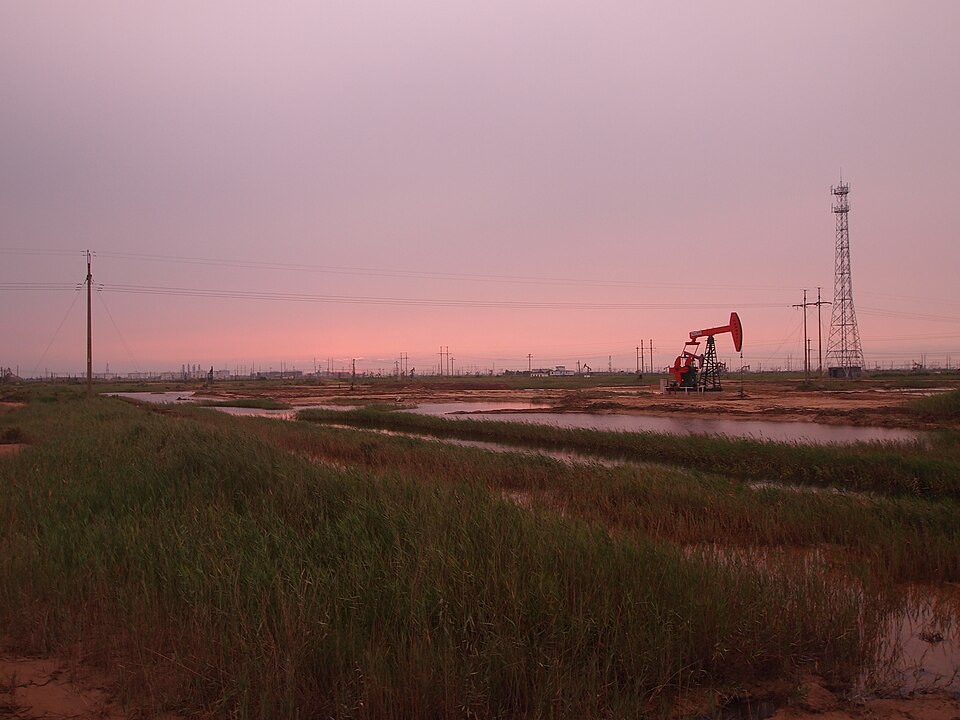
Gudong oilfield landscapes on the Dongying fringe explain the modern Shengli Oilfield economy in pumpjack horizons and evening industrial glow. They are a research-tone side stop with honest limits, not a substitute for Yellow River estuary ecology. The Dongying guide cuts oilfield photo loops first when time collapses and keeps one clear estuary day as the trip.
What visitors can realistically do
Public roads and designated viewpoints sometimes open sightlines onto derricks, pumpjacks and pipeline corridors. Active production zones, gated facilities and private industrial roads are not tourist parks. Do not enter fenced compounds, climb equipment or treat oil infrastructure as a playground. Photography from legal pullouts is the realistic activity; guided industrial tours, when they exist, follow separate booking rules and may be unavailable to casual travelers.
Evening light can turn metal and haze atmospheric. That glow is secondary texture beside wetland birds and river-mouth color. If storms close estuary boards, an oilfield fringe drive is still only a soft backup, not an equal replacement. Downtown malls are worse backups for a nature-focused visit.
Suggested visit order
Complete the estuary or reserve day first. On the return toward the city, or on a spare late afternoon, add a short fringe loop only if weather, fuel and patience remain. Thirty to ninety minutes of roadside viewing covers most curiosity. Do not invert the itinerary so that pumpjacks consume the clear morning you needed for delta light.
Pair any fringe stop with city dinner and an early night before onward rail to Binzhou or Zibo. Oil-history museum rooms in town work better as rain buffers than another industrial drive in poor visibility.
Access, safety and practical hedges
Obey all posted no-entry signs. Security around energy infrastructure is normal; arguing with guards wastes the daylight you still have. This page invents no ticket prices because many viewpoints are simply public roadside scenes, while any formal lookout or museum charges follow the day's notice. Fuel stations and services follow highway patterns; do not assume cafe density like a scenic mountain park.
Wind, dust and low winter sun affect photos. Summer haze softens distant rigs. Night photography near active sites needs care with traffic and restricted zones. Never fly drones over industrial areas without explicit permission.
Getting there and how long to stay
Gudong sits in the broader Dongying oilfield belt east of the main urban core toward the coast and estuary approaches. Exact pullout names change; use current maps and local advice rather than a pinned blog from years ago. A car or hired driver is far more practical than urban buses for fringe loops. Combine with estuary logistics only when the same vehicle day already points that direction.
Keep the stop short. Travelers who came only for birds can skip it entirely. Travelers curious about how Dongying's modern wealth looks on the horizon can sample one sunset pullout and move on.
Season and comfort
Clear autumn and winter evenings can dramatize industrial silhouettes. Spring and autumn still prioritize estuary birding over fringe drives. Summer heat shimmer reduces detail. Do not schedule oilfield time in place of a rare clear estuary morning during migration season.
Honest limits versus wetland ecology
Dongying earns the journey for river-to-sea spectacle and delta reserves. Oilfield fringe answers a different question: what does a Shengli production landscape look like from a legal roadside? Both can fit a three-day stay. Only the estuary must fit a two-day stay. If you must cut, cut Gudong first, then any second reserve gate, and keep one strong Yellow River estuary day.
Before you go
- Treat industrial zones as restricted unless signs say otherwise.
- Prioritize estuary weather windows over pumpjack sunsets.
- Keep stops to short legal pullouts.
- Use oil-history museums as rain backups instead of forcing another drive.
- Link the stop to the Dongying travel guide.
Frequently asked questions
Is Gudong oilfield a formal scenic park?
Usually no. Expect roadside industrial landscape viewing with strict access limits, not a ticketed theme boardwalk.
How long should I spend there?
Thirty to ninety minutes is enough for most visitors. Longer only if a legitimate guided visit is booked.
Can oilfield photos replace the estuary?
No. Ecology remains the reason Dongying is nationally interesting to travelers.
Is it safe to visit?
Stay on public roads, obey fences and avoid equipment. When in doubt, leave.
Sources
Facts in this article were checked against the following sources, retrieved 16 October 2026.
Photos are from Wikimedia Commons under the licences shown in each caption.