Yellow River Estuary, Why Dongying Earns a Delta Day
The Yellow River estuary and delta reserves are the national reason to visit Dongying. River-to-sea views, wetland boards and birding windows sit a real road day from ordinary hotel districts. The Dongying guide protects a clear weather block for the river mouth and treats Gudong oilfield fringe landscapes as secondary texture, not a substitute for estuary light.
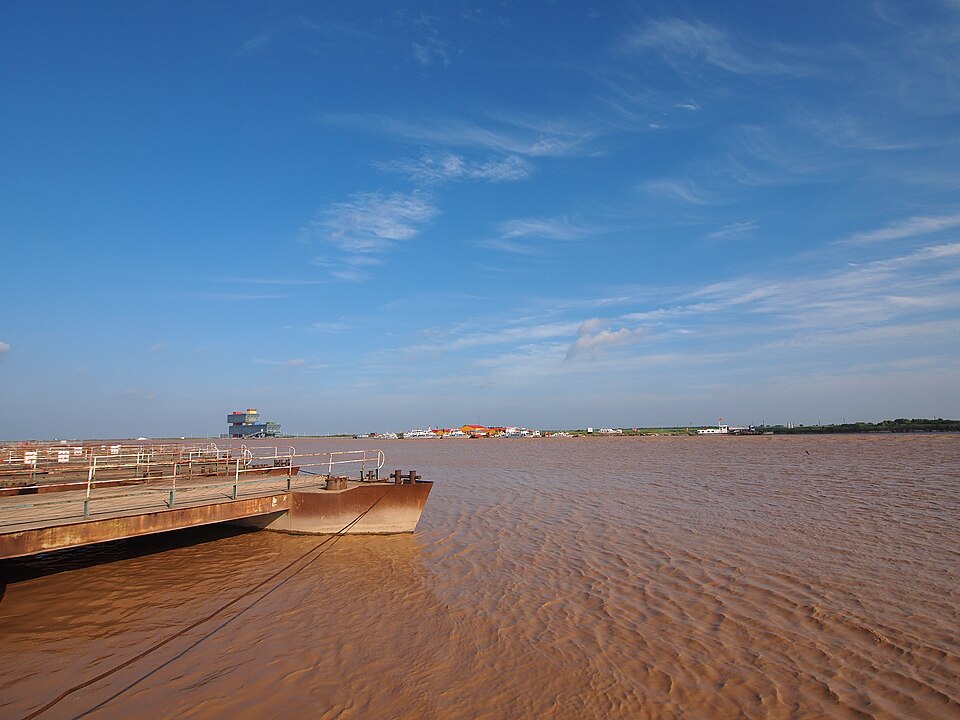
What the estuary day actually involves
Follow posted decks, vehicle routes and reserve shuttles. Do not wander into restricted wetland cores. River color and light shift through the day; morning starts beat late arrivals that race closing gates. One focused estuary block beats collecting every named reserve entrance across the delta. Bird migration windows in spring and autumn reward patience; summer heat and mosquitoes are real on boardwalks; winter wind can erase comfort quickly.
Dongying is an oil-city and delta prefecture, not a beach resort. Come for river-mouth ecology. Swimming holidays belong on the Shandong peninsula coast at places like Rizhao or Qingdao. Downtown Dongying is the sleep-and-supply hinge for early departures, not the nature day itself.
Suggested visit order
Sleep near routes toward the estuary if mornings are non-negotiable. Depart early, confirm shuttle and closed-zone notices at the gate, then work viewing decks before fatigue sets in. Keep lunch simple and on-route. Save any oilfield fringe photos for the return drive only if light and energy remain. City parks and oil-history museums work as rain buffers, not as replacements for a clear estuary window.
Two days with one estuary outing fit most itineraries. Three days help when birding needs a weather redo. Skip filling a short stay with shopping malls if the river mouth was the goal.
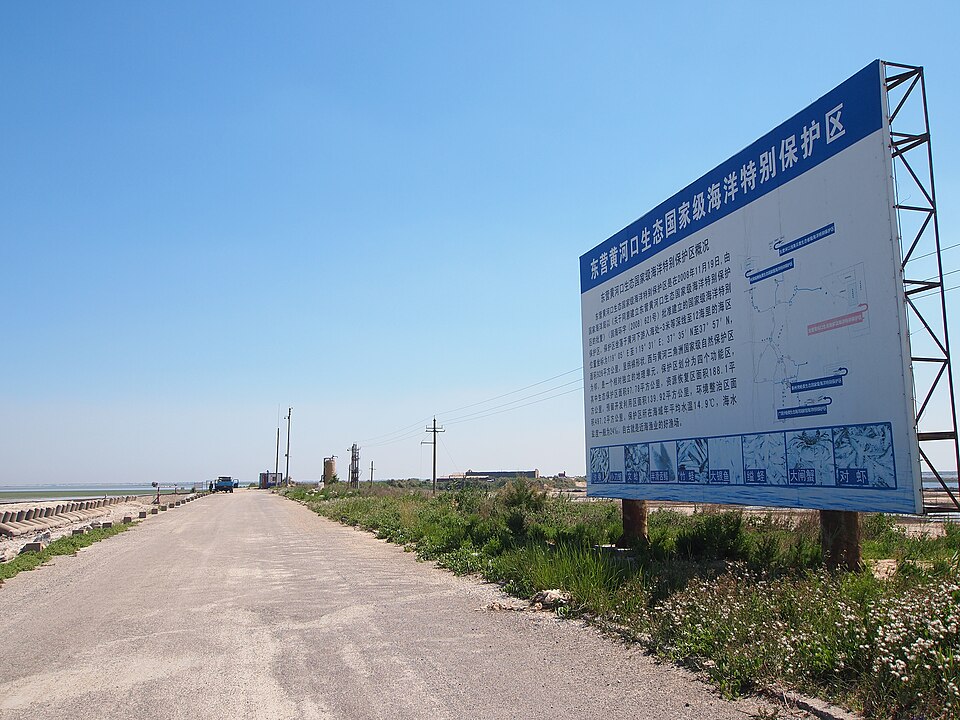
Tickets, hours and practical hedges
Reserve tickets, shuttles and seasonal zone access follow the day's official notice. This page invents no yuan prices. Last returns matter more than opening slogans if you linger on distant boards. Carry insect repellent in warm months, wind layers in cool months and sun protection year-round on open dikes. Binoculars help birders; drones and off-path walking are typically restricted.
Surfaces include boardwalks and vehicle pullouts that grow slick after rain. Flat shoes with grip help. Water and snacks matter because services thin out between gates. Confirm whether your chosen entrance matches the viewing decks you actually want; delta signage can list multiple related parks.
Getting there and how long to stay
Dongying connects by rail and road across the northern Shandong plain. Estuary parks need dedicated buses or cars; do not assume urban transit drops you at the river mouth. Check last returns before dusk wetland walks. Stay near estuary roads for dawn light, or near rail for quick exits toward Binzhou or Zibo.
A full day with transport is the honest minimum. Half days only work when hotels sit unusually close and weather cooperates. Self-driving helps flexible birding stops when reserve rules allow roadside viewing; always obey posted closures.
Season and comfort
April through June and September through October favor wetland walks and migration interest. Summer humidity and insects demand prep. Winter clarity can be beautiful and harsh. Storms close boards; keep a museum or city recovery plan rather than forcing wet paths.
Pairing with oilfield fringe and neighbors
Gudong oilfield sunsets can be atmospheric side notes. They explain the modern Shengli Oilfield economy yet never replace estuary ecology. Binzhou offers mid-plain Yellow River bridges and local manor detours as a different river chapter. Keep Dongying for estuary-to-sea drama.
Bring a printed or offline map pin for the exact gate you booked. Delta roads look similar at dusk, and phone signal can thin near wetland edges. Tell your driver or bus plan the last return time before you walk deep boards so you are not negotiating a night pickup from a closed shuttle stop.
Before you go
- Confirm reserve hours, shuttles and closed zones on the day's notice.
- Measure road time from hotel to the exact gate you will use.
- Pack insect repellent and wind layers in season.
- Keep oilfield loops optional.
- Link the day to the Dongying travel guide.
Frequently asked questions
How long do I need at the Yellow River estuary?
A full day with transport. Birders may need a second weather window.
Is Dongying a beach resort?
No. It is a delta and oil-city prefecture aimed at river-mouth ecology.
Can I see the estuary and oilfield in one day?
Only with an early estuary priority and leftover light. Do not reverse the order if ecology is why you came.
Dongying or Binzhou for Yellow River views?
Dongying for estuary-to-sea drama; Binzhou for mid-plain river chapters.
Sources
Facts in this article were checked against the following sources, retrieved 16 October 2026.
Photos are from Wikimedia Commons under the licences shown in each caption.