Linyi Travel Guide: Calligraphy, the Art of War Slips and the Yimeng Hills
Linyi, a big, busy wholesale-trade city in southern Shandong, has two cultural stops you won't find anywhere else. The Wang Xizhi Former Residence is the boyhood home of the man often called China's greatest calligrapher, with the pond where he washed his inkstones. Nearby, the Yinqueshan museum stands on the Han tombs where bamboo slips of Sunzi's Art of War and Sun Bin's lost military treatise were found in 1972. Give them a day, add an evening on People's Square, and spend a second day in the Yimeng mountains if you have a car.
Places worth visiting
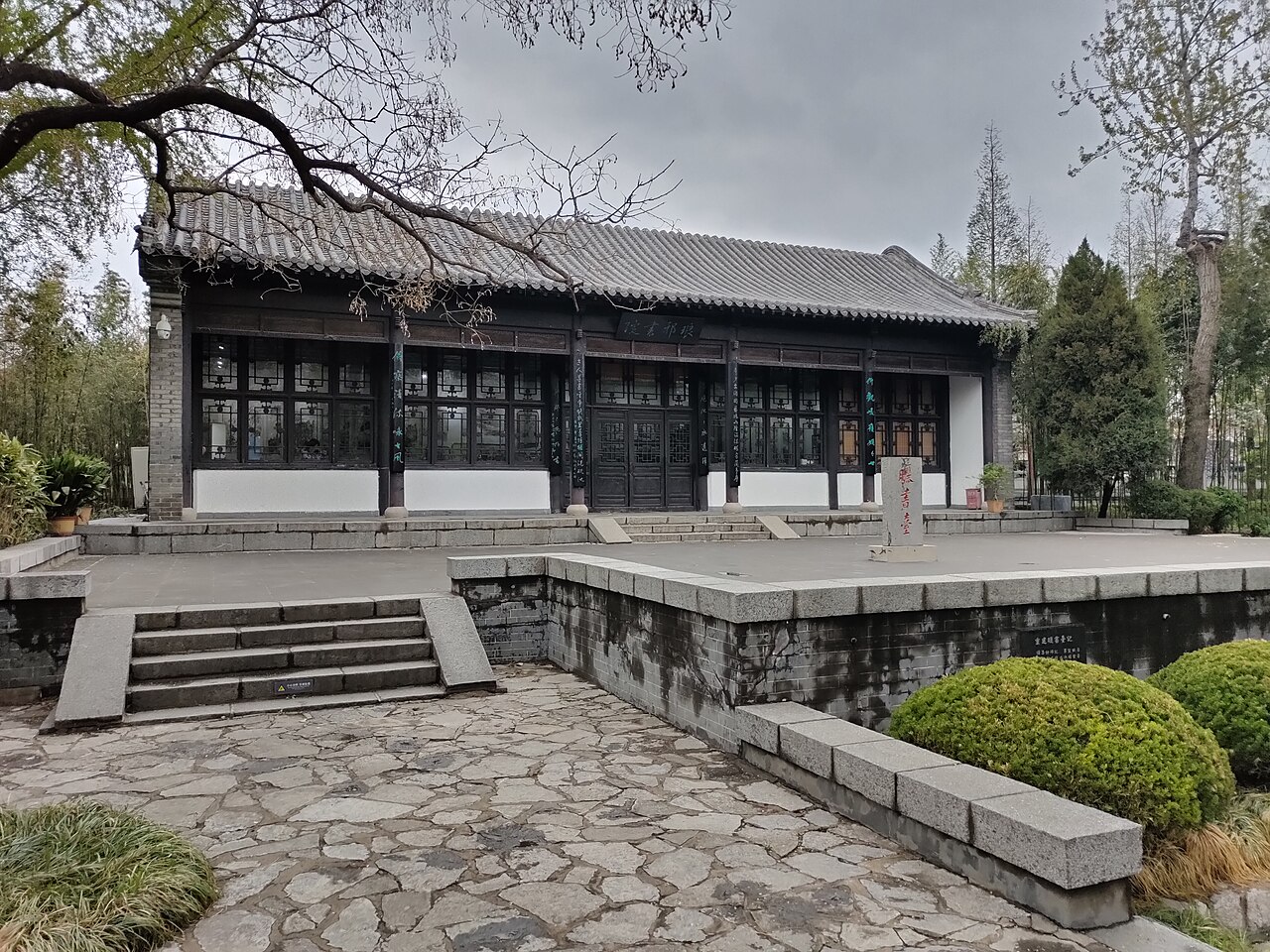
Wang Xizhi Former Residence
Wang Xizhi (c. 303–361) was born in Langya, today's Linyi, and fled south as a child when the Western Jin collapsed; the family home later became a Buddhist temple. Today's site, at 20 Xiyanchi Street in Lanshan District, is a classical garden of about 28 mu (just under 2 hectares). It's built around the Xiyanchi, or Inkstone-Washing Pond: legend says the boy rinsed his brushes and inkstones here so often that the water turned black. Expect memorial halls, stele rooms with copies of his calligraphy, and bamboo paths. Start with the exhibition halls while you're fresh, then slow down by the pond. It's a ticketed scenic area, so check the day's notice for times and price. Allow two hours. More on the residence page.
Yinqueshan Han Tombs Bamboo Slips Museum
On 10 April 1972, construction workers at the foot of Yinqueshan hit two Western Han tombs, buried around 140 to 118 BC. Tomb No. 1 held 4,942 bamboo strips covered in writing, including chapters of Sunzi's Art of War and texts that had been lost for centuries. The museum stands at the tomb site, and some slips are kept here (others are in the Shandong Provincial Museum). It's small and best for readers of military history, but it's one of the great archaeological finds of 20th-century China. Allow an hour, and pair it with the Wang Xizhi residence on the same day.
People's Square
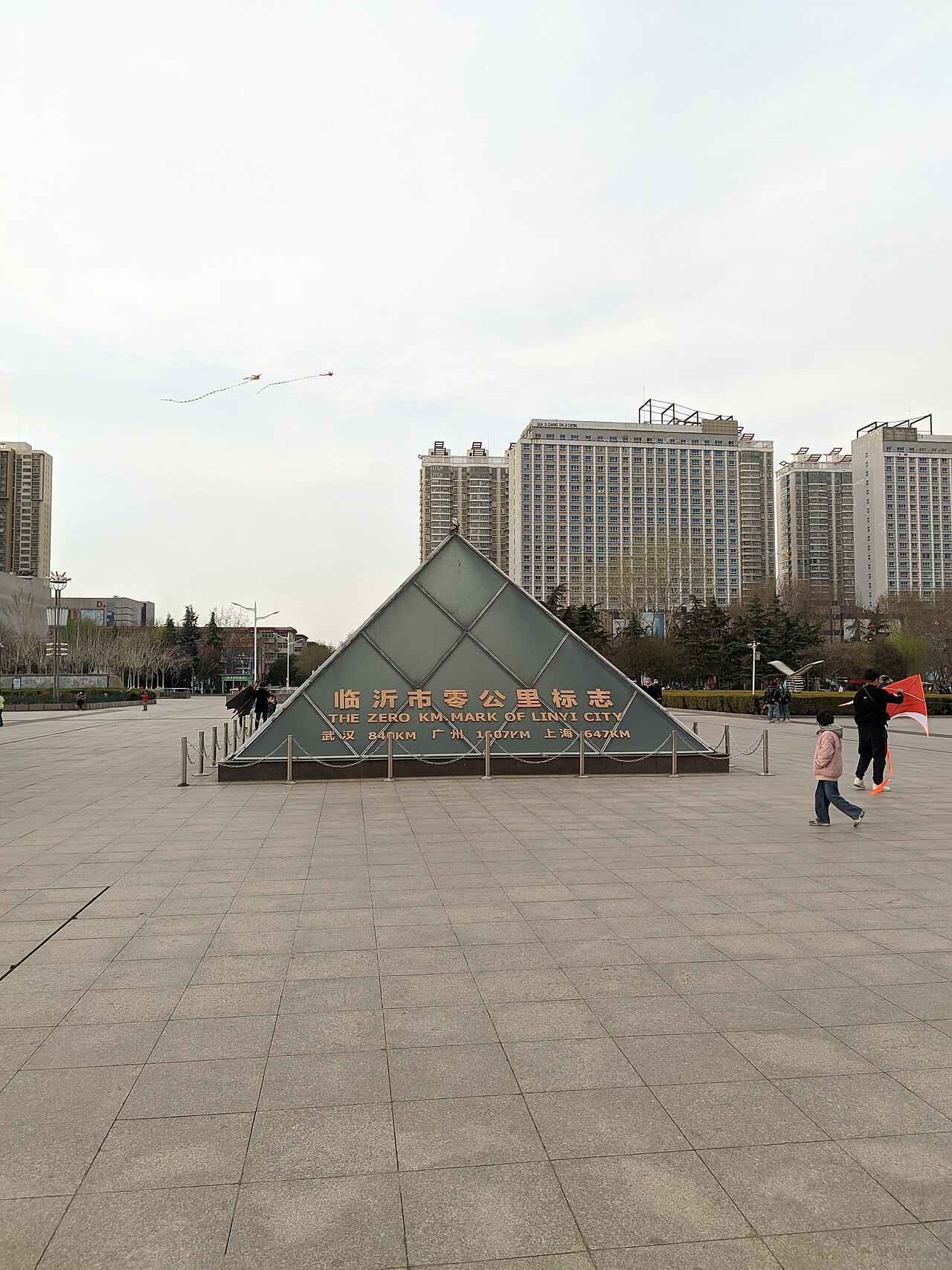
People's Square is the big civic plaza and the start of the city's free evening entertainment. See the People's Square page.
Phoenix Square after dark
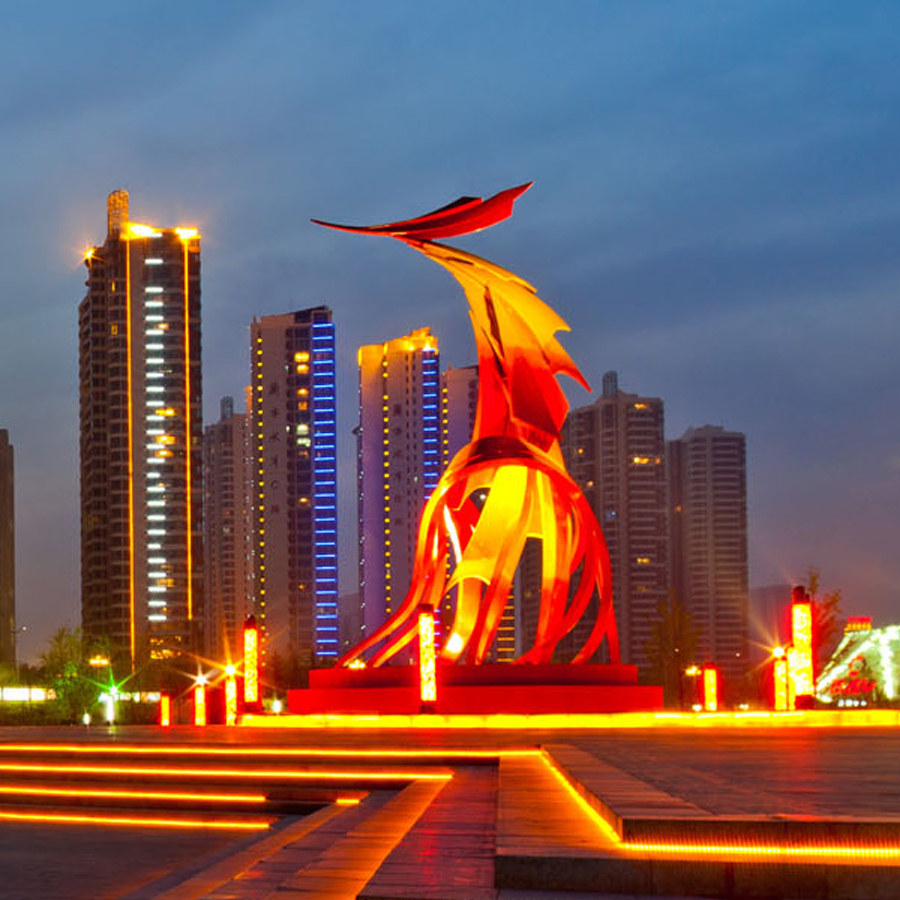
Nearby Phoenix Square is where the lights, dancing and snacks gather after dark. An hour or two after dinner is plenty.
The TV tower
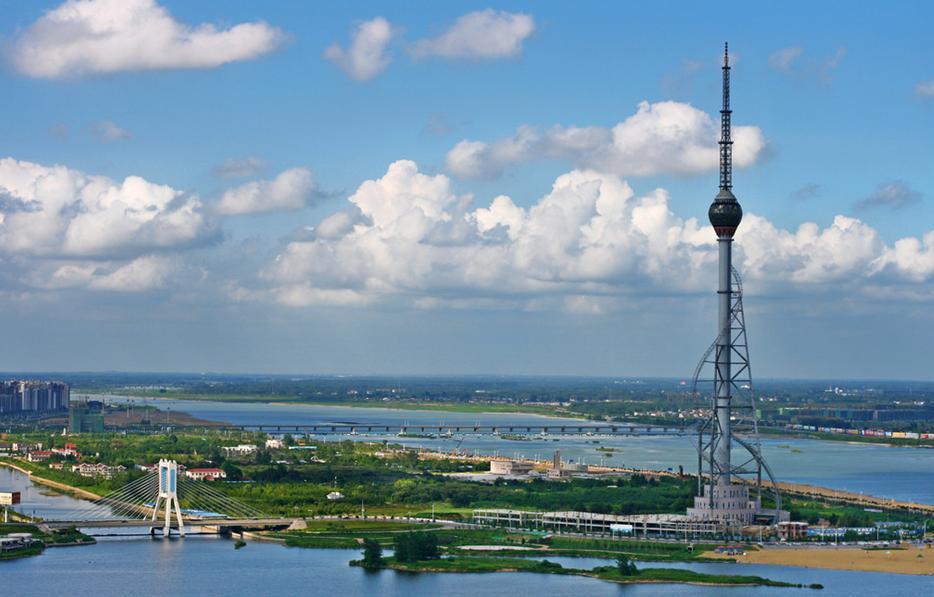
The television tower is a landmark on the skyline. It's only worth paying for the deck if you want height; the squares give enough of the city at night.
Mount Meng and the Yimeng hills
North of the city, the Yimeng hills are the source of the Yi, Shu and Si rivers and a byword for the wartime revolutionary base celebrated in the "Yimeng Mountain Song". The main range, Mount Meng (Mengshan), runs about 75 km. Its highest peak, Guimeng Ding at 1,156 metres, is the second highest in Shandong after Mount Tai. The scenic areas have forest trails and cable cars. You need a car or tour and a clear day; mornings are best before the haze builds.
Linyi is also the birthplace of Zhuge Liang, the Three Kingdoms strategist, in Yinan County, which has a memorial site for fans of the period.
When to come to Linyi
April to May and September to October. The climate sits between humid subtropical and continental, with hot, humid, rainy summers and cold, dry winters. Mountain days need a clear forecast; winter is better for indoor museums.
Getting in and where to stay
- High-speed rail: Linyi North, opened on 26 November 2019, is the hub of the Rizhao–Lankao high-speed line (the Lunan line), east to Rizhao and west towards Qufu and Henan, with platforms reserved for future lines.
- Air: Linyi Qiyang International Airport is the main airport, a short drive from the centre.
- Local: Taxis and ride-hailing are easiest. Bus routes to the residence change, so check a live map.
Stay centrally in Lanshan District near the residence and squares. Linyi's huge wholesale markets are a business destination, not a sight.
Eating in Linyi
Southern Shandong food is wheat-based and robust: jianbing pancakes, with Yimeng-style versions rolled thin and crisp, steamed buns, noodle soups and braised meats. The night markets near the squares are the easy option. Follow the queues.
How to arrange the route
Day 1: Wang Xizhi residence in the morning, the Yinqueshan museum after lunch, People's Square and Phoenix Square in the evening.
Day 2: Mount Meng by car, or a slower city day.
Onward: Rail to Qingdao or Jinan, or east to Rizhao for the coast.
What to cut if short on time
Keep the Wang Xizhi residence and the Yinqueshan museum. Cut the TV tower first, and Mount Meng if you don't have a car.
Things to confirm before you go
- Residence and museum opening hours and tickets.
- Mountain weather and cable-car status.
- Event closures on the squares.
- Bus routes, which change often.
Frequently asked questions
How many days for Linyi?
One day for the city's culture, two with Mount Meng.
Is Linyi worth visiting just for calligraphy?
If Wang Xizhi matters to you, yes, and the Art of War slips museum is a strong second reason. For beaches, choose coastal Shandong instead.
Is the Art of War displayed in Linyi?
Some of the Yinqueshan slips are in the museum at the tomb site; others are in the Shandong Provincial Museum in Jinan.
Sources
The facts in this article were checked against the following sources, retrieved September 16, 2026, and rechecked on October 18, 2026.
- Linyi https://en.wikipedia.org/wiki/Linyi
- Linyi (Chinese) https://zh.wikipedia.org/wiki/临沂市
- Wang Xizhi https://en.wikipedia.org/wiki/Wang_Xizhi
- Wang Xizhi Former Residence (Chinese) https://zh.wikipedia.org/wiki/王羲之故居
- Yinqueshan Han Slips https://en.wikipedia.org/wiki/Yinqueshan_Han_Slips
- Mount Meng and the Yimeng hills (Chinese) https://zh.wikipedia.org/wiki/沂蒙山
- Linyi North station (Chinese) https://zh.wikipedia.org/wiki/临沂北站
Tickets change; this article does not quote yuan amounts.
All photos are from Wikimedia Commons, used under CC licenses; re-use requires attribution.
- linyi-wangxizhi.jpg from File:王羲之故居05.jpg, by Sprt98, CC BY-SA 4.0
- linyi-square.jpg from File:20220327 临沂市人民广场.jpg, by EieChan0831, CC BY-SA 4.0
- linyi-tower.jpg from File:Linyi television tower.jpg, by Liziyuan0216, CC BY-SA 4.0
- linyi-night.jpg from File:临沂夜景-凤凰广场-Night in Linyi,Shandong.jpg, by 夜眼, CC BY-SA 4.0