Guo State Museum, Sanmenxia
The Guo State Museum stands on Liufeng North Road in Sanmenxia, built on the national key protected Western Zhou cemetery of the Guo polity. It is a site museum that combines excavated tombs, chariot pits and galleries of bronzes, jades and other finds. For travellers who care about early Zhou aristocracy, this half day matters more than soft city parks. Pair it with Swan Lake in winter or with Yellow River viewpoints when birds are gone.
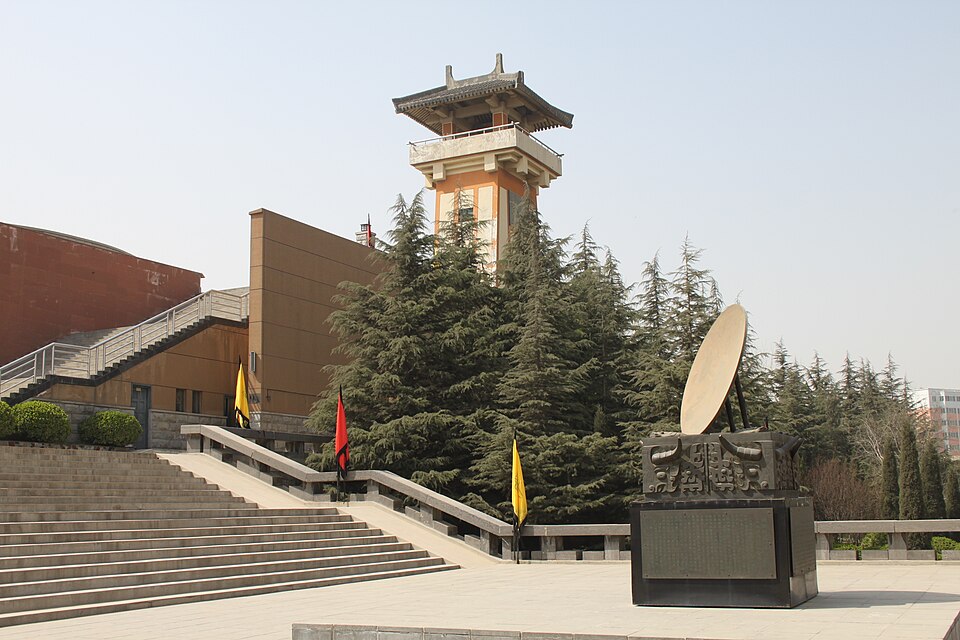
Which Guo, and why Sanmenxia
Guo was a Zhou feudal name shared by related states. Western Guo began near present-day Baoji in Shaanxi and later lineages held ground spanning the Yellow River around Pinglu in Shanxi and Sanmenxia in Henan, with northern and southern centres remembered as Xiayang and Shangyang. Jin destroyed that Guo in 655 BC. East Guo near Xingyang fell earlier to Zheng. The Sanmenxia cemetery belongs to the western Guo story on the Henan bank. Tombs and vehicle pits revealed ranked burials with weapons, chariot gear and ritual vessels that anchor the museum narrative.
Official introductions describe a campus of about 100,000 square metres with functions that mix display, site interpretation, education and exchange. Permanent themes on the museum's own site include banners and history, shining bronzes, jades, rare objects, chariot and horse arrays, and ordered tombs. The chariot hall is the visit highlight for many people. Standing above or beside preserved pits shows how vehicles and horses were placed for elite burials in a way photographs alone do not.
How to pace the halls
Start with the historical overview, then move to bronzes and jades before the chariot pits so the burial context is clear. Two to three hours covers the permanent route at a reading pace. Photography rules inside tombs and pits follow staff instruction. Weekday mornings are calmer than weekend afternoons.
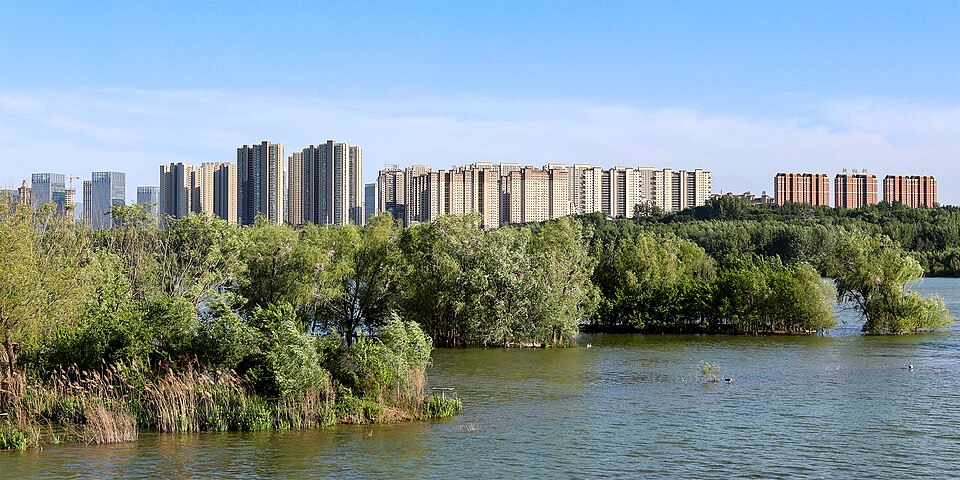
Tickets, hours and getting there
The museum's official service pages list opening from 09:00 to 17:30 with last entry at 16:30, and they note Monday closure except during national holidays when a special timetable may apply. Other notices on the same site stress that major events can change hours, so always check the day's announcement before you go. Ticket prices and concession rules appear on the official channel. A 2025 service note listed a standard adult ticket around 40 yuan with named free and half-price categories, yet figures change, so confirm on the booking page. Do not trust any printed copy alone. Carry passport or Chinese ID.
Taxis from Sanmenxia rail stations reach Liufeng North Road easily. Combine with Swan Lake by doing birds at first light and the museum late morning, or reverse the order when weather is poor for outdoor viewing. The Sanmenxia travel guide keeps Shanzhou pit courtyards as an optional second-day soft stop.
Before you go
- Verify Monday closure and last-entry time on the official site.
- Keep chariot pits for when you are alert.
- Pair winter trips with Swan Lake.
- Read the Sanmenxia travel guide for Yellow River framing and rail links toward Luoyang.
Frequently asked questions
Is this the same as a general city museum?
No. It is a specialised site museum on the Guo cemetery. A separate municipal display space may keep different hours on the same official pages.
How long do I need?
Two hours minimum. Three hours if you read labels carefully.
Should swan watchers skip the museum?
Only if birding is their sole interest. The chariot pits are among the strongest early Zhou displays in west Henan.
Are prices fixed in this article?
No. Use the official ticket notice for the day you visit.
Bronzes, jades and burial rank
Western Zhou elite tombs used graded sets of ritual vessels and jade ornaments to mark status. Labels in the bronze and jade halls help you see those ranks before you reach the chariot pits. Horse and vehicle burials make the same hierarchy physical. Take time with map panels that place Shangyang and the wider Guo lands on the Yellow River bend.
Photography flashes and tripods may be restricted in tomb spaces. Follow staff direction. Combine the museum with a short river viewpoint only if light and energy remain.
Place on a west Henan route
Sanmenxia sits between Luoyang and the Shaanxi border. Travellers moving west can use the museum as the culture anchor and Swan Lake as the seasonal outdoor add-on. Travellers coming only for birds should still leave a late morning for the chariot pits when weather turns.
Sources
Facts in this article were checked against the following sources, retrieved 19 October 2026.
- 虢国博物馆 official site
- 虢国, Chinese Wikipedia
- Sanmenxia, English Wikipedia
- Sanmenxia travel guide on this site
Photos are from Wikimedia Commons under the licences shown in each caption.