Swan Lake, Sanmenxia's Winter Wetland
Swan Lake Urban Wetland Park spreads across Hubin and Shanzhou edges of Sanmenxia, where former Yellow River floodplain and city water hold wintering birds. Whooper swans arrive in numbers from roughly late autumn through early spring, commonly framed as October or November into March, though exact arrival tracks weather and water each year. In 2011 the city received a national wildlife association title as a hometown of whooper swans in China, and the park later earned 4A scenic status. Come for morning bird activity in season. Off season the paths still work as soft green space beside the river city, yet the swans are the reason most travellers stop.
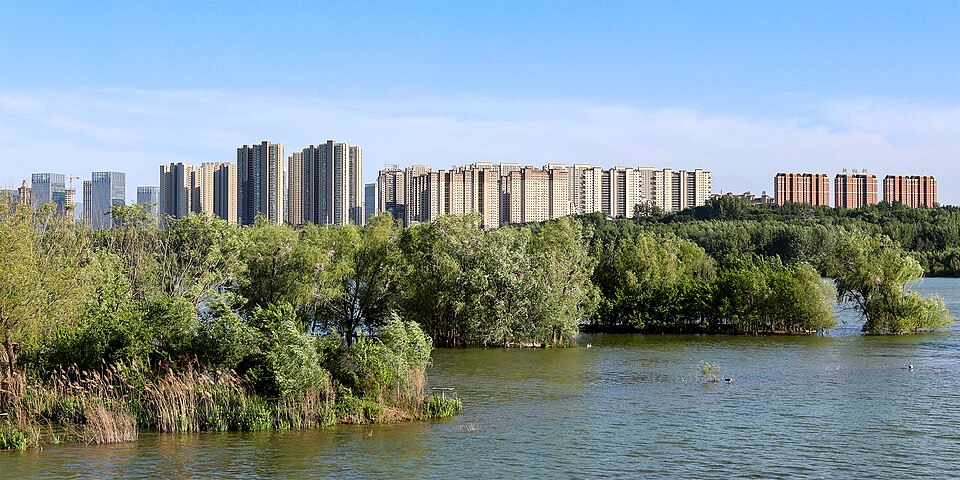
Park scale and setting
Chinese descriptions place the park on the order of 590 hectares, with a large share in open water and the rest in shoreline vegetation and paths. National highway 310 skirts the Shanzhou side in visitor directions. The wider Sanmenxia story is the Yellow River cutting the Loess Plateau. Myths of Yu the Great splitting three gates give the city its name. Modern travellers usually skip engineering deep-dives and keep the wetland for birds plus a half day at the Guo State Museum.
Sanmenxia markets itself as a swan city during peak months. Viewing platforms and lakeside walks concentrate photographers at first light. Midday glare and weekend crowds reduce both bird activity and comfortable walking. Strong wind off the river corridor can empty platforms even when birds remain offshore.
Visit order in season
Arrive for morning activity. Skip racing every civic plaza at noon. One focused wetland block beats inventing a full Xi'an-style day from soft parks. Bring binoculars if you have them. Keep food sealed so birds are not drawn into unsafe feeding. Local rules on approaching shoreline nests and wintering flocks change with management notices, so obey posted signs.
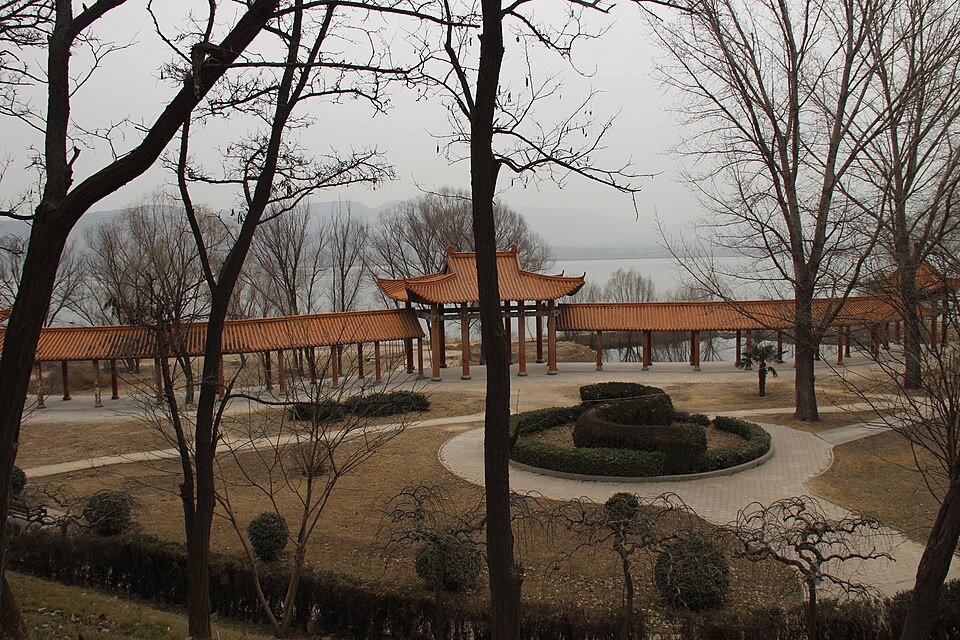
If you still have energy after birds, add a short river viewpoint or save indoor time for the Guo museum. Pit-courtyard villages in the loess country need a clearer second day. Do not stack every underground dwelling onto the same evening as wetland photography.
Tickets, hours and getting there
Park tickets and opening hours follow the scenic area's board and booking channel. This page quotes no yuan amounts. Carry ID. Sanmenxia sits on the west Henan rail corridor toward Luoyang and Shaanxi. Taxis and local buses cover Hubin wetland entrances. Confirm return times if you lodge near the station and chase sunrise light. The Sanmenxia travel guide explains how to split swan mornings and museum hours across two days.
Off-season expectations
Without swans, the park is still a large urban wetland with paths and water views. Many long-distance travellers then prefer the Guo museum as the primary stop and treat the lake as optional evening green. Summer heat on open berms is strong. Spring and autumn suit walking even when bird counts are lower.
Before you go
- Check whether whoopers have arrived or departed that week.
- Pack layers for river wind at dawn.
- Pair in-season mornings with the Guo State Museum.
- Read the Sanmenxia travel guide for food and rail buffers.
Frequently asked questions
When do the swans come?
Local framing points to late autumn through early spring, often October or November to March. Exact weeks vary. Confirm recent sightings before you travel only for birds.
How long should I stay?
Two to three hours covers main platforms in good light. Serious birders linger longer.
Is Swan Lake a substitute for the Guo museum?
No. One is seasonal outdoor birding. The other is Western Zhou archaeology indoors. Different trips.
Can I visit from Luoyang in a day?
Possible by rail, yet sunrise birding then rewards an overnight in Sanmenxia.
Birding etiquette and gear
Keep voices low on packed platforms. Do not throw bread or snacks. Whoopers and other winter waterbirds need distance and quiet more than close portraits. A modest zoom lens or binoculars works better than climbing barriers. Overcast mornings often show birds more actively than bright noon.
City buses and taxis serve Hubin entrances. If you lodge near the station, build extra time for dawn transfers. Evening returns can share a meal of west Henan home cooking before an early museum day.
What "swan city" branding means
The title reflects large winter flocks and local conservation messaging. It does not guarantee birds on every December afternoon. Ice, hunting pressure elsewhere along the flyway and water levels all shape counts. Treat the branding as a seasonal invitation, then verify recent reports before you book a trip solely for whoopers.
Sources
Facts in this article were checked against the following sources, retrieved 19 October 2026.
Photos are from Wikimedia Commons under the licences shown in each caption.