Sanmenxia Travel Guide: Swan Lake, the Guo State Museum and the Yellow River
Sanmenxia sits on the Yellow River in far western Henan, on the high-speed line between Luoyang and Xi'an, which is less than an hour away. In winter, from roughly November to March, thousands of whooper swans gather at Swan Lake, and they are the main reason most people stop. The Guo State Museum, built over a Western Zhou cemetery with preserved chariot pits, makes the city worth a visit in any season. Add the sunken pit-courtyard homes of Shanzhou, and two days fill easily.
Swan season or not
Your timing decides the shape of the trip:
- November to March: Swan Lake at first light is the highlight, the museum fills the late morning, and the afternoon goes to the pit courtyards or the river. The city has promoted itself as China's "hometown of whooper swans" since a national wildlife association gave it that title in 2011.
- April to October: the swans are gone. The museum becomes the main sight, Swan Lake is a pleasant urban wetland for an evening walk, and you can spend more time out in the loess country.
Whatever the season, check recent reports on whether the swans have arrived or left that week; arrival and departure follow the weather.
Places worth visiting
Swan Lake National Urban Wetland Park
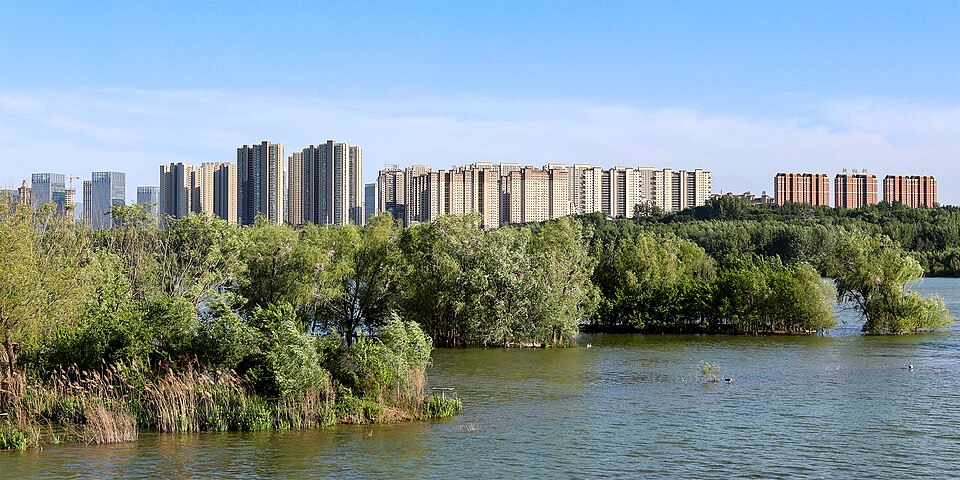
The park covers roughly 590 hectares of former Yellow River floodplain on the edge of Hubin District, much of it open water. Swans gather near the viewing platforms early in the morning, and photographers are out before sunrise. Wind off the river can be bitter at dawn, so dress warmly, bring binoculars, and do not feed the birds. Midday and weekend afternoons are busier and the birds are less active. Ticket and opening rules are on the park's notice. More on the Swan Lake page.
Guo State Museum
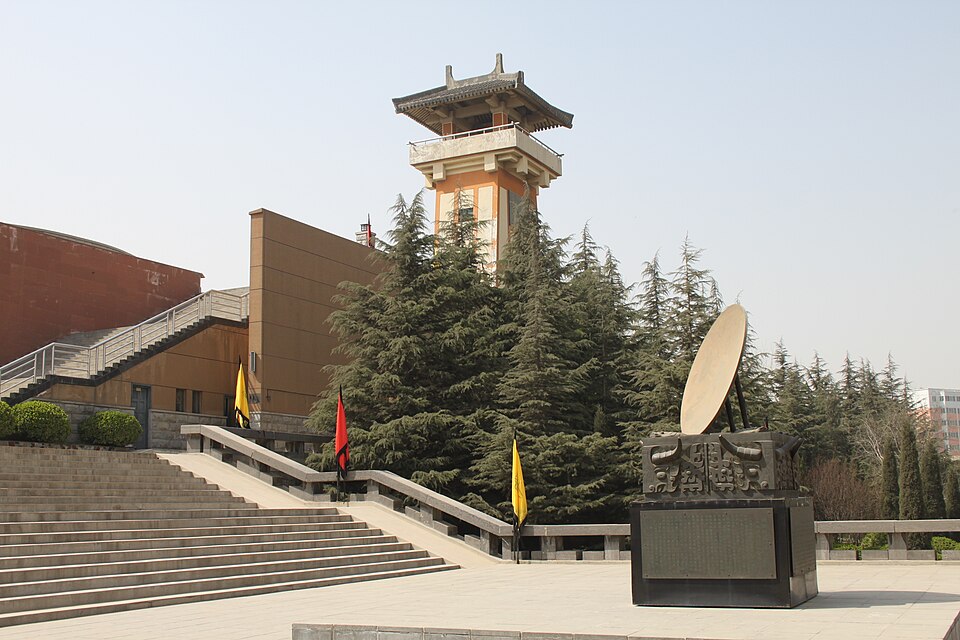
On Liufeng North Road, the museum is built on the cemetery of the Guo state, a Zhou-era polity destroyed by Jin in 655 BC. Its galleries of bronzes and jades lead to the highlight, the chariot pits, where vehicles and horses lie as they were buried for the Guo aristocracy. Two to three hours is a good visit. The museum's own pages list opening from 09:00 to 17:30 with last entry at 16:30 and closure on Mondays outside national holidays; check the day's announcement and ticket rules before going, and bring ID. See the Guo State Museum page.
The Yellow River and the dam
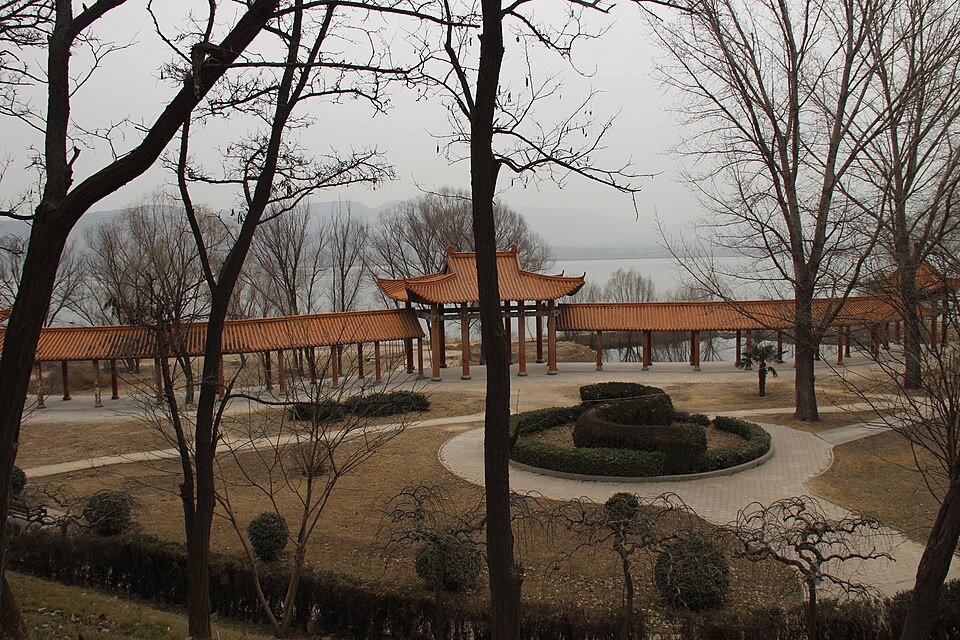
The city takes its name, "Three Gates Gorge", from the rocks that legend says Yu the Great split to let the river through. The Sanmenxia Dam, the first large dam on the Yellow River, was built across the gorge in the late 1950s. Riverside parks in Shanzhou give the easiest views; the dam area itself is for travellers specifically interested in river engineering.
Shanzhou pit-courtyard dwellings
In the loess country around Shanzhou, families traditionally dug their homes down into the ground: a square pit, open to the sky, with cave rooms cut into its walls. The dikengyuan at Beiying village, about 20 minutes by car from Sanmenxia South, are preserved as a scenic area where you can walk the rim and go down into the courtyards. One to three hours is enough.
Hangu Pass and Yangshao village
Two famous names lie in the prefecture's counties. Hangu Pass in Lingbao is where, in legend, Laozi wrote the Daodejing before leaving China; it is now a scenic area with a reconstructed gate. Yangshao village in Mianchi County gave its name to the Yangshao Neolithic culture after excavations in 1921, and has a museum. Both need a car or a dedicated half day, and suit travellers following early Chinese history.
When to come to Sanmenxia
For swans, December to February is usually the peak, with the season running roughly from November to March. Spring and autumn are the most comfortable for walking and the pit courtyards. Summer is hot; plan outdoor visits early and the museum in the afternoon. Winter mornings are cold and windy by the water.
Getting in and where to stay
- High-speed rail: Sanmenxia South is on the Zhengzhou–Xi'an line. The fastest trains from Xi'an North take about 49 minutes; Luoyang Longmen is in the other direction, with Mianchi South in between. Lingbao West is the next stop toward Xi'an.
- Getting around: taxis are the easiest way between the station, Swan Lake, the museum and the pit courtyards.
- Where to stay: a hotel in Hubin District puts you close to Swan Lake for dawn and to the museum.
Eating in Sanmenxia
Western Henan food is wheat-based: noodles, steamed buns and hearty soups. A bowl of hot noodle soup is welcome after a cold morning at the lake. Yellow River fish appears on some menus. Lingbao is known for its apples, sold everywhere in autumn.
How to arrange the route
Winter, two days: Day 1, arrive, evening walk at Swan Lake. Day 2, dawn swans, Guo State Museum late morning, pit courtyards in the afternoon, onward by evening train.
Summer, one or two days: museum in the morning, pit courtyards, a Yellow River walk at sunset; add Hangu Pass or Yangshao on the second day.
Continue west to Xi'an or east to Luoyang and Zhengzhou; Yuncheng in Shanxi is across the river.
What to cut if short on time
In winter keep the swans and the museum. Outside swan season keep the museum and the pit courtyards. The dam and the outlying counties are the first cuts.
Things to confirm before you go
- Recent swan sightings and park opening times.
- Guo State Museum opening days, last entry and tickets.
- Train times at Sanmenxia South.
- Pit courtyard scenic area hours.
Frequently asked questions
When can I see swans in Sanmenxia?
Roughly November to March, with the largest numbers usually in midwinter. Check recent sightings before you travel.
How far is Sanmenxia from Xi'an?
The fastest high-speed trains from Xi'an North to Sanmenxia South take about 49 minutes.
Is Sanmenxia worth visiting outside swan season?
Yes, for the Guo State Museum and the pit-courtyard homes, though one day is usually enough.
Sources
The facts in this article were checked against the following sources, retrieved September 26, 2026, and rechecked on October 20, 2026.
- Sanmenxia https://en.wikipedia.org/wiki/Sanmenxia
- Sanmenxia Dam https://en.wikipedia.org/wiki/Sanmenxia_Dam
- Yangshao culture https://en.wikipedia.org/wiki/Yangshao_culture
- Xi'an North to Sanmenxia South timetable (gaotie.com.cn) https://www.gaotie.com.cn/lieche/xianbei-sanmenxianan.html
- Sanmenxia Culture, Radio, Television and Tourism Bureau http://wglj.smx.gov.cn/21715/617132448/2031016.html
Tickets change; this article does not quote yuan amounts, so check the official notice for your date.
All photos are from Wikimedia Commons, used under CC licenses or public domain; re-use requires attribution.
- sanmenxia-swanlake.jpg from File:20260503 Swan Lake and Skyline of Hubin District, Sanmenxia.jpg, by Windmemories, CC BY-SA 4.0
- sanmenxia-yellow-river.jpg from File:Yellow River and Shanzhou Scenic Area (10277328714).jpg, by Gary Todd from Xinzheng, China, CC0
- sanmenxia-guo-museum.jpg from File:Guo State Museum.jpg, by Gary Todd, CC0