Xishuangbanna Travel Guide: Dai Culture, Tropics, and Jinghong (with a Three-Day Itinerary)
Xishuangbanna’s planning problem is heat and spread: this southern Yunnan Dai autonomous prefecture is tropical, humid, and oriented around Jinghong as the urban base, with rainforest and minority-culture parks on longer radii. You are not here for highland Erhai light; you are here for palm-line streets, Dai temple roofs, night markets, and optional elephant-valley nature. Protect mornings for outdoor walking, nap or museum through peak heat, and avoid pairing Wild Elephant Valley with a full old-town day without a car plan.
Planning Jinghong base vs rainforest day
Jinghong is the hub: Manting / Dai parks, Mekong riverside, and night markets. Do these on arrival day while energy is high and heat is managed with shade breaks.
Wild Elephant Valley (and similar rainforest parks) is a separate transport block north of the city. Treat it as its own day. Spotting wild elephants is never guaranteed; go for forest boardwalks and habitat, not a zoo promise.
Do not confuse Xishuangbanna with Dali or Lijiang. Those are plateau old-town trips. Banna is lowland tropics and Dai cultural tourism, closer in climate logic to Southeast Asia than to Cangshan snow.
Stay in Jinghong for food and evenings; park-area lodging only if you want dawn forest walks.
When to come to Xishuangbanna
Tropical monsoon climate: high heat and humidity, distinct wet and dry seasons. November–April is the friendlier sightseeing window (drier, slightly cooler nights). May–October brings heavier rains, lush growth, and sticky afternoons. Midday outdoor temple walking fails in peak heat year-round; shift hard outdoor blocks to early morning. UV is strong under clearer dry-season skies; rain gear matters in the wet months. Water-splashing festival periods are culturally vivid and logistically crowded; book lodging early if that is your target.
How to get in and where to stay
Jinghong (Xishuangbanna Gasa) airport and regional roads connect to Kunming and Pu'er. City taxis and day-hire cars cover Manting and night markets easily; Elephant Valley wants planned transfer time. Confirm which Jinghong districts your hotel sits in relative to the evening markets you want.
Stay near Manting / central Jinghong for walkable evenings.
Places worth visiting
Dai cultural parks and Manting: visit order
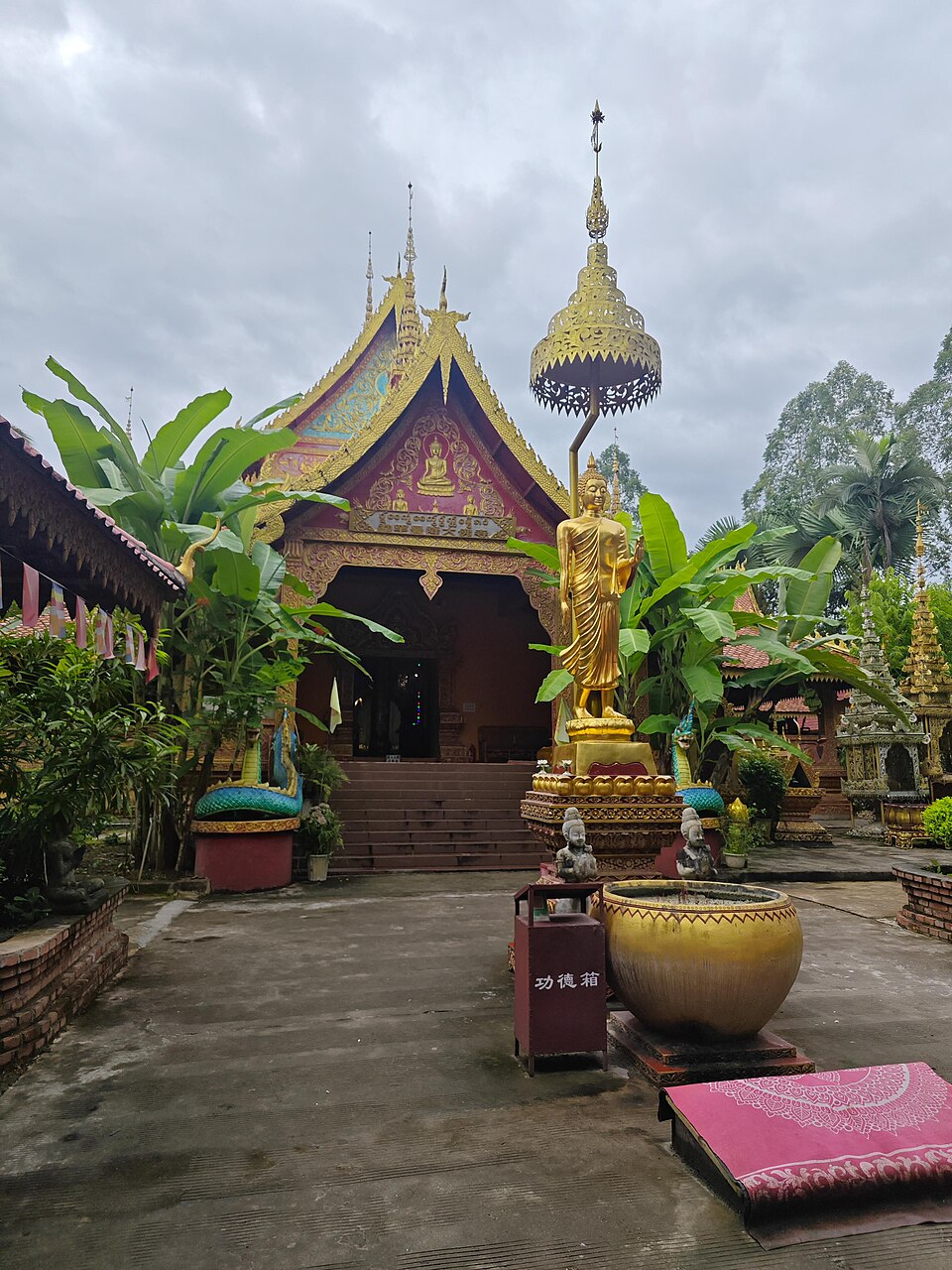
Start with a major Dai park or Manting temple-and-garden cluster in the cooler morning, then retreat to shade for lunch, then riverside or night market after sunset. Jinghong’s Dai identity shows in temple roofs, water-culture festivals, and food more than in a single “old street.” Tickets for themed parks follow official notice. Pair culture parks with evening markets; save rainforest mileage for another day. Day-versus-evening tickets and Zongfo Temple notes are on the Manting Park page.
City tropics vs Wild Elephant Valley
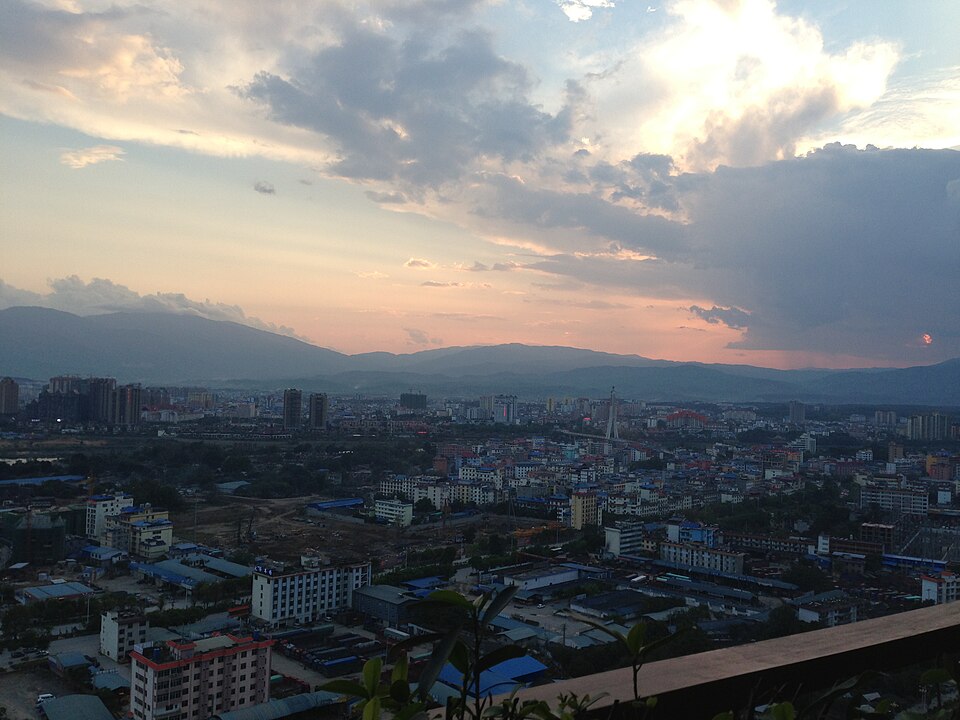
| Jinghong Dai / Manting day | Wild Elephant Valley day | |
|---|---|---|
| Role | Culture, food, night markets | Rainforest boardwalks / habitat |
| Transport | In-city | Out-of-town block |
| Expectation | Temples and streets | Forest; elephants not guaranteed |
| Skip if | You only want nature | You dislike theme-park edges |
Elephant Valley marketing outruns wildlife odds. Go for canopy and paths; treat any elephant sighting as luck. Boardwalk, cableway and transfer timing are on the Wild Elephant Valley page.
Who should skip stacked theme parks
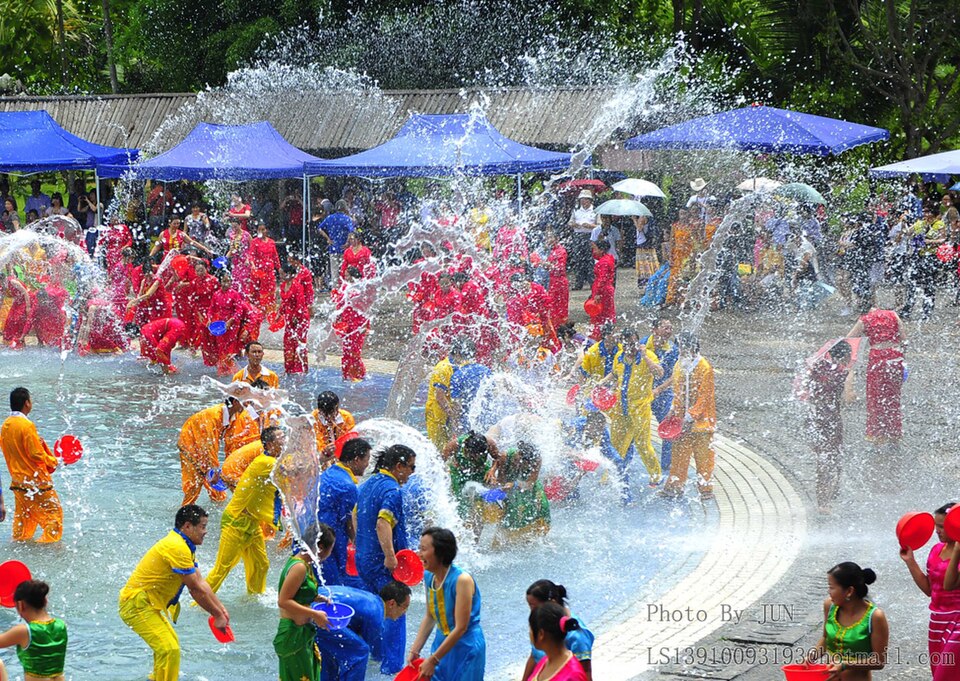
Skip buying every ethnic-culture show ticket when one good park plus street food already explains the trip, when heat makes midday shows miserable, or when you came mainly for rainforest. Keep one performance only if dance/theater is your priority. Duplicate “minority village” products blur together fast.
Also on the map
Mekong / Lancang riverside walks. Evening temperature relief.
Tropical botanical gardens (as scheduled). Half-day plant focus when open and reachable.
Day trips toward border towns. Only with documents, daylight, and current entry rules checked; not casual evening ideas.
Eating in Xishuangbanna
Dai flavors lean aromatic, herbal, grilled, and sometimes spicy-sour: pineapple rice, grilled fish, and cold salads appear on tourist and local tables alike. Night markets in Jinghong are the easiest entry. Fruit is part of the trip in season. Follow crowded stalls over empty “performance dinner” halls. Pu’er tea culture overlaps the wider south Yunnan story if you continue north.
How to arrange the route
Three days fit culture + one nature day without heat stroke.
Day one: Manting / Dai park morning; rest; night market.
Day two: Wild Elephant Valley or botanical garden day trip; return for river evening.
Day three: second park or slow food day; fly or road toward Kunming / Pu’er.
Xishuangbanna is the tropical bookend of a Yunnan loop, not a highland old-town substitute.
What to cut if short on time
Drop in this order:
- Extra ethnic shows, keep one park maximum.
- Wild Elephant Valley, if you only have one full day total.
- Botanical garden, when rainforest or Dai parks already filled the calendar.
- Keep: Jinghong Dai park morning + night market. That is the minimum honest Banna stop.
With one day only: Manting/Dai cluster and night market, skip Elephant Valley.
Things to confirm before you go
- Park tickets and show times follow official notice.
- Heat plan: morning outdoor, midday indoor or rest.
- Mosquito protection and stomach caution with street fruit drinks.
- Elephant Valley transfer timing and expectations (no guaranteed sightings).
- Festival dates if traveling in water-splashing season.
Frequently asked questions
How many days for Xishuangbanna?
Two days for Jinghong culture; three if you add Elephant Valley or gardens. One day only works as a taste of Manting and markets.
Will I see wild elephants?
Possibly, not reliably. Plan for forest walking; treat elephants as a bonus.
Better than Dali for first-time Yunnan?
Different trip. Choose Banna for tropics and Dai culture; choose Dali for plateau lake-and-old-town pacing.
What must you eat?
Dai grilled or pineapple-rice style dishes once, plus night-market foraging in Jinghong.
Sources
The facts in this article were checked against the following Wikipedia and encyclopedia entries, retrieved September 18, 2026.
- Xishuangbanna Dai Autonomous Prefecture https://en.wikipedia.org/wiki/Xishuangbanna_Dai_Autonomous_Prefecture
- Jinghong https://en.wikipedia.org/wiki/Jinghong
- Xishuangbanna (Chinese) https://zh.wikipedia.org/wiki/西双版纳傣族自治州
- Jinghong (Chinese) https://zh.wikipedia.org/wiki/景洪市
Park tickets change; this article does not invent yuan amounts.
All photos are from Wikimedia Commons, used under CC licenses; re-use requires attribution.
- xishuangbanna-dai.jpg from File:Jinghong Xishuangbanna Daizu Yuan 20250809 091109.jpg, by Zhangzhugang, CC BY-SA 4.0
- xishuangbanna-jinghong.jpg from File:City of Jinghong, Yunnan, China in 2015.JPG, by Ericmetro, CC BY-SA 4.0
- xishuangbanna-panorama.jpg from File:Jinghong, Xishuangbanna, Yunnan, China - panoramio.jpg, by 18600025200, CC BY-SA 3.0