Yancheng Red-Crowned Crane Reserve
Every winter between 400 and 600 wild red-crowned cranes fly down from the northeast and the Russian Far East to the mudflats and reed beds of Yancheng. They spend the cold months in the Jiangsu Yancheng Wetland Rare Birds National Nature Reserve, a protected strip of the Yellow Sea coast that is the largest wintering ground of the crane's western migratory population. The public face of the reserve is the Red-Crowned Crane Wetland Ecotourism Area in Tinghu District, east of the city, and that is where a visit starts.
The reserve
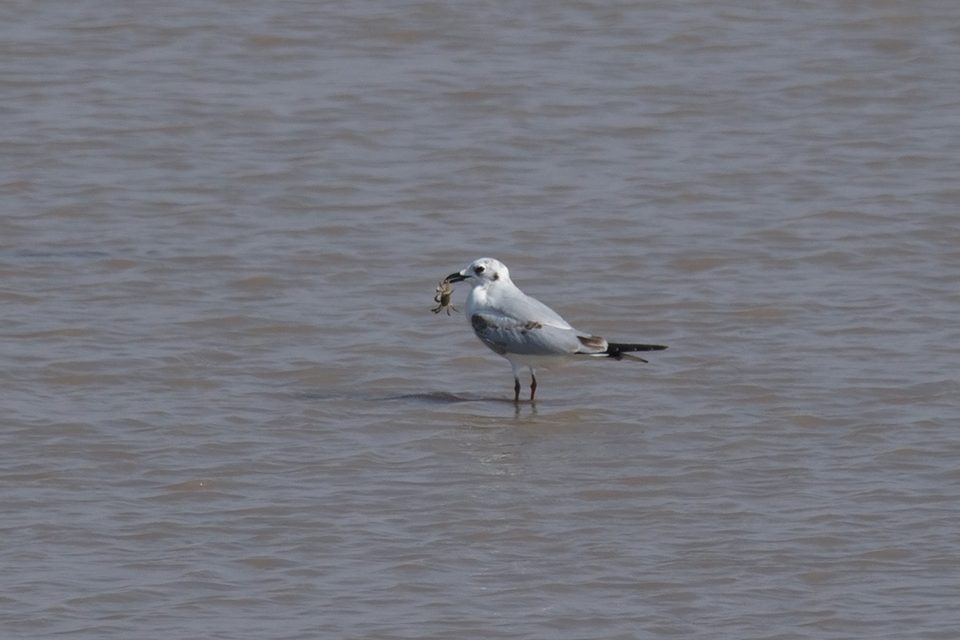
The province set up the reserve in 1983. It became a national nature reserve in 1992, and in November of that year UNESCO added it to the world network of biosphere reserves. In 2019 its middle section joined the Dafeng milu reserve and the Tiaozini flats in the World Heritage listing for the migratory bird sanctuaries of the Yellow Sea and Bohai coast, and in 2025 the IUCN placed it on its Green List of well-managed protected areas. In May 2026 the National Forestry and Grassland Administration named it the only Jiangsu entry in its first set of model eco-tourism sites, according to Baidu Baike.
The scale is large. Chinese Wikipedia gives a total area of 247,260 hectares along the coast, and more than 2,600 plant and animal species have been recorded. Fourteen species under China's top level of protection live here, among them red-crowned, hooded and Siberian cranes, Oriental and black storks, the scaly-sided merganser, relict gull and great bustard. The Yellow Sea flats as a whole make up the largest intertidal mudflat system in the world and a vital stop on the East Asian to Australasian Flyway. The World Heritage listing names spoon-billed sandpiper, black-faced spoonbill and Saunders's gull among the threatened birds that depend on them.
Xu Xiujuan and the crane song
The reserve has its own heroine. Xu Xiujuan was born in 1964 in Qiqihar into a family of crane keepers at Zhalong in Heilongjiang, the northern breeding ground of the same cranes. In May 1986 the Yancheng reserve invited her south. She arrived carrying three crane eggs, built the first crane-rearing station in southern China and succeeded in hatching red-crowned cranes on their wintering ground. On 16 September 1987, aged 23, she drowned in the marsh while searching for birds that had gone missing. The song A True Story, written about her, was widely sung across China. Her former residence inside the visitor area is open to the public, and during the 2026 National Day holiday the area's Xianhe Theatre staged the first run of a musical with the same title as the song.
What the visitor area holds
The ecotourism area covers about 16,000 mu, a little over ten square kilometres. The Wanghe Pavilion, an 18 metre lookout built in 1989, gives the long view over the flats, and a nine metre wooden platform faces the roosting grounds where tens of thousands of birds come in at dusk. Hides tucked into bamboo let photographers watch without disturbing the birds. The Waterfowl Lake, about 30 mu of open water, keeps swans, pelicans, mandarin ducks, geese and wild ducks close to the boardwalks.
The Red-Crowned Crane Rescue and Breeding Centre is the place most visitors remember. Cranes reared here are trained for flight, and the area lists release flights at about 10:30 and 15:30 each day, with the morning flight as the main event. These are captive-raised birds. The wild winter cranes keep their distance out on the reserve, and seeing them takes binoculars, patience and luck with the tide and weather. Bad weather can cancel the flights.
When to go
The crane season runs from late October to March, and Yancheng Bendibao suggests November to February as the peak months. Winter also brings great flocks of cormorants and ducks. Spring has a heronry of more than 5,000 egrets nesting in a willow wood. Spring and autumn bring waders on passage. In autumn the seepweed on the tidal flats turns deep red. Summer is for gull chicks, heat and mosquitoes. The reserve hosts the Red-Crowned Crane Yellow Sea Wetland Tourism Festival each spring, and the 2026 festival opened on 25 April.
Dress for wind. The coast is flat and open, and a winter morning on the platforms is colder than the city forecast suggests.
Tickets, hours and getting there
The ecotourism area's own ticket page lists hours of 8:30 to 17:00 on working days and 8:15 to 17:00 on holidays, with a full ticket at 40 yuan and a half ticket at 20 yuan. Half price covers ages 6 to 18, full-time students and visitors aged 60 to 69, and children up to 6 or 1.4 metres and visitors over 70 enter free. On Wednesdays local residents get a reduced rate. Other listings from 2025 show slightly different prices and opening times, so check the official notice on the day.
The area is off provincial road 331 on the Danhe road, east of central Yancheng toward the coast, beside the Huojian farm, according to Baidu Baike. Taxis, ride-hailing and hired cars are the practical options. The area rents tandem bicycles and electric carts for the internal loop. Plan half a day to a full day.
Pairing it
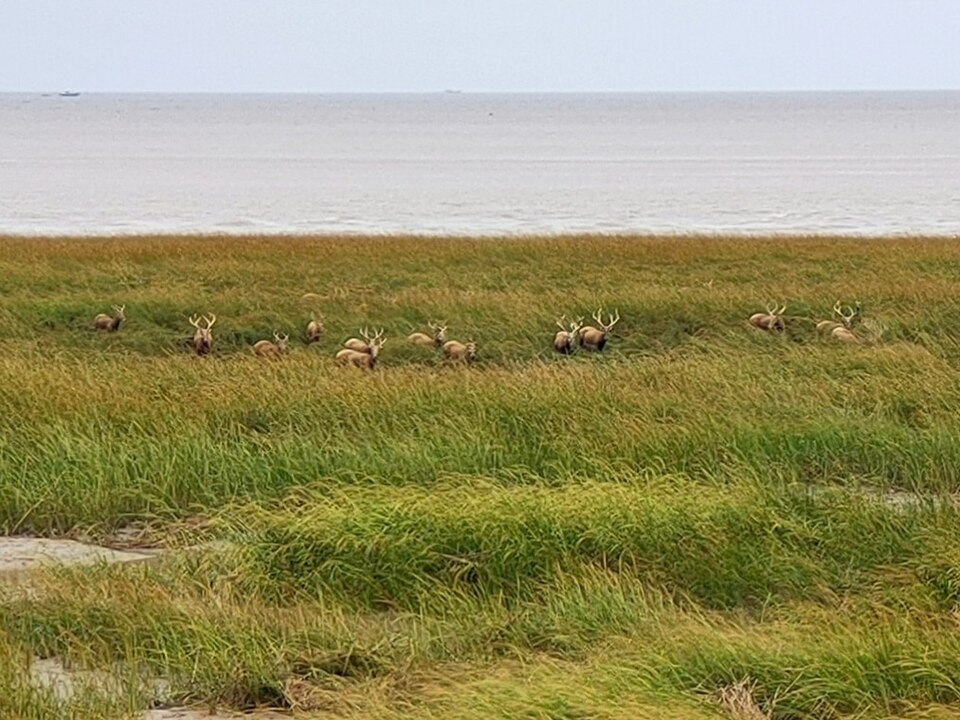
The Dafeng Milu reserve, south along the same coast, fills a second day. Two winter days from a Yancheng hotel cover both World Heritage headline species. Birders heading on can also look at Hengshui Lake in Hebei, a very different inland wetland.
Frequently asked questions
Are the cranes in the flight show wild?
No. They are cranes reared and trained at the breeding centre. The wild cranes winter on the open reserve.
Can I see wild cranes from the visitor area?
In winter, sometimes, from the platforms with binoculars. Numbers and distance change daily.
What should I bring?
Binoculars, warm layers in winter, repellent in summer, and a long lens for photography. Flash disturbs the birds.
Sources
Facts in this article were checked against the following sources, retrieved 21 October 2026.
- 盐城湿地珍禽国家级自然保护区, Chinese Wikipedia
- 徐秀娟, Chinese Wikipedia
- 中国黄(渤)海候鸟栖息地, Chinese Wikipedia
- Red-Crowned Crane Wetland Ecotourism Area, ticket page
- Red-Crowned Crane Wetland Ecotourism Area, Baidu Baike
- Yancheng Bendibao, best months for cranes
- Yancheng Coastal Wetlands, English Wikipedia
- Yancheng travel guide on this site
Photos are from Wikimedia Commons under the licences shown in each caption.