Yushu Travel Guide: Jiegu Monastery, Gesar Country, and Plateau Pace (with a Two-to-Three-Day Itinerary)
Yushu’s (Jyekundo) planning problem is altitude and history together: Jiegu Monastery and Gesar cultural sites sit in a high southern Qinghai Tibetan prefecture rebuilt after the 2010 earthquake, so memorial honesty and slow pacing matter as much as sightseeing. Protect one monastery half-day and one cultural museum or mani-stone chapter. Do not treat Yushu as a soft afternoon from Xining.
Planning monastery vs memorial vs grasslands
Jiegu (Gyegu) Monastery is the hillside religious hero for many visits. Rebuilt fabric after 2010; photography and dress rules follow on-site notices. Invent no yuan ticket amounts.
Earthquake memorial and reconstruction context are part of the city’s public story. Visit with respect; this is not a theme-park ruin walk.
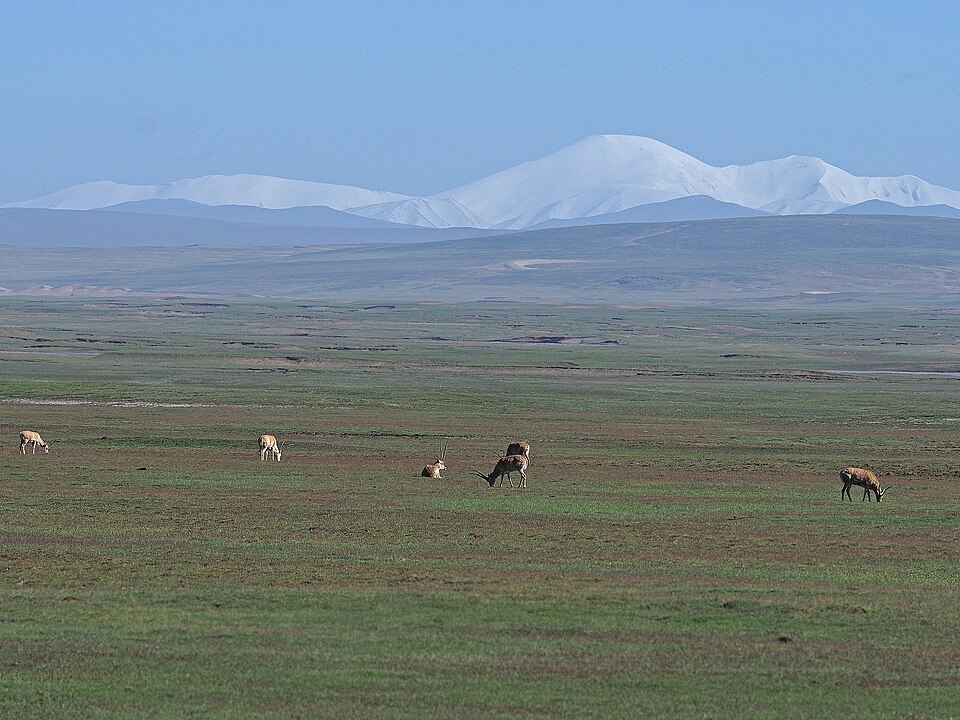
Gyanak Mani stone piles and Gesar museum notes are cultural depth layers. Strong for travelers who want more than one temple photo.
Stay in Jiegu town for hotels; grassland and sacred-mountain side trips need hired transport and weather windows. Keep Dongguan Mosque and city food in Xining; keep Haidong for nearer Tu/Liuwan chapters; keep Yushu for deeper plateau Tibetan prefecture pacing.
When to come to Yushu
High plateau climate: May–October is the usual outdoor window; winters are severe with thin transport. Summer can bring rain; strong UV year-round. Confirm festival calendars if you hope for major religious gatherings (crowds and closures change).
How to get in and where to stay
Yushu Batang Airport and long road/rail approaches via Xining. Altitude is real on arrival; plan a quiet first evening. Foreign travelers should confirm current Qinghai Tibetan-area guidance with hotels or agencies (rules can differ from TAR Tibet permits, but access is not always frictionless). Keep lake tourism under separate Qinghai Lake / Haixi plans.
Places worth visiting
Jiegu Monastery half-day
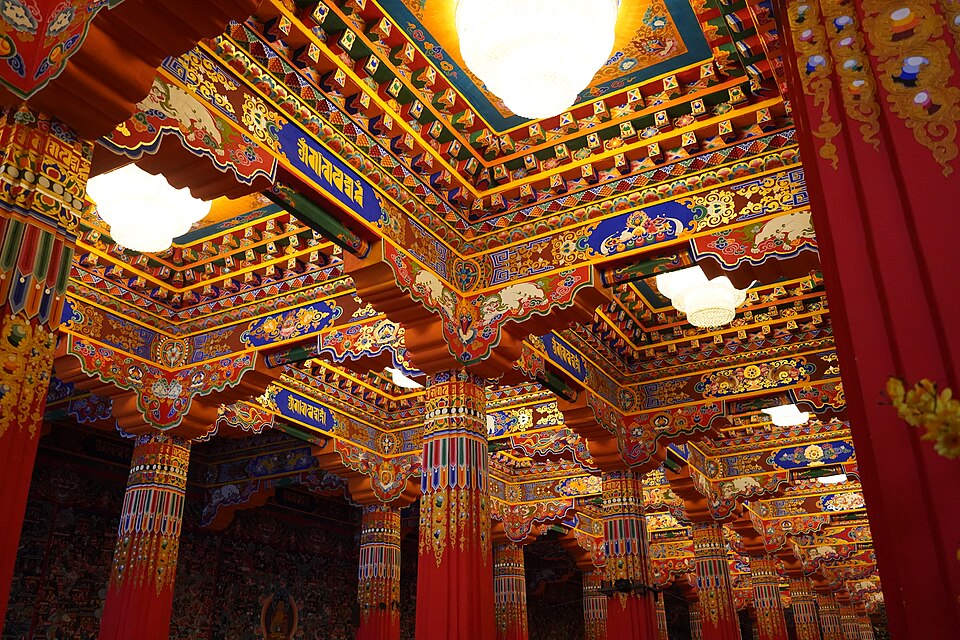
Walk up at a slow pace after arrival. Respect prayer halls; keep voices low. One monastery focus beats racing mani sites the same breathless hour.
Gesar culture vs memorial context
| Gesar / mani culture | Memorial / rebuild story | |
|---|---|---|
| Role | Epic and prayer-stone chapter | Civic memory chapter |
| Time | Half day | 1–2 hours |
| Skip if | Monastery already filled short stay | You prefer only living temple visits |
Who should skip treating Yushu as Xining-lite
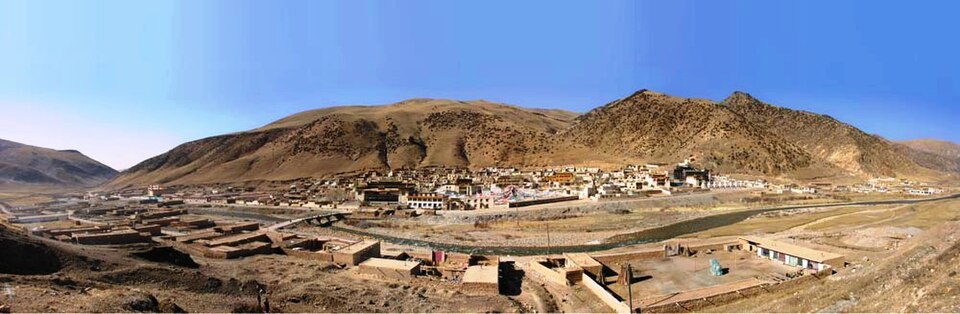
Skip same-day round trips from Xining as the default plan. Keep provincial capital food and mosques in Xining; keep Yushu for high prefecture monastery and cultural pacing with altitude buffers.
Also on the map
Princess Wencheng Temple area notes (when open). Separate short outing.
Soft town evenings. Yak butter tea and early sleep.
Corridor links. Xining north; Haixi west for Golmud/Qaidam logistics; TAR Tibet routes are a different permit world.
Eating in Yushu
Tibetan and Sichuan-influenced highland cooking. Invent no yuan amounts. Menus thin compared with Xining.
How to arrange the route
Day one: arrive; quiet acclimatization evening.
Day two: Jiegu Monastery plus memorial or mani site.
Day three: Gesar museum or grassland viewpoint; exit toward Xining.
What to cut if short on time
- Far grassland after monastery + memorial, cut first.
- Duplicate temple photo stops, cut next.
- Keep: Jiegu Monastery + one cultural or memorial chapter as the honest core.
Things to confirm before you go
- Altitude pacing and sun protection.
- Site opening hours after rebuild schedules.
- Transport time from Xining (not a short metro hop).
- No invented ticket prices; official notice wins.
Frequently asked questions
How many days for Yushu?
Two to three days after arrival buffers; one rushed day underplays altitude and distance.
Do I need a Tibet Travel Permit?
Yushu is in Qinghai, not the Tibet Autonomous Region. TAR-style Tibet Travel Permits are a different system; still confirm current local access rules for your nationality.
Is Yushu mainly about the 2010 earthquake?
The quake shaped the rebuilt city, but living monastery and Gesar culture remain central. Visit memorial spaces respectfully without treating grief as spectacle.
Sources
The facts in this article were checked against public encyclopedia and Qinghai travel summaries, retrieved October 1, 2026.
- Yushu / Jyekundo summaries (cross-checked)
- 2010 Yushu earthquake public records (memorial context)
Tickets change; this article does not invent yuan amounts.
All photos are from Wikimedia Commons, used under CC licenses; re-use requires attribution.
- yushu-gyegu.jpg from File:Gyegu monastery, Yushu.jpg, by Wikiwakhan, CC BY 4.0
- yushu-gompa.jpg from File:Chiru, Gyêgu, Tibet.jpg
- yushu-landscape.jpg from File:Xia Laxiu kl.jpg, by Gruschke, CC BY-SA 3.0