Yuexiu Park: Rams, Tower and a Free Hill Morning
Yuexiu Park covers Yuexiu Hill in the old north of the city centre, about 860,000 square metres of parkland with seven hillocks and three artificial lakes. Sun Yat-sen pushed the park idea in 1921; the hill itself is only about 70 metres above sea level, which is enough for breezes and views without a mountain day. Entry to the park grounds is free. The two reasons most visitors come are the Five-Ram Statue, Guangzhou's city emblem, and Zhenhai Tower, the five-storey Ming landmark that now houses a branch of the Guangzhou Museum. Put this first on the Yuexiu day in the Guangzhou travel guide, then continue toward the Nanyue King Museum or Sacred Heart Cathedral.
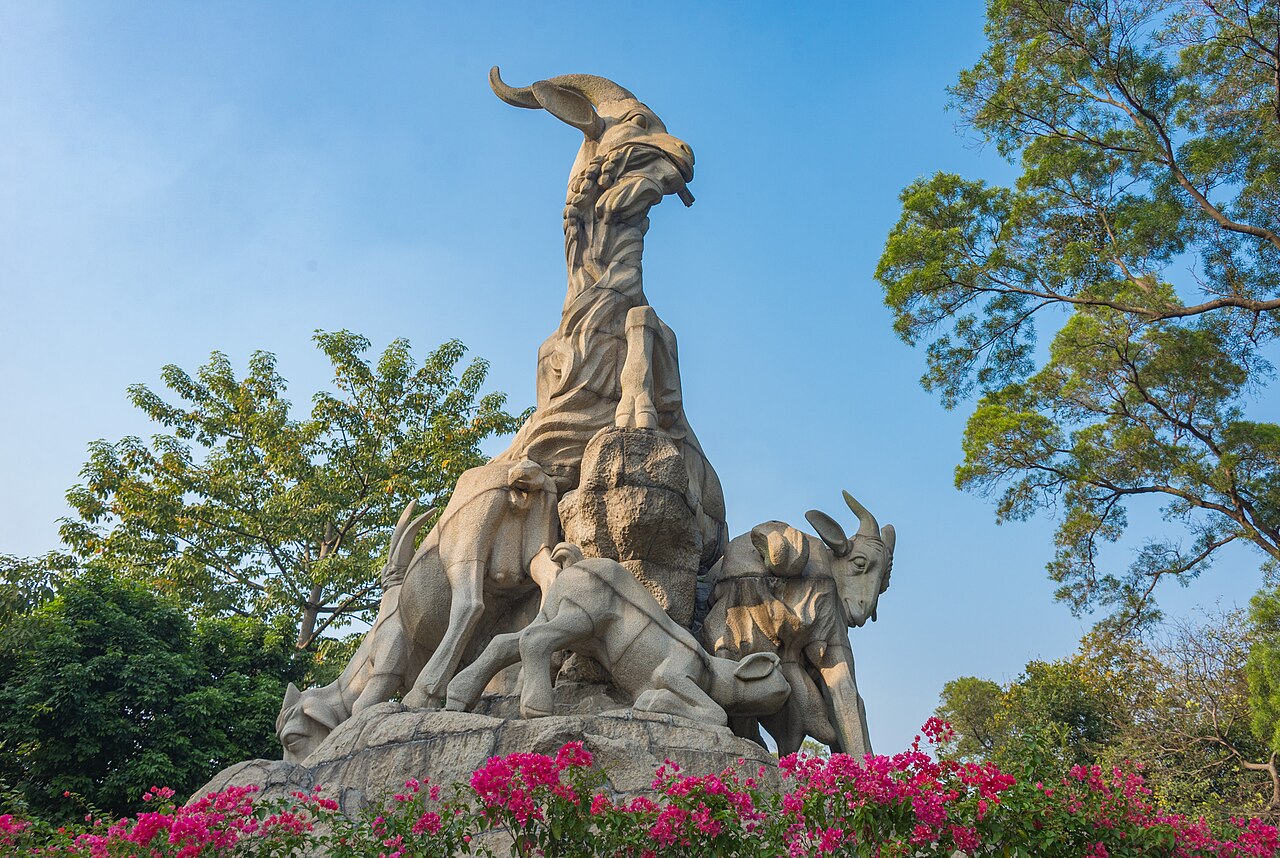
Five rams and why the city is called Ram City
Guangzhou's nicknames "Ram City" and "Sui City" track a founding legend: five immortals riding five coloured rams brought grain ears to the people of the delta. The mid-twentieth-century stone statue group on the park's Mukesh hillock is the public version of that story and the default "we were in Guangzhou" photograph. It is outdoors, free with the park, and crowded at mid-morning tour times. Early hours after gate opening are calmer.
Zhenhai Tower and the museum layer
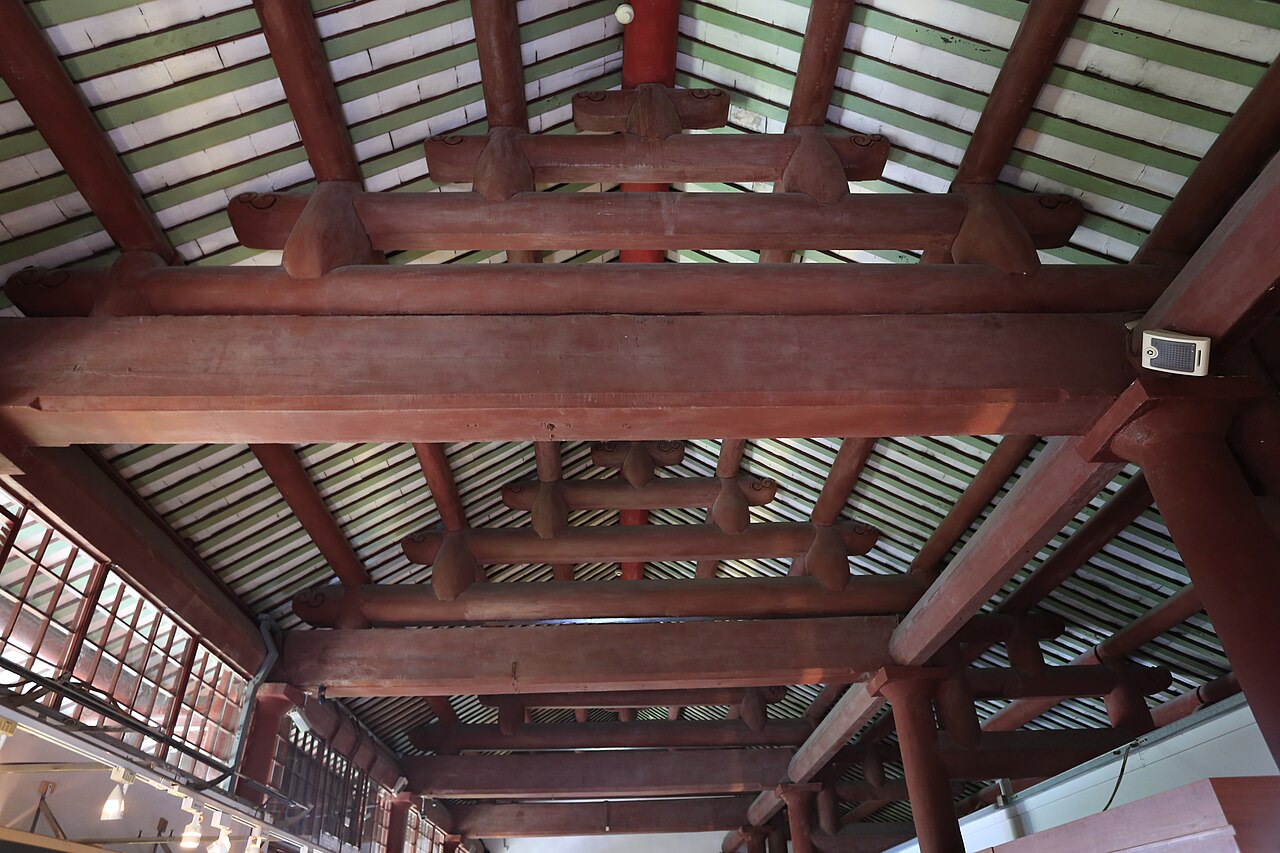
Zhenhai Tower (Zhenhai Lou), also called the Five-Storey Tower, was built in 1380 when Ming authorities rebuilt Guangzhou's walls. It stands on the hilltop with a stretch of Ming wall remnant out front. Converted to museum use in the twentieth century, it now operates as part of the Guangzhou Museum. Recent visitor listings put admission around 10 yuan, with hours roughly Tuesday–Sunday 09:00–17:30 and last entry around 17:00, closed Mondays except when holiday rules say otherwise. Confirm on the museum notice; the park paths stay open even when the tower ticket office is shut.
The collection is smaller than the Nanyue King Museum's tomb finds. If you only have energy for one paid history stop after the park walk, many itineraries prefer the Nanyue King site nearby and treat Zhenhai as an exterior landmark. Climbing the tower still earns the hilltop view when the day is clear.
Park hours and how long to stay
Park gates have recently been listed around 06:00–22:00. That early opening is useful in summer: walk the rams and wall shade before heat builds, then decide on the tower ticket when the museum opens. A focused visit is ninety minutes for statue plus exterior tower and wall; two to three hours if you enter the museum and loop a lake path.
Lakes, wall path and summer timing
Beyond the statue and tower, the artificial lakes and tree shade make this a genuine urban park, not only a photo checklist. A short wall-path loop near Zhenhai Tower adds Ming fabric without another ticket. In returning-south damp weather (huinantian), stone steps stay wet longer than you expect; wear shoes with grip. October and November give the clearest hill views; April–June showers can truncate an outdoor morning, so keep the cathedral as a covered backup the same day.
Combining with Nanyue King without overload
The Museum of the Nanyue King of Western Han on Jiefang North Road sits close enough to add after the park if legs hold. Its tomb finds (including the gold "Emperor Wen" seal in standard museum telling) push Guangzhou's story back two millennia. A practical split is free park and rams first, then either Zhenhai Tower or Nanyue King as the single paid history ticket, not both if the cathedral still waits the same afternoon. Evening Beijing Road absorbs dinner regardless.
Liwan's Chen Clan Ancestral Hall, Shamian Island and Yongqing Fang stay on their own day. Canton Tower is the river dusk elsewhere. Baiyun Mountain is a half-day northern hill if you have a fourth day; Yuexiu is the central substitute when time is short.
Getting there and pairing
Metro Line 2's Yuexiu Park station exits into the park area; Line 5's Xiaobei station is another approach. After the hill, the Nanyue King Museum on Jiefang North Road is a logical history add-on, then Sacred Heart Cathedral on Yide Road, with Beijing Road for evening food.
Things to confirm before you go
- Zhenhai Tower / Guangzhou Museum ticket price, Monday closure and last entry.
- Park gate hours on the day's notice (overnight events can change access).
- Heat and humidity; carry water even for a "short" hill.
- Whether the Nanyue King Museum is open the same day if you plan both paid stops.
- Weekend morning exercise crowds near the statue.
Who should skip depth inside the tower
Walk the free park and statue even on a tight schedule. Skip the tower interior when Monday closure hits, when museum fatigue is high after Nanyue King, or when haze erases the hilltop view. Keep the full stop when you want the Ram City symbol and a Ming wall landmark without leaving the metro core.
Yuexiu Park or Baiyun Mountain?
Yuexiu for a central hour with the Five-Ram Statue. Baiyun for a real hill, cable car and half-day walk. On a three-day trip, Yuexiu stays; Baiyun is the first optional add.