Jinhua Travel Guide: Shuanglong Cave, Hengdian World Studios and Zhuge Village
Jinhua, in the middle of Zhejiang, is less one destination than a hub for three very different day trips. Shuanglong Cave, 8 km north of the city, is entered by lying flat in a boat under a 30 cm rock ceiling. Hengdian World Studios, in Dongyang to the east, is the giant film backlot where much of China's period drama is shot. Zhuge Village in Lanxi is a Ming and Qing clan village laid out, by local tradition, on an eight-trigram plan. Pick the one or two that suit you and base yourself in Jinhua city. It also helps to know the prefecture's most famous products, Jinhua ham and the Yiwu wholesale market.
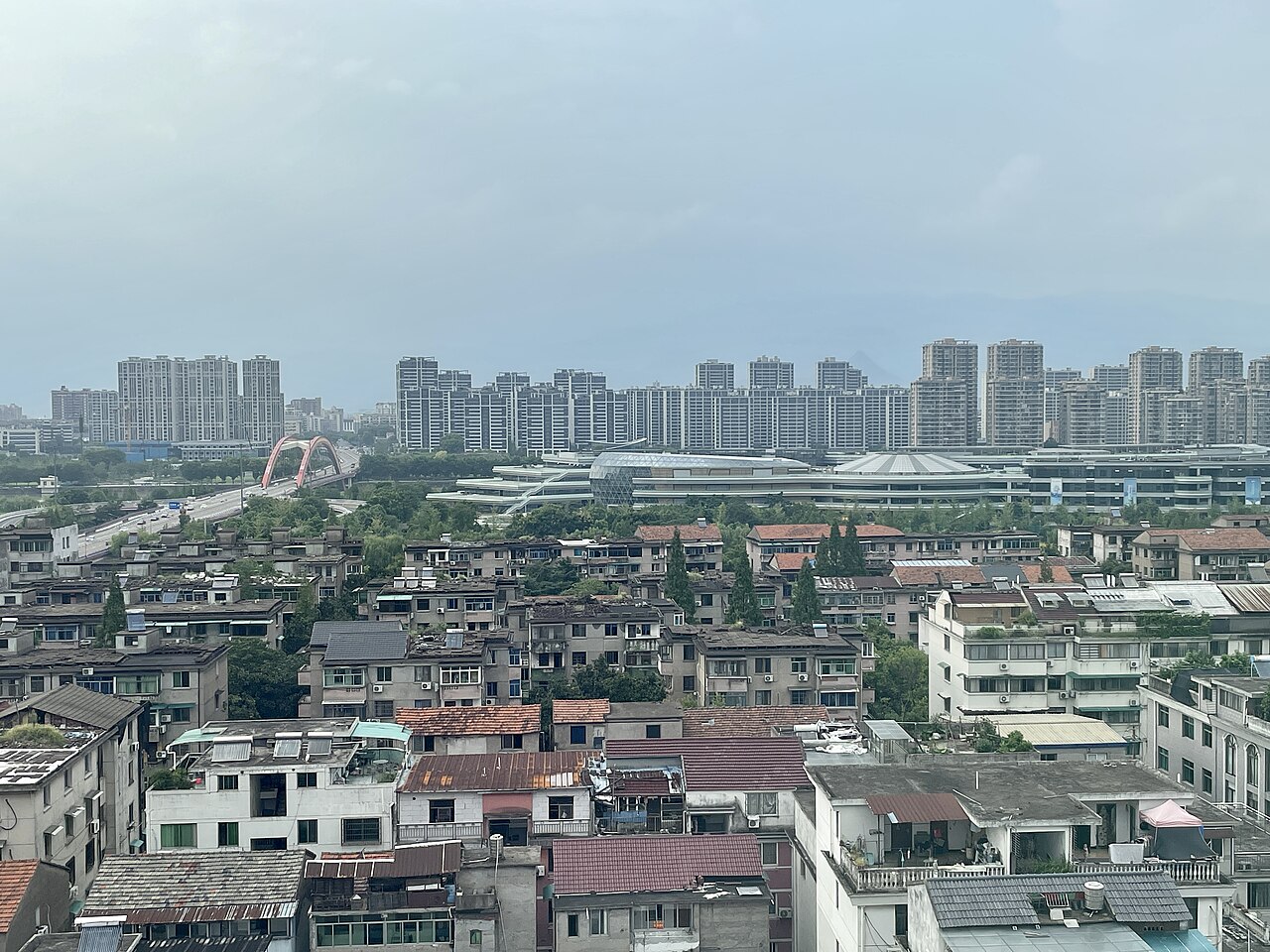
Shuanglong Cave and the Jinhua hills
The Shuanglong (Double Dragon) Scenic Area, on the southern slopes of Mount Jinhua, became a national 5A scenic area in 2024. Its main cave is famous for the entrance: the outer cave, about 1,200 square metres with old inscriptions on the walls, connects to the inner cave only by an underground stream, and the gap above the water is so low that you lie down in a small boat and are pulled through. Inside, rock folds on the ceiling are said to look like two dragons. Steps lead up to Binghu Cave next door, which has a large underground waterfall. Many Chinese visitors know the cave from Ye Shengtao's essay about it, which has long been taught in primary schools. More detail on the boat ride, the Huang Daxian palace, hours and buses is in the Shuanglong Cave sight guide.
The same scenic area includes the Huang Daxian (Wong Tai Sin) ancestral temple, which draws pilgrims from Hong Kong and Guangdong. Allow half a day for the caves and temple. The caves stay cool in summer, so bring a layer. Check the current ticket and boat arrangements on the official notice; prices aren't quoted here.
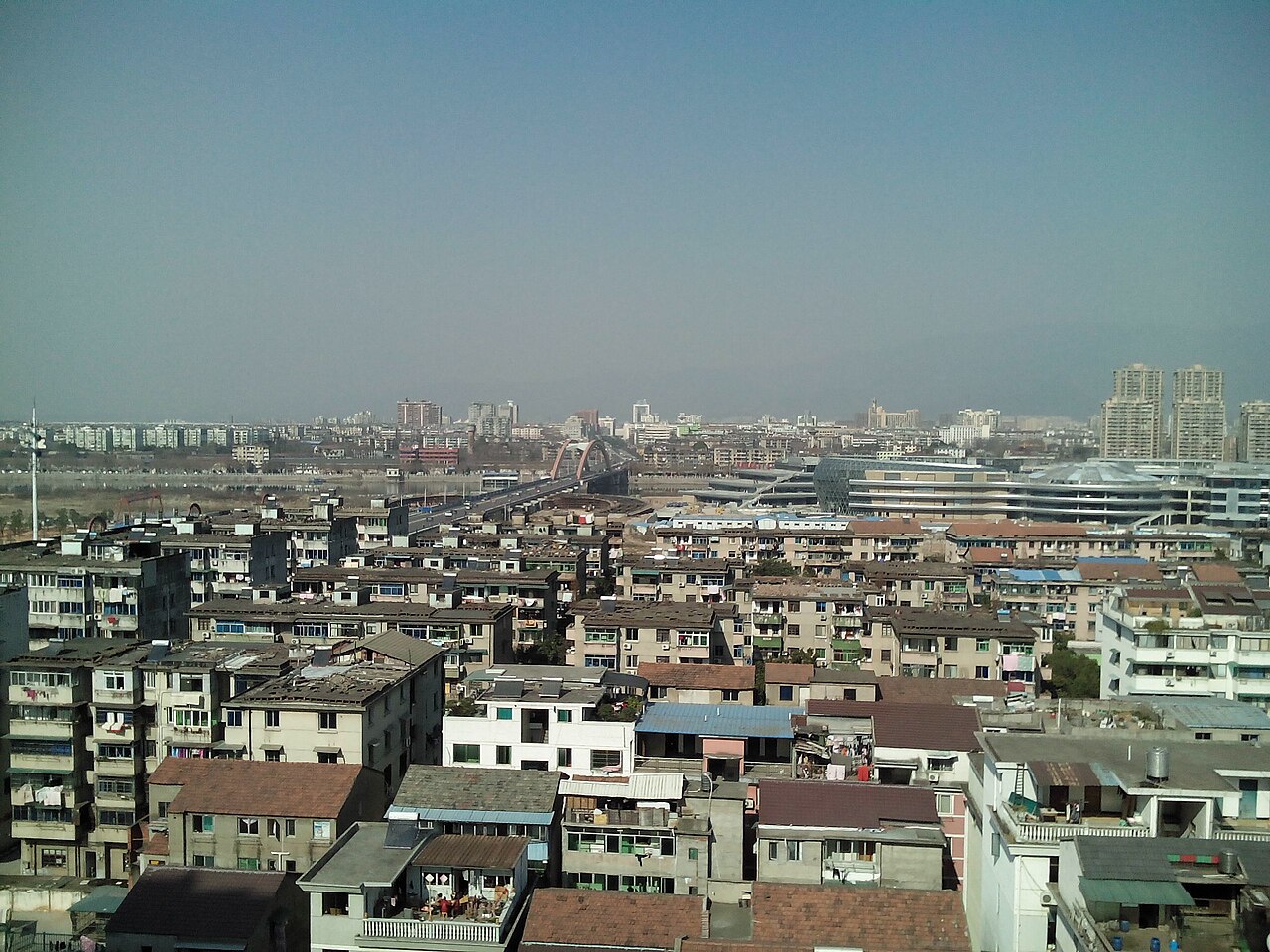
Hengdian World Studios
Hengdian, a town in Dongyang, turned farmland into film sets from 1996, when the first street was built for Xie Jin's film The Opium War. Today it is one of the largest outdoor studios in the world, with dozens of shooting bases, and reports say a large share of China's period TV dramas are filmed here. It was rated 5A in 2010. The Hengdian World Studios sight guide lists the 2026 official ticket prices and how to choose sets. Highlights for visitors:
- The Palace of the Qin King, built in 1997 and used by Zhang Yimou for Hero.
- The Ming and Qing Palace, the most expensive set, a near full-scale copy of much of the Forbidden City.
- The Song-dynasty city modelled on the scroll painting Along the River During the Qingming Festival.
- Guangzhou and Hong Kong streets, the oldest sets.
Each base is ticketed separately, and the set list changes as new ones open, so decide on two or three before you go. Crews may be filming, which is half the fun for some visitors and a closed-off street for others. Weekends and school holidays are crowded. Hengdian is a full day, or two if you're a fan.
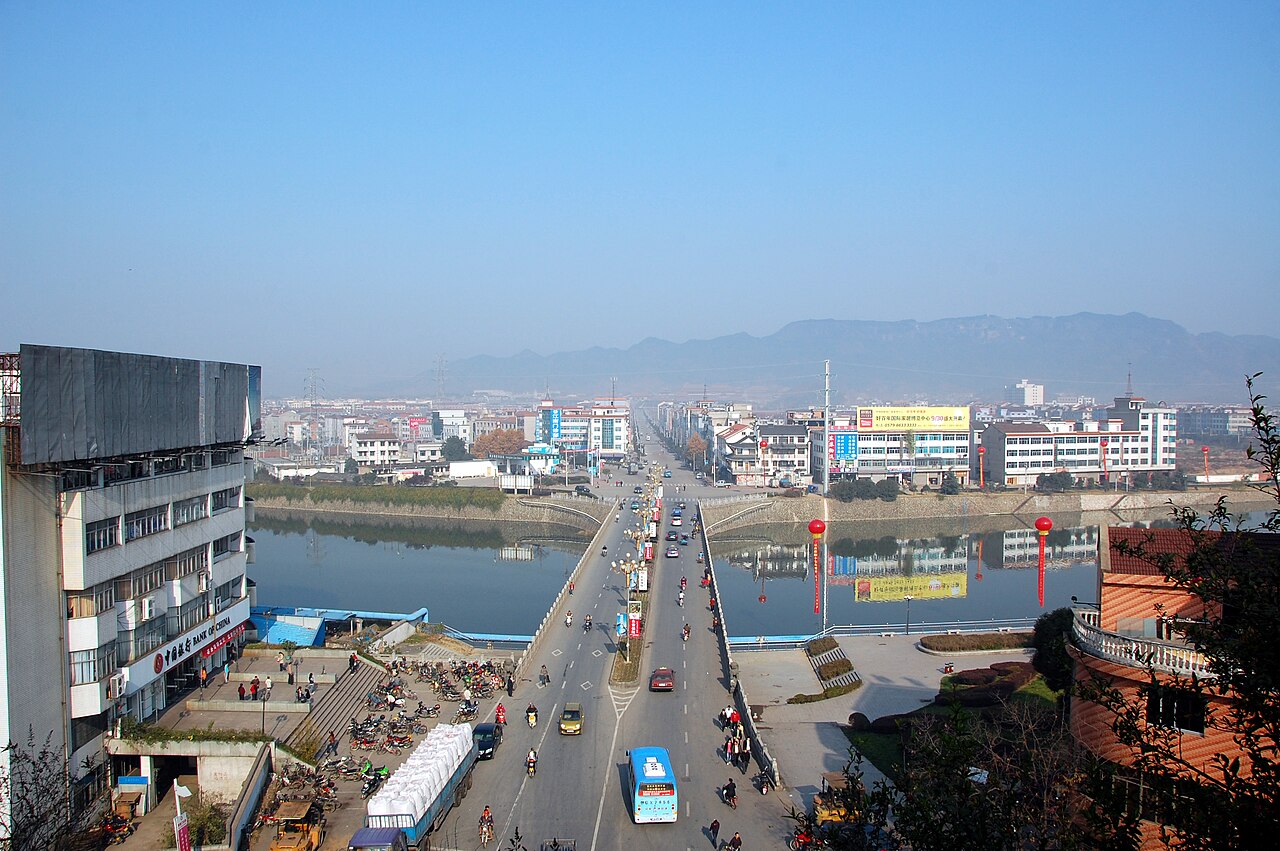
Getting to Hengdian
Since 6 September 2024 Hengdian has had its own station on the Hangzhou–Wenzhou high-speed railway. The Jinyidong rail line, whose first section opened in 2022, added a stop underneath it the same day and runs one more stop to the Ming and Qing Palace set. The same line connects Jinhua city with Yiwu and Dongyang, so Hengdian works as a day trip from Jinhua or from Hangzhou.
Zhuge Village in Lanxi
About 2,500 people live in Zhuge Village, in Lanxi northwest of the city, and most carry the surname Zhuge. They trace their descent from Zhuge Liang, the Three Kingdoms strategist, though historians question the family tree. The village dates from the Yuan; from the Ming its families grew rich trading herbal medicine and built fine ancestral halls and houses, about 350 of which survive around a central pond. The lanes are said to follow an eight-trigram (bagua) pattern, and getting lost in them is part of the visit. Combined with neighbouring Changle village, it is a national heritage site. Allow half a day and arrive before tour groups. See the Zhuge Bagua Village sight guide for the halls, the eight trigram plan and seasonal hours.
In the city
Jinhua's centre is modern, and the river is the nicest part of it. Walk the embankment near Shuanglong Bridge in the evening. Architecture fans can find the Jinhua Architecture Park, 17 small pavilions by Chinese and international architects on the banks of the Yiwu River.
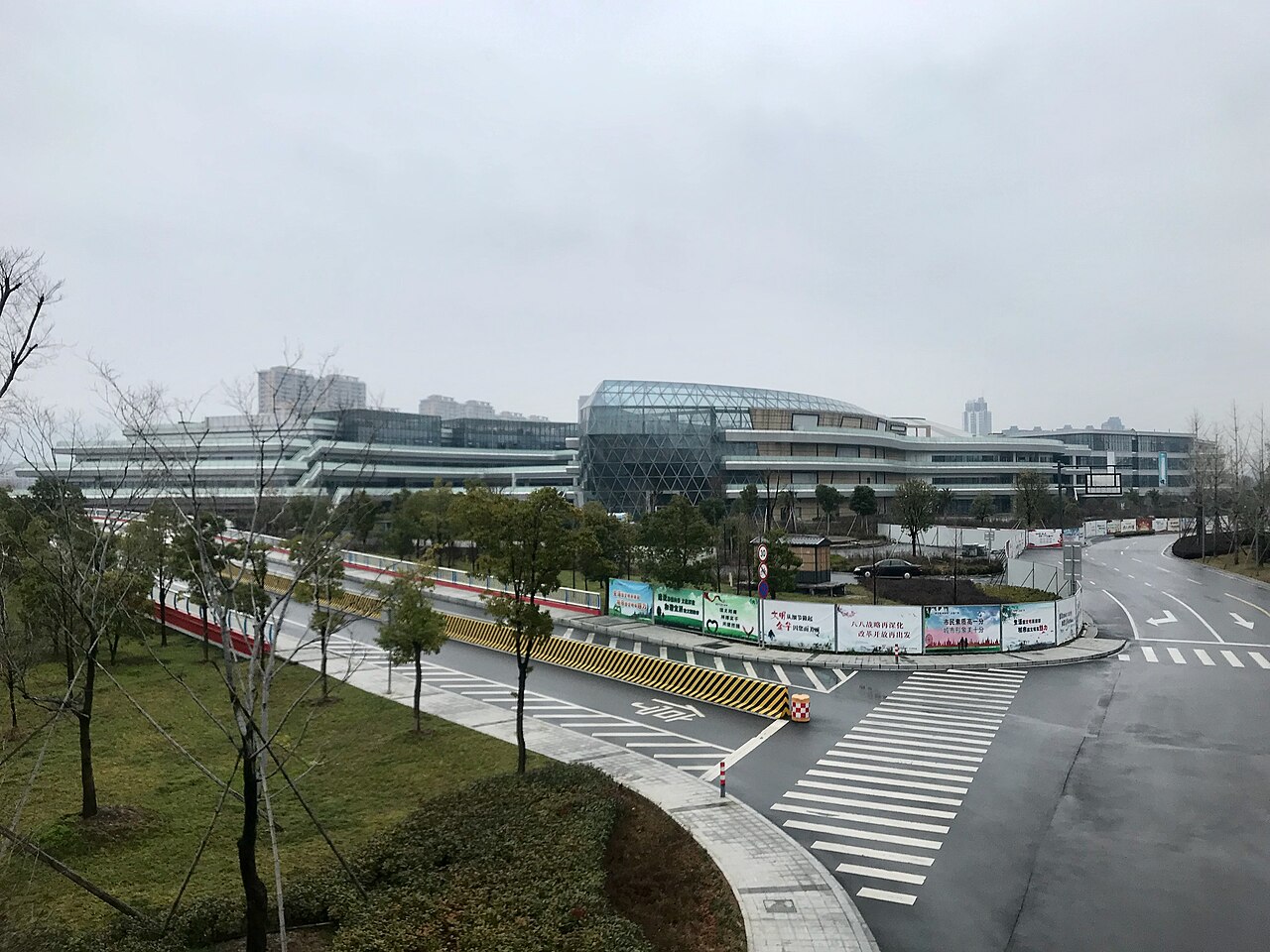
When to come to Jinhua
April to May and late September to November. July averages 29 °C and the June plum rains are humid and wet, although the caves and Hengdian's indoor studios help in summer. Winters are chilly and grey, around 5 °C in January. Avoid Hengdian on Chinese public holidays.
Getting in and where to stay
- High-speed rail: Jinhua and Jinhua South handle trains on the Shanghai–Kunming line and others; Yiwu is a major stop nearby. Hengdian has its own station on the Hangzhou–Wenzhou line.
- Local rail: The Jinyidong line links Jinhua, Yiwu, Dongyang and Hengdian.
- Air: Yiwu Airport is the nearest, with domestic flights and services to Hong Kong.
Stay in Jinhua city for the caves and Zhuge Village. If you're spending two days on film sets, sleep in Hengdian.
Eating in Jinhua
Jinhua ham has been made here for some 900 years, cured in winter and matured through summer. You'll find it sliced in soups, steamed with bamboo shoots or simply on its own; ham shops sell whole legs and vacuum-packed gift sets. Also look for Jinhua sesame cakes (subing), crisp, flaky pastries filled with pork fat and preserved vegetables. Inland Zhejiang cooking is milder than Jiangxi's to the west.
How to arrange the route
Day 1: Shuanglong Cave and the Huang Daxian temple in the morning, an evening by the river.
Day 2: Hengdian by train, two or three sets, back in the evening or overnight there.
Day 3: Zhuge Village in the morning, then on west to Quzhou, north to Hangzhou, or south to Lishui.
What to cut if short on time
If film sets don't interest you, skip Hengdian; it takes a full day. With one day, choose Shuanglong Cave plus Zhuge Village. Skip shopping malls and the Yiwu market unless you're buying in bulk.
Things to confirm before you go
- Shuanglong Cave tickets and whether the boat entrance is running.
- Which Hengdian sets are open and how tickets are bundled.
- Jinyidong line and high-speed train times for the Hengdian day.
- Holiday crowds at Hengdian.
Frequently asked questions
How do I get from Hangzhou to Hengdian?
Take the Hangzhou–Wenzhou high-speed railway to Hengdian station, which opened in September 2024, then the Jinyidong line one stop to the Ming and Qing Palace set.
Is Shuanglong Cave suitable for children?
Yes. The boat ride into the inner cave is short and children usually love it, though anyone claustrophobic should know you lie flat under a very low ceiling.
How many days do I need in Jinhua?
One day for Shuanglong Cave and Zhuge Village, plus one for Hengdian if you want the film sets.
Sources
The facts in this article were checked against the following sources, retrieved September 16, 2026, and rechecked on October 18, 2026.
- Jinhua https://en.wikipedia.org/wiki/Jinhua
- Hengdian World Studios https://en.wikipedia.org/wiki/Hengdian_World_Studios
- Shuanglong Cave https://en.wikipedia.org/wiki/Shuanglong_Cave
- Shuanglong Scenic Area (Chinese) https://zh.wikipedia.org/wiki/双龙风景名胜区
- Zhuge Village (Chinese) https://zh.wikipedia.org/wiki/诸葛村
- National Railway Administration, Hangzhou–Wenzhou high-speed railway opens (6 September 2024) https://www.nra.gov.cn/xwzx/xwxx/xwlb/202409/t20240906_346731.shtml
Tickets change; this article does not quote yuan amounts.
All photos are from Wikimedia Commons, used under CC licenses; re-use requires attribution.
- jinhua-1.jpg from File:202308 Buildings around the Jinhua River and Shuanglong Bridge.jpg, by MNXANL, CC BY-SA 4.0
- jinhua-hengdian.jpg from File:Hengdian 001 (1).jpg, by kanegen, CC BY 2.0
- jinhua-3.jpg from File:201901 Ruicheng International Plaza from Shuanglong Bridge.jpg, by MNXANL, CC BY-SA 4.0
- jinhua-2.jpg from File:201501 View of Shuanglong Street from Wulipailou.jpg, by MNXANL, CC BY-SA 4.0