Zhuge Bagua Village
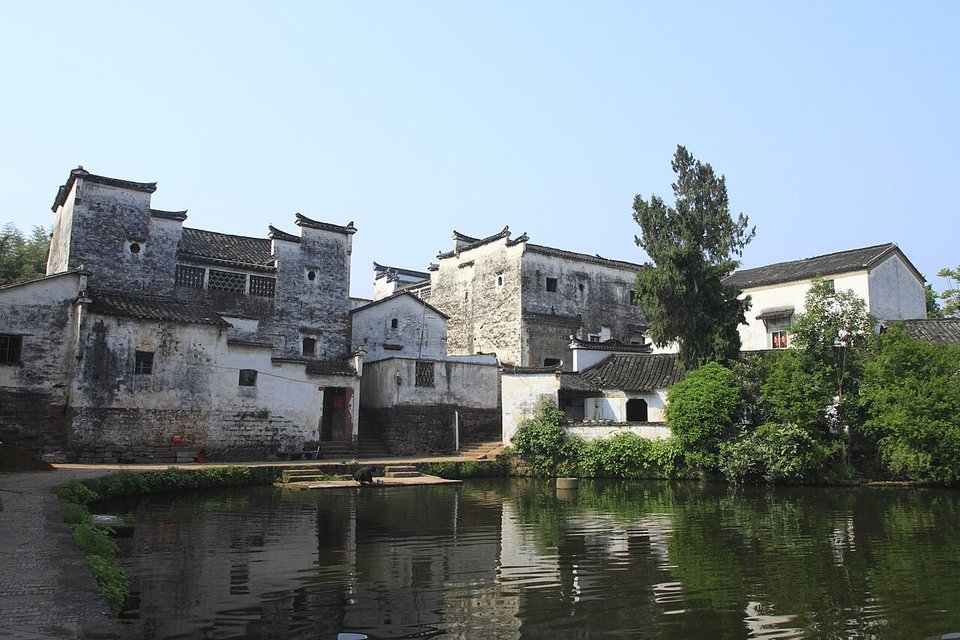
Zhuge Village lies in the hills of Zhuge town, in Lanxi in the northwest of Jinhua prefecture, close to the borders of Jiande and Longyou. Most of its people share the surname Zhuge and say they descend from Zhuge Liang, the third century strategist and chancellor of the Shu Han state who is one of the most loved figures in Chinese history. The village is also known as Zhuge Bagua Village, the eight trigram village, because its lanes are said to follow the bagua pattern of the eight trigrams.
The clan and its claim
Chinese Wikipedia says the village was founded in the Yuan dynasty under the name Gaolong. Its people trace themselves to Zhuge Jing, a grandson of Zhuge Liang, and as the Zhuge clan grew the village took the family name in the middle of the Ming. English Wikipedia quotes a claim that the village holds about a quarter of Zhuge Liang's living descendants. Not everyone accepts the line. A researcher at the Yinqueshan Han bamboo slips museum in Shandong has argued that the clan genealogy leaves centuries without explanation and cannot prove the descent. The village, unsurprisingly, takes the other view, and the claim is the reason most visitors come.
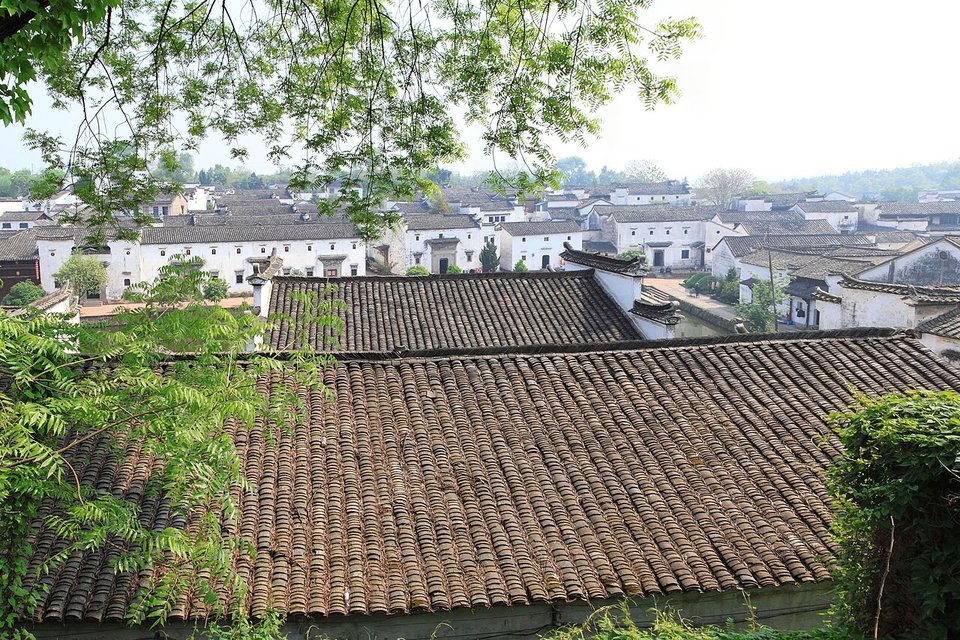
Whatever the genealogy, the clan was successful. From the Ming onward the villagers ran a trade in Chinese medicinal herbs, and the money paid for the ancestral halls and courtyard houses that make the village worth seeing. In 1996 the old buildings of Zhuge and of neighbouring Changle village were listed together as a major national protected site. Chinese Wikipedia counts about 350 old houses and a population of around 2,500.
The eight trigram plan
At the centre of the village is the Zhong Pond, Zhongchi, laid out in the shape of the yin and yang symbol. Eight lanes run outward from it like the lines of the eight trigrams, and eight low hills around the village are said to form an outer ring. English Wikipedia credits the layout to a Southern Song descendant, Zhuge Dashi, who designed it in memory of Zhuge Liang. The village has a reputation for being easy to get lost in. Visitors report that lanes double back and dead end, and that asking for the Zhong Pond is the quickest way to find your bearings.
What to see
The Chancellor's Ancestral Hall, the main temple of the Gaolong Zhuge clan, is near the entrance and holds statues of Zhuge Liang and clan ancestors, with Ming carving in its timber frame. Beside the Zhong Pond, the Dagong Tang is a memorial hall to Zhuge Liang that tells the story of the clan and displays the family precepts. The Dajing Tang is given over to the herbal medicine trade, with specimens of plants and animals used in Chinese medicine. Yongmu Tang has a richly carved gateway and porch. The Upper Pond and Lower Pond hold more old houses and shops, and the gate inscribed for success in both provincial and metropolitan exams is one of the grand entrances in the village.
Ctrip's description adds that the village is lived in, with people selling feather fans, puzzle locks and other Zhuge Liang souvenirs, and that a full loop takes half a day at an easy pace. Six of the halls need a ticket check inside, so keep your ticket handy.
Changle village
About two kilometres away, Changle village shares the 1996 national listing. Ctrip mentions a group of seven wells there set out in the shape of the Big Dipper, about a 15 minute walk from Zhuge Village. It is a good add on if you have time.
Tickets and hours
Ctrip's listing, consistent with Qunar, gives opening hours of 7:30 to 17:00 from 1 April to 31 October, with last entry at 16:30, and 8:00 to 16:30 from 1 November to 31 March, with last entry at 16:00. October 2026 search listings price the adult ticket at about 90 yuan at the gate and a little less online. Children under 1.2 metres or aged 6 and under go free. Students, people aged 6 to 18, people aged 60 to 69 and children from 1.2 to 1.5 metres pay half. The ticket hotline is 0579 88600026. Ctrip also lists 8 October as a closed day, so check the day's notice.
Getting there
The village is in the countryside on National Road 330, and most visitors come by car or tour from Jinhua, Lanxi or Jiande. Ctrip notes a car park at the visitor centre. If you are using public transport, ask in Lanxi for the current bus to Zhuge town and taxi back if you miss the last one. Shuanglong Cave, about 33 kilometres away in a straight line, pairs with the village for a full day out of Jinhua.
Frequently asked questions
Do people really live here?
Yes. Villagers live in many of the old houses, which is a big part of the appeal.
How long do I need?
Two hours for the main halls, half a day to wander the lanes properly.
Is the descent from Zhuge Liang proven?
It rests on the clan genealogy, which some historians question.
Sources
Facts in this article were checked against the following sources, retrieved 22 October 2026.
- 诸葛村, Chinese Wikipedia
- Zhuge Village, English Wikipedia
- Ctrip, Zhuge Bagua Village listing
- Jinhua Bendibao, Zhuge Bagua Village listing
- Jinhua travel guide on this site
Photos are from Wikimedia Commons under the licences shown in each caption.