Huzhou Travel Guide: Nanxun Water Town, Lake Tai and the Moganshan Hills
Huzhou, on the southern shore of Lake Tai (Taihu) between Shanghai, Suzhou and Hangzhou, is known in China as the City of Silk, and its best sight is the town that silk built: Nanxun, a canal town of merchant mansions, gardens and old bridges. Since December 2024, high-speed trains reach Nanxun in as little as 43 minutes from Shanghai Hongqiao, which makes it the easiest water town to visit by rail. Give Nanxun a day and a night; add Moganshan or Anji if you want hills and bamboo.
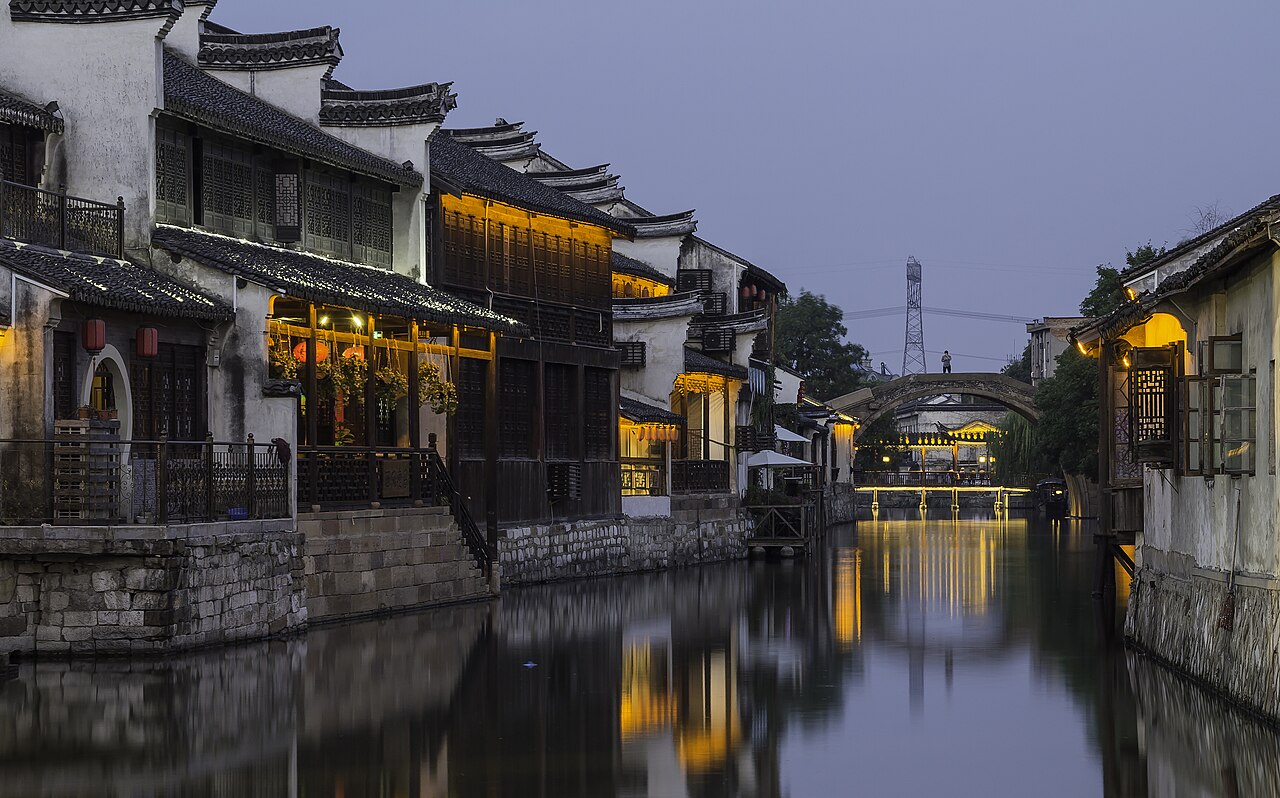
Nanxun
Nanxun grew rich between the 16th and 19th centuries on raw silk, and by the late Qing its wealthiest families were ranked with a famous saying: "four elephants, eight bulls and seventy-two golden dogs". They spent their money on houses, gardens and libraries, many of which survive. The town is laid out like a cross, where the Shi River running north–south meets the old Grand Canal running east–west, with about 4.5 km of waterways, 3 km of stone-paved streets and 15 bridges from the Song to Qing dynasties.
What to see:
- Little Lotus Villa (Xiaolianzhuang): the Liu family's garden around a lotus pond, with an ancestral hall and memorial arches. The finest garden in town.
- Jiaye Library: a private library built by the Liu family in the early 20th century, once among the largest in China, next to Little Lotus Villa.
- Zhang Shiming's former residence: a huge merchant mansion that mixes Chinese courtyards with Western-style halls, stained glass and imported tiles, a sign of how cosmopolitan Nanxun's silk money became.
- Baijianlou ("Hundred Rooms"): a long row of old riverside houses where people still live, best in early morning.
Large parts of the town are free to wander, while the main mansions and gardens sit within a ticketed scenic area. Check current prices and opening hours on the official notice. Weekends and holidays are busy; weekday mornings and evenings are calm. For the silk history, the combined ticket and seasonal hours, see the Nanxun Ancient Town sight guide.
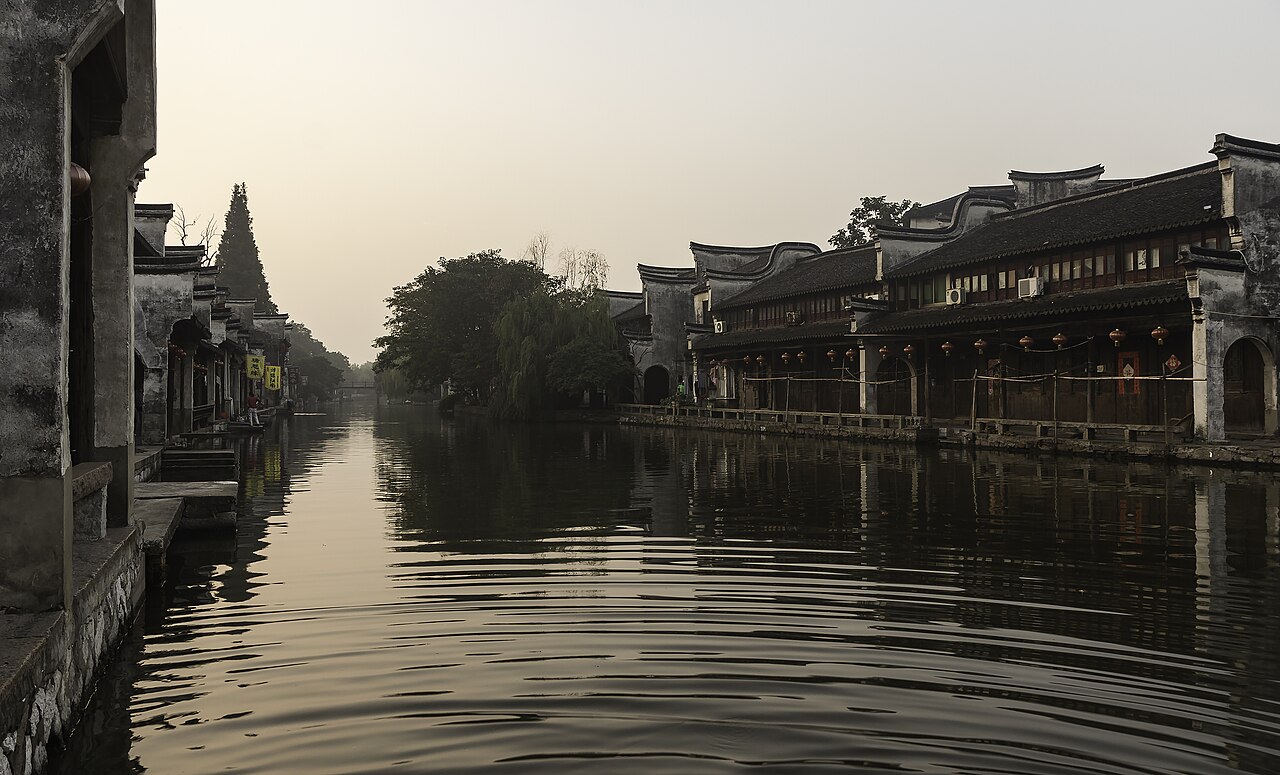
Why stay overnight
Day-trippers leave by late afternoon. If you sleep in a guesthouse by the canal, you get the lantern-lit evening and the misty early morning almost to yourself, which is the best of Nanxun.

Huzhou city and Lake Tai
The city centre is about 10 km south of Lake Tai, China's third-largest freshwater lake. In town, the Feiying Pagoda is unusual: a stone inner pagoda enclosed by an outer brick-and-timber one. On the lakeshore, the Taihu resort area has promenades and lake views, good for a sunset walk if you're based in the city. Huzhou is also home to the Huzhou writing brush, one of China's most famous brush-making traditions; museums and shops sell them.
Moganshan and Anji
Moganshan, in Deqing County, is a bamboo-covered mountain that became a summer retreat for foreigners and wealthy Shanghainese in the late 19th and early 20th centuries. Old stone villas, forest walks and boutique guesthouses make it a popular weekend escape. It needs a car and at least a night. The Moganshan sight guide covers the sword legend, the villa history, seasonal ticket prices and the shuttle rule.
Anji County is known for bamboo forests and Anji white tea. The bamboo landscapes appeared in the film Crouching Tiger, Hidden Dragon. Spring, when the tea is picked, is the best time.
When to come to Huzhou
Spring (March to May) and autumn (September to November) are best. The plum rains in June make stone paths slippery, and summer is hot and humid. Winter is cold and damp but quiet, and Nanxun can look beautiful in mist. Avoid national holidays in Nanxun if you can.
Getting in and where to stay
- Huzhou Nanxun station, on the Shanghai–Suzhou–Huzhou high-speed line, opened in December 2024 about 6 km from the old town; take a taxi or bus the rest of the way.
- Huzhou station, west of the city centre, has high-speed trains to Hangzhou and Nanjing, as well as Shanghai via the new line.
- Huzhou East is another stop on the Shanghai line.
Hangzhou is about 78 km away. Stay in Nanxun for the water town; stay in Huzhou city only if you're heading to Moganshan or Anji.
Eating in Huzhou
Huzhou food is gentle Zhejiang cooking: freshwater fish and shrimp from the lake, braised pork, and seasonal vegetables. In Nanxun, look for local snacks such as sweet rice cakes and smoked beans with tea (xunqing dou cha), a traditional welcome drink. Canal-side restaurants are pricier; check prices for lake fish sold by weight.
How to arrange the route
Day 1: High-speed train from Shanghai to Nanxun; afternoon in Little Lotus Villa and Jiaye Library; evening walk by the canals.
Day 2: Early morning at Baijianlou, Zhang Shiming's residence, then on to Huzhou city and a Taihu sunset, or to Hangzhou.
Day 3 (optional): Moganshan or Anji.
Nearby: Jiaxing has Wuzhen and Xitang, and Suzhou has the gardens. One water town per day is plenty.
What to cut if short on time
Keep Nanxun. Drop Taihu and the city first. Moganshan and Anji need their own days.
Things to confirm before you go
- Scenic area tickets and opening hours in Nanxun; none are quoted here.
- Which station your train uses (Huzhou Nanxun, Huzhou East or Huzhou).
- Guesthouse availability in Nanxun at weekends.
- Transport to Moganshan, which has limited public options.
Frequently asked questions
How many days do I need in Huzhou?
One day and a night in Nanxun. Add a day for Moganshan or Anji.
Nanxun or Wuzhen?
Nanxun is more lived-in and less commercial, with grand merchant houses; Wuzhen is more polished and more expensive. Nanxun is now easier to reach by high-speed rail from Shanghai.
Can I visit Nanxun as a day trip from Shanghai?
Yes. The fastest trains take 43 minutes to Huzhou Nanxun, then a short transfer to the old town.
Sources
The facts in this article were checked against the following Wikipedia and encyclopedia entries, retrieved September 16, 2026, and rechecked on October 17, 2026.
- Huzhou https://en.wikipedia.org/wiki/Huzhou
- Nanxun District https://en.wikipedia.org/wiki/Nanxun_District
- Nanxun District https://en.wikipedia.org/wiki/Nanxun_District
- Shanghai–Suzhou–Huzhou high-speed railway opening, Hangzhou Daily via hangzhou.gov.cn (December 27, 2024) https://www.hangzhou.gov.cn/art/2024/12/27/art_812262_59107058.html
Tickets change; this article does not invent yuan amounts.
All photos are from Wikimedia Commons, used under CC licenses; re-use requires attribution.
- huzhou-1.jpg from File:Nanxun - Ancient water town - 0081.jpg, by Stefan Fussan, CC BY-SA 3.0
- huzhou-2.jpg from File:Nanxun - Ancient water town - 0153.jpg, by Stefan Fussan, CC BY-SA 3.0
- huzhou-3.jpg from File:Nanxun - Ancient water town - 0256-Pano.jpg, by Stefan Fussan, CC BY-SA 3.0