Dadonghai Beach, Sanya: The Easy City Beach
Dadonghai (大东海) is the bay just southeast of downtown Sanya, a crescent of sand about a kilometre long between green headlands, and the beach you can reach in ten minutes from most city hotels. The sand is free, the water stays around 20°C even in winter, and loungers, umbrellas and swim rings are rented on the spot. It is a busy city beach, not a quiet cove. The one thing that matters more than anything else here is the current: Dadonghai has rip currents and eddies, there have been drownings, and you should swim only inside the marked zone while the lifeguards are on duty. The classic arrival day is a swim here, sunset on Luhuitou next door, and dinner along the beach road. The full five-day plan is in the Sanya travel guide.
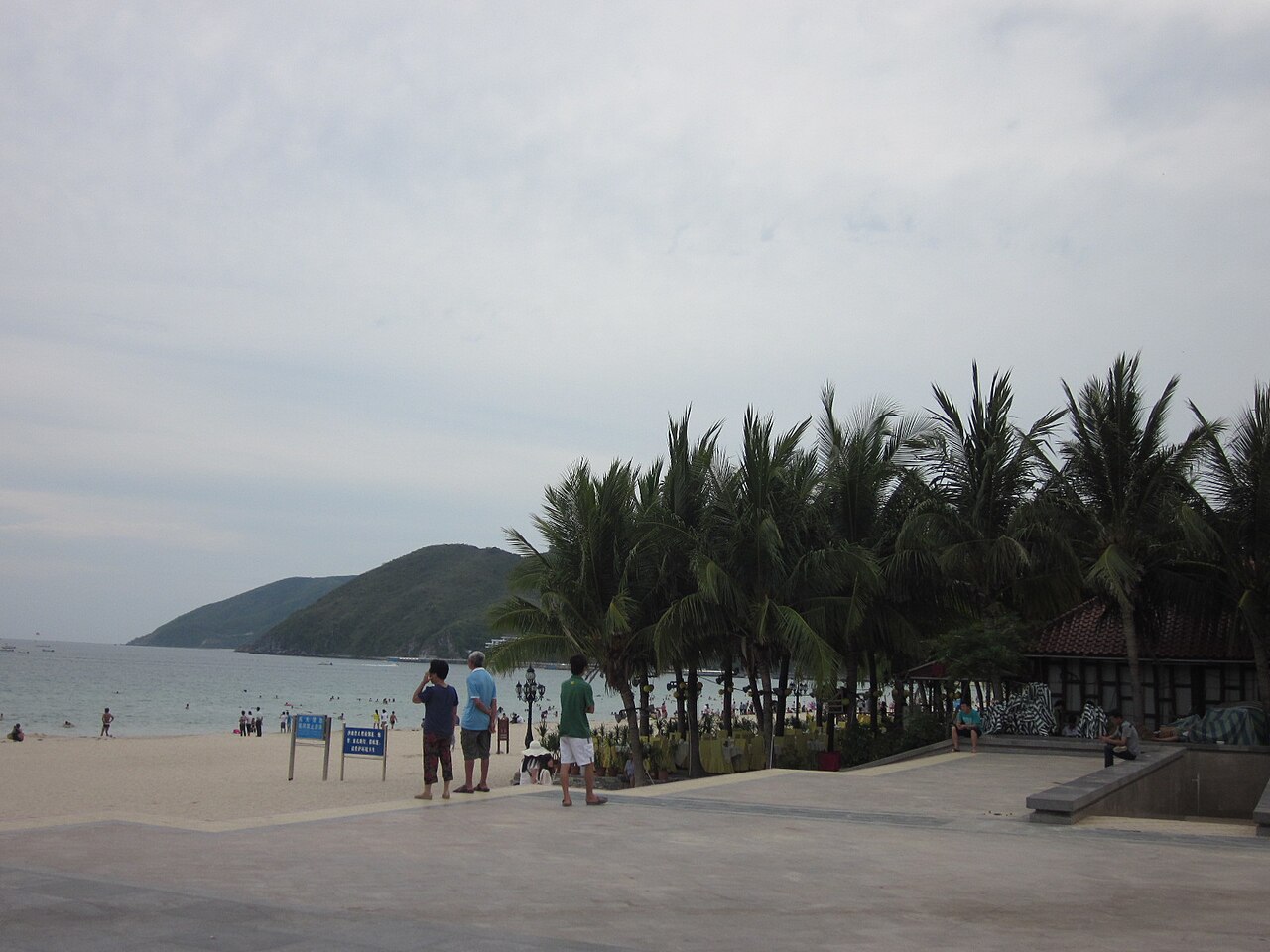
Why stay near Dadonghai
Sanya's beaches are spread along a long coast, and choosing one to sleep beside shapes your trip. Dadonghai's case is location. It sits between downtown and the hills, with ordinary hotels, guesthouses, restaurants and supermarkets on the streets behind the sand. You can walk to the beach before breakfast, come back for a shower at noon, and go out again at five. Yalong Bay and Haitang Bay have better sand and calmer resorts, but they are a taxi ride from anything else.
If your trip is about sightseeing as much as swimming, with days at Tianya Haijiao, Nanshan or Wuzhizhou Island, Dadonghai is the most practical base.
The water: how to swim safely
Rip currents are channels of water flowing out from the shore. They can carry a strong swimmer away from the beach faster than they can swim back. At Dadonghai:
- Swim only between the flags and floats that mark the swimming area, and only when lifeguards are on duty.
- If you are pulled out, don't fight the current head-on. Swim parallel to the beach until you are out of it, then swim back in, or float and raise an arm for help.
- Don't swim alone, after drinking, or after dark. Most accidents on Chinese beaches happen in exactly those conditions.
- Watch children all the time. Inflatable rings drift with the current faster than a child can paddle.
- Check for red flags after storms and in typhoon season, when the sea can close entirely.
Rocky areas near the headlands are fine for a look at low tide but not for swimming. Reef shoes help on the rougher entries.
A day at Dadonghai, hour by hour
- 7:00 to 9:00: the quietest hours. Locals swim and jog, the sand is cool, and the light is soft. The best time for a long swim.
- 11:00 to 15:00: the sun is at its hardest, even in January. Most people retreat to the shade, a cafe or the hotel.
- 15:30 to 17:30: the beach fills again. Swim, then dry off before the light goes.
- Around sunset: walk or take a taxi up to Luhuitou for the view back over the bay and the city.
- Evening: the beach road and streets behind it fill with restaurants, fruit stalls and seafood barbecue.
Renting and facilities
Loungers, umbrellas, rings and snorkel sets are rented along the sand, with prices often posted. Agree the price and the time before you sit down. Freshwater showers and changing rooms are behind the beach for a small fee. There is little natural shade, so the umbrella is worth the money in the middle of the day.
Water sports at Dadonghai are limited compared with Yalong Bay or Wuzhizhou. Some operators run boat trips and diving from here; check their licences and what is included before paying.
Eating after the beach
The streets behind Dadonghai are full of places to eat. Seafood barbecue stalls work by weight: you choose the fish or shellfish, it is weighed, and you pay a cooking fee. Confirm both the price per jin (500 grams) and the cooking fee before anything goes on the grill. Restaurants with printed prices on the wall avoid most disputes.
For something cooling, look for qingbuliang, a Hainan dessert of coconut milk over red beans, taro, watermelon and jelly. Fresh coconuts are sold everywhere along the beach; drink the water and ask the seller to split it so you can eat the flesh.
For a bigger seafood night, go to the First Market (第一市场) in the city centre, where you buy from the stalls and take your purchase to a processing restaurant to cook.
Crowds and seasons
Dadonghai is the most convenient beach in Sanya, so it is also among the busiest. The Spring Festival weeks and the October National Day holiday pack the sand and push hotel prices up sharply. From November to April the weather is dry and sunny and the sea is pleasant. From May to October it is hotter, wetter and quieter, with short heavy showers in the afternoons and a typhoon risk from June to October.
Dadonghai or Yalong Bay?
Choose Dadonghai for convenience and an easy evening. Choose Yalong Bay for longer, finer sand, clearer water and resort calm, and give it a full day. Many visitors do both: Dadonghai on arrival day, Yalong later in the trip.
Things to confirm before you go
- Lifeguard hours and the flag status for the day.
- Typhoon or rough-sea warnings, especially June to October.
- Rental prices before you sit down.
- Sunset time if you plan to go up Luhuitou.
Frequently asked questions
Is it safe to swim at Dadonghai?
Yes, inside the marked swimming zone while lifeguards are on duty. Rip currents make swimming outside the zone dangerous.
Is Dadonghai beach free?
Yes. Loungers, umbrellas and showers cost extra.
Can you swim at Dadonghai in winter?
Yes. Water temperatures stay around 20°C in winter, and the dry season from November to April is the most pleasant time.
What is near Dadonghai?
Luhuitou hill is next door for sunset, and downtown Sanya and the First Market are a short taxi ride away.
Sources
- Dadonghai, Chinese Wikipedia: https://zh.wikipedia.org/wiki/大东海
- Sanya (city), Chinese Wikipedia: https://zh.wikipedia.org/wiki/三亚市