Weifang World Kite Museum, the Civic Heart of the Kite Capital
The Weifang World Kite Museum anchors Weifang on the Jiaoji corridor between Jinan and Qingdao. The city brands itself as an international kite capital; this museum holds global kite types, materials and festival history in one half-day stop. The Weifang guide puts the museum before shopping streets and treats Shihu Garden as the classical courtyard counterweight on the same day when you start early.
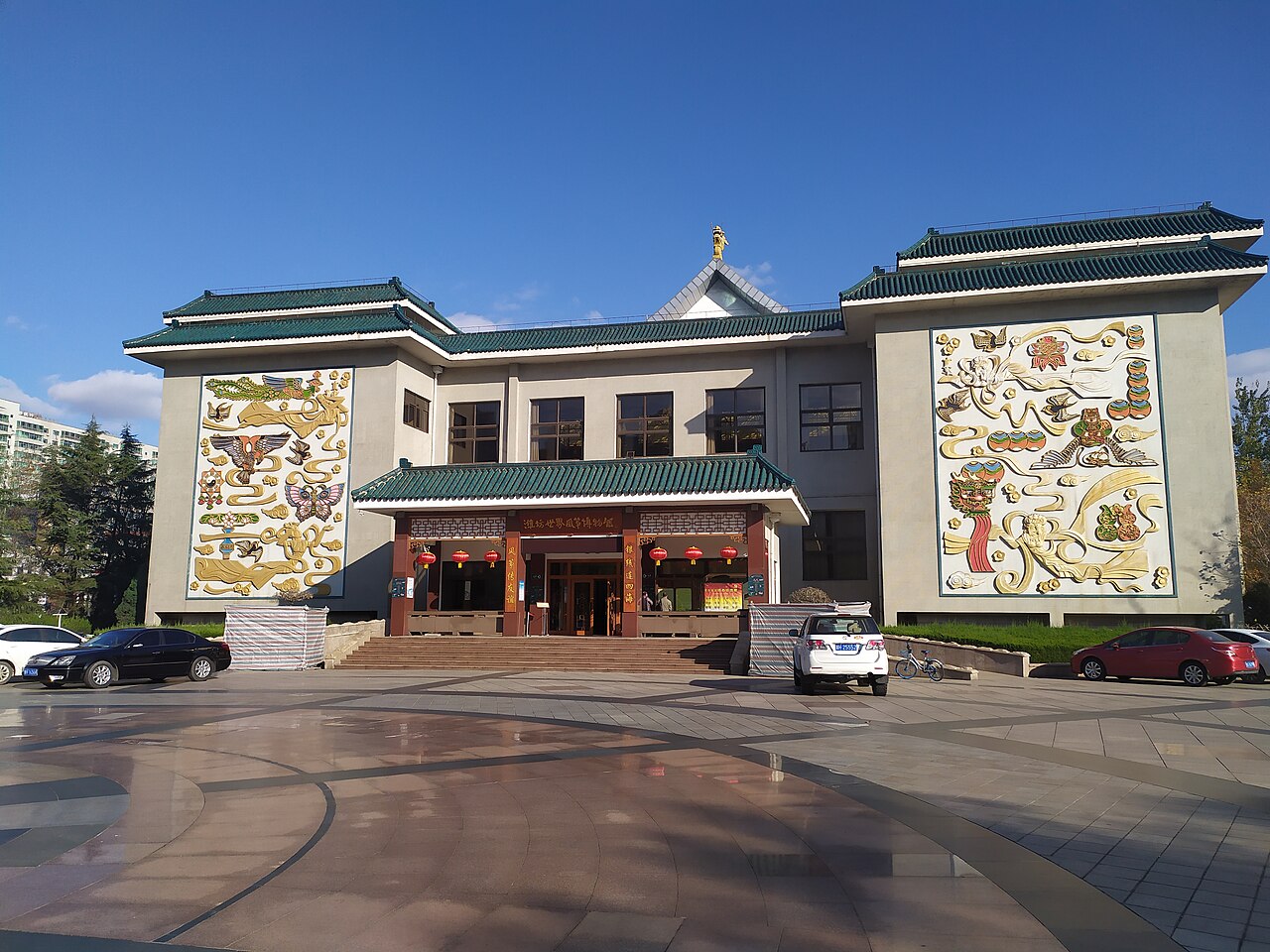
What the museum actually contains
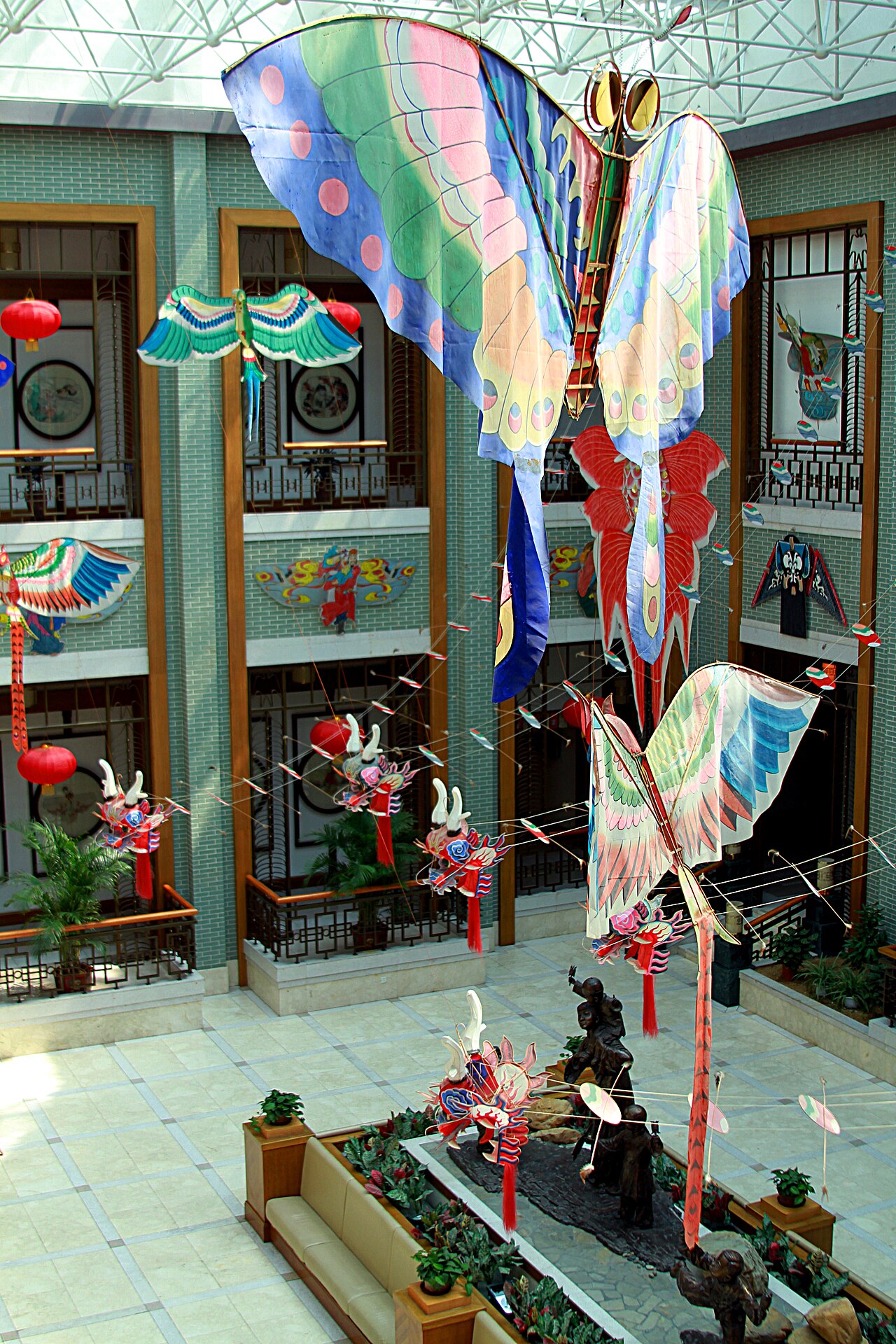
Exhibition halls present kite forms from China and many other countries, along with construction materials, flying traditions and Weifang's role in the International Kite Festival. Large centipede-style and other elaborate Weifang kites often dominate photo stops; smaller folk forms and overseas loans fill supporting galleries. Workshops or demonstration corners appear in some seasons; treat them as same-day facts rather than guaranteed daily shows. Outdoor kite-flying fields are separate from indoor halls and depend on weather, open space and festival calendars.
Weifang's festival energy often peaks in spring, yet the museum works year-round. Coming off-festival still makes sense if kite culture is why you left the Qingdao–Jinan rail line. Coming for the sky full of kites means aligning the calendar carefully; festival dates are not fixed forever in one blog post.
Suggested visit order
Arrive near opening when possible. Work through chronological or regional galleries in the order staff and signage suggest, then slow down at the largest display halls for photographs. Ninety minutes covers a focused loop; two to three hours fits slower reading, workshop windows and gift-shop browsing. Stack Shihu Garden the same afternoon only with that early start; a late museum lunch usually compresses the garden into a rushed courtyard snap.
Downtown kite motifs and sculptures offer free photo atmosphere after the halls. Yangjiabu New Year print villages need their own half-day if folk woodblock art is the hook; skip them when museum plus garden already fill your only Weifang day.
Tickets, hours and practical hedges
Museum entry rules follow the day's official notice. Some seasons advertise free or concessionary entry; others post standard tickets. Treat any yuan figure from travel apps or old screenshots as outdated until you confirm on published channels. Opening and last-entry times shift by season and special exhibitions. Carry identification for student or senior concessions and ask rather than assume every overseas card qualifies.
Photography rules can differ by gallery. Flash and tripods may be restricted near fragile textiles. Bags and umbrellas sometimes need lockers at busy times; arrive with small daypacks when possible. Gift shops sell kite models and related crafts; quality varies, so inspect frames before buying anything you plan to fly later.
Getting there and how long to stay
Weifang railway stations put the museum within a short taxi or city-bus ride when you stay central. Exact stop names shift with line updates; search a live map for "World Kite Museum" or the Chinese name on the morning you go. Ride-hailing from hotels near the commercial center is straightforward. Self-driving adds little once you are inside the ring; parking near festival weeks fills early.
One focused museum block is the honest minimum for Weifang. Pair with Shihu Garden for a full cultural day, then evening food streets. Festival grounds, when open, need separate transport and crowd patience. Rail onward to Qingdao, Weihai or Jinan fits day three of the city guide sketch.
Season and comfort
Spring festival weeks are energetic and crowded. Autumn is comfortable for combining indoor halls with garden courtyards. Summers are hot; winters push visitors indoors, which suits the museum. Pack layers for air-conditioned galleries after warm outdoor queues. Rainy days are ideal museum weather and poor flying weather; adjust expectations accordingly.
Before you go
- Confirm museum hours and any temporary exhibition tickets on the day's notice.
- Decide whether Shihu Garden shares the same day or waits for a slower pace.
- Check festival dates only if outdoor kite skies are the real goal.
- Keep Yangjiabu optional unless craft tourism is the hook.
- Link the stop to the Weifang travel guide itinerary.
Frequently asked questions
How long do I need at the World Kite Museum?
Most travelers spend one and a half to three hours. Rush the highlight halls in about ninety minutes if the calendar is brutal.
Is the museum worth visiting without the kite festival?
Yes. The festival is a bonus sky show; the museum carries Weifang's kite identity the rest of the year.
Can I fly a kite at the museum?
Indoor halls are for viewing. Outdoor flying depends on separate fields, weather and local rules. Do not assume a festival every week.
Should I skip Shihu Garden after the museum?
Only if gardens leave you cold or time is gone. The city guide still recommends the courtyard counterweight when legs allow.
Sources
Facts in this article were checked against the following sources, retrieved 16 October 2026.
- Weifang travel guide on this site
- Weifang International Kite Festival, English Wikipedia
- Shihu Garden sibling page
Photos are from Wikimedia Commons under the licences shown in each caption.