Pozi Street and Taiping Street, Changsha: What to Eat
If Changsha has one thing you cannot skip, it is the eating, and the old town is where the city does it in public. Pozi Street and Taiping Street are two adjoining pedestrian streets a few minutes from the river, both rebuilt in Ming-Qing style over the bones of the old commercial town, and together they hold the densest run of snack stalls and time-honoured shops in Hunan: black stinky tofu fried to order, sugar-oil rice cakes, spicy crayfish, and the Fire Palace where the whole trade is said to start. This is the natural evening stop of the Changsha guide, and it sits within walking distance of Tianxin Pavilion and the Huangxing Road shopping street.
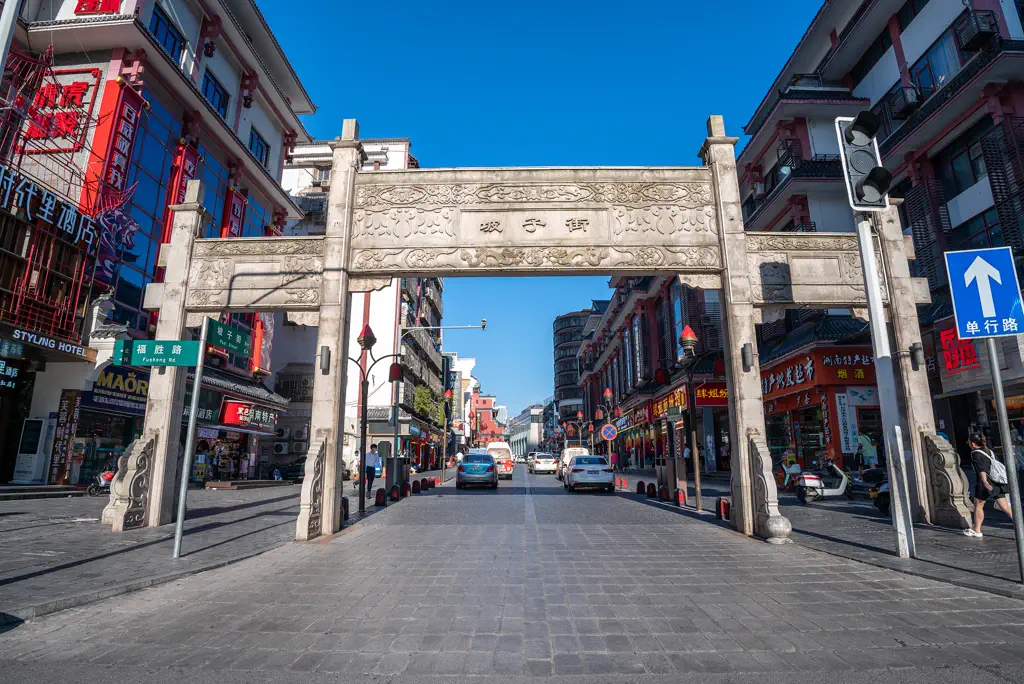
What the two streets are
Pozi Street runs about a kilometre west from Huangxing South Road to the riverside avenue, on ground that has been the commercial heart of Changsha since the Warring States period — this was the city's market street before it was a snack street. The 1938 Wenci fire, the blaze that destroyed most of old Changsha, burned the street to the ground; it was rebuilt afterwards and then, at the end of the twentieth century, reworked wholesale into a Ming-Qing-style shopping street, with the old name-brand shops brought back in. That is the street you walk now: a stage-set of grey brick and red lanterns, in front of an unbroken run of food.
Taiping Street, a few minutes' walk away, is the older-feeling of the two — a restored lane of courtyard buildings and small shops, quieter in the morning and busier at night, with one genuine historic site on it. The two streets and the Huangxing Road pedestrian street between them form the old town's walking core; you can cover all of it on foot in an evening.
Pozi Street and the Fire Palace
The anchor of Pozi Street is the Fire Palace, the Huogongdian — a temple to the god of fire that turned into a restaurant, and the single most famous eating address in Changsha. The temple was founded in the Ming, dedicated to the Fire God, and rebuilt in the last century; from the 1950s it ran as a state restaurant and it has been serving the canonical Hunan snacks ever since. Stinky tofu, sister rice balls, red-braised pork and rice wine with egg are its standards, and the courtyard, with its opera stage and its crowds, is as much the attraction as the food.
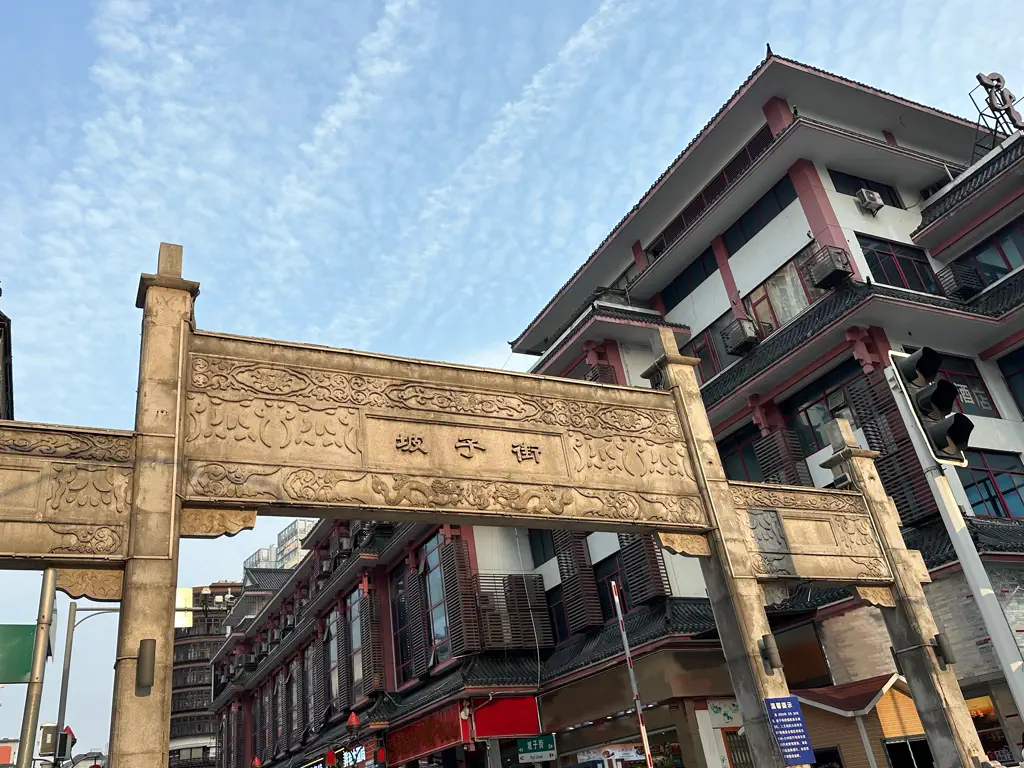
The rest of the street is a long string of stalls and shops — black stinky tofu from the big chains and the small fryers alike, sugar-oil baba, spicy crayfish in summer, fried rice noodles, and the Changsha tea shops that have become a chain of their own. Price-gouging is rare but crowds are constant; the safest bet is a stall with a visible price and a queue of locals.
Taiping Street and Jia Yi's residence
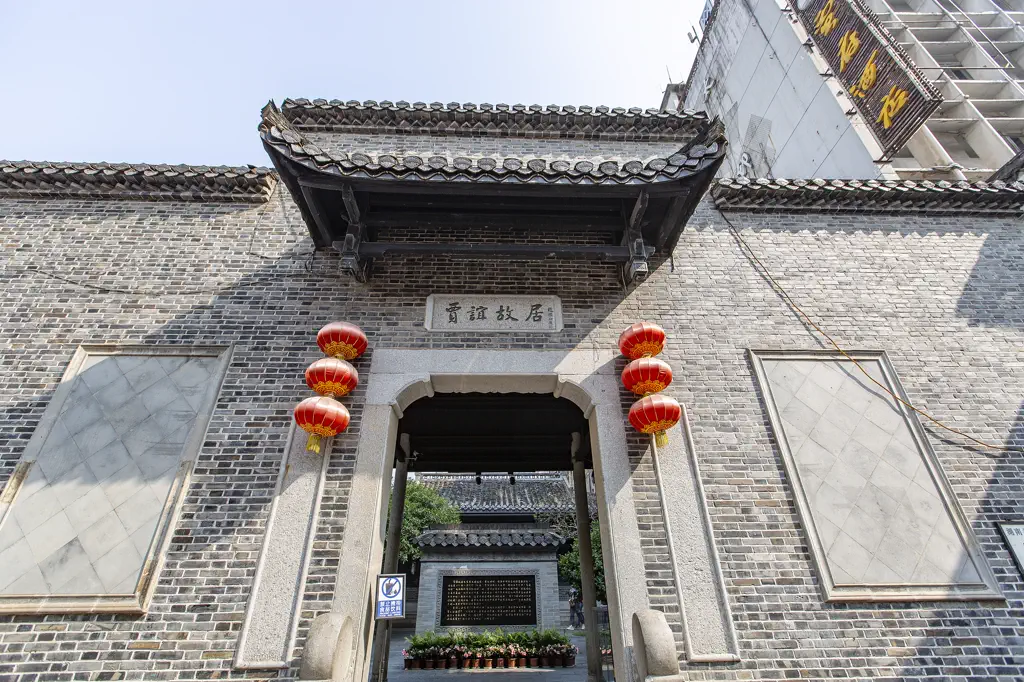
Taiping Street's one unmissable historic stop is the former residence of Jia Yi, the Western Han statesman and poet who was exiled to Changsha as tutor to the King of Changsha in the second century BC and wrote some of his best-known work here. The compound is a rebuilt courtyard house and memorial hall — the Jia Taifu Shrine — with a small garden, a statue of the scholar, and the well associated with him, the Changhuai Well, roofed by a pavilion and shaded by bamboo. The residence is a modest, calm half-hour in the middle of the snack crowds, and it is ticketed (around 25 yuan on recent listings).
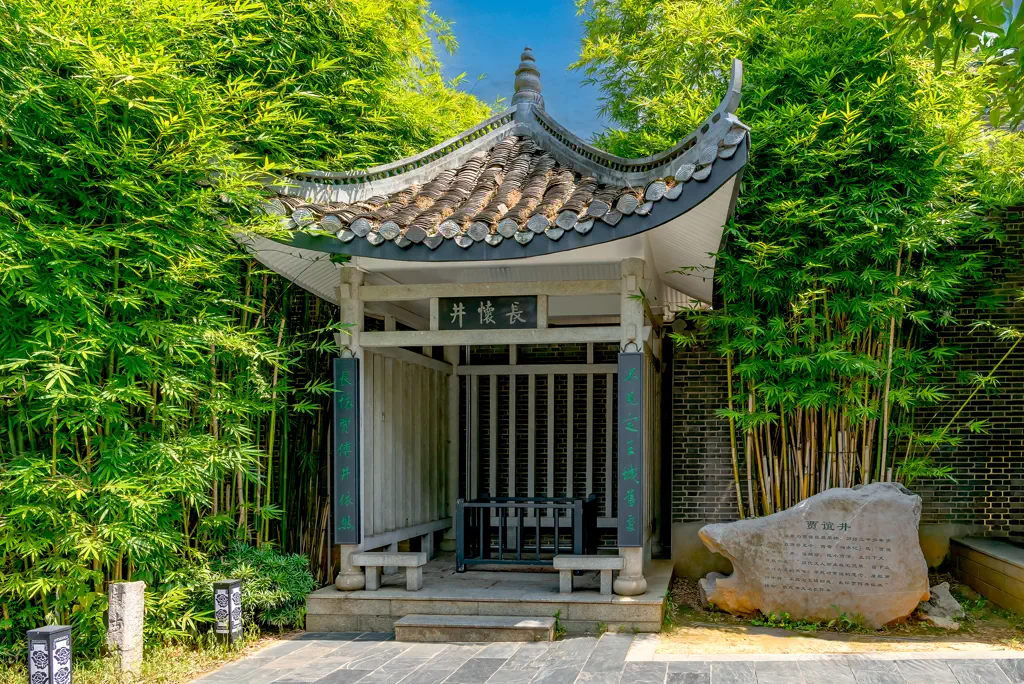
Beyond it, Taiping Street is small shops, teahouses and courtyard restaurants; it is where to slow down after the crush of Pozi Street.
What to eat
The Changsha shortlist does not change much: black stinky tofu, fermented until it is dark and fried crisp, served with chilli and garlic; sugar-oil baba, a chewy sweet rice cake; sister rice balls; blood-curd soup; and, in summer, spicy crayfish by the kilo. Hunan cooking is genuinely hot — ask for "mildly spicy" if you need it, and keep something cold to hand. For a full meal rather than snacks, the old-town restaurants around both streets serve the classics: chopped-chilli fish head and stir-fried pork with chilli.
When to go and how to arrange it
Evenings are the point: the streets light up, the queues form and the whole quarter becomes a night market, busiest from about seven o'clock. Come earlier, around six, if you want to eat without a long wait, and stay for the atmosphere. A good sequence is Tianxin Pavilion in the late afternoon, then walk the ten minutes to Pozi Street for dinner, then Taiping Street for a slower end to the night. Mornings on Taiping Street are quiet and good for photographs without the crowds.
Things to confirm before you go
- Both streets are open-air and free; only specific attractions such as Jia Yi's residence charge an entry.
- Weekend and holiday evenings are extremely crowded; pick a weekday if you can, or eat early.
- Menu prices vary widely between stalls; prefer places with displayed prices.
- Spice levels are serious — say "mildly spicy" clearly if you need it.
- The Fire Palace and the big chains have long queues at peak meal times; a number ticket early saves waiting.
Frequently asked questions
What is Pozi Street famous for?
Food. Pozi Street is Changsha's old commercial street, rebuilt in Ming-Qing style, and it holds the densest run of snack stalls in the city, anchored by the Fire Palace temple-restaurant and its stinky tofu.
Is Taiping Street the same as Pozi Street?
No, but they are neighbours and usually done together. Pozi Street is the busier, food-led street; Taiping Street is the quieter, older-feeling lane, home to the former residence of the Han statesman Jia Yi.
What should I eat in Changsha's old town?
Black stinky tofu, sugar-oil baba, sister rice balls, blood-curd soup and, in summer, spicy crayfish. For a proper meal, chopped-chilli fish head and stir-fried pork with chilli.
Do Pozi Street and Taiping Street cost anything?
No. Both are free, open streets. Only individual attractions on them, such as Jia Yi's former residence, charge a small entry.
Sources
Facts in this article were checked against the following sources, retrieved 13 September 2026.
- Pozi Street, Chinese Wikipedia
- Taiping Street and Jia Yi's former residence, Chinese Wikipedia
- People's Daily "China City News" on the Fire Palace
- Fire Palace, Baidu Baike
- Changsha food-street guide, Tripbok Photos are from the Ctrip sight pages for Pozi Street and Jia Yi's former residence and are credited to those pages.