Chengdu Panda Base: When to Go, Tickets and Transport
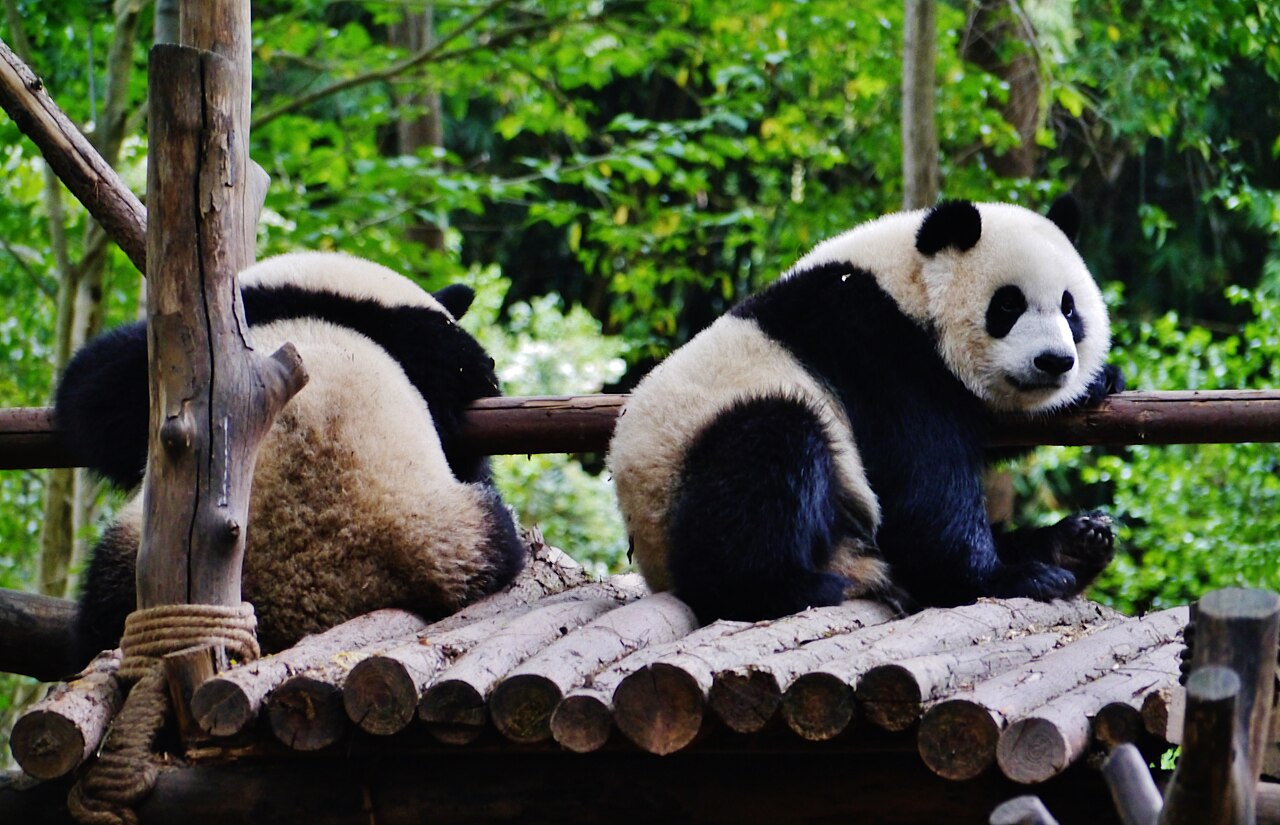
The Chengdu Research Base of Giant Panda Breeding is in the northeast of the city, about 10 kilometres from the centre. Get there when it opens: 07:30 from March to October, 08:00 from November to February. Pandas feed and move most in the cool early hours, and by late morning many of them are asleep and the paths are packed. Tickets cost 55 yuan, are real-name and can be booked up to 14 days ahead. Visitors aged 60 and over and children under 6 (or under 1.3 metres) enter free. Two to three hours covers the main enclosures. Then head back to town for lunch and an afternoon in Kuanzhai Alley.
The Chengdu travel guide has the full three-day plan.
Tickets and booking
From the base's official ticket page (panda.org.cn), checked for this update:
- Adults: 55 yuan. Students: 27 yuan.
- Free, no booking needed: visitors aged 60 or over and children aged 6 or under, or under 1.3 metres.
- Booking: real-name, up to 14 days ahead, through the base's official WeChat account or mini-program, or through the platforms the base lists as authorised (including Trip.com/Ctrip, Meituan, Douyin and Tongcheng). Foreign visitors book with a passport and bring the same one.
- Daily capacity: about 85,000 visitors, with tickets split into morning and afternoon entry.
| Season | Morning entry | Afternoon entry | Closing |
|---|---|---|---|
| March to October | 07:30 to 12:00 | 12:00 to 17:00 | 18:00 |
| November to February | 08:00 to 12:00 | 12:00 to 16:30 | 17:30 |
Book a morning ticket. If you hold an afternoon ticket, you will have to wait outside until noon. Holiday mornings, especially in the National Day week and the Lunar New Year, sell out, so book as soon as your date opens. The base also publishes separate notices for these holidays.
Getting there
The base doesn't have its own metro station, so you finish by bus or taxi:
- Metro Line 3 to Junqu Zongyiyuan (Military General Hospital) station, Exit B, then bus 409 to the West Gate.
- Metro Line 3 to Xiongmao Dadao (Panda Avenue) station, Exit A or D, then bus 408 to the South Gate.
- Taxi or ride-hailing from the city centre takes roughly half an hour early in the morning and longer in traffic.
- Tourist buses run from some central points in season. Routes change, so check the base's visitor service pages.
For a 07:30 entry, leave your hotel by 06:45. A taxi is the most reliable choice at that hour.
Inside: where to go first
The base covers about 3.07 square kilometres of hills, bamboo and lakes, with walkways between the enclosures. Zone names include Adventure Valley, Infinite Hills and Treasure Lake. Animals move between enclosures for breeding and care, so the map changes, and you won't necessarily find a particular panda where an online post says it lives.
A plan that works:
- Go straight to the adult panda enclosures nearest your gate, where the pandas are most likely to be up and eating in the first hour.
- Then the nursery and cub areas. Young pandas are the biggest draw, and the indoor viewing areas get crowded by mid-morning.
- The red pandas. These smaller, fox-like animals live in more open enclosures and are often easier to see than the giant pandas.
- Back towards the exit by 10:30 or 11:00, when the pandas settle down for the day and the crowds peak.
Feeding and enrichment times are posted on the day's boards. Don't rely on social media posts that promise a particular cub at a particular time.
The base runs electric sightseeing carts on its main roads for a fee, which helps if you have small children or limited mobility. The walk between the main zones is hilly but manageable.
Etiquette
This is a research and breeding centre with public viewing, not a petting zoo. There is no contact with the animals. Flash photography, banging on glass, and throwing food are banned. Some indoor areas ask for quiet. Follow the signs, and keep children from climbing the rails.
Background
The base opened in November 1987 with six pandas rescued from the wild. By the end of 2024 its breeding programme had grown the population to 260, according to the base's own figures. It runs as a non-profit research, breeding and education centre.
Not to be confused with
Panda Valley near Dujiangyan and the Dujiangyan panda base are different sites, an hour or more away, with their own bookings. Check the name on your ticket. If it doesn't say Chengdu Research Base of Giant Panda Breeding, you are not going to Panda Avenue.
Planning the rest of the day
The panda base fills the morning. Head back into town for lunch, then spend the afternoon in Kuanzhai Alley and the evening at a hotpot restaurant. Leave the Wuhou Shrine and Jinli for the second day, and the Du Fu Thatched Cottage for another afternoon. Dujiangyan and Mount Qingcheng are full-day trips out of the city.
Things to confirm before you go
- A morning ticket for your date, booked on an official or authorised channel.
- Your passport, matching the booking.
- Holiday notices from the base for special hours or crowd controls.
- The weather: light rain is fine, but heat after 11:00 makes the pandas sleepy.
Frequently asked questions
What time should I go to the Chengdu Panda Base?
At opening: 07:30 from March to October, 08:00 from November to February. The pandas are most active in the first two hours.
How much is the Chengdu Panda Base ticket?
55 yuan for adults and 27 yuan for students. Visitors aged 60 and over and young children enter free without booking.
How long do you need at the Chengdu Panda Base?
Two to three hours for the main panda areas. Four hours if you want to see everything, including the lakes and red pandas, at a slow pace.
How do I get to the Chengdu Panda Base by metro?
Take Line 3 to Junqu Zongyiyuan (then bus 409) or Xiongmao Dadao (then bus 408). A taxi is quicker early in the morning.