Hotan Travel Guide: Jade, Silk and Oasis Markets on the Southern Silk Road
Hotan, historically Khotan, is an oasis city between the Taklamakan Desert and the Kunlun Mountains, and it has been famous for three things for more than a thousand years: jade, silk and carpets. That is still what you come for. Spend a day on the jade market and the bazaar (ideally the Sunday one), and a second on silk and carpet workshops and the museum. Don't come expecting another Kashgar: Hotan has less old architecture and more working craft.
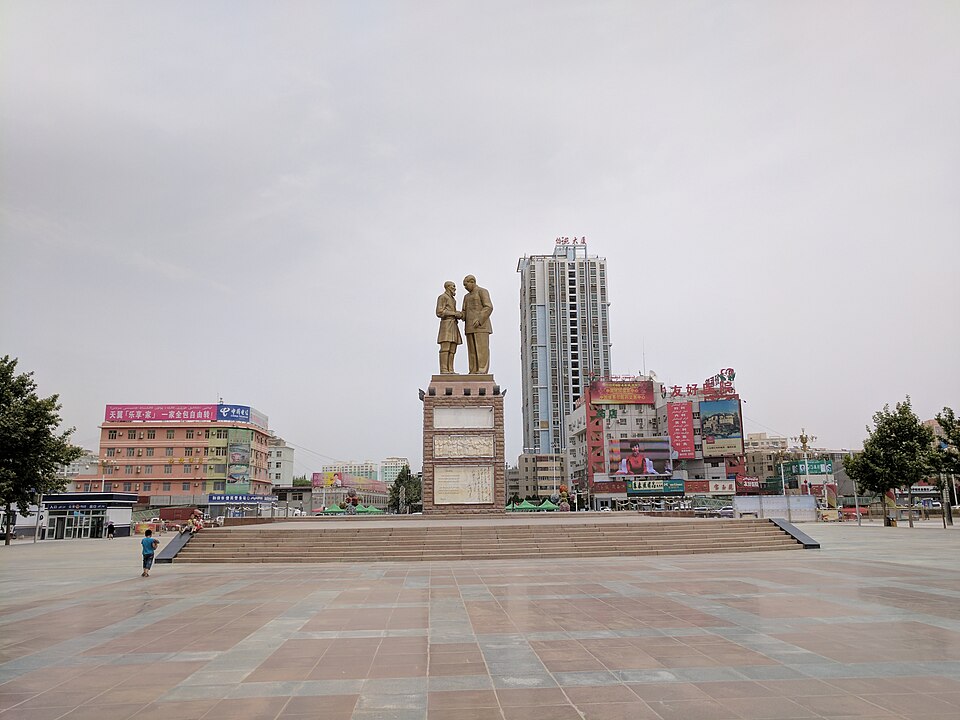
A little history first
Khotan was a Buddhist kingdom ruled by Iranian-speaking Saka people, a major stop on the southern branch of the Silk Road and a centre of Buddhist learning. The monk Xuanzang passed through in the 7th century on his way back from India. Later rulers brought Islam, and today the population is overwhelmingly Uyghur. Ruined Buddhist sites lie in the desert around the oasis, but reaching them is an expedition rather than a taxi ride (more below).
Jade: the White Jade River
Two rivers flow north from the Kunlun past Hotan: the Yurungkash ("white jade") and the Karakash ("black jade"). Nephrite washed down from the mountains has been collected from their beds since antiquity, and Hotan white jade is still the most prized in China.
What you'll see:
- The jade market in the city, where dealers lay out stones on tables and pavements. It's fascinating to browse even if you buy nothing.
- The riverbed of the Yurungkash, where locals dig for pebbles after the summer floods recede. You can walk down and watch.
A blunt warning: high-value jade is expert territory, and fakes, dyed stones and inflated prices are common. Buy only what you'd be happy to own if it turned out to be ordinary stone, and treat claims of investment value with suspicion. This guide doesn't quote prices.
The Sunday bazaar
Hotan's big weekly market fills the streets around the bazaar district on Sundays, with spices, dried fruit, walnuts, hats, knives, carpets, livestock and food stalls. It's busiest in the morning. On other days the market streets are quieter but still worth a wander. Ask before photographing people, especially women, and expect to be asked for ID at security checkpoints on the way in.
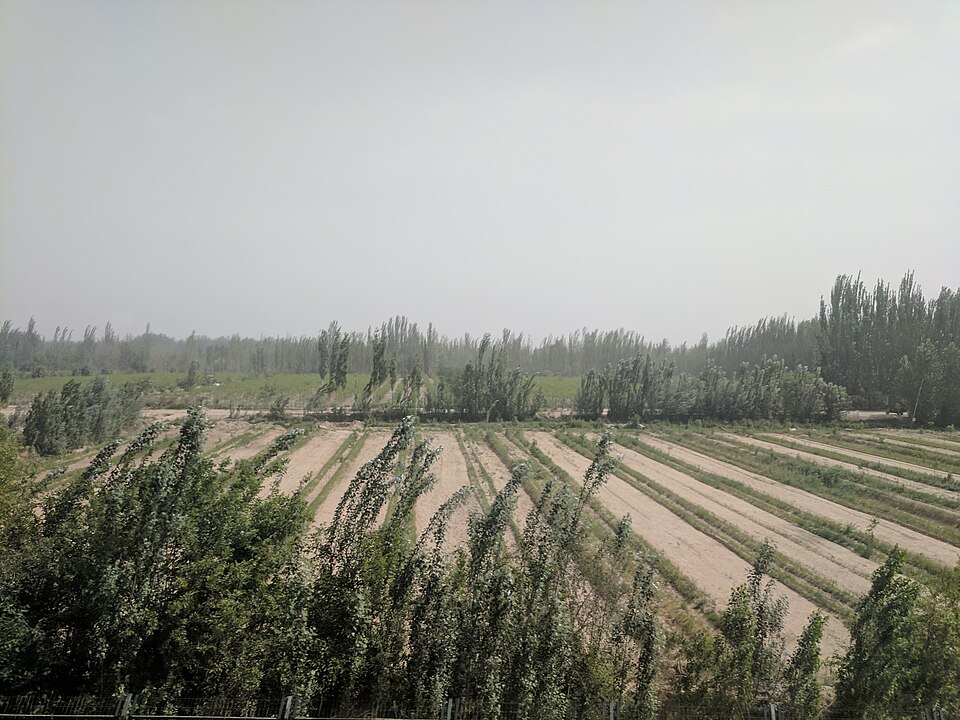
Silk, carpets and the museum
Atlas silk (etles) is the bright, tie-dyed silk Uyghur women wear, and Hotan is its home. Workshops in Jiya township on the edge of the city still raise silkworms, reel thread and weave on hand looms. Visits are informal; your hotel or a local driver can arrange one and confirm it's operating that day.
Carpets: Hotan carpets are hand-knotted wool, traditionally with pomegranate and geometric patterns. Factories and family workshops accept visitors, usually with a sales room at the end.
Hotan Museum covers the Khotan kingdom and finds from desert sites. It's a good way to make sense of the region before or after the markets, and a refuge from the midday heat. Check opening days and ID requirements before going.
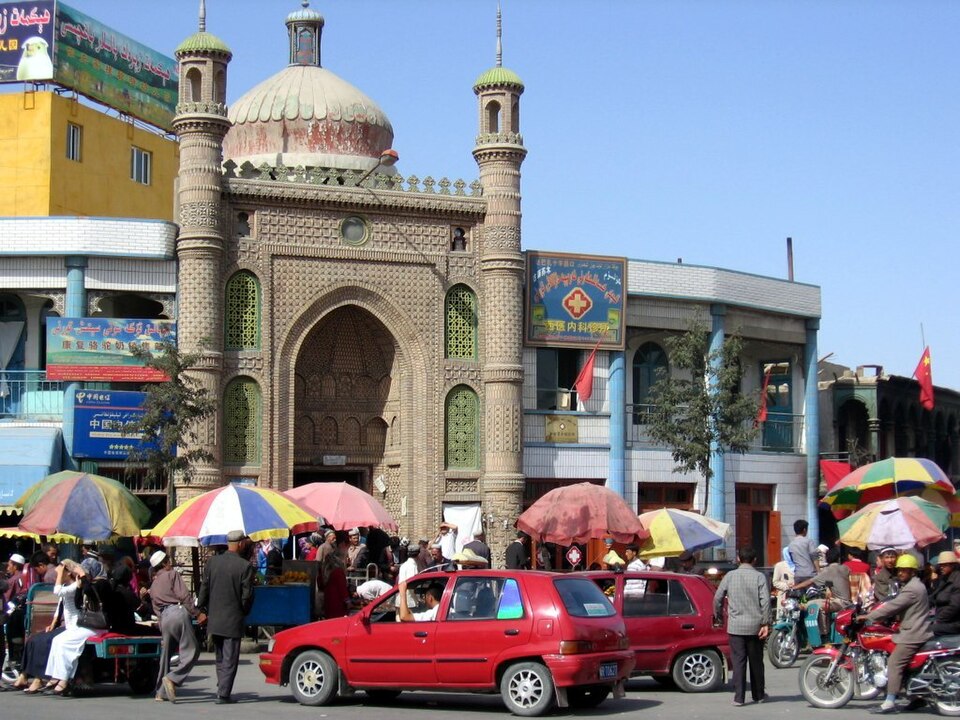
Desert ruins: only if you plan ahead
Sites such as the Rawak stupa and the Melikawat city ruins are out in the desert. Access, permits and road conditions change, and foreigners in particular may need prior arrangements. Treat them as a planned excursion with a licensed local agency, not something to improvise. Niya, further east, is a multi-day expedition.
When to come to Hotan
The climate is cold desert: very hot, dry summers, cold winters, and dust storms mostly in spring. September and October are the best months: warm days, harvest fruit, low river water for jade-digging. April to May can be pleasant between dust days. In summer, do your walking early and late.
Getting there and staying
Hotan Airport has flights to Urumqi and other Xinjiang cities. By rail, Hotan sits on the line from Kashgar and, since 2022, the line east to Ruoqiang, which completed a rail loop around the Taklamakan. Trains are slow but scenic; check timetables, which are limited. Long-distance buses and private drivers cover the road to Kashgar and Aksu.
Practical notes for Xinjiang: carry your passport at all times; expect frequent security checks on roads and at markets; and if you're a foreign visitor, book hotels that can register foreign guests, as not all can. Stay in the city centre, near the bazaar.
Eating in Hotan
Uyghur food is the standard: laghman (hand-pulled noodles), polo (rice pilaf with lamb and carrot), kebabs, and naan from tandoor ovens. Hotan's markets are full of walnuts, raisins, dried apricots and pomegranates, and in season the fruit is excellent. Halal food is the norm; alcohol is uncommon. Check prices at stalls before ordering.
How to arrange the route
Day 1: Arrive, jade market in the afternoon, evening walk in the bazaar streets.
Day 2 (ideally a Sunday): Morning at the Sunday bazaar, afternoon at a silk workshop in Jiya and the museum.
Day 3 (optional): Yurungkash riverbed, a carpet workshop, or a pre-arranged desert ruin trip; then onward by rail to Kashgar or by air to Urumqi. Turpan is the other Silk Road oasis most people combine with Xinjiang trips.
What to cut if short on time
Cut the desert ruins and carpet factories first. Keep the jade market and one silk workshop. If you can shift your dates to include a Sunday, do.
Things to confirm before you go
- The day of the week you'll be in town (Sunday bazaar).
- Workshop and museum opening days.
- Rules for visiting desert sites, especially for foreign passport holders.
- Hotel registration for foreigners when booking.
Frequently asked questions
How many days do I need in Hotan?
Two days covers the markets, a workshop and the museum. Add a day for desert sites or the riverbed.
Is Hotan worth it if I've already seen Kashgar?
Yes, if crafts and markets interest you. Hotan is less about architecture and more about jade, silk and daily oasis life.
Is it safe to buy jade in Hotan?
Buy for enjoyment, not investment. Without expert knowledge, assume expensive pieces may not be what they're claimed to be.
Sources
The facts in this article were checked against public encyclopedia and southern Xinjiang travel summaries, retrieved October 1, 2026, and rechecked on October 17, 2026.
- Hotan https://en.wikipedia.org/wiki/Hotan
- Khotan jade / bazaar craft summaries (cross-checked)
- Hotan Prefecture https://en.wikipedia.org/wiki/Hotan_Prefecture
Tickets change; this article does not invent yuan amounts.
All photos are from Wikimedia Commons, used under CC licenses; re-use requires attribution.
- hotan-tuanjie.jpg from File:Hotan Tuanjie Square Day North.jpg, by Voidvector, CC BY-SA 4.0
- hotan-jade.jpg from File:Hotan Farmland (IMG 20170519 120752).jpg, by Voidvector, CC BY-SA 4.0
- hotan-mosque.jpg from File:Khotan-mezquita-d04.jpg, by Colegota, CC BY-SA 2.5 es