Lugu Lake: Stay the Night or Skip the Drive
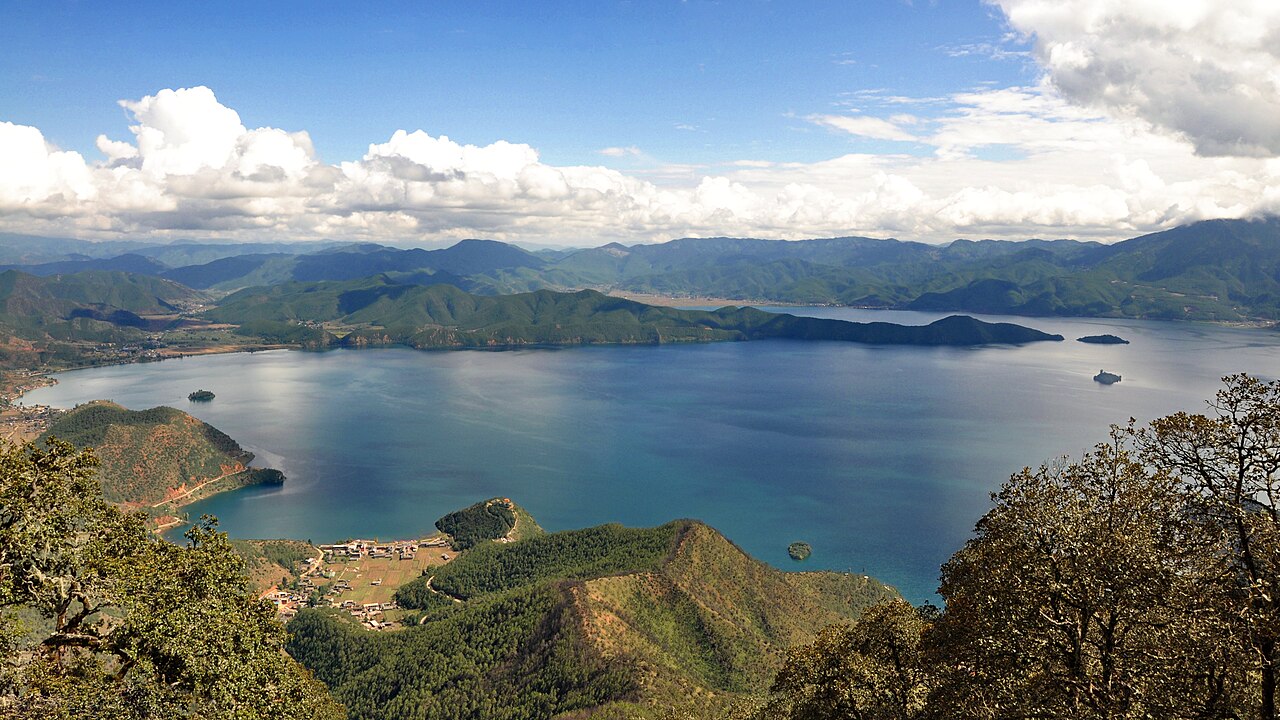
Lugu Lake straddles the Yunnan-Sichuan border, with the west shore in Ninglang County under Lijiang and the east shore in Yanyuan, Sichuan. The surface sits near 2,690 metres, covers roughly 48 square kilometres, averages about 40 metres deep with a maximum near 93.5 metres, and has long been rated among China's clearest Class I waters. The American geographer Joseph Rock wrote in National Geographic that it was the most beautiful lake in Yunnan. The Mosuo communities around the shore keep matrilineal traditions and the walking-marriage custom that travelers hear about before they arrive; treat living culture with the same respect you would any private community, not as a performance checklist. The wider plan sits in the Lijiang travel guide.
Why the road decides the trip
Lugu Lake lies on the order of 200 kilometres from central Lijiang. The drive climbs steep passes (the famous Eighteen Bends sit on this corridor) and often takes half a day each way. Landslides and fog can stretch that further in the rainy season. A same-day out-and-back wastes the lake on bus windows. Plan at least one night lakeside; two nights feel better if you want a full loop, a boat hour, and a slow morning.
Lugu Lake Airport sits roughly 25 kilometres from the shore and can replace the mountain road when flights and budgets line up. Confirm schedules and ground transfers; they are not as frequent as Lijiang's main airport links.
What to see on a short stay
Lige is the postcard village cluster many visitors use as a base. Grass Sea wetland at the southeast corner hosts wintering birds, including black-necked cranes in season. The Walking Marriage Bridge crosses wetland channels on foot. Mount Gemu is the Mosuo sacred mountain; a climb is optional and weather-dependent. Traditional log houses and pig-trough boats still appear along the shore; boat rides are ticketed locally and follow posted safety rules.
A lake loop by hired car or local transport links these stops without forcing every pier. Two focused half-days beat one frantic circling day. Sunrise and early mist are the photographic hours; midday glare flattens the water.
Fees, boats and conduct
Scenic and boat tickets vary by pier and season; read the board for your embarkation point and never invent a yuan total from an old blog. Some villages collect local fees separately from any wider park ticket. Photography of private courtyards and ceremonies needs consent. Shows marketed as Mosuo culture range from respectful to touristy; choose with the same skepticism you would bring to any staged evening.
Altitude is higher than Lijiang town. Sleep, hydrate, and avoid stacking hard hikes on arrival afternoon. Nights are cold even when days feel mild; pack a real jacket.
Getting there and what to cut in Lijiang
If Lugu Lake is on the calendar, protect two days and cut duplicate old-town shopping. Keep Jade Dragon Snow Mountain and Old Town of Lijiang ; decide between Tiger Leaping Gorge and Lugu when the trip is short. The gorge is a day of canyon road time; Lugu is an overnight lake culture trip. They are not interchangeable.
Return to Lijiang with buffer before a flight. Do not book a same-evening departure from Lijiang airport after a morning lake departure unless transfers are proven.
Things to confirm before you go
- Road conditions and landslide notices in the rainy season.
- Whether you fly to Lugu Lake Airport or drive from Lijiang.
- Boat and scenic ticket boards for your pier.
- Guesthouse heating and hot water in cold months.
- Bird season timing if Grass Sea cranes are the goal.
Who should skip Lugu Lake
Skip it on a three-day Lijiang city trip; the road consumes the calendar. Skip a day-trip attempt that only yields a hurried pier photo. Keep Lugu when you have five days in the region and want high-lake quiet after Dayan noise. Keep Tiger Leaping Gorge instead when canyon geology matters more than Mosuo lakeshore time.
Neighbour stops
Dayan, Shuhe Old Town, and Black Dragon Pool are the in-town cluster. Jade Dragon Snow Mountain is the sacred massif day. Tiger Leaping Gorge is the canyon alternative on the Jinsha.
A two-night sketch that breathes
Day one: leave Lijiang early, arrive by afternoon, settle in Lige or a quieter shore village, walk to sunset water, sleep. Day two: Grass Sea and bridge paths in the morning, optional boat when wind is calm, sacred mountain or village lanes after lunch, second night. Day three: sunrise if clear, then the long return to Lijiang with buffer. Compress to one night only when flights replace the mountain road and you accept a shorter loop.
Food follows lakeside guesthouse kitchens and village restaurants more than Dayan's snack alleys. Ask how dishes are priced before you order large tables. Vegetarian travelers should confirm options; menus lean on lake fish and pork in many rooms.
Culture without collecting performances
Matrilineal household patterns and walking-marriage customs are living social facts, not costume hours. Read a reliable primer before you arrive so questions stay respectful. Skip touts who promise secret ceremonies for a fee. Support guesthouses and boat operators that post clear prices. The lake's beauty does not require you to treat neighbours as exhibits.
Winter brings colder nights and, on the Grass Sea, better odds for migratory birds. Summer greens the hills and raises landslide risk on the Lijiang road. Shoulder seasons often balance both.
Official notice reminder
Road status, flight schedules, and pier tickets change. Confirm before you commit to the overnight drive.