Hubu Alley: Where to Eat a Wuhan Breakfast
Hubu Alley is a 150-metre lane in old Wuchang, running north from Minzhu Road to Ziyou Road, that has become the best-known place in Wuhan for guozao, the local word for eating breakfast out. You come here for hot dry noodles, doupi and mianwo, eaten at small tables or standing up, and you pay only for the food. Arrive by about 07:30 for the real breakfast atmosphere; by late morning it is a tourist snack street. Yellow Crane Tower is about ten minutes' walk away, so the two make an easy first morning in the Wuhan travel guide.
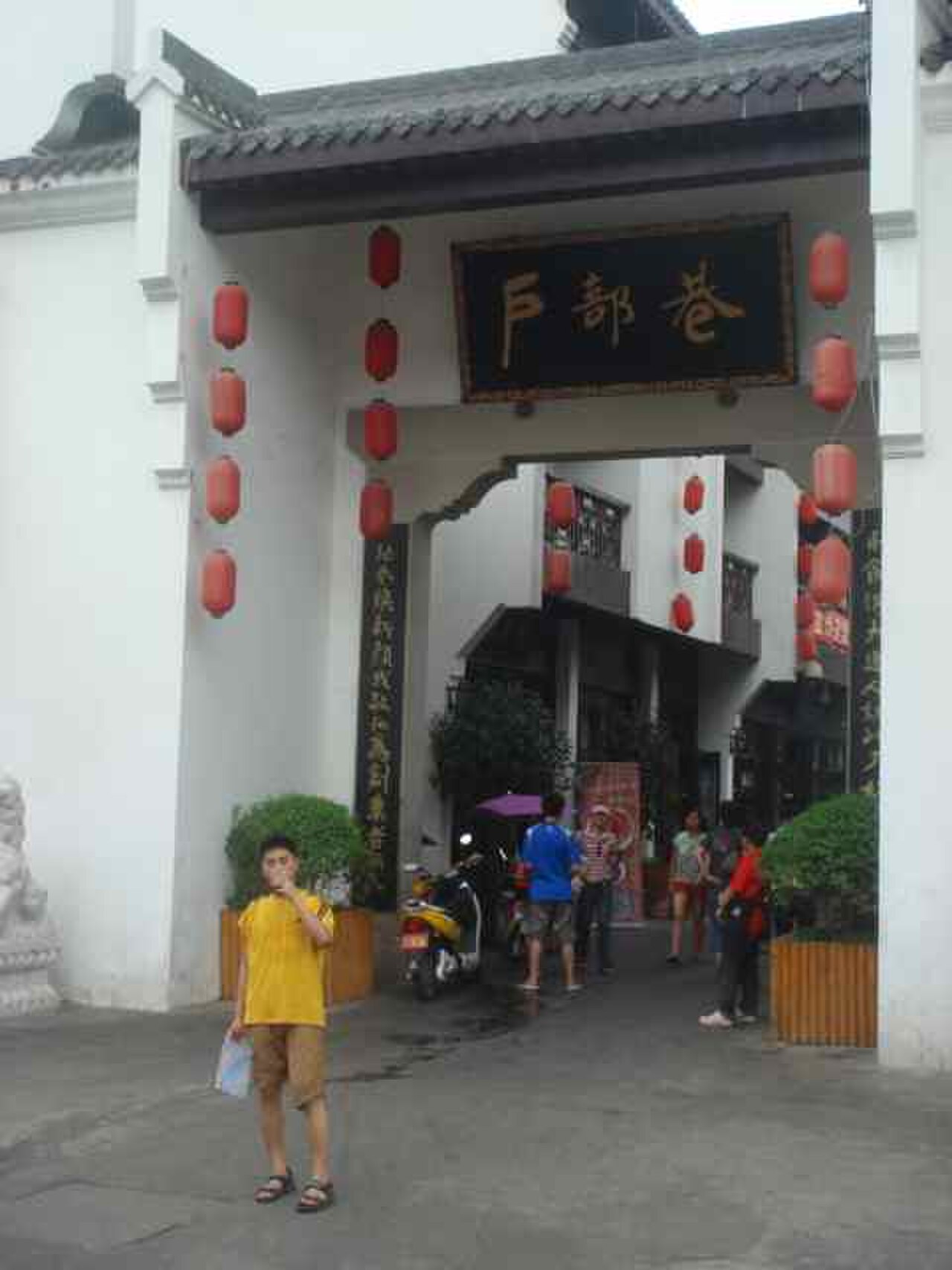
A short history of a breakfast lane
The lane is named after the provincial treasury office, the hubu yamen, that once stood to its east, and it already appears on a map in a Ming Jiajing-era gazetteer. Being close to the Yangtze docks, it filled with traders and food sellers early on. The Xie family's mianwo stall, which set up here in the 1940s, made the name across the three towns. After decades of decline, stalls reopened in the 1970s, among them the hot dry noodle seller remembered as Shi Popo, and by the 1980s commuters off the buses and ferries at nearby Zhonghua Road were eating here every morning. In 2002 the district renovated the lane in a Ming-Qing style and promoted it as "the first lane of Wuhan breakfast". That is the lane you see today: about four metres wide, family-run shops on the ground floor, homes upstairs.
Locals still repeat the saying "breakfast at Hubu Alley, supper on Jiqing Street". Many of them now eat breakfast closer to home, but the lane remains the easiest place for a visitor to try several dishes in one go.
What to order
Hot dry noodles (reganmian). The dish Wuhan is known for: alkaline noodles, briefly boiled, tossed with sesame paste, soy, chilli oil, pickled radish and spring onion. It is dry, rich and filling. Stir it hard before eating, and order a drink with it.
Doupi. A pan-sized sheet of egg and bean batter fried over sticky rice with diced meat, mushroom and bamboo shoot, cut into squares. Heavier than it looks; share a portion.
Mianwo. A ring of rice-and-soy batter fried crisp at the edge and soft in the middle, eaten in a few bites.
Fish soup noodles (hutangfen). Thin rice noodles in a peppery fish broth, often with a fried dough stick for dipping. A good choice if you find sesame paste too heavy first thing.
Others. Sticky rice wrapped around a fried dough stick, soup dumplings, and sweet fermented rice drinks round out the usual spread.
Two or three items between two people is plenty. Prices are posted at each stall and vary by portion; mobile payment is normal. If spice worries you, Wuhan breakfasts are generally milder than Sichuan food, but ask for less chilli oil on the noodles.
How the lane works
Most shops sell from a window at the front. Order and pay, take a number or wait at the counter, then find a stool where you can. At peak times seating is the bottleneck, not the cooking. Looking for stalls with quick turnover is a reasonable way to choose; it is not a hygiene guarantee, but food that sells fast tends to be fresh. Ignore "number one" claims on banners; they change hands as often as the shops do.
If someone in your group is vegetarian or has allergies, ask directly. Sesame, egg, peanut and meat stock are in a lot of these dishes.
When to go
- 07:00 to 08:30: the best time. The lane has its breakfast character, food is freshly made, and it is still possible to sit down.
- 10:00 onward: tour groups arrive and the lane becomes a queue. Food is still served, but the mood is different.
- Evenings: the lane stays open with grilled snacks, but this is the tourist version. For a Wuhan night out, Jiqing Street or the streets around Jianghan Road in Hankou are better.
- Holidays: expect to shuffle shoulder to shoulder. Keep phones and bags in front of you.
In rain everyone crowds under the eaves and every queue slows down. In summer, eat early before the heat; in winter, the hot bowls are the point.
Pairing it with the tower
Hubu Alley and Yellow Crane Tower share a metro stop, Simenkou Yellow Crane Tower on Line 5. Eat first, then be at the tower gate for opening. If you have a timed tower booking early, climb first and come down for a late breakfast instead; just know the lane is busier by then.
After the tower, the Wuchang end of the Yangtze River Bridge is a short walk, and you can cross on foot. Leave the Hubei Provincial Museum and East Lake for a separate day; they are a metro ride east and each needs a long session.
Is it worth it?
As a sight, no: it is a short, renovated lane full of food stalls. As breakfast, yes, especially on your first morning, when trying three dishes side by side teaches you more about Wuhan food than a restaurant meal would. If the crowds are already too much, any busy neighbourhood breakfast shop in Wuchang will serve you the same hot dry noodles with a seat.