Wuhan Travel Guide: Six Sights and a Three-Day Route
Wuhan is three old cities, Wuchang, Hankou and Hanyang, facing each other where the Han River joins the Yangtze, and three days is the right length for a first visit. Spend one day in central Wuchang for Yellow Crane Tower, Hubu Alley breakfasts and a walk over the 1957 Yangtze River Bridge; one day on the east side for the Hubei Provincial Museum and a bike ride round East Lake; and one in Hankou for Jianghan Road and the riverfront. Spring and autumn are the comfortable seasons. Two rules save most trouble: book the free museum slot as soon as your dates are fixed, and keep Mondays away from it, because it closes that day.
Getting in and where to stay
Wuhan Tianhe International Airport is north of Hankou, linked to the city by Metro Line 2. The city has three main railway stations, and the one printed on your ticket matters: Wuhan Station, on the east side of Wuchang, takes most high-speed trains on the Beijing to Guangzhou line; Hankou Station serves many trains from the north and west; Wuchang Station is the most central for the old Wuchang sights. Metro Line 2 tunnels under the Yangtze between Hankou and Wuchang in a few minutes, and the metro reaches every place in this guide.
For a first visit, stay in Wuchang near Simenkou or Shouyi Road if you want to walk to the tower and breakfast lanes, or in Hankou near Jianghan Road if you care more about evenings, food and the riverfront. Either works for the other half of the city by metro.
When to come
Wuhan has hot summers and damp, chilly winters. January averages about 4°C and July about 29°C, and the city was long counted among China's "furnaces".
- March to April is cherry-blossom season at East Lake and Wuhan University, with mild days and sudden rain.
- May and June are pleasant until the plum rains arrive.
- July and August are hot and humid. Do outdoor sights early and late, and keep the middle of the day for the museum.
- October and November are the best months: clear skies, cooler air, and fresh lotus root in the markets.
- Winter is grey and cold indoors and out, though crowds are thin.
Avoid the National Day week in early October and the summer school holidays if you can; the museum and tower are at their busiest then.
Places worth visiting
Yellow Crane Tower
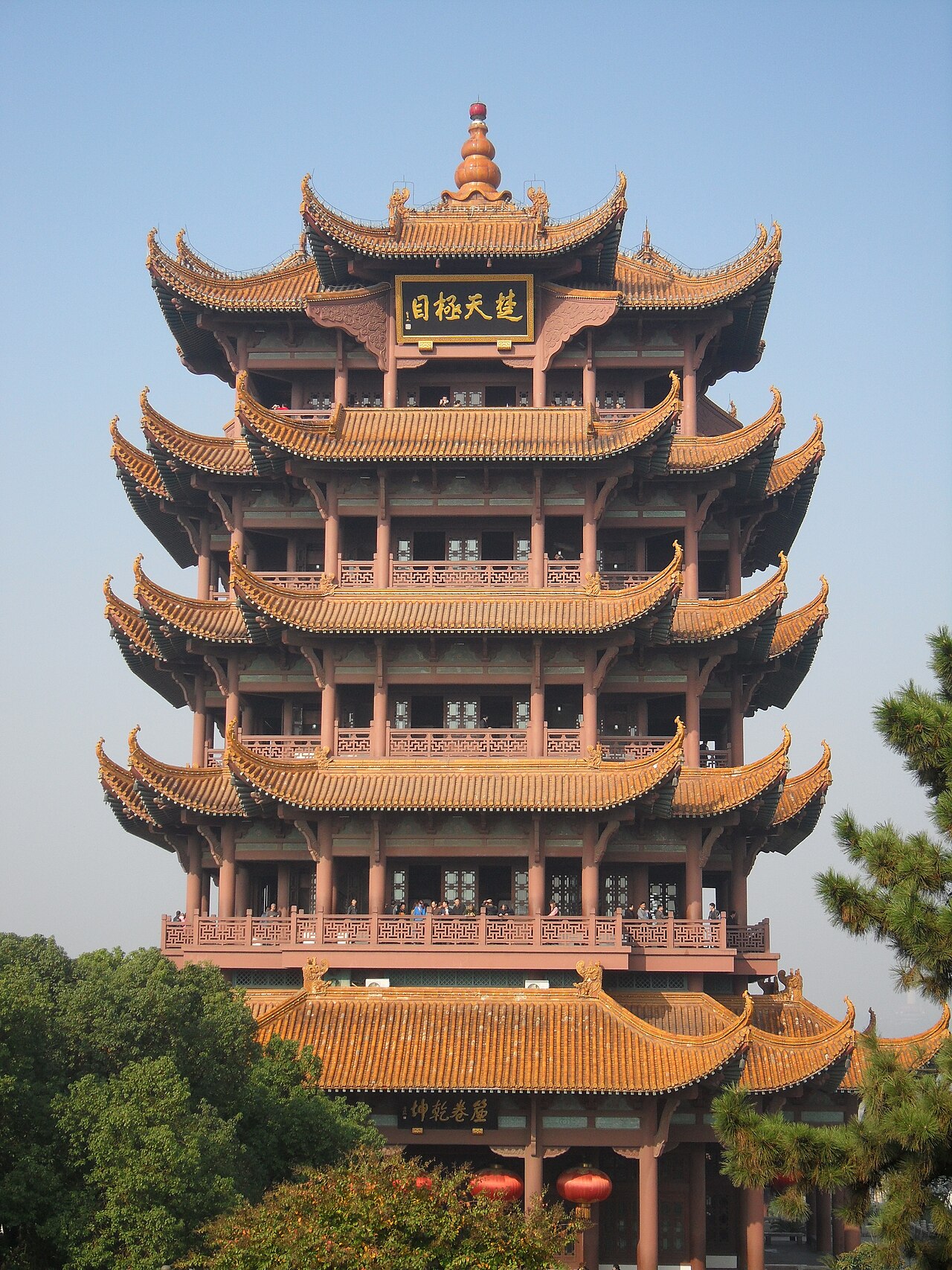
A tower has stood on Snake Hill in Wuchang, in one form or another, since 223 CE. The last traditional one burned in 1884, the bridge approach took its site in 1957, and the present five-storey tower, 51.4 metres tall, was finished in 1985 about a kilometre away. It is a modern building with exhibits inside; climb it for the view down to the bridge and across the river. The 2026 day ticket is CNY 70, with a separate night session at a higher price. Go at opening, and walk the park on Snake Hill on the way down.
Wuhan Yangtze River Bridge
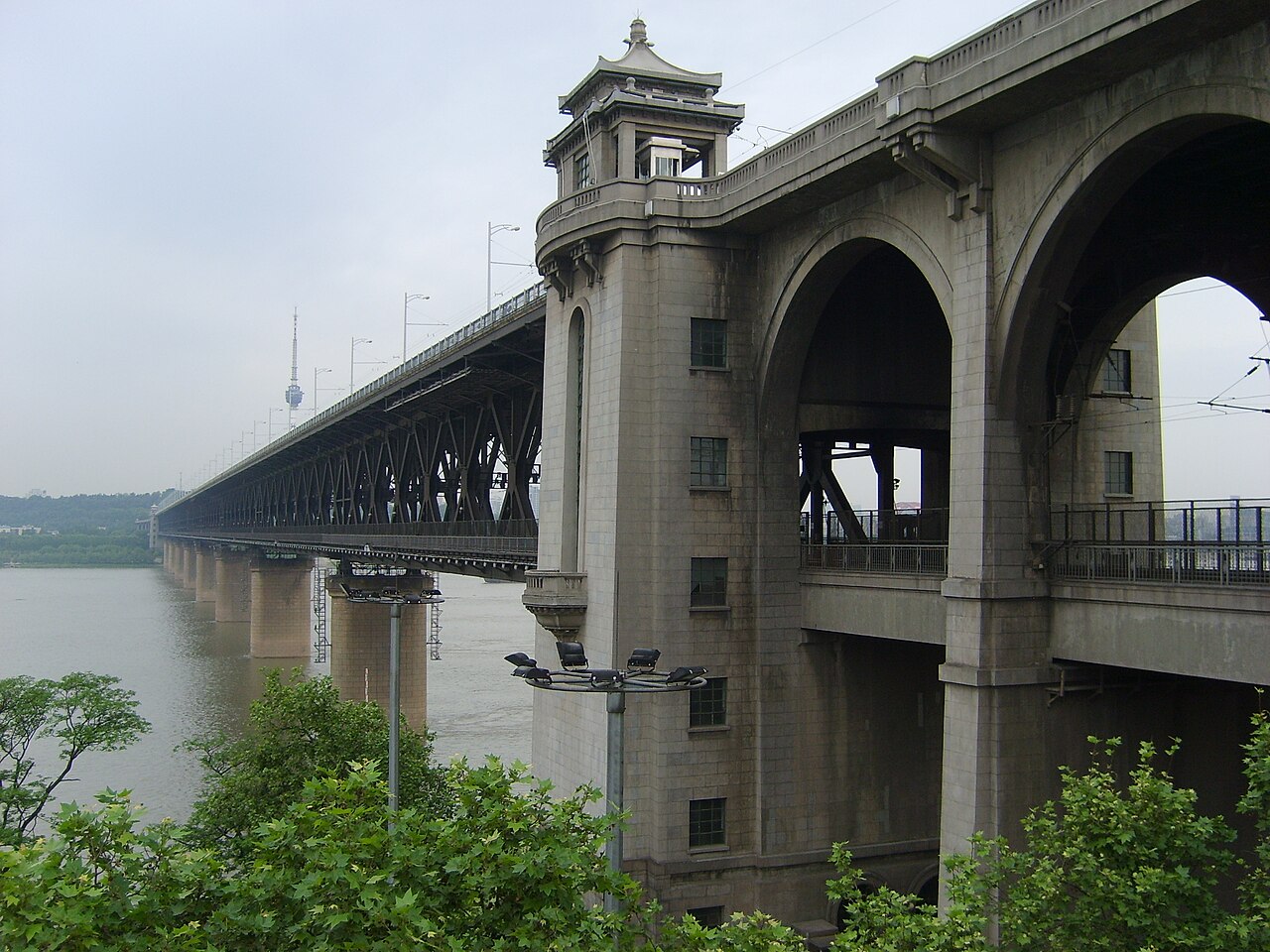
The first bridge over the Yangtze opened on 15 October 1957, joining Snake Hill to Guishan in Hanyang. It is 1,670 metres long, with roads and footpaths above and the Beijing to Guangzhou railway below. Walking across is free and takes about half an hour; the deck shakes when trains pass underneath. Go at dusk, when the lights come on and Yellow Crane Tower stands lit above the Wuchang end.
Hubei Provincial Museum
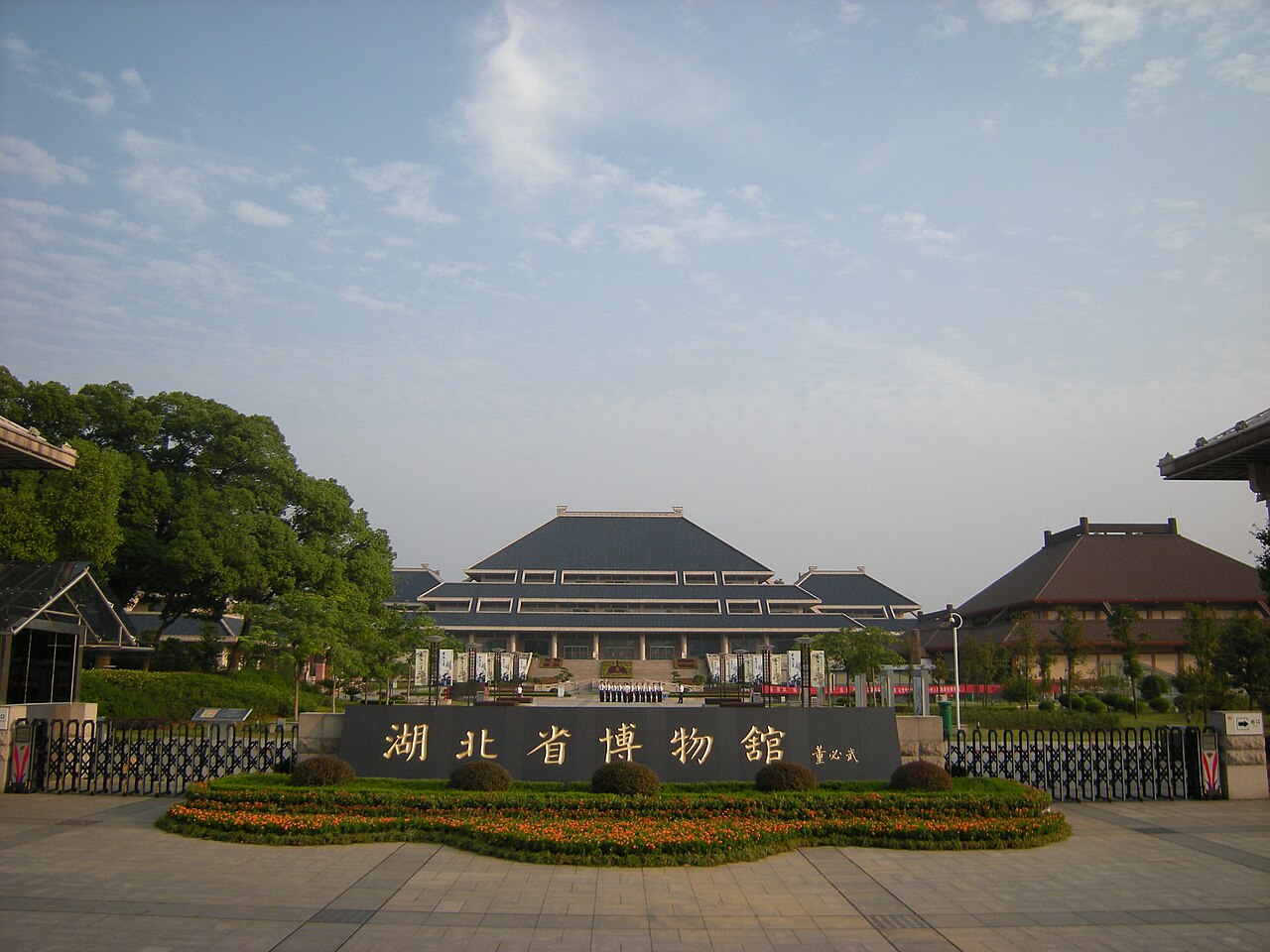
The museum on East Lake Road holds the 65-piece chime bells from the tomb of Marquis Yi of Zeng, excavated in Suizhou in 1978, and the Sword of Goujian, still sharp after some 2,500 years. Entry is free but must be booked by real name up to five days ahead. From October 2026 it opens 09:00 to 17:30 on weekdays and until 20:30 at weekends, and closes on Mondays except public holidays. The 30-minute chime-bell performance has its own ticket, CNY 50. Give it three to four hours, starting with the Marquis Yi galleries.
East Lake
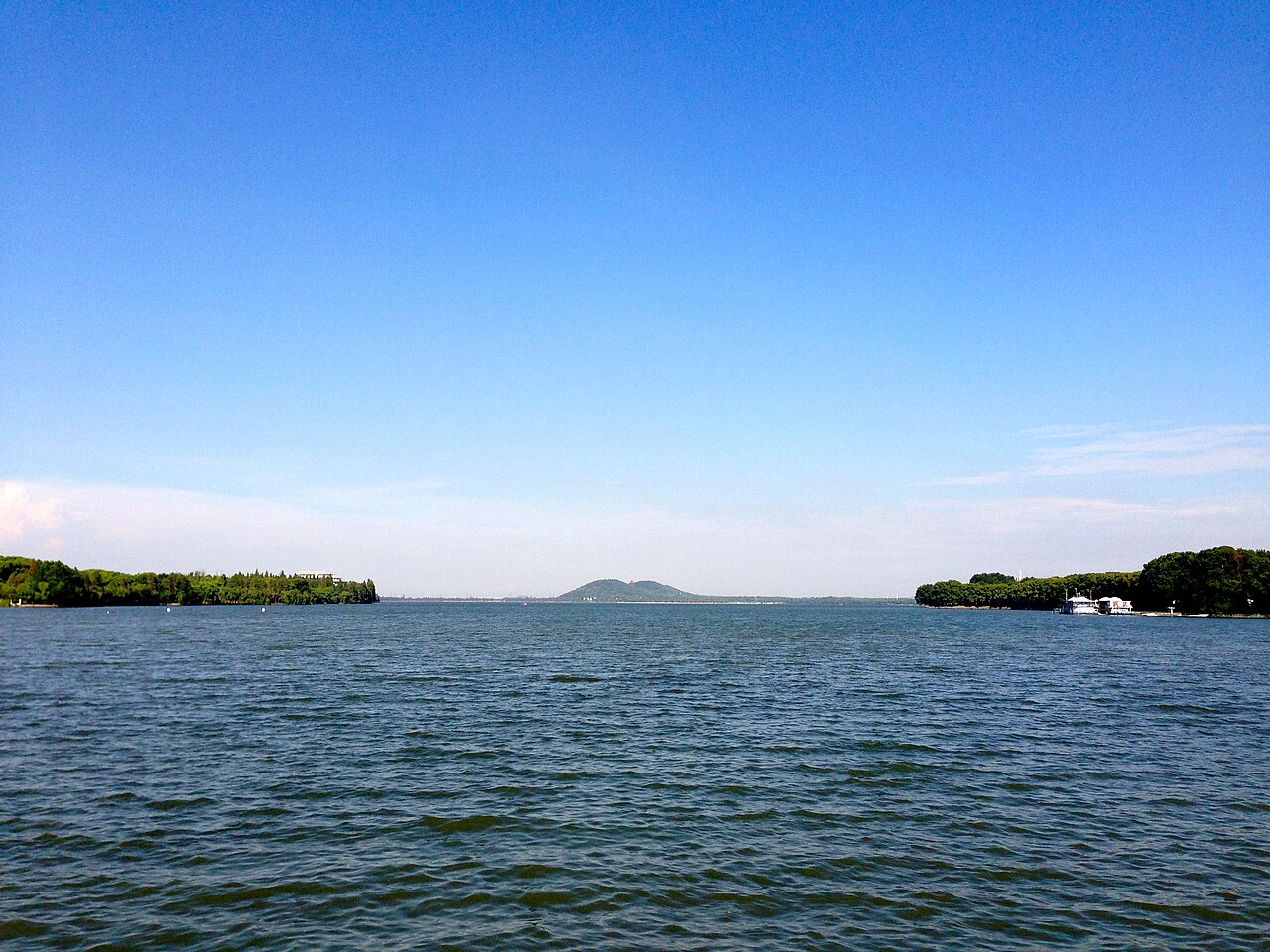
East Lake has 33 square kilometres of water, about six times West Lake in Hangzhou. The East Lake Greenway, opened in December 2016, runs causeways across the water and paths around the Tingtao, Moshan and Luoyan zones. The paths are free; pick up a shared bike and ride one section, such as the cross-lake causeway or the shore below the Moshan hills, in half a day. Moshan has cherry and plum blossom in spring. The museum's North Gate faces the lake, so the two make one day.
Jianghan Road
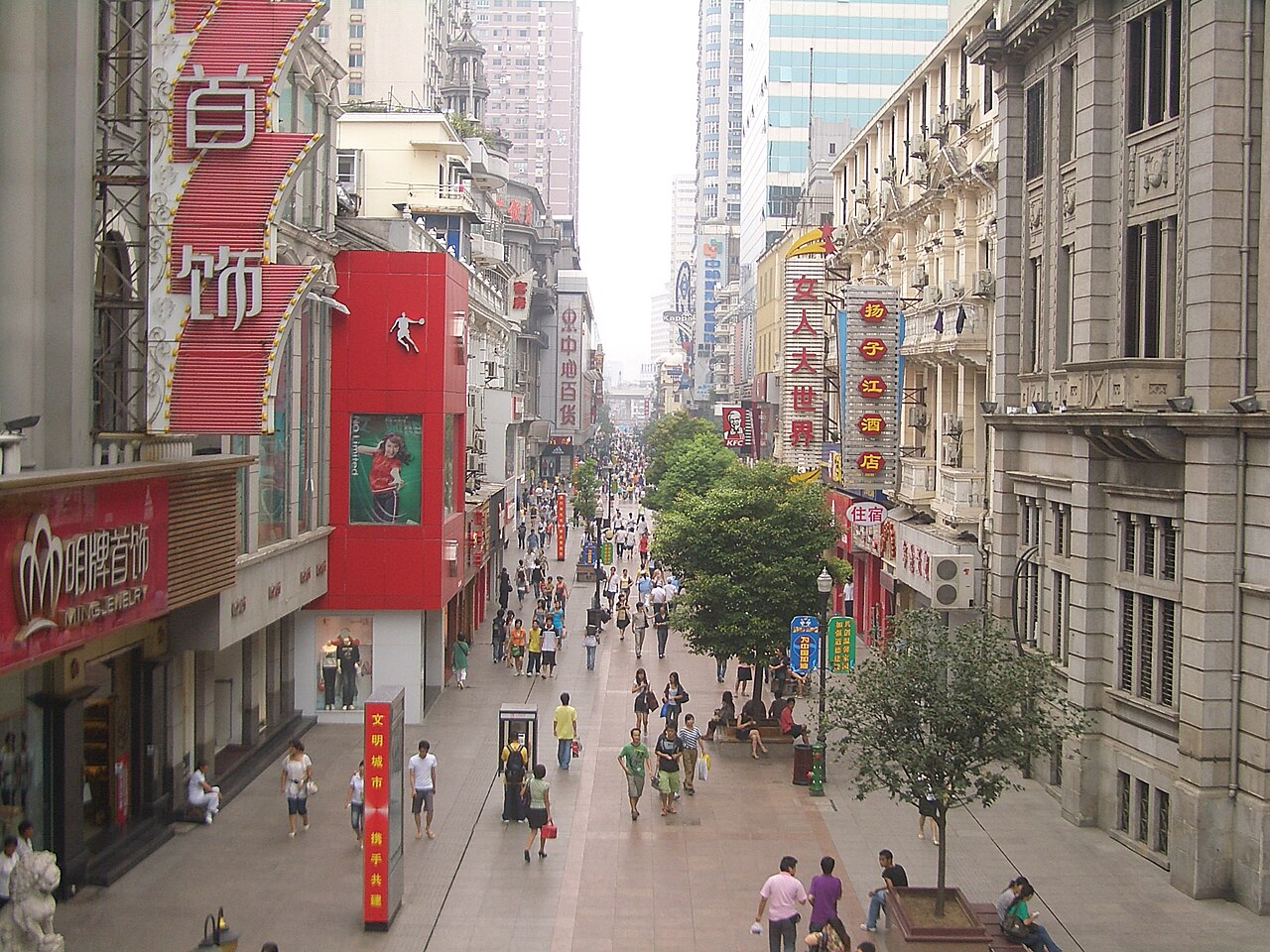
Hankou opened as a treaty port in 1861, and Jianghan Road grew into its main commercial street, lined with late Qing and Republican banks and trading houses in European styles. It is now a pedestrian shopping street. At its south-east end, by the river, stands the Jianghan Customs House, whose clock tower still chimes the hours. Walk the street in the late afternoon, continue to the Hankou riverside parks for the evening, and use the side streets toward Zhongshan Avenue for the older buildings.
Hubu Alley
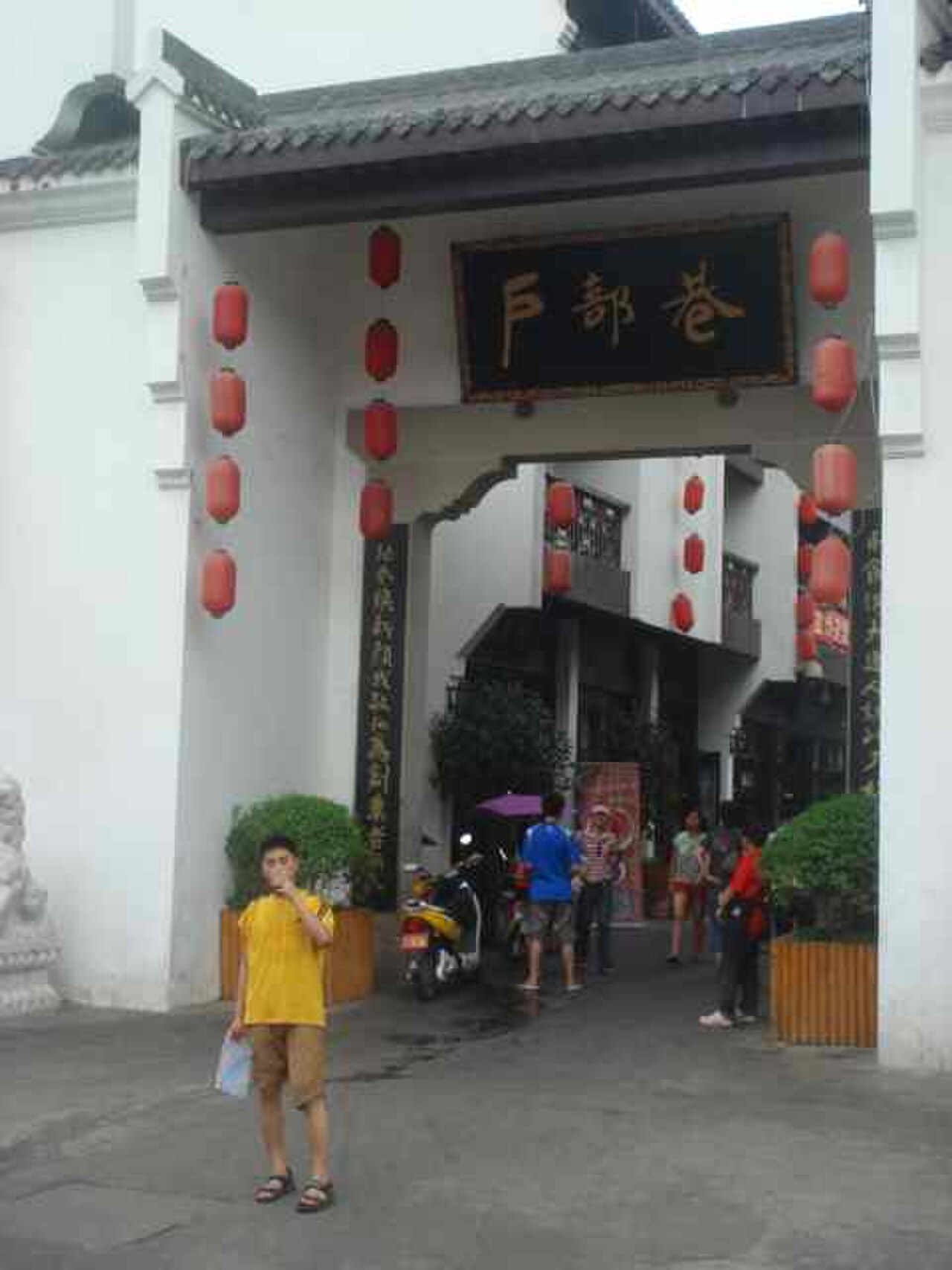
A 150-metre lane in old Wuchang, already on a Ming-dynasty map, Hubu Alley is where visitors go to eat a Wuhan breakfast. Order hot dry noodles, doupi and mianwo, and come by about 07:30, before the tour groups. It is ten minutes' walk from Yellow Crane Tower and shares its metro stop on Line 5.
Eating in Wuhan
Wuhan's food culture starts at breakfast, which locals call guozao and usually eat out. Hot dry noodles come first: alkaline noodles in sesame paste with pickled radish and spring onion. Doupi, a fried sheet of egg and bean batter over sticky rice and meat, and mianwo, crisp rings of fried batter, come next. Hubu Alley is the famous place to try them; any busy neighbourhood breakfast shop serves the same dishes.
For lunch and dinner, try Hubei dishes: Wuchang bream, steamed or braised; pork rib and lotus root soup, best in autumn when the new lotus root arrives; and spicy braised duck necks, sold everywhere as a snack. Jiqing Street in Hankou is the traditional supper street, with the busiest hours from about 20:00. Wuhan cooking uses chilli but is generally milder than Sichuan or Hunan food.
How to arrange the route
Three days, one per area:
Day 1, central Wuchang. Breakfast at Hubu Alley around 07:30, Yellow Crane Tower at opening, then the Snake Hill park. Rest in the afternoon heat, and walk the Yangtze River Bridge at dusk.
Day 2, east Wuchang. The Hubei Provincial Museum in the morning, with the chime-bell show if you can get a seat. Leave by the North Gate and ride a section of the East Lake greenway in the afternoon. In March, add Wuhan University if you have booked.
Day 3, Hankou. Jianghan Road and the Customs House in the late morning, a long lunch, then the Hankou riverfront at sunset and supper on Jiqing Street.
What to cut if short on time
With two days, fold Hankou into the evenings: Jianghan Road after the bridge on day one, or after East Lake on day two. With one day, do Hubu Alley, the tower and the bridge, and accept that the museum needs a return trip. Do not try to put the tower and a full museum visit in the same morning.
Onward from Wuhan
Changsha is about an hour and a half south by high-speed train, and Zhangjiajie is the mountain trip from this part of central China. Closer to the city, Ezhou and Huangshi lie east along the river, Xiaogan to the north, Xianning to the south for hot springs, and Huanggang for Su Dongpo's Red Cliff. Suizhou is the place to go if the Marquis Yi bells leave you wanting the tomb site.
Things to confirm before you go
- Your museum slot, booked on an official channel, and that your day is not a Monday.
- Which railway station your train uses: Wuhan, Hankou and Wuchang are far apart.
- Yellow Crane Tower ticket times, especially whether you want the day or night session.
- Weather for the bridge walk and the bike ride; summer storms come up quickly.
- Holiday crowds in early October and at cherry-blossom weekends.
Frequently asked questions
How many days do you need in Wuhan?
Three days covers the six sights here at a comfortable pace. Add a fourth for Wuhan University in blossom season or a day trip.
How do you book the Hubei Provincial Museum?
Use the museum's official website or WeChat account, or one of the other channels it lists, up to five days ahead. Entry is free; bring the passport you booked with.
Can you walk across the Wuhan Yangtze River Bridge?
Yes. The upper deck has a footpath on each side, and the walk is free. Start at the Wuchang end near Yellow Crane Tower.
Is Yellow Crane Tower worth the ticket?
For the view of the river and bridge, yes, especially early in the day. The building is a 1985 reconstruction, so do not expect an ancient interior.
Sources
The facts in this article were checked against the following Chinese Wikipedia entries, retrieved August 11, 2026.
- Wuhan (city) https://zh.wikipedia.org/wiki/武汉市
- Yellow Crane Tower https://zh.wikipedia.org/wiki/黄鹤楼
- Wuhan Yangtze River Bridge https://zh.wikipedia.org/wiki/武汉长江大桥
- Hubei Provincial Museum https://zh.wikipedia.org/wiki/湖北省博物馆
- East Lake (Wuhan) https://zh.wikipedia.org/wiki/东湖_(武汉)
- Jianghan Road https://zh.wikipedia.org/wiki/江汉路
- Hubu Alley https://zh.wikipedia.org/wiki/户部巷
Ticket prices, hours and booking rules were rechecked on October 14, 2026 against the Yellow Crane Tower Park official site (cnhhl.com), the Hubei Provincial Museum official site (hbww.org.cn) and 2026 local listings. They change; confirm on the official channel before you go.
All photos are from Wikimedia Commons, used under CC licenses; re-use requires attribution.
- wuhan-huanghelou.jpg from File CN - Hubei - Wuhan - Kranichpagode.jpg, by MonsieurRoi, taken November 2013, CC BY-SA 3.0
- wuhan-bridge.jpg from File Wuhan Yangtze River Bridge-1.jpg, by Fllee, CC BY-SA 3.0
- wuhan-museum.jpg from File Hubei Provincial Museum.JPG, by 风之清扬, CC BY-SA 3.0
- wuhan-donghu.jpg from File East Lake Wuhan.JPG, by Zheng Zhou, taken August 15, 2013, CC BY-SA 4.0
- wuhan-jianghanlu.jpg from File Hankou-Hanjiang-Lu-0247.jpg, by Vmenkov, taken September 10, 2008, CC BY-SA 3.0
- wuhan-hubuxiang.jpg from File Hubu Xiang Entrance.jpg, by Howchou, taken July 14, 2008, CC BY-SA 3.0