Drepung Monastery, Lhasa: The Hillside Monastery West of the City
Drepung Monastery (哲蚌寺) spreads white across the foot of Mount Gephel (Genpe U-tse), about five kilometres west of central Lhasa, and was once the largest monastery in Tibet. Founded in 1416 by Jamyang Chöje, a disciple of Tsongkhapa, it is the biggest and highest-ranking of Lhasa's three great Gelug monasteries. Go in the morning, give it two to three hours, and pair it with Sera Monastery in the afternoon for the debates. Tickets are bought at the gate; recent price tables list about 60 yuan. Like all Lhasa monasteries it is a working religious site, and visiting means climbing stone paths at altitude, so leave it until you have had a day or two to adjust. The full city plan is in the Lhasa travel guide.
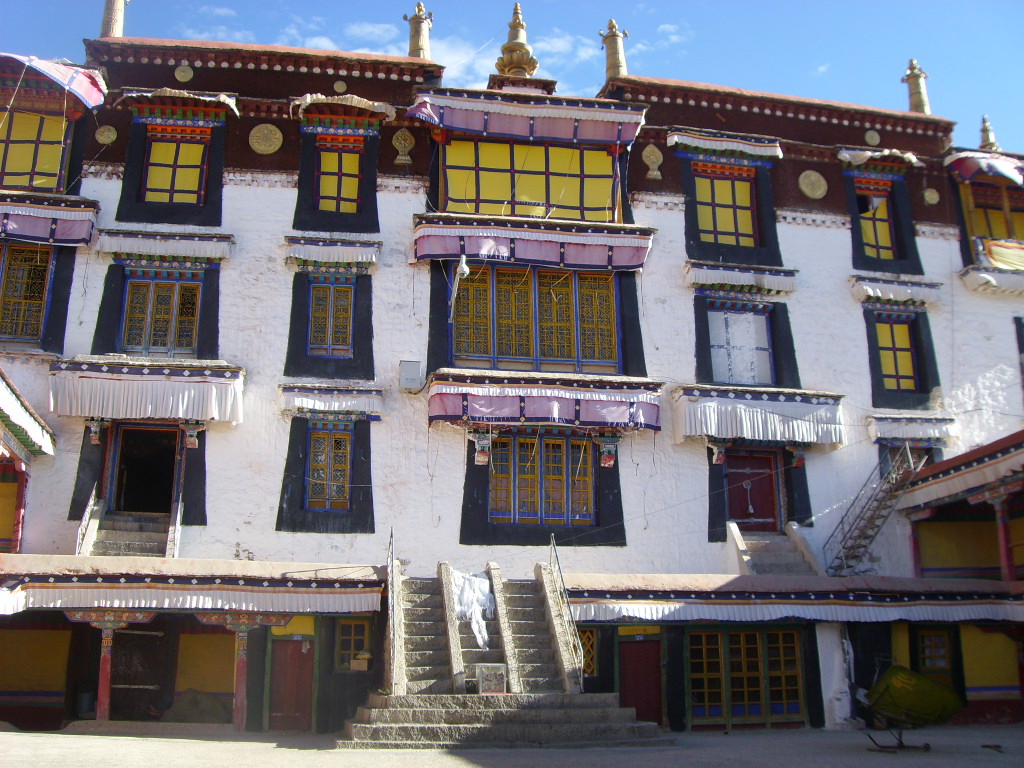
Why Drepung mattered
The Tibetan name means "heap of rice", which is how the clustered white buildings look from the valley floor. The full traditional name adds an auspicious formula about the ten directions. At its height Drepung was a monastic town with its own colleges, kitchens and residential houses, and it trained so many scholars that it was compared to Nalanda, the great Buddhist university of ancient India.
The building that gives Drepung its political weight is the Ganden Phodrang. The Second Dalai Lama built it as his residence in the early sixteenth century, and it remained the seat of the Dalai Lamas until the Fifth moved to the newly rebuilt Potala Palace in the seventeenth. The Tibetan government that ruled from then until the twentieth century took its name from this building. Standing in its courtyard you are standing in the original seat of that government.
Drepung was placed on China's second list of nationally protected cultural relics in 1982.
How the visit works
The monastery is built up the slope, so a visit is a steady uphill walk on stone paths and stairs between halls, then a walk down. There is no single route that every visitor must follow, but most people take something like this order:
- Ganden Phodrang, near the lower part of the complex, for the courtyard and the palace rooms.
- The main assembly hall (Tsokchen), the largest building, with its forest of pillars hung with thangkas and its butter-lamp light. This is the heart of the visit.
- One or two colleges, such as Loseling or Ngakpa, depending on which chapels are open that day.
- The walk down past monks' residences, with views back over the Lhasa valley.
Chapels open and close at different times, and some close around midday. A guide who knows the monastery will route you around what is open. Two to three hours is enough for a first visit; more only if you are already well acclimatised.
Getting there
A taxi from central Lhasa to the bottom of the hill takes about twenty minutes. Many visitors go up to the entrance by car or the local shuttle rather than walking the access road, which is long and uphill. If you are on a permit tour, your agency's driver will handle this. Plan to have lunch back in the city before heading north to Sera, which keeps the day from becoming one long climb.
The Shoton thangka
Drepung's biggest day of the year is the opening morning of the Shoton (Yoghurt) Festival in late summer, when an enormous thangka of the Buddha is unrolled across a hillside platform above the monastery at dawn. Tens of thousands of people climb before sunrise to see it. It is one of the great religious events in Lhasa and a very different experience from an ordinary visit: crowds, early darkness, steep ground and long waits. If your dates coincide, plan it with your guide well ahead, start in the dark with a headlamp and warm layers, and keep your group together. On ordinary days the monastery is much quieter and the halls easier to see.
Respectful touring
- Walk clockwise around chapels and inside halls.
- Take your hat off inside, keep your voice low and do not touch statues, murals or offerings.
- Look for photography signs. Some chapels charge a fee to take photos, others forbid it.
- Give monks space. They are studying, praying and working; it is their home.
- Dress modestly: covered shoulders and knees.
Pilgrims often carry small notes and butter to add to the lamps. If you want to make an offering, watch what locals do or ask your guide.
Altitude and pacing
Lhasa sits at about 3,660 metres, and Drepung's upper halls are higher still. Walk slowly, stop often, drink water and do not race your group up the stairs. If you felt unwell after the Potala, rest the next day instead of pushing on. Do not put this monastery day directly before your Namtso Lake trip if you are still adjusting; the lake is another kilometre higher.
Drepung or Sera if you only have time for one?
Choose Drepung for scale, history and the Ganden Phodrang. Choose Sera if seeing the afternoon debates matters more to you. With a full day, do Drepung in the morning and Sera after lunch, which is how most itineraries handle them.
Things to confirm before you go
- Ticket price and opening hours at the gate on the day. Tickets are bought on site and no advance booking is needed.
- Which chapels are open, and whether any close at midday.
- Shoton Festival dates if you want to see the thangka unveiling.
- Your permit and guide arrangements if you are a foreign visitor.
Frequently asked questions
How far is Drepung from central Lhasa?
About five kilometres west, roughly twenty minutes by taxi to the foot of the hill.
Do I need to book Drepung tickets in advance?
No. Tickets are sold at the monastery. The Potala and Jokhang are the two Lhasa sites that require advance reservation.
How long should I spend at Drepung?
Two to three hours for the main halls and the Ganden Phodrang.
Can I visit Drepung and Sera on the same day?
Yes. Drepung in the morning, lunch in town, Sera in the afternoon for the debates.
Sources
- Drepung Monastery, Chinese Wikipedia: https://zh.wikipedia.org/wiki/哲蚌寺
- Tibet Department of Culture and Tourism, summer booking guide for Lhasa sites, July 2026: https://wlt.xizang.gov.cn/xccx/lytg/202607/t20260720_550689.html
- Ctrip, reference ticket prices for Tibet sites: http://vacations.ctrip.com/notes/5978.html