The Old Bund, Ningbo: China's First Bund, Twenty Years Before Shanghai
The Old Bund runs along the north bank of the Yong where the Yuyao and Fenghua rivers meet it at Sanjiangkou. Ningbo opened as a treaty port in 1844, and the trading houses, consulates and churches went up on this bank first — twenty years before Shanghai's Bund. Today it is a free, open riverfront quarter: buildings by day, Sanjiangkou lights by night, a few minutes' walk from Waitan Bridge station on metro line 2. This one is for a riverfront evening in Ningbo; figures checked against public sources retrieved in September 2026.
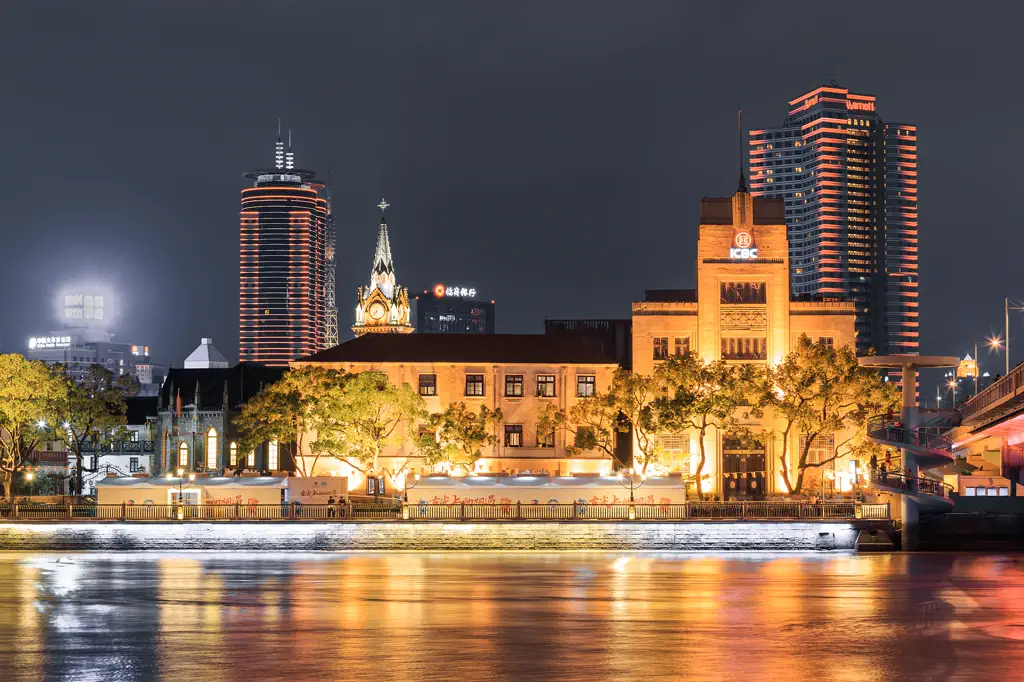
What the riverbank holds
More than fifty old buildings survive along the water, the consulate, customs house and post office among later shops. The cathedral is the face of the street: a Gothic spire at the foot of Xinjiang Bridge, built in 1872 as Our Lady of Seven Sorrows and later raised to cathedral of the diocese. Church, bell tower and side halls form one group, and in the years before the fire it was a favourite backdrop for wedding photos. A fire in the small hours of a late-July night in 2014 took more than two hours to bring under control; the roof collapsed and about five hundred square metres burned, and what stands now is the restored building. It is a backdrop by day. Lit up at night, it is the most photographed spot on the bank.
The cathedral's formal name today is the Sacred Heart Cathedral; locals still say the old church. Most of the older buildings along Zhongma Road carry heritage plaques with notes at the door — an unhurried hour covers them.
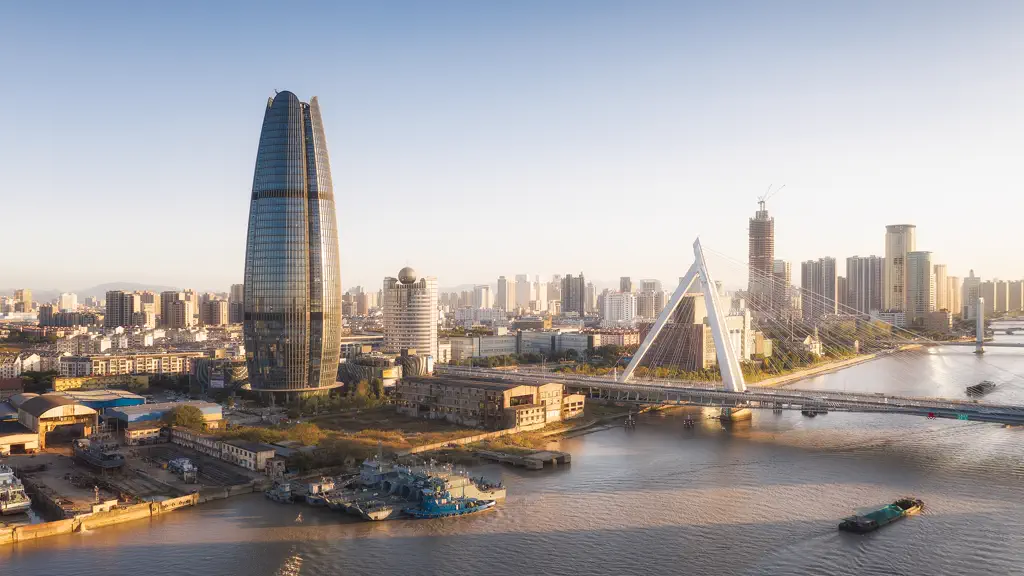
Day and night are two different streets. Daylight suits the building details and the cargo boats on the Yong; after dark the bars and restaurants light up and the riverside walk fills with strollers. For quiet, duck under the bridge or into the lanes to the west.
Sanjiangkou is the point of the night view: three rivers meeting under the bridge, lights from the far bank spreading across the water. Watching the boats work the Yong from the north bank is Ningbo's port character in one frame. The Old Bund charges nothing, and after dark the spending is flexible — a seat with a coffee or a snack from a street cart both work.
After 1844
The Treaty of Nanjing listed Ningbo among the five treaty ports. Ocean ships could not reach the old inner harbour, so the docks, the trading houses and the consulates settled on the north bank — China's first Bund, twenty years ahead of Shanghai's. The consulates moved in first, the customs house and post office followed, and the overseas trade pressed onto the north bank. In 1927 the Chinese administration took the waterfront back, and it worked as a passenger and cargo terminal into the late twentieth century. When the docks retired, the buildings stayed and the quarter reopened as a dining and leisure riverfront. This stretch of bank is the front page of Ningbo's modern history: the treaty port put the city back at the trading table, the north bank was where it happened, and the take-back, the dock years and the redevelopment each left a layer.
Tickets, hours and transport
| Item | Reference |
|---|---|
| Ticket | free, open street |
| Hours | all day; night view after dusk, bars run late |
| Address | Zhongma Road area, Jiangbei District, north of Sanjiangkou |
| Metro | Line 2 Waitan Bridge station exit C, about 5 minutes on foot; Line 1 Dongmenkou across the bridge, about 1 km |
| Time | 1–2 hours, arrive at dusk, leave after dark |
Ningbo's tourism site lists the Old Bund as a national 4A scenic area; the rating has not been confirmed in a second source, so treat the quarter as what it is — a free open street either way.
How to spend the evening
Arrive at dusk. Eat in the Tianyi Square or City God Temple area, walk to Sanjiangkou before sunset, and work the riverbank south to north so the cathedral lights come on while you are by the bridge. Looking back from the church end, the bridge lights and the far bank come on in a line, late boats still on the water — the walk fills an evening on its own. Then take a riverside table: the breeze, the boats and the lights are worth more than most ticketed sights. Daytime works too, and the flat walk suits strollers and wheelchairs. It chains naturally with Moon Lake and the City God Temple — lake by day, river by night.
The Ningbo guide places it on day one of a three-day route; Xuedou Mountain has its own.
Things to confirm before you go
- The street is free and open around the clock; bars and restaurants keep their own hours, and weekend evenings are the crowded ones.
- The cathedral's plaque and facade are on the street walk; interior access, if any, is separate from the quarter and follows the church's own times.
- Metro exit C at Waitan Bridge station is the shortest walk; the Dongmenkou crossing adds about a kilometre.
Frequently asked questions
Does the Old Bund charge admission?
No — the whole quarter is free and always open. Bars and restaurants bill separately; the riverside walk costs nothing for a whole evening.
Day or night?
Night. Half the point is the buildings, half the view, and the cathedral and Sanjiangkou lights carry the second half. Daylight is for architecture and the river; pressed for time, take half an hour either side of sunset and get both faces in one visit.
Is it like the Bund in Shanghai?
Smaller and slower. It is older — the port opened in 1844, before Shanghai's Bund — and quieter, built for a walk rather than shopping.