Ningbo Travel Guide: Six Stops in a Port City
Ningbo is Zhejiang's second city, a sub-provincial port on the south wing of the Yangtze delta, abbreviated Yong. The Ming name (1381) plays on calm seas. The municipality covers about 9,366 square kilometres of land; 9.62 million people lived here in 2022. It has been a trading coast since the Tang, a treaty port after 1844, and the home of the Ningbo merchants who later ran so much of Shanghai. The practical trip is six places: Sanjiangkou, Tianyi Pavilion, the Old Bund, Baoguo Temple, Dongqian Lake and Tiantong Temple.
Places worth visiting
Sanjiangkou
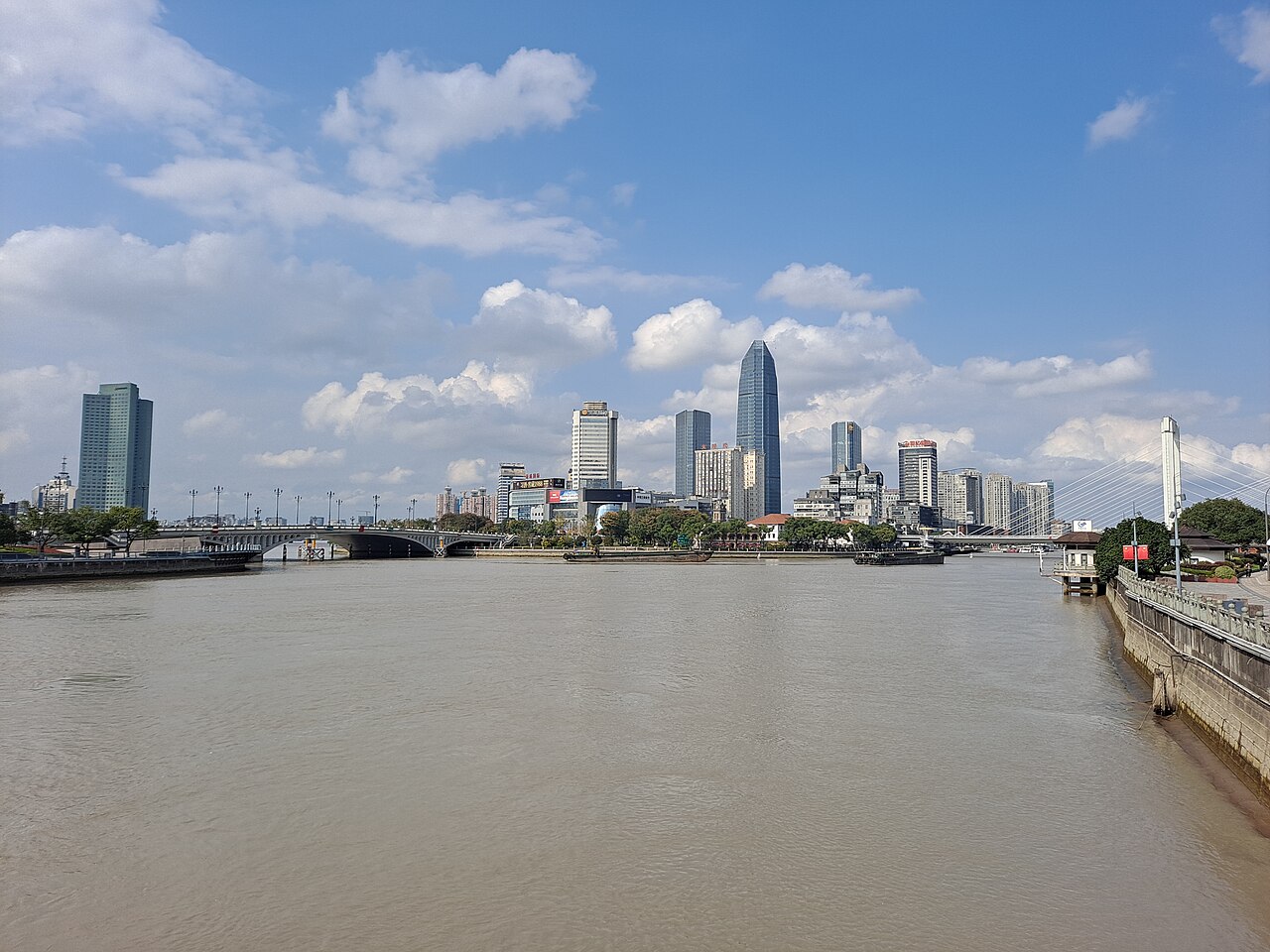
The Yao and Fenghua rivers meet and become the Yong. In 821 the Mingzhou prefectural seat moved here; the south gate of that Tang city is today's Drum Tower. Walk the banks in late afternoon so the Bund on one bank and Tianyi inland of Moon Lake sit on a map in your head. Drum Tower and Tianfeng Pagoda are short detours, not half-days.
Tianyi Pavilion
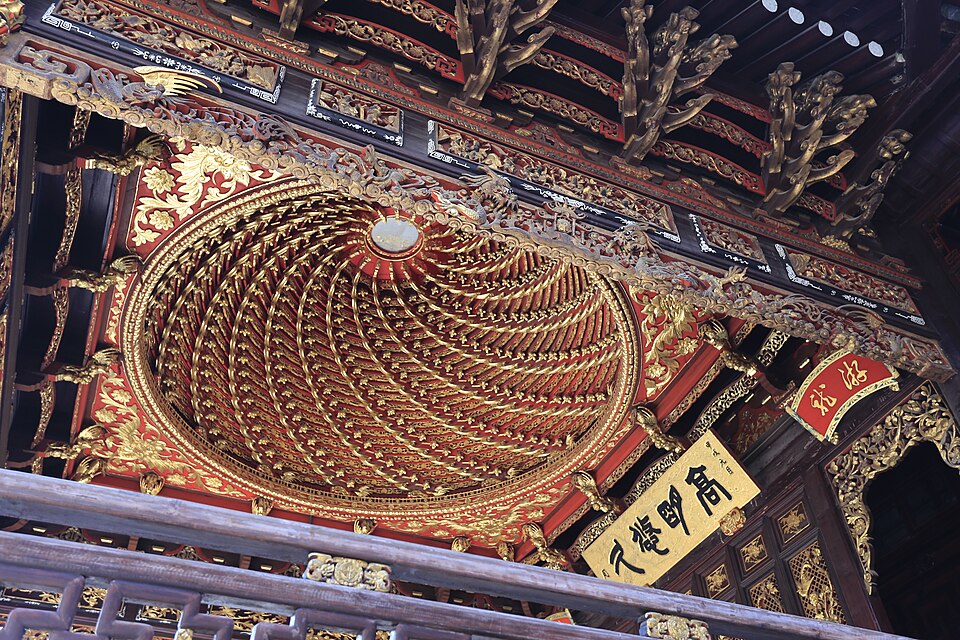
China's oldest surviving private library, west of Moon Lake. Fan Qin built it in Ming Jiajing years (1561–1566). The name comes from Zheng Xuan on the Book of Changes: heaven produces water. Fan left some 70,000 volumes; the family rule kept books undivided and inside the pavilion. Holdings shrank through loans, war and theft, then grew again through donations to about 300,000 volumes. Nationally protected since 1982. The photo shows the ancestral-temple stage inside the museum, not the book building itself. Walk library then hall; the lake half of the 5A area is free and has its own Moon Lake page. Hours follow official notices.
The Old Bund
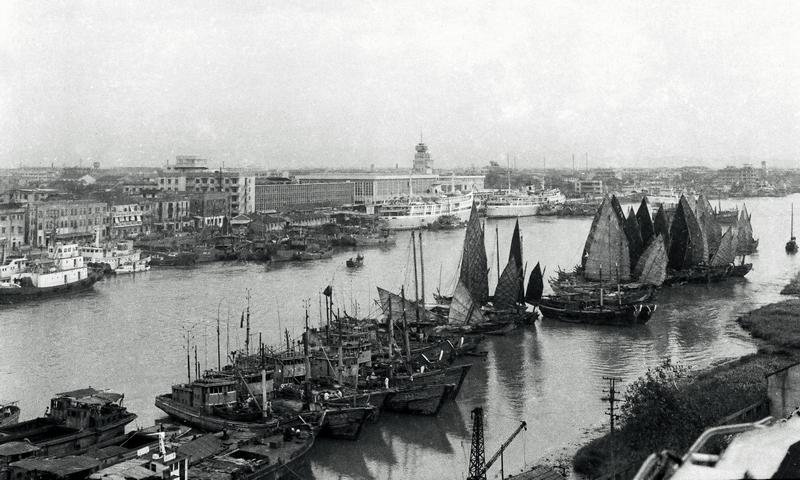
North Riverbank in Jiangbei, opened with the 1844 treaty port. Often called China's first Bund, about twenty years before Shanghai's. Consulates, customs, post office and the Cathedral of Our Lady of the Seven Sorrows survive among later shops. The photograph is a 1920s public-domain view; today's street mixes surviving facades and later shops. Evening is easy: river traffic, opposite bank lit, short walk from Sanjiangkou. See the Old Bund page.
Baoguo Temple
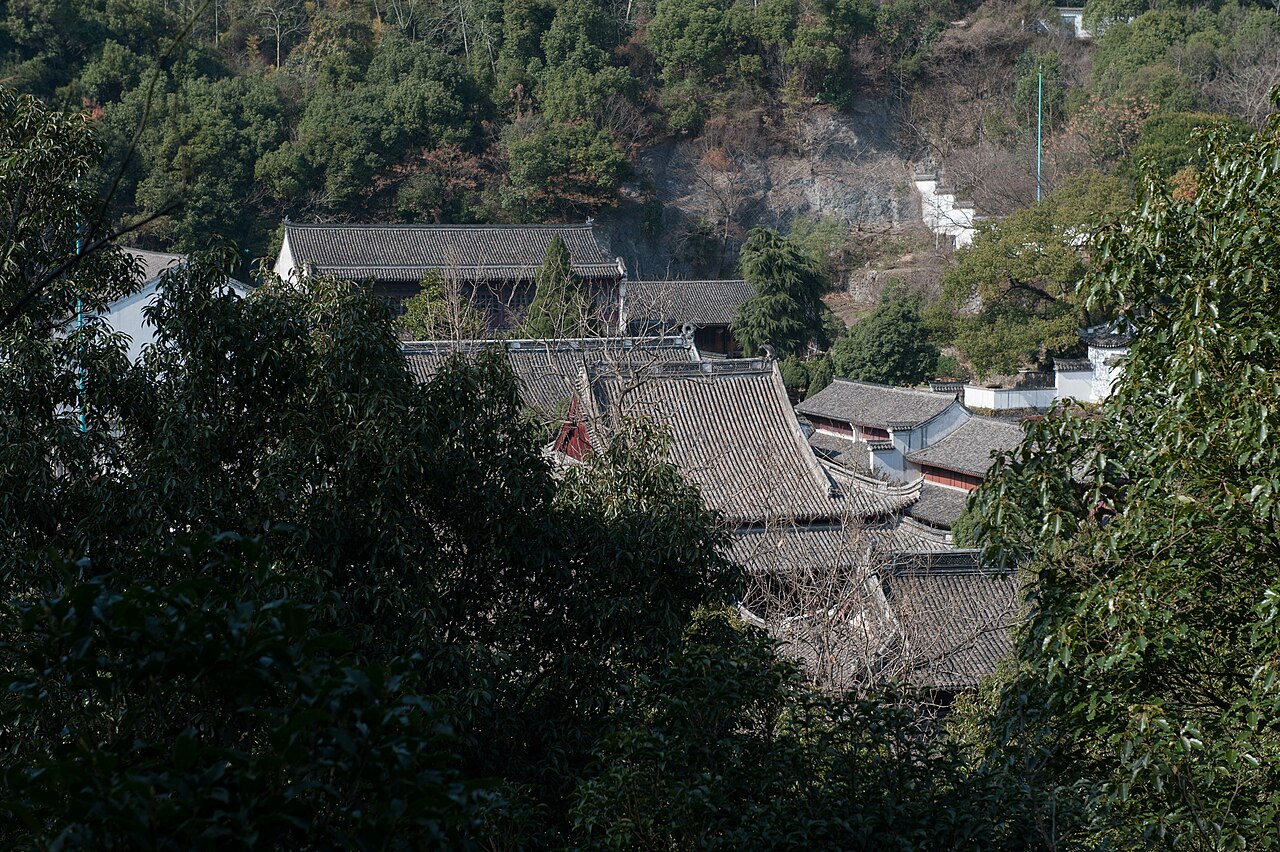
North of the city on Lingshan. Main hall completed in Northern Song Dazhong Xiangfu 6 (1013), one of the few Song timber halls left south of the Yangtze. A Qing expansion wrapped the Song core, so the exterior reads Qing while the Song structure sits inside. Run as the Baoguo Temple Ancient Architecture Museum, not an incense theatre. Half a day including the hill path. Detail on the Baoguo Temple page.
Dongqian Lake
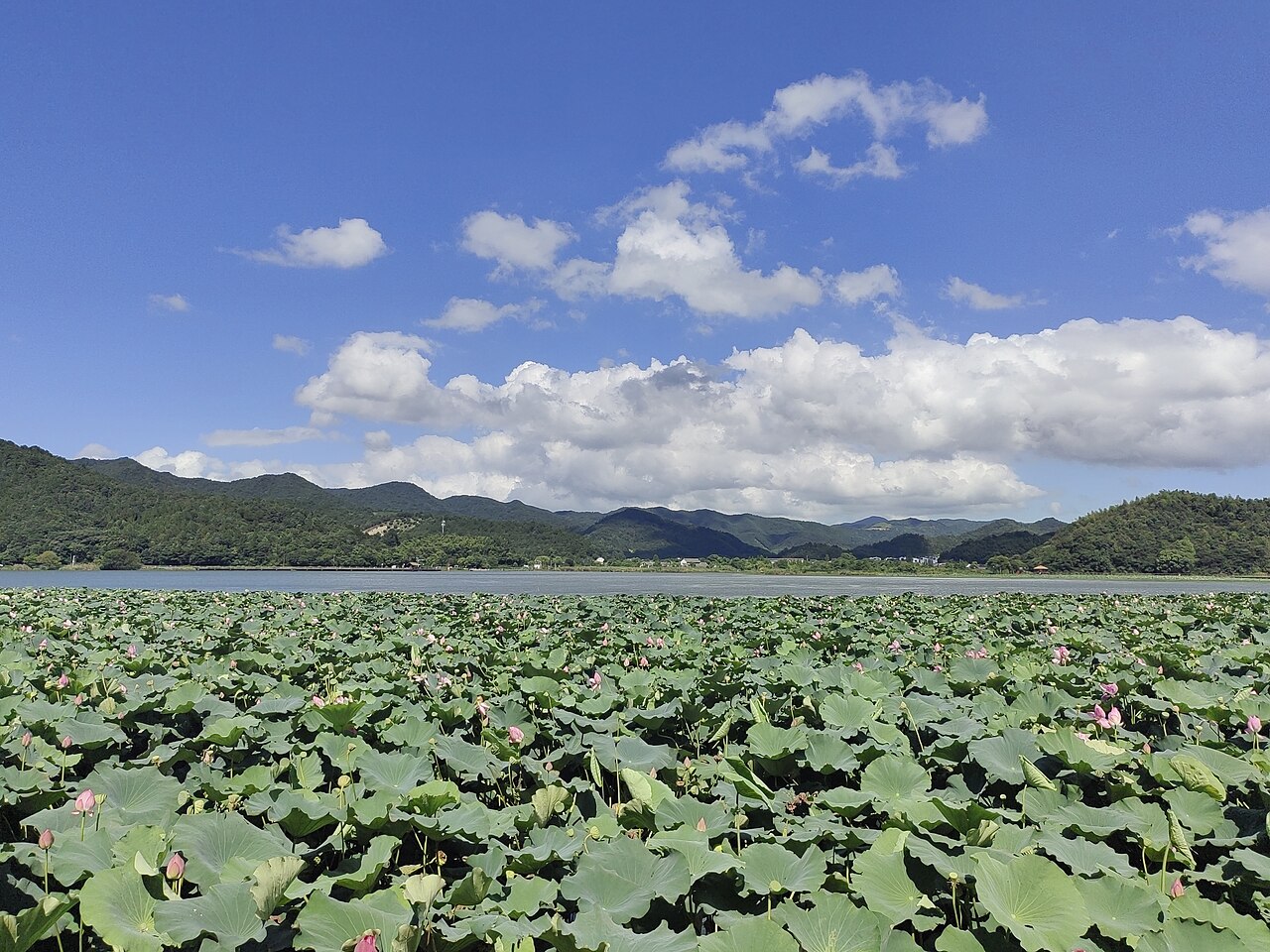
Zhejiang's largest natural lake (about 19.14 km² of water), a lagoon left by coastal silting and a city water source. Shore temples and Southern Song tomb sculptures sit around the water. Weekday mornings are quieter than weekends. Boat tickets follow official notices. Fuller pass on the Dongqian Lake page.
Tiantong Temple
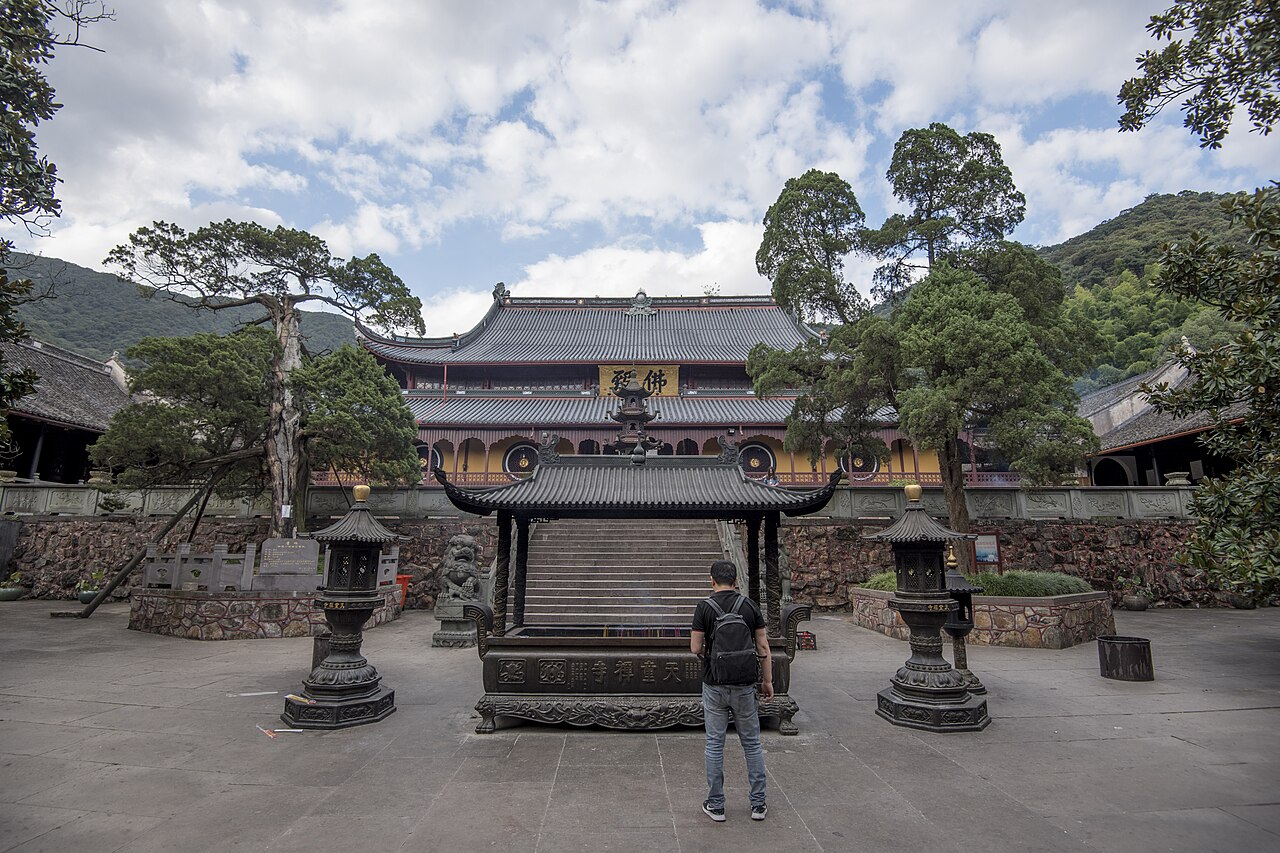
At the foot of Taibai Mountain in Yinzhou, about 30 km from the centre. Chan monastery, ancestral house of Japanese Sōtō Zen (Dōgen studied here under Rujing). Oldest standing hall is the Buddha Hall of Ming Chongzhen 4 (1631). The pine approach is still the best part of the visit. Scenic tickets were dropped after complaints in 2012; check the day's notice. Combine with Dongqian on the way back to town.
When to come to Ningbo
Subtropical monsoon climate: annual mean about 16.5 °C, January around 4.9 °C, July around 28.1 °C, about 1,430 mm of rain. Spring rain and plum rains run March into July; typhoons and autumn rain arrive August–September. Spring and late autumn are the comfortable windows for Tianyi gardens and lake days.
Getting in and where to stay
Metro, buses and taxis cover the centre. Baoguo is north in Jiangbei; Dongqian and Tiantong sit east and southeast. Stay near the three rivers for evening walks. Hangzhou is about an hour by high-speed rail across the bay; Shaoxing, Suzhou, Huangshan and Taizhou Zhejiang continue regional loops.
Eating in Ningbo
Yongbang cooking: East China Sea fish, river catch and mountain produce, described as fresh, salted and fermented. Ningbo lard tangyuan are the snack the rest of China knows. Yellow croaker with potherb mustard is the homely fish dish. Salted crab and the fermented "three stinkings" are optional and local. Follow old shops around the rivers rather than mall restaurants.
How to arrange the route
Day 1: Sanjiangkou and Drum Tower morning; Tianyi Pavilion; Old Bund afternoon and evening.
Day 2: Baoguo Temple north; back for tangyuan and a second river walk.
Day 3: Dongqian Lake morning; Tiantong Temple afternoon; yellow croaker dinner.
A fourth day can add Xuedou Mountain at Xikou for gorge and falls.
What to cut if short on time
With two days, keep day one's confluence loop and spend day two on Tiantong, dropping Baoguo or the lake. Cut malls and duplicate river viewpoints first. One temple plus Tianyi beats racing every countryside ticket.
Things to confirm before you go
- Tianyi, Baoguo and Tiantong hours on official notices; Baoguo is an architecture museum.
- Typhoons and plum rains can erase a countryside day; keep Baoguo or Tiantong movable in summer.
- Dongqian boat routes and shore access as a water-source lake.
- Tiantong is about 30 km out; half a day by taxi or bus.
Frequently asked questions
How many days for Ningbo?
Three fits confluence, Baoguo and a countryside day. Two covers Tianyi, Bund and one temple. One day is only the centre.
Tianyi Pavilion or Baoguo Temple if only one?
Tianyi for books, gardens and the city emblem; Baoguo for Song timber architecture. They are not substitutes. With three days, do both.
Can you combine Ningbo with Hangzhou?
Yes. High-speed rail across the bay is about an hour. Hangzhou first for the lake, Ningbo second for the port and Tianyi, is the usual order.
What must you eat in Ningbo?
Lard tangyuan, yellow croaker with potherb mustard, and salted crab if you tolerate the salt.
Sources
The facts in this article were checked against the following Wikipedia entries, retrieved September 4, 2026, and rechecked on October 19, 2026.
- Ningbo (city) https://zh.wikipedia.org/wiki/宁波市
- Tianyi Pavilion https://zh.wikipedia.org/wiki/天一阁
- Old Bund https://en.wikipedia.org/wiki/Old_Bund
- Baoguo Temple https://zh.wikipedia.org/wiki/保国寺
- Dongqian Lake https://zh.wikipedia.org/wiki/东钱湖
- Tiantong Temple https://zh.wikipedia.org/wiki/天童寺
The Chinese Wikipedia page for the Old Bund (North Riverbank) did not return usable body text in an earlier retrieval round, so that entry was checked against the English Wikipedia. The Tianyi photograph is the stage of Qin's Ancestral Temple inside the museum, not the library building itself.
All photos are from Wikimedia Commons, used under CC licenses; re-use requires attribution.
- ningbo-city.jpg from File Ningbo_Sanjiangkou.jpg, by 钉钉, CC BY-SA 4.0
- ningbo-tianyige.jpg from File Ningbo Tianyige 2013.07.28 08-38-17.jpg, by Zhangzhugang, CC BY-SA 3.0
- ningbo-waitan.jpg from File Ningbo Jiangbei Foreign District.jpg, unknown author, PD-China
- ningbo-baoguo.jpg from File Ningbo Baoguo Temple, 2015-02-19 05.jpg, by Siyuwj, CC BY-SA 4.0
- ningbo-dongqian.jpg from File 20240730 Dongqian Hu.jpg, by Yumeto, CC BY-SA 4.0
- ningbo-tiantong.jpg from File Tiantong Temple, 2018-09-25 08.jpg, by Siyuwj, CC BY-SA 4.0