Keyan: Quarry Leftovers and Wine-Water Lake
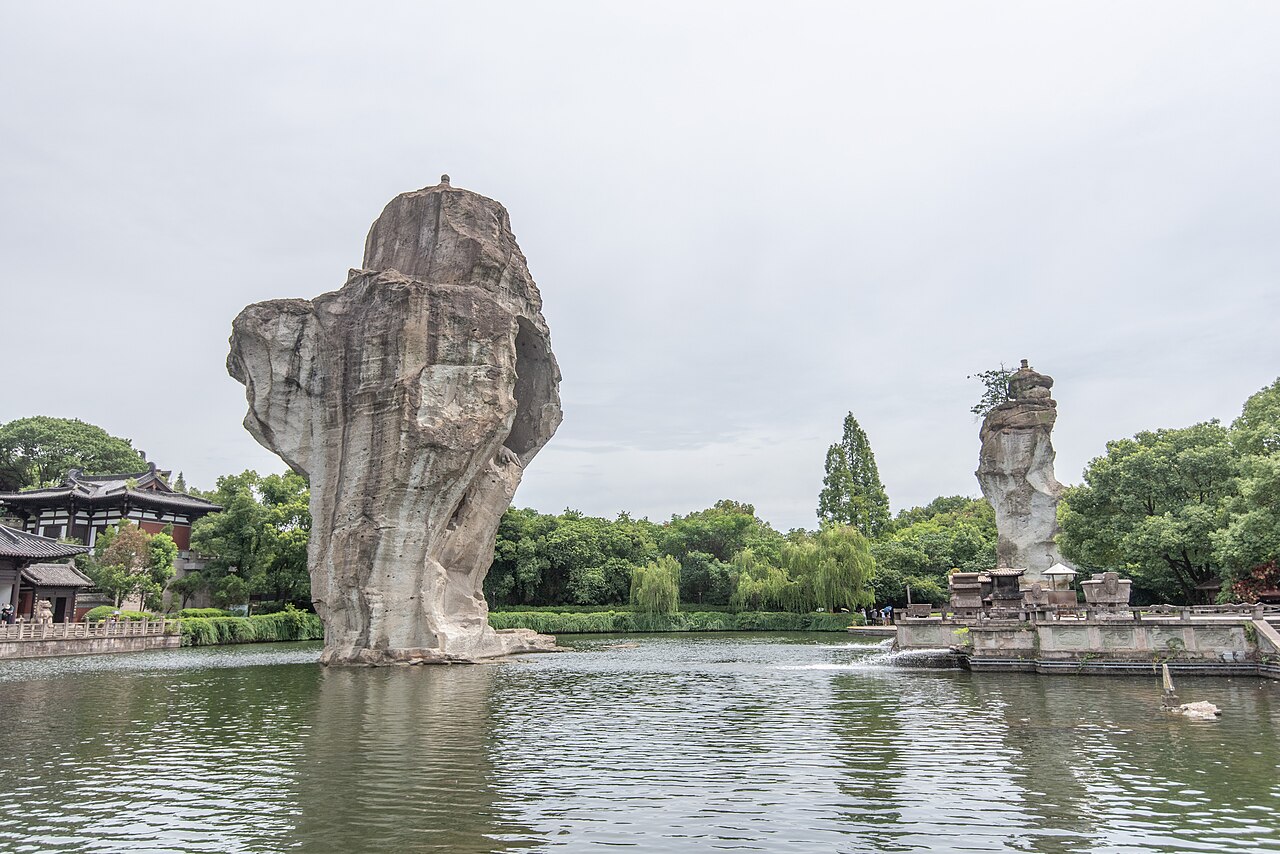
Keyan Scenic Area sits in Keqiao District, about eight kilometres west of town—about 6.87 square kilometres in three parts, Keyan, Jianhu Lake and Luzhen, listed as a national 4A site in 2000. The signature photograph is the Heaven-Work Buddha and the Cloud Bone, two quarry leftovers the area is known for. Cliff figures and inscriptions are protected as Keyan images and cliff inscriptions. Jianhu is the old wine-water lake of Shaoxing. Come for the stone and the lake view, and treat Luzhen as a later literary add-on. Keyan pairs with the Orchid Pavilion on a western day. City pacing is in the Shaoxing guide.
Reading the stone
Quarry history here rhymes with East Lake: human cutting created the drama you photograph. The Cloud Bone pillar and cliff Buddha are leftovers made scenic, not natural needles that always stood alone. Walk marked paths; do not climb fragile stone for a closer face shot. Tickets and hours follow official notices. The scenic-area stub pages do not always give a construction date for the Buddha—enjoy what is documented on site signs without inventing dynasties.
Jianhu and Luzhen
Jianhu's "wine water" reputation ties Shaoxing yellow wine to landscape, not only to bottles. A lake view after the quarry core softens the day. Luzhen is a later literary-themed add-on; visit if time and interest remain, skip without guilt if stone and lake already filled the morning. With only two days in Shaoxing, Keyan is a common cut while East Lake plus Orchid Pavilion stay.
Western day logistics
Day three: Keyan morning, Orchid Pavilion afternoon. Share a taxi or driver between Keqiao and Lanzhu Hill. Summer heat on exposed stone is real—hat, water, sunscreen. Plum rain can make paths slick. Keep the western pair movable if typhoon forecasts threaten.
Things to confirm before you go
- Which zones your ticket covers (Keyan core versus add-ons).
- Transport link to Orchid Pavilion the same day.
- Footwear for uneven quarry paths.
- Photography rules near inscriptions.
- Whether Luzhen is worth your remaining hour.
Courtesy
Stay off inscribed faces. Give worshippers or quiet viewers space at the Buddha. Pack out bottles. Loudspeakers kill the quarry echo that makes the place feel large.
Quick decisions
Keyan or Orchid Pavilion if only one western stop?
Orchid Pavilion for calligraphy; Keyan for quarry spectacle.
Same day as East Lake?
No—east and west are separate transport blocks in the three-day plan.
How long?
Two to three hours for core stone and a lake look.
What next?
Orchid Pavilion afternoon; yellow wine back in town at night.
Quarry tourism without damage
Shaoxing's stone culture appears at East Lake and again at Keyan. The lesson repeats on purpose: this prefecture cut rock for centuries and then learned to show the leftovers as scenery. Walk with that respect. Cloud Bone looks climbable and is not your gym. Inscriptions are artefacts; fingers oil them.
Morning Keyan leaves afternoon light for Orchid Pavilion's ponds and steles. Reverse the order only if ticket hours force it. Either way, budget water—west of town can feel farther than the kilometre count suggests once humidity rises.
Wine country glance
Jianhu's association with brewing water is cultural branding as much as hydrology. A lakeside pause still connects the scenic area to the bottles you will see at dinner. Buy wine in town with clearer labels rather than impulse bulk at a scenic kiosk unless you trust the seller.
Family pacing
Kids like dramatic stone more than stele essays; Keyan often wins over Orchid Pavilion for young attention spans. Still hold hands near drop-offs. Strollers struggle on quarry paths—carriers help. Build a snack stop before the pavilion half-day so blood sugar does not rewrite the itinerary.
What "4A" means for your expectations
A national 4A rating signals a developed scenic area with services, not a wilderness pass. Expect ticket gates, paths and tour clusters at the Cloud Bone. That infrastructure makes the site reachable in a morning before Lanting; it also means peak weekends feel busy. Arrive early, photograph stone, glance at Jianhu, and leave for the preface garden while attention remains. Treating Keyan as an all-day mountain hike oversells the terrain and undersells Orchid Pavilion waiting in the afternoon plan.
Cutting Keyan without regret
On a two-day Shaoxing map, dropping Keyan to save Orchid Pavilion and East Lake is the guide's own suggestion. Quarry drama reappears at East Lake anyway. Keep Keyan when you have the third day and want a second stone landscape before calligraphy. That triage keeps the trip kind rather than greedy.
Light and seasons on the stone
Morning side light cuts the Cloud Bone cleanly; midday flattens the pillar into glare. Autumn clarity helps inscriptions; summer haze softens Buddha niches but raises heat stress on exposed paths. Winter is quieter if ice is not an issue on steps. Whenever you come, the western day still wants Orchid Pavilion afterward—leave Keyan before fatigue makes Goose Pond feel like one stele too many.