Lu Xun Native Place: Yuecheng's Literary Street
Lu Xun's Native Place runs along Luxun Middle Road in Yuecheng—a historic street that takes in the Zhou ancestral house (the old taimen), Lu Xun's former home (the new taimen, with Baicao Garden behind it), the Sanwei Study, the Shaoxing Lu Xun Memorial Hall, and, just west, Xianheng Hotel. Zhou Shuren was born here in 1881 and left in 1898. The former residence occupies about 580 square metres in six courtyards, facing south at number 229; the ancestral house to the east covers about 2,400. The Sanwei Study is a single row of rooms across the river from the ancestral house, about 35 square metres. The cluster was listed in 1988 as a nationally protected site and the street is a national 5A scenic area. It is morning of day one in the Shaoxing plan.
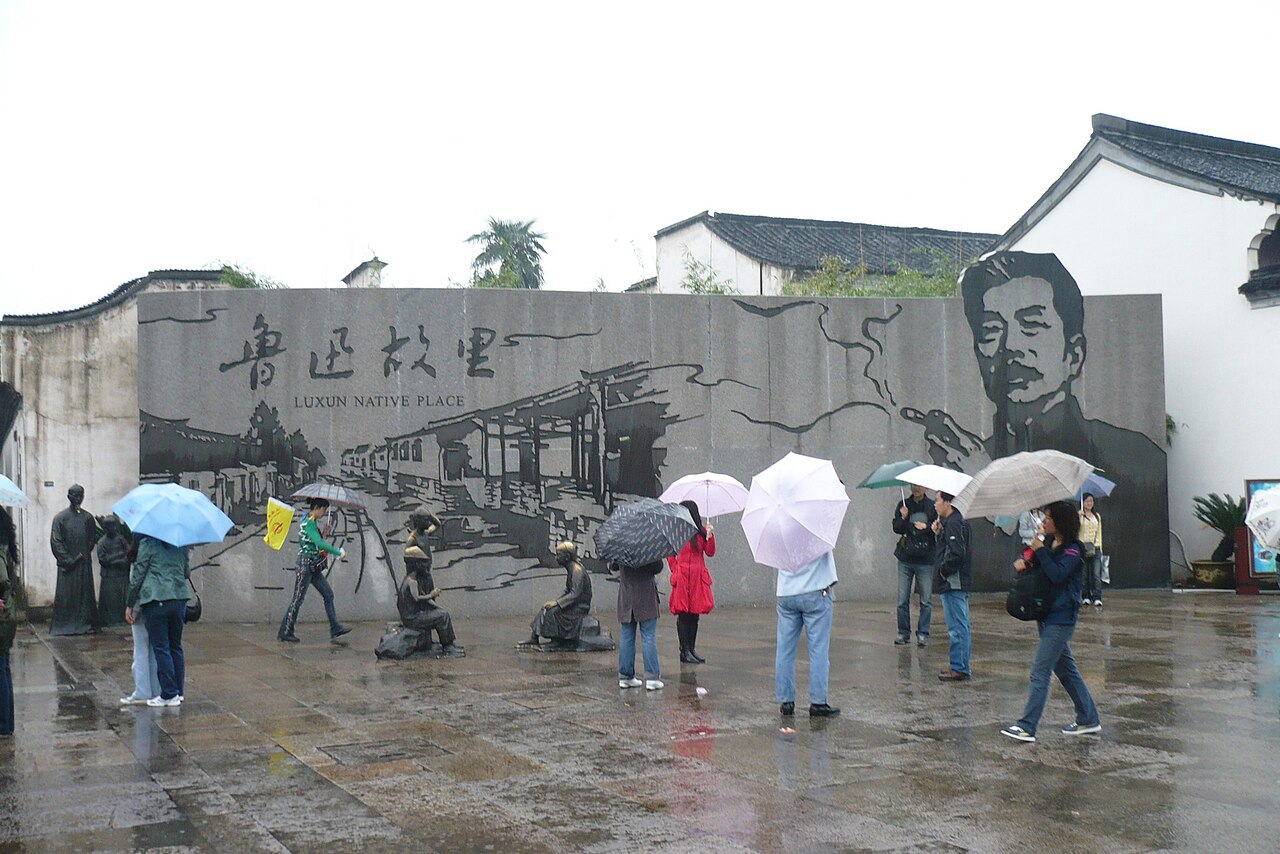
How to walk the cluster
Walk the houses first, then Baicao Garden, then the study. End at the memorial hall if you want exhibition context, then decide whether Xianheng is lunch or just a look. Hours and tickets follow official notices—this page does not invent yuan amounts. Crowds peak mid-morning on weekends; opening hour is kinder for courtyard photos and quieter corridors.
Baicao Garden is the childhood green space many readers meet on the page before they meet the street. Give it more than a doorway glance. The Sanwei Study is small; yield to other visitors and keep voices low. This is heritage tourism layered on a living neighbourhood—do not treat every doorway as a selfie studio.
Xianheng: restaurant with a literary name
Xianheng is a restaurant, not a museum. Fennel beans and yellow wine are the classic order if you sit down. Neighborhood shops sell the everyday version of the same flavours; the literary room sells atmosphere with the plate. If queues look brutal, eat nearby and keep the afternoon free for Shen Garden. Three days in Shaoxing without repeating yellow wine, beans, stinky tofu and meigan cai is easy—start here or save the wine for evening.
Town day pairing
The city guide keeps day one in town: Lu Xun morning, fennel beans and wine at noon, Shen Garden afternoon. That spine is the right first impression of Yuecheng before East Lake boats or western Orchid Pavilion calligraphy. If you can only pick one out-of-town icon versus this street, the FAQ is clear: Lu Xun for city and wine shops; Orchid Pavilion for the preface—they are not substitutes.
Things to confirm before you go
- Ticket and hour notices for the scenic street and individual courtyards.
- Whether Xianheng needs a wait list at lunch.
- Comfortable shoes for bluestone and courtyard thresholds.
- How you will reach Shen Garden in Yanghe Lane afterward.
- Bag awareness in dense tour groups.
Reading Lu Xun without homework panic
You do not need to finish every story before you arrive. Knowing that Zhou Shuren became Lu Xun, that Sanwei Study appears in school texts, and that Shaoxing yellow wine seasons both literature and kitchens is enough context for a respectful first walk. Buy a slim anthology later if the street hooks you. Guides who recite entire essays in the courtyard often block the flow—step aside and read plaques at your own pace.
Quick decisions
Morning or afternoon?
Morning, then Shen Garden after lunch.
Must I eat at Xianheng?
No. Literary name, optional lunch. Beans and wine exist elsewhere.
How long?
Two to three hours for houses, garden, study and a short meal.
What next?
Shen Garden the same afternoon; keep East Lake and Yu Mausoleum for the eastern day.
Courtyards, canals and the 5A street
Luxun Middle Road packs ancestral fabric, childhood green space and a study across water into one walkable strip. That density is why the street carries 5A status while remaining human-scaled. Pause at river edges between compounds; Shaoxing's canal-city nickname is visible even on a literary morning. If tour flags dominate the main gate, slip toward quieter side doors when staff allow—never force closed courtyards.
Summer humidity makes shade precious; winter is quieter and kinder for photographs. Spring and autumn remain the comfort windows citywide. Whatever the season, leave buffer before Shen Garden so lunch queues do not steal the lyric wall.
Yellow wine without overdoing it
A noon bowl of wine with fennel beans is tradition, not a dare. Share plates, drink water, and skip a second pot if the afternoon garden needs clear eyes. Better bottles carry vintage years—check labels before you pack gifts. Stinky tofu and meigan cai braised meat can wait for dinner if lunch stays light. The street teaches appetite as much as biography.
What to cut on a one-day Shaoxing
If Hangzhou already took your legs, keep Lu Xun street and Shen Garden only. Drop East Lake caves, Keyan stone and Yu halls without guilt. One solid literary day still explains why the city prints writers on its tourism maps. Rebook countryside pairs when you can sleep in Yuecheng overnight.