China Grand Canal Museum: The Canal Capital Explained
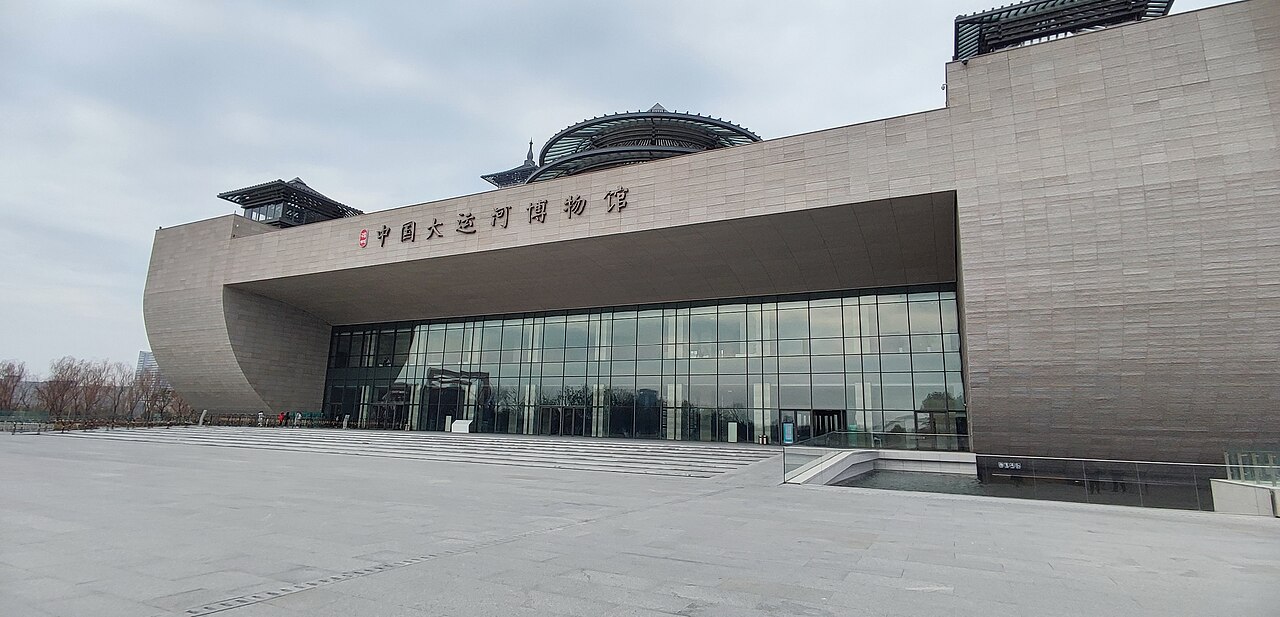
The China Grand Canal Museum stands on the Three Bays of the canal in Yangzhou, opened on 16 June 2021—a large modern museum dedicated to the Grand Canal. The building is a sight in itself: a vast ship-shaped hall facing the water, with a Tang-style pagoda beside it, both reflected in the canal bends. Exhibitions take roughly 2,500 years of canal history apart, from grain transport and waterworks to everyday life. Entry is free but reservation is required; peak-season slots go fast. The museum commonly closes Mondays except statutory holidays—confirm before you go. Give it half a day to a full day. It is day three in the Yangzhou plan and the key to understanding this canal capital.
What to prioritise inside
The biggest draw is an entire cross-section of an excavated canal bed, moved whole from an archaeological site—strata pressing one dynasty's riverbed upon another. Immersive digital shows include an old canal street that rains indoors; they work well for families and for anyone who wants motion after static cases. Do not try to read every panel on a first visit. Pick grain transport, engineering and daily life threads, then leave buffer for the outdoor Three Bays walk.
Photography rules vary by gallery—follow signs, especially around immersive sets and low-light archaeology. This page does not invent ticket prices because general entry is free with reservation; special exhibitions, if any, follow official notice.
Reservation realities
Book through official channels before you travel in peak weeks. Same-day walk-up is not a plan you should rely on when school holidays hit. Bring the ID used for booking. Arrive with margin for security queues. If Monday is your only free morning, verify the closure exception calendar rather than assuming entry.
Kids and pacing
Yes, it works for children: digital rain streets and big objects beat endless text cases. Still grab the reservation early. Build snack and rest breaks; museum fatigue is real after garden days. Strollers may face limits in some galleries—check on site.
Pairing the afternoon
After exhibitions, walk the Three Bays waterfront so the ship-shaped architecture and pagoda reflection finish the canal line. Do not stack Slender West Lake or both salt-merchant gardens on the same calendar day if legs are already done. Dongguan evening is optional only if energy remains; sleep before departure day is wiser.
Things to confirm before you go
- Free reservation slot, matching ID, and Monday/holiday open status.
- Special exhibition rules if advertised.
- Transport time from the old-town hotel cluster to the Three Bays.
- How long your group can stand before needing lunch.
- Outdoor weather for the bay walk after galleries.
Why this museum belongs on a short list
Without it, Yangzhou can feel like only gardens and poetry. The museum ties salt wealth, grain routes and UNESCO canal heritage into one narrative building. Travellers who skip it miss the civic reason the city still calls itself a canal capital. Go when your reservation lands; keep gardens and the lake for the days that do not need a museum clock-in.
Quick decisions
Half day or full day?
Half day for highlights; full day if you read deeply and walk the bays slowly.
Good for kids?
Yes—with early reservation and immersive galleries.
Same day as Geyuan?
Better not. Museum day stands alone in the three-day plan.
What if slots are gone?
Shift the museum day, or accept gardens-and-lake only and rebook another trip—do not use unofficial touts.
Architecture as exhibit
Walk the exterior before or after galleries so the ship metaphor registers. Reflections in the Three Bays change with weather—overcast days still photograph well because glass and water do the work. The Tang-style pagoda beside the modern hall stages a dialogue between canal modernity and historic skyline language; you do not need to enter every adjacent structure to get the point.
Reading grain and water without overload
Canal history is dense: locks, taxes, boat types, urban markets. Use audio guides or a single thematic path if Chinese panels overwhelm you. The relocated canal-bed cross-section is the tactile anchor—stand there until the layered mud becomes a timeline in your head. Then let digital streets be dessert rather than the whole meal.
Transport and energy
The Three Bays site sits apart from Dongguan's bluestone lane. Budget ride time from old-town hotels. After two garden days, museum standing can surprise tired feet—wear the same comfortable shoes. If your reservation is afternoon, eat first; hungry groups rush the best galleries. Closing time is real; start immersive shows with margin.
Closing the three-day story
Day one lake and temple, day two gardens and Dongguan, day three museum and Three Bays: that arc moves from poetry and salt gardens to the engineering spine that fed them. Travellers who reverse the order still win if the reservation forces it—just keep Mondays in mind. When you leave Yangzhou for Nanjing across the river or Suzhou's gardens down the line, the museum's grain-route maps make those next cities feel connected rather than random.