Geyuan: A Year of Stone in One Garden
Geyuan stands on Dongguan Street, the garden residence of salt merchant Huang Zhijun, laid out in 1818 in the Jiaqing reign of the Qing. The name plays on bamboo: the owner loved it, and "moonlight on bamboo makes a thousand ge characters," each leaf tracing that shape. The garden's masterpiece is the Four Seasons rockery—four stone groups, one per season: bamboo-shoot stones for spring, Taihu stones for summer, yellow stone for autumn, and white Xuan stone heaped into a snowbound winter. One slow circuit and you have walked a year. In 1988 Geyuan entered the third batch of national protected cultural sites; it is the best-preserved of Yangzhou's salt-merchant gardens. City sequencing is in the Yangzhou guide.
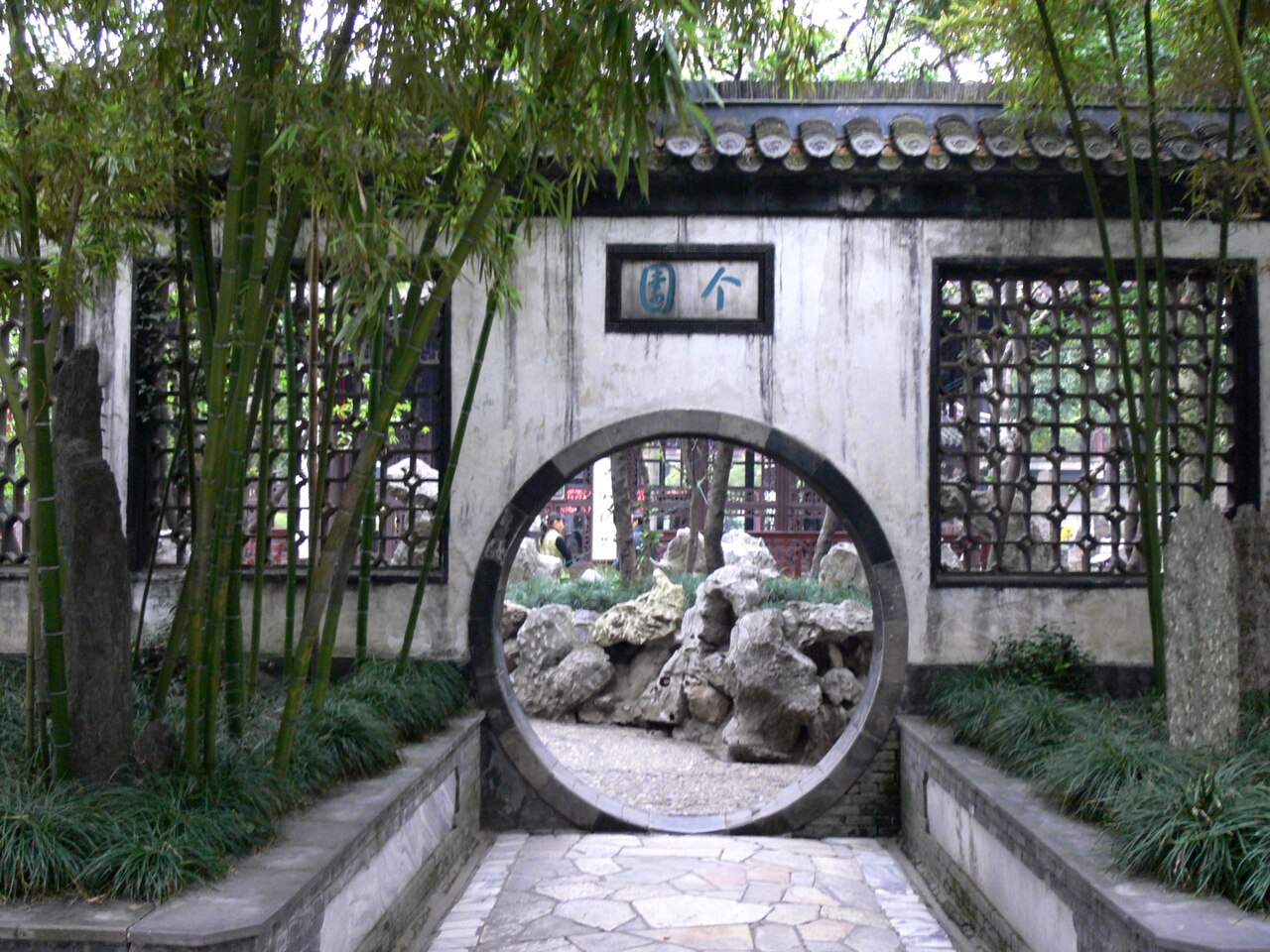
How to read the Four Seasons
Do not rush past the yellow-stone autumn hill—the city guide calls it the summit of Yangzhou rockery art. Spring bamboo-shoot stones feel vertical and lively; summer Taihu stones are pierced and watery in spirit; autumn yellow stone is massive and climbing; winter Xuan stone reads cold and pale. Labels help if you read Chinese; otherwise walk clockwise or as stewards direct and let colour and texture mark the seasons. An hour and a half covers the garden without sprinting; ninety minutes of attention beats thirty minutes of photography only.
Sit when courtyards empty. Lattice, bamboo and corridor turns are the point. Touching rockeries damages both stone and planting—look, do not scramble.
Salt-merchant context
Yangzhou's garden wealth came from two-Huai salt merchants who funded reception halls and private paradises. Geyuan is that story in compact form: not imperial scale, but merchant taste refined to rock and bamboo. Pair it with Heyuan the same afternoon to see two schools side by side—Geyuan older and rockery-famous, Heyuan later with its double-decker corridor and East-West mix. Tickets follow official notice; this page does not invent yuan amounts.
Same morning as Dongguan Street
Geyuan sits right on the old-town axis. Morning garden, lunch along the street (Huangqiao baked buns, shredded tofu, or a full Huaiyang meal), then car or taxi ten-odd minutes to Heyuan in Nanhexia. Evening lamps back on Dongguan close the day. That is the city guide's day-two shape.
Things to confirm before you go
- Opening hours and ticket channel for the day.
- Comfortable shoes for stone steps and corridors.
- Whether Heyuan is booked for the same afternoon.
- Photography manners in tight courtyards—yield to other visitors.
- Allergy masks in catkin season if you are sensitive.
Crowds and seasons
April peak and autumn osmanthus weeks fill corridors. Arrive at opening when possible. Summer muggy air makes shade precious; winter bare stone still teaches rockery structure if you dress warm. Rain turns steps slick—slow down.
Quick decisions
Geyuan only or with Heyuan?
Both in one day if energy allows; Geyuan alone if time is short—it is the rockery essential.
How long?
About ninety minutes for a proper Four Seasons circuit.
Kids?
Yes if they can walk quietly; the seasonal story helps engagement.
What else?
Dongguan Street free walking; keep Slender West Lake for another day.
Bamboo, moonlight and the name
Even if you never catch moonlight on bamboo leaves spelling ge, the planting explains why the garden feels vertical and green between rock piles. Bamboo corridors cool summer walks and frame stone colour changes. Do not cut leaves for souvenirs. Master gardeners designed sightlines; standing where a corridor aims you at a rockery peak is part of the craft.
Comparing Yangzhou gardens to Suzhou
Suzhou gardens are the UNESCO classical set many travellers know first. Yangzhou salt-merchant gardens share rockery and water language but wear a different civic story—canal wealth, Huaiyang taste, and rockery seasons staged as theatre. Visit Geyuan on its own terms rather than grading it against the Humble Administrator's Garden. Smaller footprint, high craft: that is the local pride.
Rainy-day note
Light rain deepens stone colour and empties some courtyards. Heavy rain makes yellow-stone climbs slick—use the covered corridors and shorten the summit push. Umbrellas in narrow lattice passages annoy everyone; a hooded jacket works better. Museums wait for true washouts; Geyuan in drizzle can still be lovely.
What to cut if the calendar shrinks
On a two-day Yangzhou squeeze, keep Slender West Lake, Dongguan evening, and Geyuan; Heyuan becomes the first garden cut unless corridor design is your focus. The Canal Museum needs its own reservation morning—do not steal that slot for a second rockery loop. Geyuan's Four Seasons idea teaches more per square metre than racing three half-seen courtyards elsewhere. Protect the yellow-stone autumn hill even when you shorten everything else.
Souvenir restraint
Garden gift shops sell stone and bamboo motifs of uneven quality. A postcard or a small book on Yangzhou gardens beats a fake "antique" rock. Save perfume powder shopping for Dongguan's Xie Fuchun if gifts matter. Your best takeaway from Geyuan is the mental model of four seasons in stone—no suitcase required.